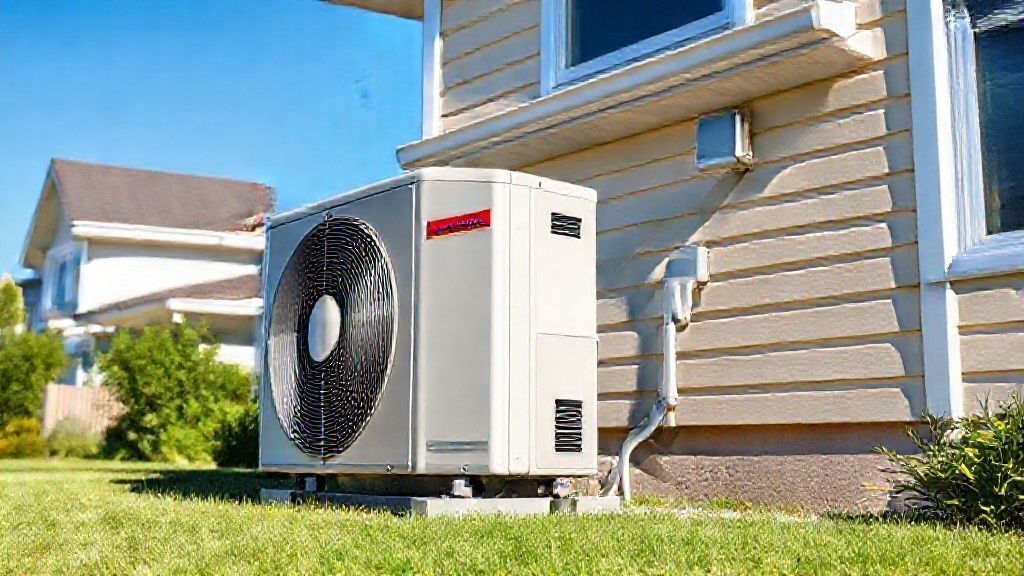
Choosing a new HVAC system for your home is a significant decision. You’re looking for comfort, efficiency, and reliability, all without breaking the bank. As someone who’s spent decades crawling through attics, examining condensers, and talking with homeowners, I’ve seen a lot of changes in the industry. What remains constant is the need for a system that fits your specific situation. Today, we’re going to break down the 1.5 ton, 18 SEER heat pump split system. It’s a popular choice for many, and for good reason.
I remember a job out in Denver a few years back. The homeowner had an old furnace and an equally old AC unit. They were always complaining about uneven temperatures and high utility bills, especially during those unpredictable Colorado shoulder seasons when you might need heat in the morning and cooling by afternoon. After a detailed load calculation, a 1.5 ton heat pump split system at 18 SEER was the perfect recommendation. It handled the heating through the crisp autumns and provided efficient cooling for the warmer summers. They were delighted with the consistent comfort and the noticeable drop in their energy consumption. This isn’t just theory; it’s what I’ve seen firsthand.
Key Highlights
- **Dual Functionality:** A heat pump provides both heating and cooling in one system.
- **High Efficiency (18 SEER):** Offers significant energy savings compared to lower SEER ratings.
- **1.5 Ton Capacity:** Often suitable for smaller homes, well-insulated spaces, or specific zones.
- **Split System Design:** Features an indoor air handler/coil and an outdoor compressor/condenser unit.
- **Reduced Carbon Footprint:** Operates electrically, reducing reliance on fossil fuels.
- **Year-Round Comfort:** Delivers consistent temperature control in diverse climates.
What is a 1.5 Ton 18 SEER Heat Pump Split System?
Let’s start with the basics. When we talk about a “1.5 ton 18 SEER heat pump split system,” we’re defining a few key characteristics of an HVAC unit designed for both heating and cooling.
First, “heat pump.” Unlike a traditional furnace and air conditioner setup, a heat pump doesn’t generate heat by burning fuel. Instead, it moves heat. In the summer, it pulls heat from inside your home and transfers it outdoors, cooling your space. In the winter, it reverses the process, extracting heat from the outdoor air (even cold air contains heat) and moving it indoors to warm your home. It’s like a refrigerator, but it can run in reverse.
Next, “1.5 ton.” “Ton” is a measure of a system’s cooling capacity. One ton of cooling is equivalent to removing 12,000 BTUs (British Thermal Units) of heat per hour. So, a 1.5 ton system can remove 18,000 BTUs per hour. This rating is crucial for sizing the system correctly for your home, which we’ll discuss more later. It’s important not to undersize or oversize your unit.
Then we have “18 SEER.” SEER stands for Seasonal Energy Efficiency Ratio. It’s a measure of how efficiently an air conditioner or heat pump cools your home over an entire cooling season. A higher SEER rating means greater efficiency, which translates directly into lower energy bills. 18 SEER is considered a very good efficiency rating, well above the current minimum standards, indicating a system that will save you a good amount of money on your electricity over its lifespan. The federal minimum SEER rating has gone up over the years, and 18 SEER is a strong performer in today’s market.
Finally, “split system.” This refers to the most common configuration for residential HVAC. It means you have two main components: an indoor unit (typically an air handler or furnace with an evaporator coil) and an outdoor unit (the compressor/condenser). These two units are connected by refrigerant lines and electrical wiring. The indoor unit circulates conditioned air throughout your home via ductwork, while the outdoor unit manages the heat exchange with the outside air. There are also ductless mini-split systems, which are a type of split system but don’t use traditional ductwork. If you’re curious about those, you might want to look into what is ac split type ductless system for more details.
Key Benefits of an 18 SEER Heat Pump
Choosing an 18 SEER heat pump system comes with a host of advantages that go beyond simply providing heating and cooling. These benefits contribute to both your wallet and your comfort.
-
Significant Energy Savings: This is probably the biggest draw for an 18 SEER unit. The higher the SEER rating, the less electricity the unit uses to achieve the desired temperature. Over the lifespan of the unit, these savings can be substantial, especially if you live in a climate with long heating or cooling seasons. You’re making a larger initial investment, but you’re paying less every month.
-
Year-Round Comfort: A heat pump provides heating and cooling from a single system. This means seamless transitions between seasons without needing separate heating and cooling appliances. It maintains a consistent indoor temperature, preventing the large swings you might experience with less sophisticated systems. This consistency is a major plus for daily comfort.
-
Environmentally Friendly: Heat pumps are an excellent choice for homeowners looking to reduce their carbon footprint. Because they move heat rather than generating it from burning fossil fuels (like natural gas or oil), they are much more efficient and produce fewer greenhouse gas emissions. As electricity grids become cleaner, the environmental benefits of heat pumps only grow.
-
Improved Indoor Air Quality: Many modern 18 SEER heat pump systems are designed to integrate with advanced air filtration systems. By continuously circulating air through your home’s ductwork, they can effectively filter out dust, allergens, and other particulates, leading to cleaner, healthier indoor air. Regular filter changes are key here, of course.
-
Quiet Operation: Higher-efficiency units, especially those with variable-speed compressors, tend to operate much more quietly than older, less efficient models. This means less noise disruption, both inside your home from the air handler and outside from the condenser unit. This is a common feedback I get from homeowners after installation: “I barely notice it’s on.”
-
Potential for Incentives and Rebates: Because of their high energy efficiency, 18 SEER heat pumps often qualify for local utility rebates, state tax credits, or federal incentives. These programs are designed to encourage homeowners to adopt more energy-efficient technologies, helping to offset the initial cost of the system. It’s always worth checking what’s available in your area before making a purchase.
Understanding Tonnage: Is 1.5 Tons Right for Your Home?
Getting the right size heat pump for your home is absolutely critical. It’s not just about comfort; it affects efficiency, system longevity, and your energy bills. A 1.5 ton unit, as we discussed, has a cooling capacity of 18,000 BTUs per hour. But what does that mean for *your* house?
Many homeowners mistakenly believe bigger is better. This isn’t the case with HVAC systems. An oversized unit will cool your home too quickly, cycling on and off frequently. This “short cycling” is inefficient because the system uses more energy starting and stopping than running continuously. It also doesn’t run long enough to effectively dehumidify the air, leaving your home feeling clammy and uncomfortable even if the temperature is correct. Furthermore, constant short cycling puts more wear and tear on components, potentially shortening the life of your unit.
On the flip side, an undersized unit will struggle to cool or heat your home adequately, especially during extreme weather. It will run constantly, never quite reaching the set temperature, which leads to high energy bills and frustrated occupants. An undersized unit is always fighting an uphill battle.
So, how do we determine if 1.5 tons is right for you? It’s not as simple as guessing. A professional HVAC technician performs a “load calculation.” This is a detailed assessment that takes into account various factors:
-
Square Footage: This is a starting point, but by no means the only factor. A general rule of thumb used to be 400-600 square feet per ton, but this is a rough estimate that doesn’t account for modern construction.
-
Climate Zone: How hot do your summers get? How cold do your winters get? A home in Florida will have different requirements than one in Minnesota.
-
Insulation Levels: Well-insulated walls, attic, and crawl spaces significantly reduce heat transfer. A well-insulated home might need a smaller unit than a poorly insulated one of the same size.
-
Window Type and Orientation: Double-pane, low-E windows facing south will perform differently than single-pane windows facing north. The amount of direct sunlight your windows receive plays a big role.
-
Number of Occupants: People generate heat. More people in the home means more heat gain.
-
Ceiling Height: Taller ceilings mean more air volume to heat or cool.
-
Air Infiltration: How well sealed is your home? Drafts and leaks around windows and doors allow unconditioned air to enter.
-
Heat-Generating Appliances: Large TVs, computers, and kitchen appliances all contribute to the internal heat load.
Typically, a 1.5 ton system might be suitable for a small apartment, a well-insulated single room addition, or a small home (around 600-900 square feet, depending heavily on the factors above). It’s not uncommon to see multiple 1.5 ton units used in a zoned system for larger homes, where different areas have their own dedicated unit for precise control. Never skip the load calculation; it’s the foundation of a good HVAC system installation. This is where professional advice really matters. You can check out a site like best hvac for more resources on making informed decisions.
Components of a Split System Heat Pump
Understanding the pieces that make up your 1.5 ton 18 SEER heat pump split system helps you appreciate how it works and what to expect during installation and maintenance. A split system, by definition, divides its main components between an indoor and an outdoor unit.
1. The Outdoor Unit (Condenser/Compressor):
-
Compressor: This is the heart of the heat pump. It’s an electric pump that circulates the refrigerant between the indoor and outdoor coils, changing its pressure and temperature. The compressor is what ultimately moves the heat.
-
Condenser Coil: In cooling mode, the hot, high-pressure refrigerant gas flows through this coil, releasing its heat to the cooler outdoor air with the help of a fan. In heating mode, it acts as an evaporator, absorbing heat from the outdoor air.
-
Fan: The fan pulls air across the condenser coil, facilitating the heat exchange. It needs clear space around it for optimal operation.
-
Reversing Valve: This is what makes a heat pump unique. It’s a special valve that literally reverses the flow of refrigerant, allowing the system to switch between heating and cooling modes. This is the component that makes the heat pump an all-in-one comfort solution.
2. The Indoor Unit (Air Handler/Evaporator Coil):
-
Evaporator Coil: In cooling mode, the cold, low-pressure refrigerant flows through this coil, absorbing heat from your home’s indoor air, which is then blown across it by the blower fan. In heating mode, it acts as a condenser, releasing heat into your home’s air.
-
Blower Motor and Fan: This motor drives a fan that pulls air from your home’s return air ducts, pushes it across the evaporator coil, and then circulates the conditioned air through your supply ducts and into your living spaces. Modern blowers are often variable-speed, contributing to the 18 SEER efficiency and quieter operation.
-
Filter: Located at the return air intake, the filter traps dust, pollen, and other airborne particles, protecting the coil and improving indoor air quality. Regular filter replacement is non-negotiable for efficiency and system health.
-
Auxiliary/Emergency Heat Strips: In very cold climates, when outdoor temperatures drop too low for the heat pump to efficiently extract enough heat from the air, electric resistance heating elements (like those in a toaster) kick in. These are less efficient than the heat pump, but they ensure your home stays warm during extreme cold. They act as a backup.
3. The Refrigerant Lines (Line Set):
-
These insulated copper tubes connect the indoor and outdoor units, allowing the refrigerant to flow back and forth, transferring heat. Proper sizing and insulation of these lines are crucial for system efficiency.
4. The Thermostat:
-
This is your control center. A heat pump requires a specific type of thermostat that can manage both heating and cooling modes, as well as the auxiliary heat. Smart thermostats are increasingly popular, offering features like remote control, scheduling, and energy usage monitoring, further optimizing the 18 SEER efficiency.
While we’re discussing split systems, it’s worth noting that the general principle of indoor and outdoor units also applies to ductless mini-splits. You can find many pictures of mini split systems to see how they look and compare to traditional ducted setups.
Installation Considerations for Your New System
A 1.5 ton 18 SEER heat pump split system is a precision piece of equipment. Its performance and longevity are heavily dependent on proper installation. This isn’t a DIY job; it requires skilled professionals. Here are the key considerations:
-
Accurate Sizing (Again): I can’t stress this enough. Before anything else, a professional must perform a comprehensive load calculation. We talked about this. It’s the absolute first step. They’ll use software and their expertise to determine that 1.5 tons is indeed the correct size for your space, taking into account all the factors we discussed earlier.
-
Location of Outdoor Unit: The condenser unit needs a level, stable pad, typically concrete or composite. It should be away from direct sunlight if possible, and have adequate clearance around it for airflow – usually at least 6-12 inches from walls or dense shrubbery. It also needs to be accessible for maintenance. Consider noise levels for you and your neighbors, though 18 SEER units are typically quiet. It’s also important to make sure it’s not under a roofline where snow or ice could fall directly onto it in winter, or too close to areas where exhaust from a dryer or furnace could be drawn into it.
-
Location of Indoor Unit: The air handler (or furnace with coil) is usually placed in a utility closet, attic, basement, or garage. It needs enough space for servicing and proper duct connections. Accessibility for filter changes is also important. The unit must be level and correctly sloped for proper condensate drainage.
-
Ductwork Inspection and Modification: If you’re replacing an existing system, your current ductwork needs to be inspected. Older ductwork might be undersized, leaky, or poorly insulated. Even a perfectly efficient 18 SEER unit will underperform if the ductwork is inefficient. Your installer might recommend sealing leaks, adding insulation, or even resizing certain runs to ensure proper airflow and efficiency. This is often an overlooked but critical part of the installation.
-
Refrigerant Lines and Evacuation: The copper refrigerant lines need to be correctly sized, run with minimal bends, and properly insulated. After installation, the system must be thoroughly evacuated using a vacuum pump to remove all moisture and non-condensable gases. This step is vital. Any contaminants in the refrigerant lines will severely impair performance and can lead to premature component failure. This is one of the biggest differentiators between a good and bad install.
-
Electrical Requirements: A 1.5 ton heat pump will have specific electrical needs, often requiring a dedicated circuit. Your installer will ensure your home’s electrical panel can support the new load and that all wiring meets local codes and manufacturer specifications.
-
Condensate Drain: Both the indoor and sometimes the outdoor units produce condensate (water) during operation. This water needs to be properly drained away, usually to a floor drain or outdoors. A clogged or improperly sloped drain line can lead to water damage or mold growth.
-
Thermostat Installation: As mentioned, a heat pump requires a compatible thermostat. The installer will wire it correctly and explain its operation.
-
Post-Installation Commissioning: After everything is installed, the technician should test the system thoroughly. This includes checking refrigerant charge, airflow, temperature differential, and overall operation in both heating and cooling modes. They should calibrate the thermostat and ensure all safety features are functioning. A comprehensive commissioning ensures your 18 SEER unit is running at its advertised efficiency.
Energy Efficiency & Cost Savings
The 18 SEER rating isn’t just a number; it’s a promise of significant energy efficiency and, consequently, lower operating costs. Understanding how this translates into savings can help you appreciate the investment.
What 18 SEER Means for Your Wallet:
-
Lower Utility Bills: This is the most direct benefit. Compared to older systems (which might have SEER ratings of 8-10) or even current minimum efficiency systems (14-15 SEER), an 18 SEER unit consumes considerably less electricity to provide the same amount of heating or cooling. Over a year, especially in regions with demanding climates, these savings can add up to hundreds of dollars.
-
Reduced Energy Consumption: By using less electricity, your home’s overall energy footprint shrinks. This is good for your budget and the environment. Since heat pumps move heat rather than generate it, they are inherently more efficient than electric resistance heating, and often more efficient than fossil-fuel-based heating depending on fuel costs.
-
Return on Investment (ROI): While an 18 SEER heat pump might have a higher upfront cost than a lower-efficiency model, the energy savings often allow it to pay for itself over time. The payback period varies based on your local electricity rates, climate, and how often you run the system, but it’s a solid investment for long-term savings.
-
Eligibility for Incentives: As mentioned before, the high efficiency of 18 SEER units often makes them eligible for various government and utility rebates or tax credits. These can significantly reduce your net upfront cost, making the efficient option even more attractive. Be sure to research what’s available in your area.
-
Improved Home Value: An energy-efficient HVAC system is a significant selling point for a home. Buyers are increasingly aware of utility costs, and a modern, high-efficiency heat pump can increase your home’s appeal and value.
Factors Influencing Actual Savings:
-
Local Climate: The warmer your summers and colder your winters, the more your system will run, and the greater your potential savings from high efficiency.
-
Insulation and Home Sealing: A well-insulated, airtight home will maximize the efficiency of any HVAC system. If your home is leaky, even an 18 SEER unit will work harder than it should.
-
Thermostat Settings: Your personal comfort preferences play a role. Setting your thermostat a few degrees higher in summer or lower in winter can lead to additional savings.
-
Maintenance: A well-maintained system operates more efficiently. Clogged filters, dirty coils, or low refrigerant levels will reduce efficiency, regardless of the initial SEER rating.
-
Electricity Rates: Your local utility rates directly impact how much money you save. Higher rates mean greater potential savings from efficiency.
Comparing an 18 SEER unit to an older 10 SEER unit, for example, theoretically means it could be 80% more efficient in cooling. While real-world conditions vary, the difference is always substantial. The switch to a modern, high-efficiency heat pump is one of the most impactful upgrades you can make for your home’s energy consumption.
Maintenance Tips for Optimal Performance
Getting a 1.5 ton 18 SEER heat pump split system is a smart investment. To ensure you get all the benefits of that 18 SEER efficiency and keep your unit running reliably for years, regular maintenance is essential. Think of it like a car; neglect it, and it will break down sooner and cost more to fix.
-
Change Air Filters Regularly: This is the simplest and most important task you can do. A clogged filter restricts airflow, forcing your system to work harder, reducing efficiency, and potentially damaging the blower motor. Check your filter monthly and replace it every 1-3 months, or more frequently if you have pets, allergies, or a dusty environment. This alone can save you significant money and prevent costly repairs.
-
Keep the Outdoor Unit Clean and Clear: The condenser unit needs good airflow to operate efficiently. Clear away any leaves, grass clippings, dirt, and debris from around the unit. Trim back shrubs or plants at least two feet away from the unit’s sides and top. Don’t block the airflow. In winter, ensure snow doesn’t pile up around or on top of it, especially after heavy snowfall. For specific types of split systems, like those used in some ductless applications, sometimes an outdoor unit can be mounted higher, which might reduce some of the ground-level debris concerns, but still requires clear airflow.
-
Inspect and Clean Coils: Over time, both the indoor evaporator coil and the outdoor condenser coil can accumulate dirt and grime. Dirty coils act as an insulator, hindering heat transfer and severely reducing efficiency. While you can lightly rinse the outdoor coil with a garden hose, professional cleaning of both coils (especially the indoor one) is part of annual maintenance. This is not something I’d recommend a homeowner tackle without proper tools and knowledge.
-
Clear the Condensate Drain Line: The indoor unit’s drain line removes condensation. If it gets clogged with algae or sludge, water can back up, potentially causing water damage or even shutting down the system via a float switch. You can often flush it with a mixture of bleach and water (check your manual first), but a professional will ensure it’s clear and properly sloped.
-
Schedule Annual Professional Tune-Ups: This is your most critical maintenance step. A qualified HVAC technician should inspect your system at least once a year, ideally in the spring for cooling readiness or fall for heating. During a tune-up, they will:
- Check refrigerant levels and pressure.
- Inspect electrical connections and components.
- Lubricate moving parts (if applicable).
- Check thermostat calibration.
- Measure airflow.
- Inspect and clean coils (as needed).
- Check and clear condensate drain.
- Test heating and cooling cycles.
- Inspect ductwork for leaks.
- Check for wear and tear on all components.
This proactive approach catches small issues before they become expensive breakdowns, maintains efficiency, and extends the life of your 18 SEER heat pump. It’s truly money well spent.
-
Listen and Observe: Pay attention to your system. Are there any strange noises (grinding, banging, hissing)? Is there a peculiar smell? Is it running constantly or short cycling? Are your energy bills unexpectedly high? Any of these could indicate a problem that warrants a professional inspection. Catching issues early can save a lot of headaches and money.
Comparing 1.5 Ton Systems: What to Look For
When you’re in the market for a 1.5 ton 18 SEER heat pump split system, you’ll find various brands and models. While the core specifications (1.5 ton, 18 SEER, heat pump, split system) define the category, there are still important differences to consider. This isn’t just about the price tag; it’s about long-term value, comfort, and reliability.
1. Manufacturer Reputation and Brand:
-
Some brands have a long-standing reputation for quality, innovation, and customer service. While I won’t name specific brands here, generally look for those known for reliability. Research customer reviews, warranty claims, and technician feedback. A reputable brand often means better parts availability and service network.
2. Compressor Type:
-
Single-Stage: On/off operation. It runs at 100% capacity until the thermostat setting is met, then shuts off. Less efficient, but often more affordable upfront. Unlikely to be 18 SEER.
-
Two-Stage: Has two operating speeds (e.g., 70% and 100%). Runs mostly on the lower speed, providing more consistent temperatures, better dehumidification, and higher efficiency. Most 18 SEER units will be at least two-stage.
-
Variable-Speed/Inverter Driven: This is the most advanced type. The compressor can run at almost any capacity, from very low to 100%. This provides the most precise temperature control, excellent dehumidification, quietest operation, and highest efficiency (easily achieving 18 SEER or higher). It’s a premium feature that costs more upfront but offers superior comfort and energy savings.
3. Blower Motor Type (in the indoor unit):
-
Standard/Single-Speed: Basic operation, can be noisy, less efficient.
-
ECM (Electronically Commutated Motor) / Variable-Speed: These are highly efficient motors that ramp up and down smoothly. They contribute significantly to the 18 SEER rating by optimizing airflow, providing quieter operation, and enhancing dehumidification. Most high-efficiency systems will include an ECM blower.
4. Sound Levels (dB):
-
Look at the decibel (dB) rating for the outdoor unit. Lower numbers mean quieter operation. An 18 SEER unit, especially with a variable-speed compressor, will generally be much quieter than older, less efficient models. This is a big deal if your outdoor unit is near a bedroom window or a patio area.
5. Smart Thermostat Compatibility:
-
Does the system come with a compatible smart thermostat, or is it easily integrated with popular smart home platforms? A smart thermostat can optimize your system’s performance, enhance comfort, and provide detailed energy usage reports, making that 18 SEER rating work even harder for you.
6. Warranty:
-
Warranties vary by manufacturer and even by specific model. Look for comprehensive coverage on parts, and understand the terms for compressor warranties (which are often longer). Registering your product is often required to get the full warranty. We’ll cover this more in the next section.
7. Installation Quality and Contractor:
-
This is arguably the most important factor. Even the best equipment will underperform if installed poorly. Choose a reputable HVAC contractor with certified technicians, good reviews, and a track record of proper load calculations and meticulous installation. Ask for references. A good installer will explain everything and stand by their work. This is an area where investing in quality truly pays off. You can always contact us for a quote from a trusted professional.
8. Ancillary Features:
-
Some systems offer additional features like advanced diagnostics, corrosion-resistant coils, or enhanced filtration options. These can add to the initial cost but might offer benefits in specific situations or for specific homeowner needs.
Remember that the “split system” category also encompasses systems like ductless mini split pinch options, which have their own set of comparative features if you’re looking at alternatives to traditional ducted systems for certain applications.
Warranty and Longevity Expectations
When you invest in a 1.5 ton 18 SEER heat pump split system, you’re not just buying equipment; you’re buying peace of mind for years to come. Understanding the warranty and what to expect regarding the system’s lifespan is a crucial part of that investment.
Typical Warranty Coverage:
-
Parts Warranty: Most major manufacturers offer a parts warranty, typically ranging from 5 to 10 years. This covers the cost of replacement parts if a component fails due to a manufacturing defect. The compressor, being the most critical and expensive component, often has a separate, longer warranty, sometimes up to 10-12 years.
-
Registration: It is absolutely critical to register your new system with the manufacturer shortly after installation. Many manufacturers offer an “extended” or “full” warranty period (e.g., 10 years instead of 5) only if the product is registered within a specified timeframe (often 60 or 90 days). If you don’t register, you might default to a shorter “base” warranty.
-
Labor Warranty: The labor to install the system and perform repairs is usually covered by your installing contractor, not the manufacturer. This typically lasts for 1 to 2 years. It’s wise to discuss the labor warranty explicitly with your contractor before signing any agreements. Some contractors offer extended labor warranties for an additional cost, which can be a worthwhile consideration.
-
Exclusions: Warranties typically cover manufacturing defects. They do not cover damage from improper installation, lack of maintenance, acts of nature (lightning, floods), or unauthorized repairs. This is another reason why proper installation and annual professional maintenance are so important.
Longevity Expectations:
-
A well-maintained 1.5 ton 18 SEER heat pump split system can typically last between 10 to 15 years, and sometimes even up to 20 years in ideal conditions. This is a general range, and several factors influence the actual lifespan:
-
Installation Quality: As I’ve said repeatedly, a professional, meticulous installation is paramount. Incorrect sizing, poor refrigerant charging, or faulty electrical work can significantly shorten a system’s life.
-
Maintenance Habits: Regular professional tune-ups and diligent homeowner tasks (like changing filters) are the biggest determinants of longevity. Neglect leads to premature failure.
-
Usage: A system that runs constantly in a demanding climate will naturally experience more wear and tear than one in a milder climate with less demanding usage.
-
Climate: Extreme temperatures (very hot or very cold) put more stress on the compressor and other components. Coastal areas with salty air can also accelerate corrosion if the unit isn’t designed for it.
-
Manufacturer and Component Quality: While 18 SEER units generally use higher-quality components to achieve their efficiency, there can still be differences between brands.
-
Remember that even if a system is “running,” its efficiency can degrade over time. An older unit might still work after 15 years, but it might not be operating at its original 18 SEER efficiency, costing you more in electricity than a newer, more efficient replacement.
FAQs About 1.5 Ton 18 SEER Heat Pumps
Here are some common questions I hear from homeowners considering a 1.5 ton 18 SEER heat pump split system:
Q: Is a 1.5 ton unit powerful enough for my house?
A: A 1.5 ton unit provides 18,000 BTUs of cooling/heating capacity per hour. Whether it’s enough depends entirely on your home’s specific heat load, which is determined by factors like square footage, insulation, windows, and climate. For a small, well-insulated home (e.g., 600-900 sq ft), it might be perfect. For larger homes, it’s typically used in zoned systems or isn’t sufficient. Always get a professional load calculation from an HVAC expert.
Q: How much electricity does an 18 SEER heat pump save compared to older models?
A: The savings can be significant. An 18 SEER unit is far more efficient than older systems (which might be 8-10 SEER) and even more efficient than current minimum standards (14-15 SEER). While exact savings depend on your climate and electricity rates, you could potentially save 30-50% or more on your heating and cooling bills compared to a very old, inefficient system. Higher efficiency means lower operating costs over the long run.
Q: Can an 18 SEER heat pump provide enough heat in very cold winters?
A: Modern heat pumps, especially those with high SEER/HSPF ratings (which often correlates with good low-temperature performance), can extract heat from outdoor air even at very low temperatures (e.g., down to 0°F or even below for some models). However, in extremely cold climates, they will typically rely on auxiliary electric resistance heat to supplement or take over when temperatures drop too low for efficient heat pump operation. This backup heat ensures your home stays warm, but it’s less efficient than the heat pump itself.
Q: What’s the typical lifespan of a 1.5 ton 18 SEER heat pump?
A: With proper professional installation and consistent annual maintenance, you can expect a 1.5 ton 18 SEER heat pump to last 10 to 15 years, and sometimes up to 20 years. Factors like usage, climate, and the quality of the specific components can influence this range.
Q: Are 18 SEER heat pumps noisy?
A: Generally, no. Higher SEER units, particularly those with variable-speed compressors and ECM blower motors, are designed for much quieter operation than older, single-stage units. The outdoor unit’s decibel (dB) rating will indicate its noise level, and you’ll often find these units running very quietly.
Q: What kind of maintenance does an 18 SEER heat pump need?
A: Regular maintenance is key. This includes changing air filters every 1-3 months, keeping the outdoor unit clear of debris, ensuring the condensate drain is free of clogs, and scheduling annual professional tune-ups. A professional will inspect all components, clean coils, check refrigerant levels, and ensure the system is running at peak efficiency.
Q: Is the upfront cost for an 18 SEER heat pump significantly higher?
A: Yes, generally, higher SEER units like an 18 SEER will have a higher initial purchase and installation cost compared to lower-efficiency models. However, this increased cost is typically offset over time by substantial savings on your monthly energy bills and potential eligibility for rebates or tax credits. It’s an investment with a good return over its lifespan.
Final Thoughts
Choosing a 1.5 ton 18 SEER heat pump split system is a smart move for many homeowners looking for efficiency, comfort, and reliability. This type of system offers year-round temperature control, significant energy savings, and a reduced environmental impact, especially when correctly sized and professionally installed.
Remember, the success of your new system isn’t just about the equipment itself. It’s equally about the quality of the installation and the commitment to regular maintenance. Don’t cut corners on these aspects. A proper load calculation, meticulous installation by certified technicians, and consistent upkeep will ensure your 18 SEER heat pump delivers on its promise for well over a decade.
Invest in quality, maintain it well, and you’ll enjoy consistent comfort and lower utility bills for years to come. It’s an investment in your home and your peace of mind.