ACiQ 36000 BTU Mini Split Heat Pump AC System | Heats Down to -22° F & Beyond | Single Zone | R454B
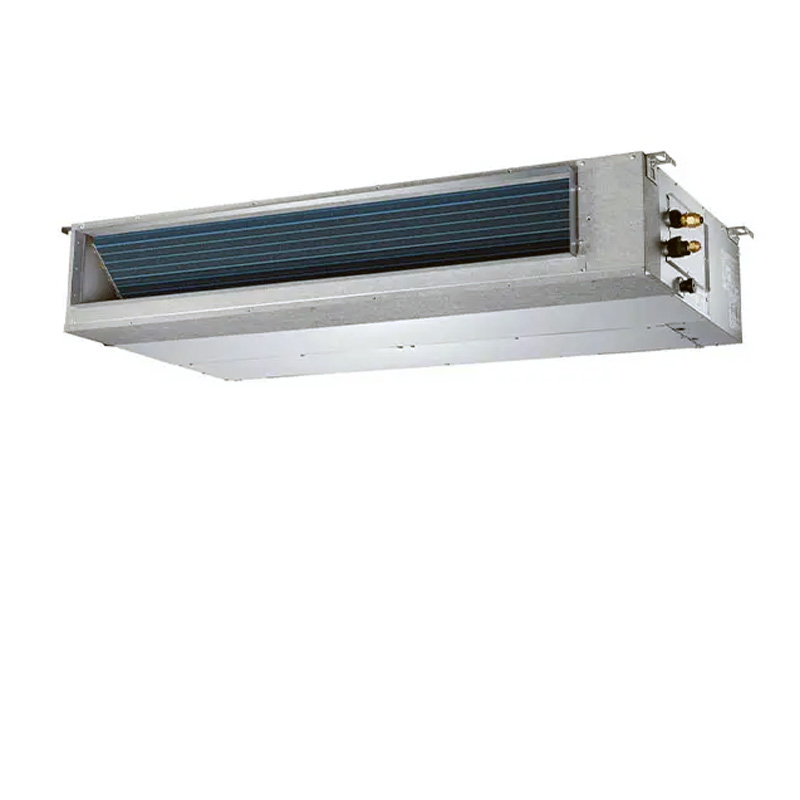
View on AC Direct see your lowest price →Check current price on AC Direct →
Key features
- 36,000 BTU single-zone heating and cooling capacity suitable for large rooms or open-plan spaces up to roughly 1,500 square feet depending on insulation
- Rated heating operation down to -22 degrees F outdoor temperature, enabling year-round use without auxiliary heat in most cold climates
- R-454B refrigerant with a lower global warming potential than legacy R-410A, aligned with current EPA transition requirements
- Inverter-driven variable-speed compressor modulates output to match load, reducing energy cycling and temperature swings
- 12-year parts and compressor warranty included at purchase with no dealer markup or registration surcharge
- Sold direct through AC Direct, bypassing dealer margin and typically undercutting comparable-spec name-brand systems on upfront cost
About this system
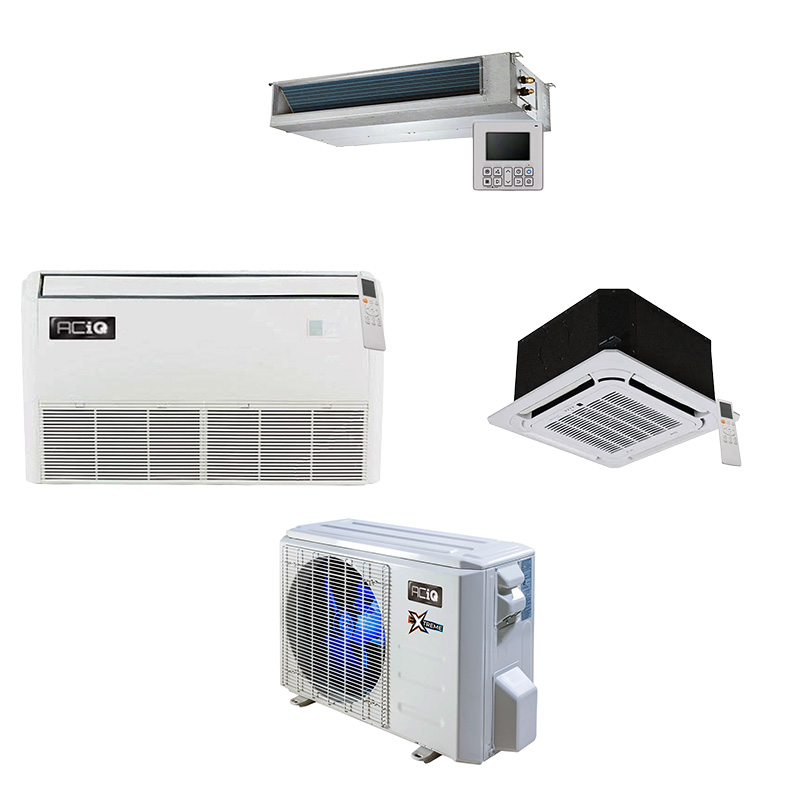
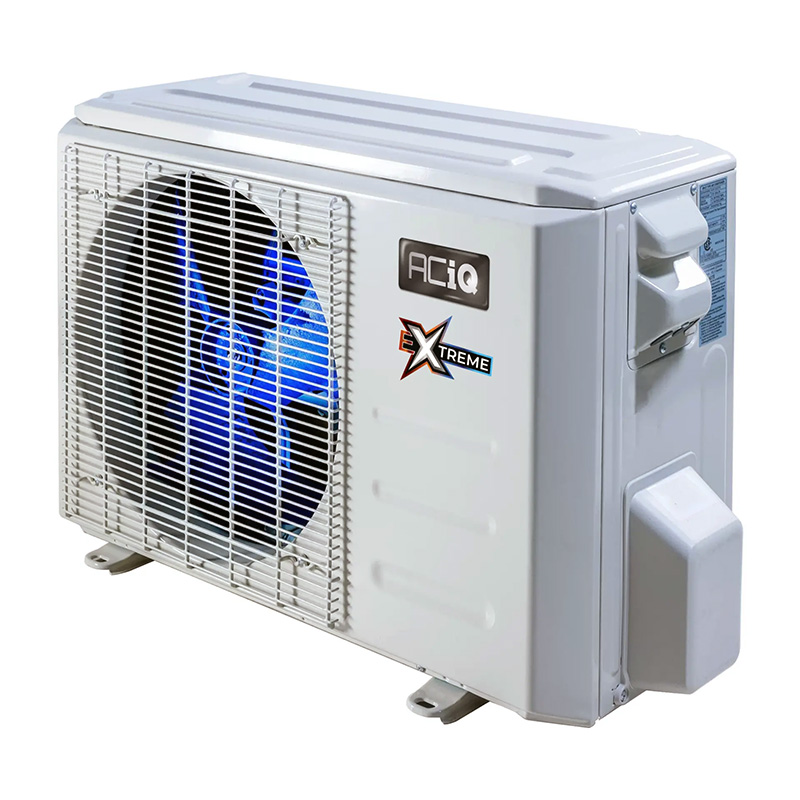
The ACiQ 36,000 BTU single-zone mini split heat pump is a 3-ton-class ductless system designed for large open spaces, detached garages, workshops, or whole-floor additions where a single outdoor unit needs to carry a serious heating and cooling load. Its headline claim is cold-climate heating performance rated down to -22 degrees F, which puts it in the same operational bracket as hyper-heat systems from premium brands and makes it a realistic year-round solution in northern climates without a backup heat source for most conditions.
The system uses R-454B refrigerant, a lower-global-warming-potential alternative to the R-410A that has dominated the residential market. That matters for long-term serviceability: R-454B is part of the industry transition mandated by EPA regulations, so technicians and equipment are increasingly aligned with it, and you are not buying into a refrigerant that will become harder to source. As a direct-sold product with no dealer markup, the ACiQ lands meaningfully below Mitsubishi, Daikin, and Fujitsu systems with comparable cold-climate specs, though that price advantage comes with trade-offs around parts traceability and service network depth.
At the 36,000 BTU size, installation complexity increases compared to smaller single-zone units. Line sets, electrical service, and wall penetrations all scale up, and the outdoor unit is physically heavier and harder to position. This is not a DIY-friendly system for most homeowners, and professional installation is strongly recommended. If your space genuinely needs 3-ton-class capacity and you want cold-climate performance without paying premium-brand prices, ACiQ’s value proposition is real, but it requires accepting a newer brand with thinner long-term data behind it.
The ACiQ 36,000 BTU cold-climate mini split delivers a compelling combination of serious heating range, <a href="https://hvac.best/glossary/variable-speed/">variable-speed</a> efficiency, and a 12-year warranty at a price point well below name-brand equivalents. The honest caveat is that the brand is relatively new, long-term reliability data is thin, and the undisclosed manufacturer makes parts sourcing and service history harder to cross-reference than it would be with a Mitsubishi or Daikin. For buyers who are cost-conscious, willing to vet a local independent contractor, and comfortable with a brand still building its track record, this system is a strong contender at the 3-ton-class level.
Overall score is the average of the five ratings above.
What we like
- Upfront cost is substantially lower than comparable cold-climate systems from Mitsubishi, Daikin, or Fujitsu with similar heating range
- Heating rated to -22 degrees F provides genuine year-round coverage in northern U.S. and Canadian climates without a backup furnace
- R-454B refrigerant positions the system for long-term serviceability as the industry moves away from R-410A
- 12-year warranty with no dealer network markup is better coverage than many name-brand systems offer at this price tier
- Inverter compressor reduces hard cycling, which early owners report translates to quieter steady-state operation and more consistent room temperatures
Trade-offs
- Brand is relatively new and Consumer Reports has not yet assigned a reliability score, so long-term durability is unproven by independent data
- The actual manufacturer is not disclosed, making it harder to cross-reference parts, service bulletins, or compressor lineage with a known OEM
- No factory dealer network means finding a qualified service technician requires vetting independent contractors yourself, which varies significantly by region
- At 36,000 BTU, installation involves heavier equipment, larger line sets, and dedicated electrical service that meaningfully raises total installed cost and complexity
What homeowners and pros say about ACiQ
Early owner feedback on ACiQ systems collected across HVAC forums and retailer review sections follows a consistent pattern: buyers report quieter-than-expected operation at steady state, performance that matches the advertised heating range in cold-weather conditions, and a support team at AC Direct that responds when problems arise. That is an encouraging signal for a newer brand. What is notably absent is the multi-year reliability data that Consumer Reports requires before assigning a ranked score, and the brand has not yet accumulated enough of that independent longitudinal record for a definitive assessment. The practical result is that buyers are making a judgment call on a brand with a promising early showing but an unverified long-term track record.
For HVAC contractors, the undisclosed manufacturer is a real friction point. When a compressor or board fails outside the warranty window on a Mitsubishi or Daikin unit, the service path is well-mapped. With ACiQ, the absence of a disclosed OEM means technicians cannot as easily cross-reference parts, look up service bulletins, or draw on accumulated field experience with a known platform. The documented concern is not that ACiQ equipment is failing at a known high rate, but that the infrastructure for servicing it at the end of its warranty life is less established than it would be with a brand that has decades of parts availability and a national contractor network behind it. For buyers who prioritize lower upfront cost and are in a region with capable independent HVAC contractors, the trade-off is manageable. For those who want the full support ecosystem, the premium brands remain the lower-friction long-term choice.
Sources: Consumer Reports heat pump ratings, HVACDirect on the ACiQ brand, AHRI Directory of Certified Product Performance, U.S. DOE appliance and equipment efficiency standards.
How it compares
| Brand | Comparable model | SEER2 | Stage | Price position |
|---|---|---|---|---|
| ACiQ | 36,000 BTU Single-Zone Cold Climate Mini Split (R-454B) | Not published in provided specs | Variable | Value pick |
| Mitsubishi | MXZ / MSZ-FS Series (Hyper-Heating INVERTER, 36K BTU) | Varies by configuration, typically mid-20s SEER2 range | Variable | Significantly higher than ACiQ |
| Daikin | Aurora Series (36K BTU single-zone cold climate) | Varies by model, typically upper-teens to low-20s SEER2 | Variable | Moderately higher than ACiQ |
| Fujitsu | Halcyon XLTH Series (36K BTU cold-climate single-zone) | Varies by configuration, typically low-to-mid 20s SEER2 | Variable | Moderately to significantly higher than ACiQ |
Competitor rows are comparable single-stage units at similar efficiency; price is relative position, not a quote.
Questions about this system
What size space can a 36,000 BTU mini split realistically heat and cool?
A rough rule of thumb is approximately 400 to 450 square feet per ton of capacity, which puts a 3-ton-class system in the 1,200 to 1,500 square foot range under average insulation conditions. Poorly insulated spaces, high ceilings, or large glass areas reduce that figure, so a proper Manual J load calculation from your installer is the only reliable way to confirm this system is appropriately sized for your specific space.
Does the -22 degrees F heating rating mean it maintains full output at that temperature?
No. Cold-climate mini splits are rated for operation down to their minimum stated temperature, but heating capacity decreases as outdoor temperatures drop. At -22 degrees F the system is still running, but it will deliver significantly less BTU output than its rated 36,000 BTU capacity, which is measured at a standard AHRI test condition. For spaces in extreme climates, discuss expected capacity curves with your installer to confirm the system can meet your load on your coldest design days.
Who actually manufactures ACiQ equipment, and does it matter for parts and service?
ACiQ is AC Direct's house brand and the underlying manufacturer has not been publicly disclosed, though forum discussion speculates a connection to the ICP and Carrier family without confirmation. It does matter practically: unlike buying a Mitsubishi or Daikin unit where OEM parts and service documentation are traceable through a known supply chain, ACiQ's undisclosed origin makes cross-referencing components harder if you need repair work outside the warranty period.
How does the 12-year warranty work, and are there registration requirements?
ACiQ markets the 12-year warranty as included without a dealer markup or separate registration fee at the time of purchase, which is a meaningful differentiator from many brands that require registration through a licensed contractor to unlock full coverage. Review the warranty documentation carefully before purchase to confirm current terms, coverage scope, and any labor exclusions, since parts-only warranties still leave the owner responsible for service labor costs.
What electrical service does a 36,000 BTU mini split require, and can a homeowner install it?
A system in this capacity class typically requires a dedicated 240-volt circuit, often in the 30 to 50 amp range depending on the unit's minimum circuit ampacity listed on the nameplate. The outdoor unit is also substantially heavier than smaller systems, and line set sizing increases at this capacity. Most jurisdictions require permits and licensed electricians and HVAC technicians for this type of installation, and even in areas where DIY is legal, the equipment size and electrical demands make professional installation the strongly recommended path.
Specifications
| Furnace output | 36000 BTU |
| Refrigerant | R-454B |