ACiQ 9000 BTU Single Zone Mini Split Heat Pump AC Wall Mounted System | 20 SEER2 | Essential Series | White | R454B
View on AC Direct see your lowest price →Check current price on AC Direct →
Key features
- 20 SEER2 inverter-driven compressor for continuous capacity modulation
- R-454B refrigerant, compliant with current and near-term EPA phase-down rules
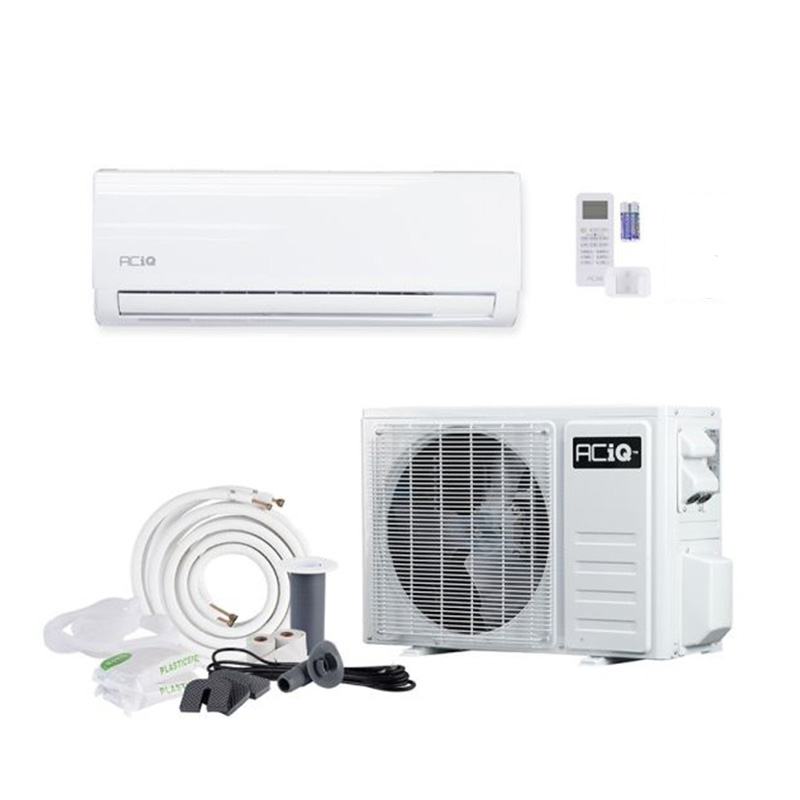
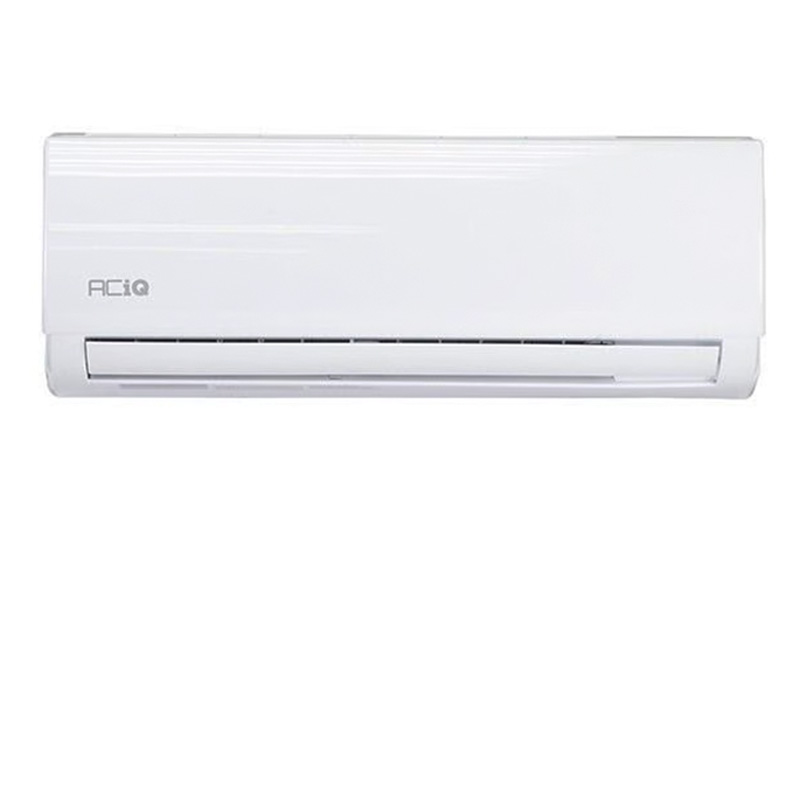
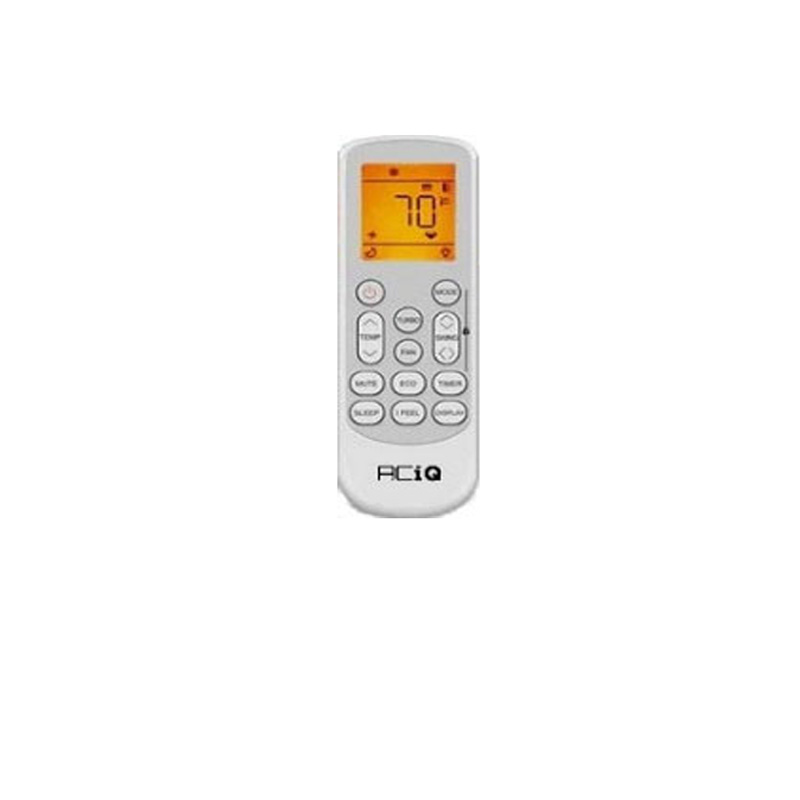
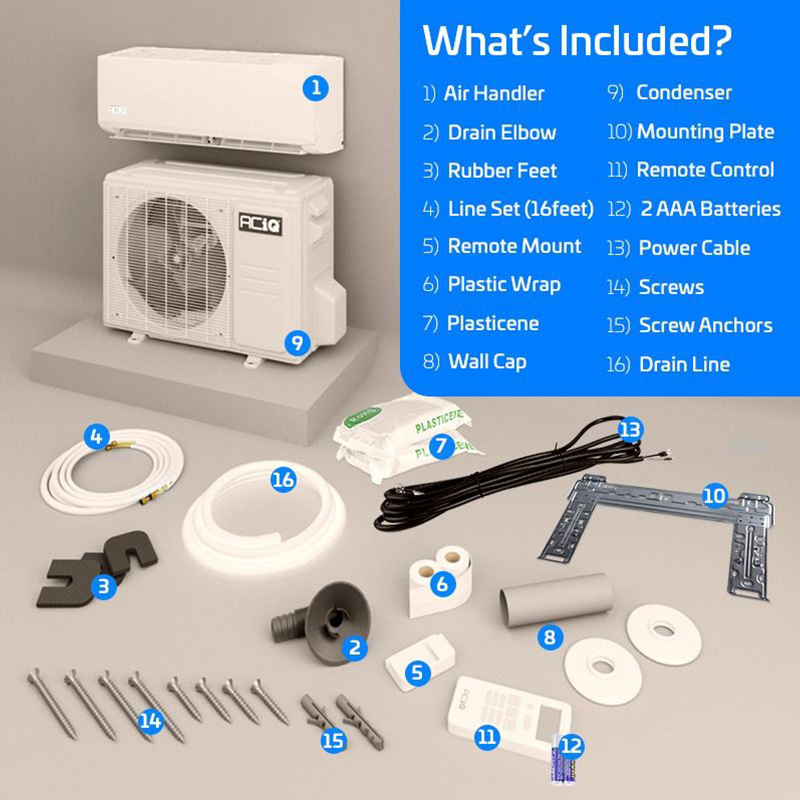
- Wall-mounted indoor air handler with remote control included
- Single-zone configuration covers small rooms and additions up to roughly 400 sq ft
- Operates as a heat pump, providing both heating and cooling from one system
- 12-year parts warranty included without dealer markup at time of purchase
About this system
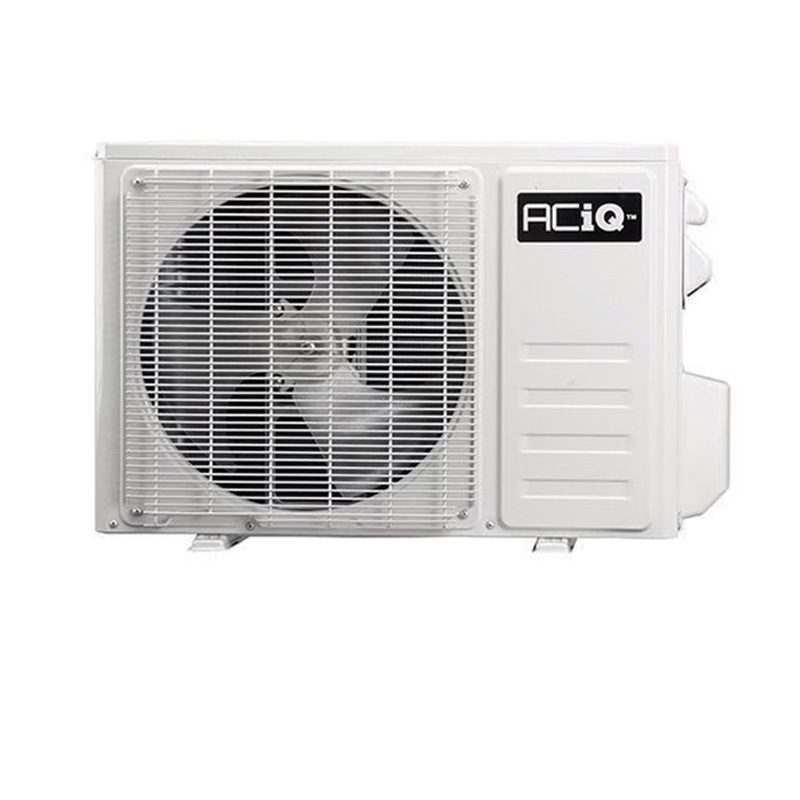
The ACiQ 9,000 BTU Single Zone Mini Split is a wall-mounted heat pump system designed for small rooms, home offices, sunrooms, or additions where extending existing ductwork is impractical or expensive. At 20 SEER2, it sits at the upper tier of efficiency for single-zone ductless equipment, meaning it will cost noticeably less to run year-round than older or lower-rated units, particularly in climates where the heat pump mode handles most of the seasonal load.
This system uses R-454B refrigerant, a lower-global-warming-potential replacement for the R-410A that is being phased down under current EPA regulations. Choosing R-454B now means the system is already compliant with near-term refrigerant rules, and replacement refrigerant should remain available and reasonably priced as the industry transitions. The inverter-driven compressor adjusts output continuously rather than cycling on and off, which is what enables both the high efficiency rating and the quiet operation that ACiQ owners frequently mention. ACiQ markets this as an Essential Series product, positioning it as a practical, no-frills option rather than a feature-heavy premium model.
The ACiQ 9,000 BTU 20 SEER2 mini split offers a legitimate efficiency rating and a strong warranty at a price that undercuts most name-brand ductless equipment by a meaningful margin. Early owner feedback is encouraging, but the brand is too new for independent long-term reliability data, and the undisclosed manufacturer creates real uncertainty if you ever need parts or specialized service. For buyers who are comfortable with that trade-off and have a qualified installer lined up, it is a reasonable choice; buyers who prioritize proven service networks should consider established brands first.
Overall score is the average of the five ratings above.
What we like
- 20 SEER2 rating puts operating costs at the efficient end of the ductless category
- R-454B refrigerant is forward-compatible with upcoming regulatory requirements
- 12-year warranty coverage is longer than most competitors offer without a registration hurdle
- Inverter technology keeps the unit quieter and more consistent than single-speed alternatives
- Direct-sale pricing undercuts Mitsubishi, Daikin, and Fujitsu comparables by a notable margin
Trade-offs
- Consumer Reports has not yet ranked ACiQ due to insufficient long-term data, so reliability is unproven at scale
- The actual manufacturer is not disclosed, which complicates parts sourcing and cross-referencing service history
- No factory dealer network means you are responsible for finding and vetting your own installer
- Essential Series branding suggests limited smart-home integration and advanced feature options compared to premium lines
What homeowners and pros say about ACiQ
Early owners of ACiQ mini splits, including this Essential Series size range, consistently highlight quiet operation and the value of the 12-year warranty as the two reasons they chose the brand over alternatives. Feedback aggregated from online HVAC forums and direct-sale review sections skews positive in the short term, with responsive customer support from AC Direct mentioned as a practical advantage over buying through a traditional dealer. That said, Consumer Reports does not yet rank ACiQ because the brand lacks the years of field data needed to assign a meaningful reliability score, and that absence is worth taking seriously rather than dismissing.
HVAC professionals who discuss ACiQ on trade forums tend to acknowledge the competitive pricing and the likely connection to a major manufacturing platform, while flagging the same concern most buyers encounter: because the actual manufacturer is not publicly disclosed, cross-referencing parts availability, service bulletins, and compressor lifespan data against known platforms is not straightforward. The documented practical risk areas for newer direct-sale mini split brands generally involve long-term compressor durability and refrigerant circuit integrity, areas where a brand with a 10-plus-year track record offers more certainty than one that is still building its field history. For a single small room where replacement cost is manageable, the ACiQ is a reasonable calculated risk; for a whole-home multi-zone installation, the calculus is less favorable.
Sources: Consumer Reports heat pump ratings, HVACDirect on the ACiQ brand, AHRI Directory of Certified Product Performance, U.S. DOE appliance and equipment efficiency standards.
How it compares
| Brand | Comparable model | SEER2 | Stage | Price position |
|---|---|---|---|---|
| ACiQ | Essential Series 9,000 BTU Single Zone | 20 | Variable | Value pick |
| Mitsubishi | M-Series MSZ-GL09NA | 19.5 | Variable | Significantly higher than ACiQ |
| Daikin | 19 Series FTXB09AXVJU | 19 | Variable | Moderately higher than ACiQ |
| Fujitsu | Halcyon XLTH RLS3H 9,000 BTU | 20.5 | Variable | Higher than ACiQ |
Competitor rows are comparable single-stage units at similar efficiency; price is relative position, not a quote.
Questions about this system
What size room is 9,000 BTU actually right for?
As a general guideline, 9,000 BTU is appropriate for spaces in the range of 300 to 400 square feet with standard ceiling heights and average insulation. Rooms with large sun-facing windows, poor insulation, or high ceilings may need more capacity, so it is worth having an installer do a proper load calculation before purchasing.
Will I be able to get this system serviced if something goes wrong, since ACiQ does not have a dealer network?
Any EPA Section 608 certified HVAC technician can work on this system, so you are not limited to brand-specific dealers. The challenge is that the underlying manufacturer is not publicly disclosed, which can make sourcing exact replacement parts or cross-referencing service bulletins harder than it would be with a Mitsubishi or Daikin unit where the supply chain is well established.
Does the 12-year warranty require registration, and does it transfer if I sell the house?
ACiQ's 12-year warranty terms should be confirmed directly with ACiQ or AC Direct at the time of purchase, since conditions and transferability can change. As a general rule with direct-sale brands, it is worth getting the warranty terms in writing before you buy rather than assuming coverage matches what is advertised.
Is R-454B refrigerant easy to find, and is it safe for a standard HVAC tech to handle?
R-454B is classified as mildly flammable (A2L), which means technicians need training and appropriate tools to handle it safely. Most equipment suppliers are stocking it as the industry transitions away from R-410A, but not every local HVAC technician may be set up for A2L refrigerants yet, so confirming your installer has the right equipment before scheduling service is a reasonable step.
How does this compare to a Mitsubishi or Daikin at the same efficiency level?
A Mitsubishi M-Series or Daikin 19-Series single-zone unit at comparable SEER2 will typically cost more upfront and offer a documented manufacturer reputation, factory-trained dealer networks, and in some cases more advanced control options. The ACiQ undercuts those brands on price and matches them on paper efficiency, but does not yet have the long-term reliability record to say definitively whether the savings hold up over a 15-year lifespan.
Specifications
| Efficiency | 20 SEER2 |
| Refrigerant | R-454B |