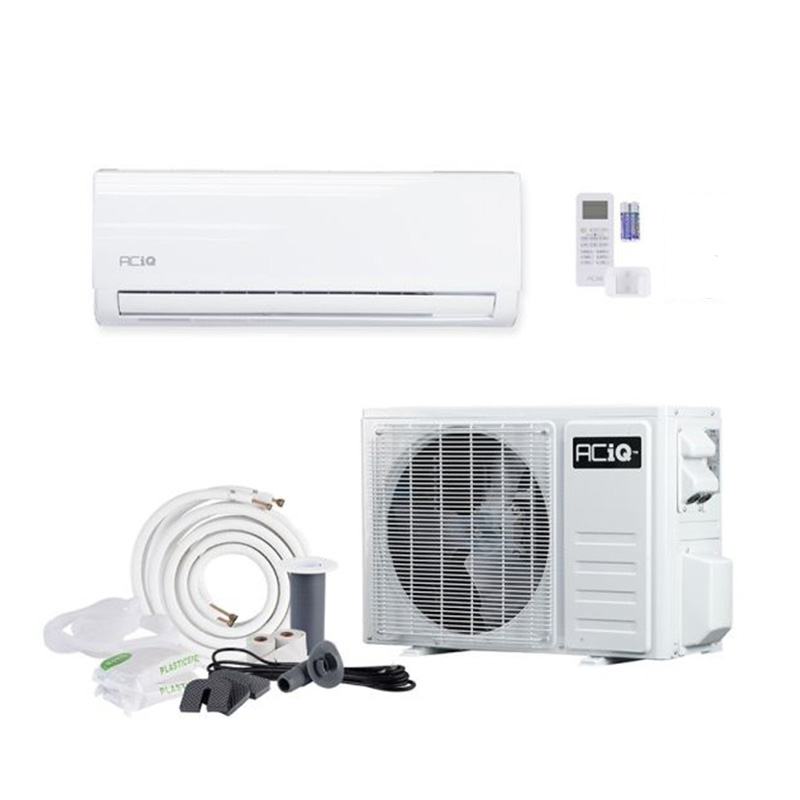
ACiQ 18000 BTU Single Zone Mini Split Heat Pump AC Wall Mounted System | 21 SEER2 | Essential Series | White | R454B
View on AC Direct see your lowest price →Check current price on AC Direct →
Key features
- 21 SEER2 inverter-driven variable-speed heat pump for year-round heating and cooling
- 18,000 BTU capacity suits rooms and open spaces up to approximately 700-900 sq ft
- R-454B refrigerant: lower global-warming-potential, EPA-compliant blend replacing R-410A
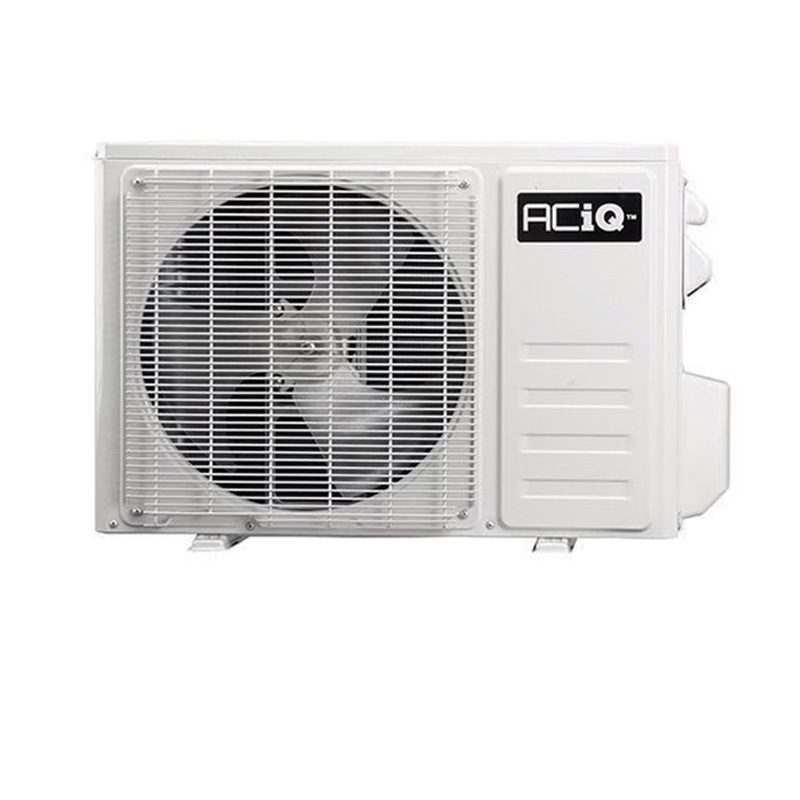
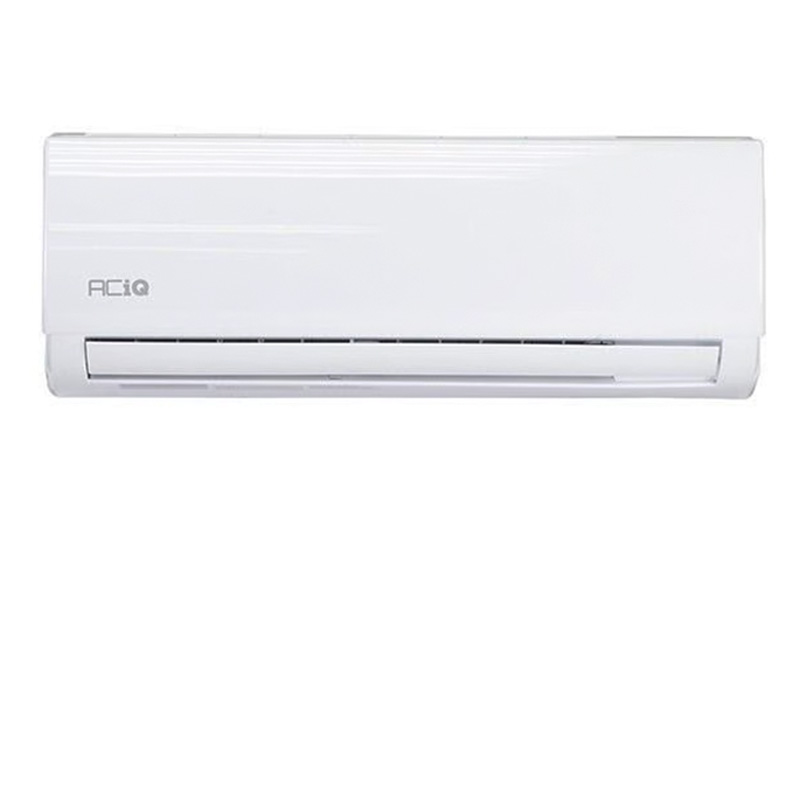
- Wall-mounted single-zone configuration with included indoor and outdoor units
- 12-year parts warranty shipped direct with no dealer markup applied
- Variable-speed compressor maintains quieter operation and more consistent temperatures than single-stage systems
About this system
The ACiQ 18,000 BTU Single Zone Mini Split is a wall-mounted ductless heat pump sized for spaces roughly 700 to 900 square feet, such as a large master bedroom, an open-plan studio, a converted garage, or a home addition. Running on R-454B refrigerant, a lower global-warming-potential replacement for R-410A, it meets current EPA requirements and positions the system for continued availability of service refrigerant as older blends are phased down. The 21 SEER2 efficiency rating sits comfortably in the high-efficiency tier, meaning it will qualify for the federal 25C energy-efficiency tax credit under current IRS guidelines, and it should produce noticeably lower operating costs compared to a standard 15 or 16 SEER2 unit.
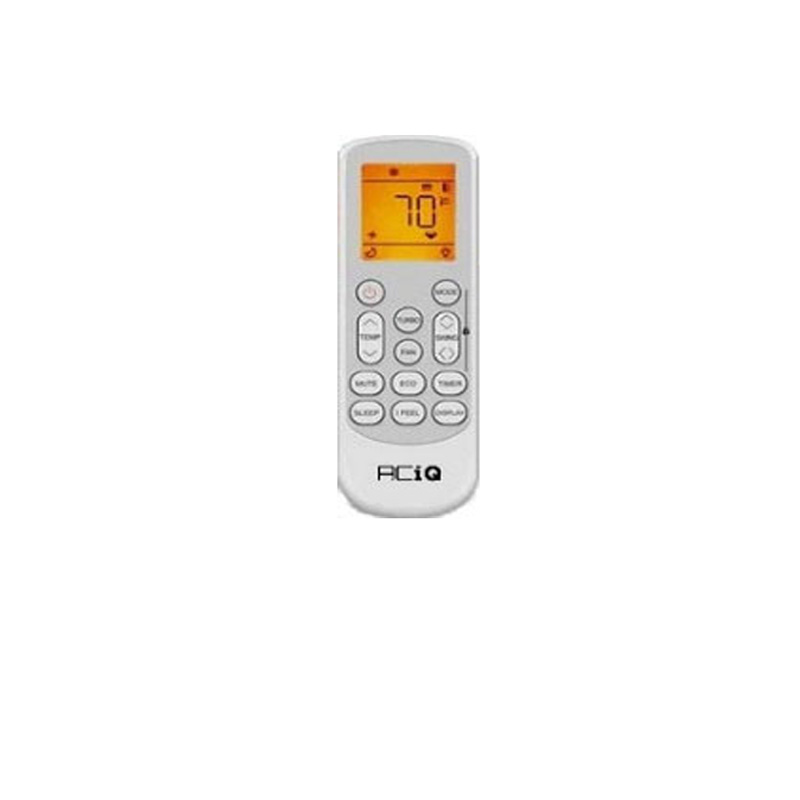
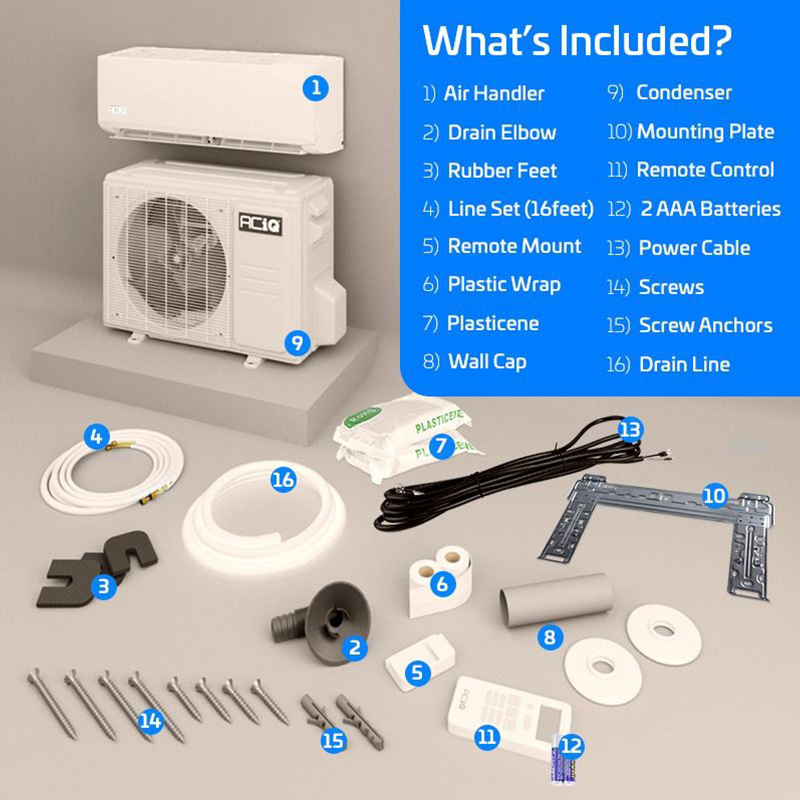
ACiQ is AC Direct’s house brand, and the Essential Series represents their straightforward, no-extras entry into the ductless category. The system uses inverter-driven, variable-speed compressor technology, so it modulates output to match the actual load rather than cycling on and off at full blast, which is why owners consistently report quiet operation and stable room temperatures. The package ships as a complete system, including the indoor air handler, outdoor condensing unit, and a wired or wireless controller, and is intended for installation by a licensed HVAC technician. If you are price-sensitive but still want inverter-class efficiency and a strong warranty, this unit competes directly with mid-tier offerings from Daikin and LG at a lower upfront cost.
The ACiQ 18,000 BTU Essential mini split delivers genuine inverter-class efficiency at a price point well below comparably rated name-brand alternatives, making it an appealing choice for budget-conscious buyers who want 21 SEER2 performance. The trade-off is real: the brand is relatively new, long-term reliability data is thin, Consumer Reports has not yet rated it, and the undisclosed manufacturer makes parts sourcing less transparent than a Mitsubishi or Daikin purchase would be. For buyers willing to accept some uncertainty in exchange for upfront savings and a solid warranty on paper, it is a credible option.
Overall score is the average of the five ratings above.
What we like
- 21 SEER2 rating qualifies for federal 25C energy-efficiency tax credit under current rules
- Inverter variable-speed compressor provides quiet operation and stable room temperatures
- 12-year parts warranty ships with the unit, not padded by dealer markup
- R-454B refrigerant is forward-compatible as R-410A phase-down continues
- Early owner feedback is consistently positive on performance and ACiQ support responsiveness
Trade-offs
- No Consumer Reports reliability ranking yet; long-term failure data is simply not available
- Undisclosed manufacturer makes cross-referencing parts, service bulletins, and compressor lineage harder than with a named brand
- No factory-authorized dealer network, so finding a contractor experienced specifically with ACiQ requires more legwork
- Brand newness means resale familiarity and appraiser recognition are lower than Mitsubishi or Daikin units
What homeowners and pros say about ACiQ
Owners who have installed ACiQ mini splits in the past one to two years tend to report that the units run quietly, hold temperature steadily, and that ACiQ’s direct customer support has been responsive when questions arise. Because the brand is relatively new to the market, Consumer Reports has not yet accumulated enough long-term data to assign it a reliability score, so the enthusiastic early reviews need to be read with that caveat in mind. HVAC forum participants who are willing to speculate on the underlying manufacturer are generally cautiously optimistic, but the lack of a disclosed production lineage means that specific documented failure patterns, such as capacitor degradation timelines, coil leak rates, or compressor longevity curves that are known quantities on Mitsubishi or Daikin units, simply cannot be cited for ACiQ with any honesty yet.
Contractors who have installed ACiQ equipment report that the units go in without unusual complications and that the equipment appears well-built at the price point, though some note that locating replacement parts or finding service documentation requires more back-and-forth with ACiQ support than they would experience with a name-brand unit whose parts cross-reference to a known manufacturer. The absence of a factory dealer network is the most consistent practical friction point professionals mention: there is no local distributor to call for a next-day part, which can extend repair timelines. For a single-zone install in a secondary space where brief downtime is tolerable and upfront cost matters, the professional consensus is that ACiQ is a reasonable calculated risk; for a primary system in a climate with extreme temperatures, most pros still recommend a brand with a deeper documented service history.
Sources: Consumer Reports heat pump ratings, HVACDirect on the ACiQ brand, AHRI Directory of Certified Product Performance, U.S. DOE appliance and equipment efficiency standards.
What it costs to run
At 21 SEER2, cooling this 18000 BTU system for a typical 1200-hour cooling season at the U.S. average electricity rate of $0.17/kWh works out to roughly $175 per year in cooling, about $99 less per year than a minimum-efficiency 13.4 SEER2 unit of the same size. Your real cost depends on your climate and local rate.
Method: (18,000 BTU/hr ÷ 21 SEER2) × 1200 hours ÷ 1000 × $0.17/kWh. Rate source: U.S. EIA average; cooling hours: moderate-climate estimate.
How it compares
| Brand | Comparable model | SEER2 | Stage | Price position |
|---|---|---|---|---|
| ACiQ | Essential Series 18,000 BTU Single Zone | 21 | Variable | Value pick |
| Daikin | Aurora 19 Series 18,000 BTU Single Zone | 20 | Variable | Moderately higher than ACiQ |
| Mitsubishi Electric | M-Series MSZ-GL18NA Single Zone | 21 | Variable | Significantly higher than ACiQ |
| LG | Art Cool Premier 18,000 BTU Single Zone | 20 | Variable | Moderately to significantly higher than ACiQ |
Competitor rows are comparable single-stage units at similar efficiency; price is relative position, not a quote.
Questions about this system
Does this unit qualify for the federal 25C tax credit?
At 21 SEER2, this heat pump meets the efficiency threshold required under the federal 25C energy-efficiency tax credit as currently structured, potentially covering 30 percent of equipment and installation costs up to the annual cap. You should confirm your specific situation with a tax professional, since eligibility also depends on the property being your primary residence and the installation being performed by a licensed contractor.
Who actually manufactures this unit, and does it matter for parts and service?
ACiQ is AC Direct's house brand, and the underlying manufacturer has not been publicly disclosed; forum speculation points toward the ICP and Carrier family, but this is unconfirmed. It matters practically because a technician cannot easily cross-reference ACiQ part numbers against a known manufacturer's service database, which can slow down repairs compared to a unit from Mitsubishi or Daikin where the lineage is transparent.
Can I install this myself to save money?
The physical line-set and electrical work on any mini split requires an EPA 608-certified technician to handle refrigerant, and most local codes require a licensed HVAC contractor for both the mechanical and electrical connections. Attempting a DIY installation typically voids the warranty and may fail local inspection, so professional installation is strongly recommended here.
How does this compare to Daikin or Mitsubishi at a similar efficiency rating?
A comparably rated Daikin or Mitsubishi single-zone 18,000 BTU unit at 20 to 21 SEER2 will typically cost meaningfully more upfront but comes with decades of documented reliability data, factory-trained service networks, and well-established parts availability. The ACiQ trades that track record for a lower purchase price and a strong warranty on paper; which is the better deal depends on how much weight you place on documented long-term reliability versus upfront cost.
What happens if I need warranty service and cannot find a contractor familiar with ACiQ?
ACiQ sells direct and does not have a factory-authorized dealer network, so warranty service runs through independent HVAC contractors rather than a dedicated service chain. ACiQ's support team can help coordinate, and early owner reports describe their customer service as responsive, but the onus is on you to find a willing local contractor, which is less seamless than calling a Mitsubishi or Daikin dealer.
Specifications
| Efficiency | 21 SEER2 |
| Furnace output | 18000 BTU |
| Refrigerant | R-454B |