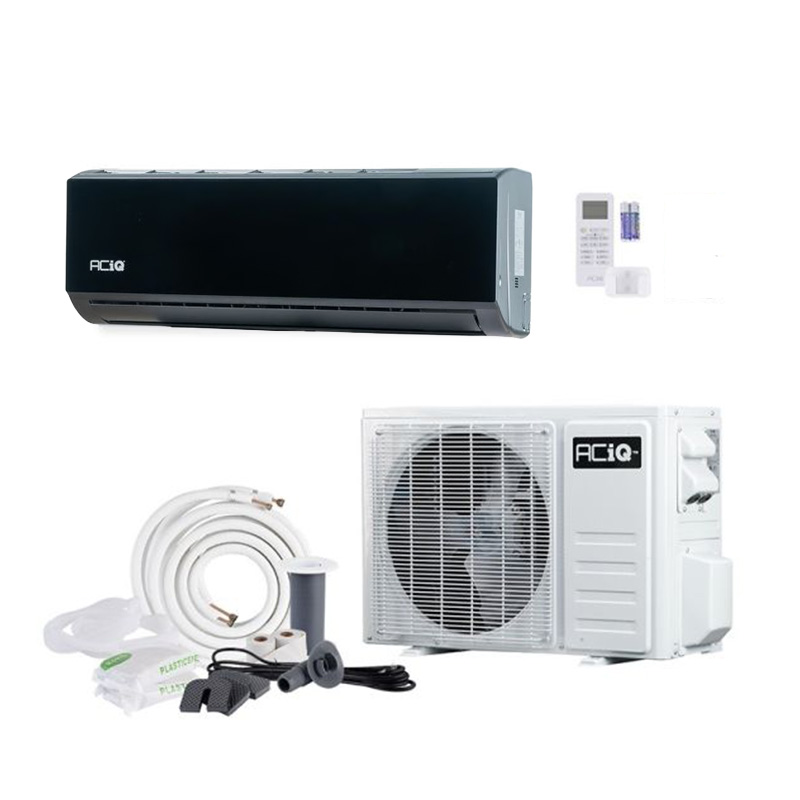
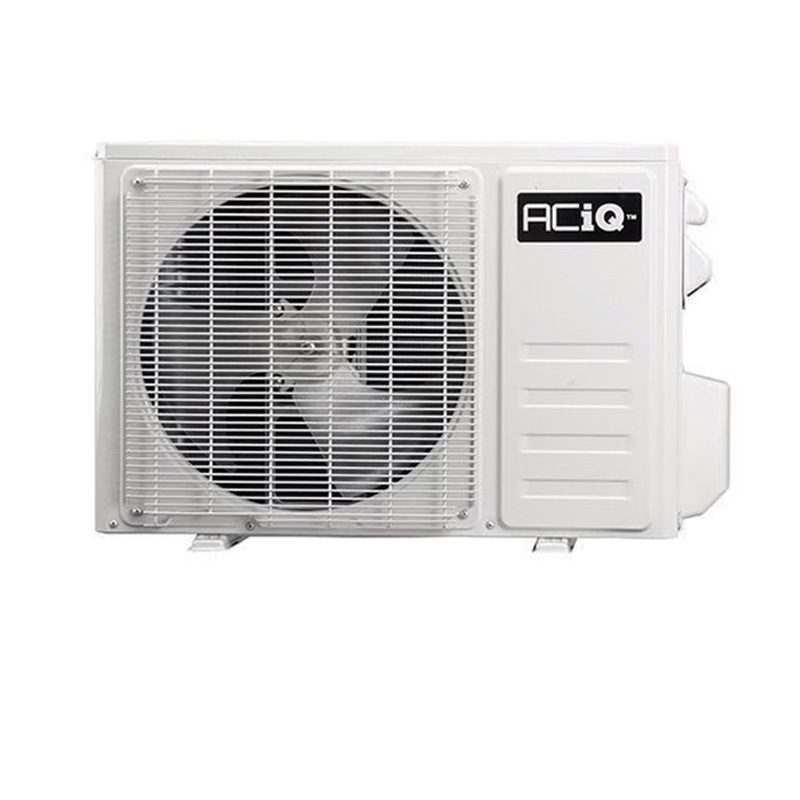
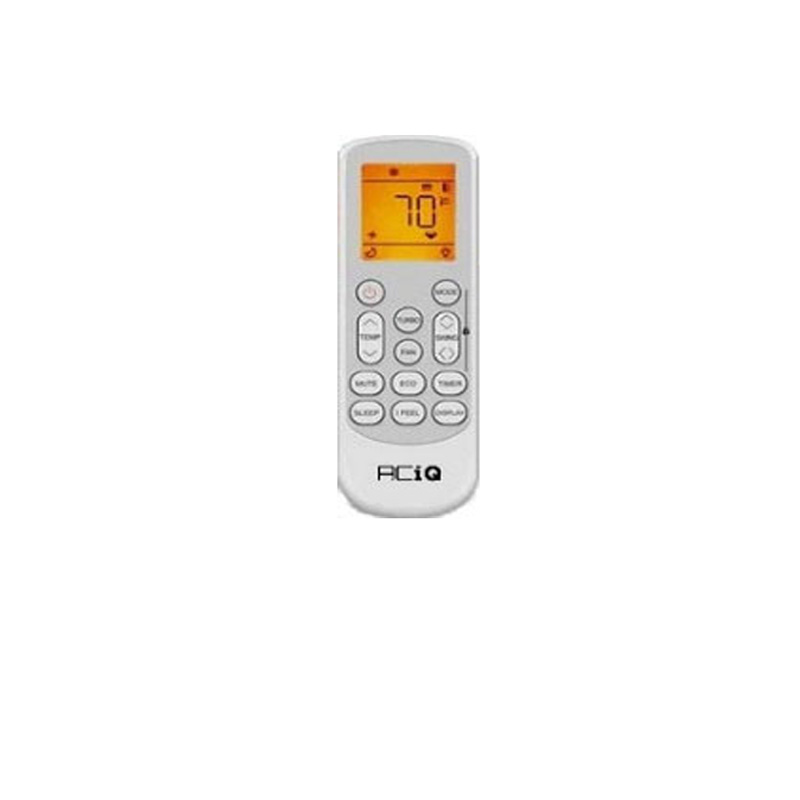
ACiQ 9000 BTU Single Zone Mini Split Heat Pump AC Wall Mounted System | 20 SEER2 | Essential Series | Black | R454B
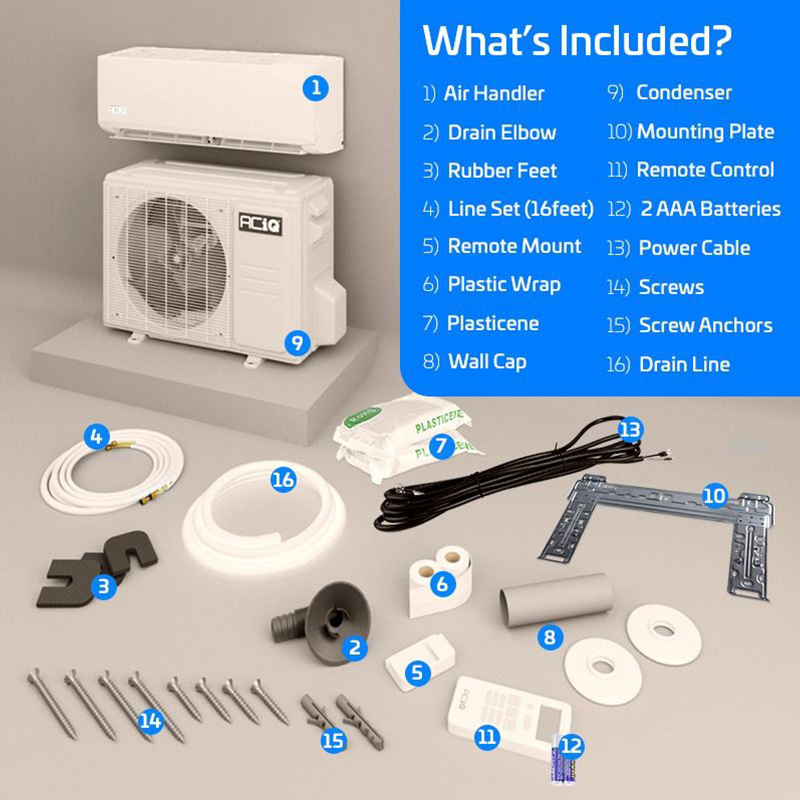
View on AC Direct see your lowest price →Check current price on AC Direct →
Key features
- 20 SEER2 inverter-driven heat pump for both cooling and heating
- R-454B low-GWP refrigerant, compliant with current and anticipated EPA phase-down rules
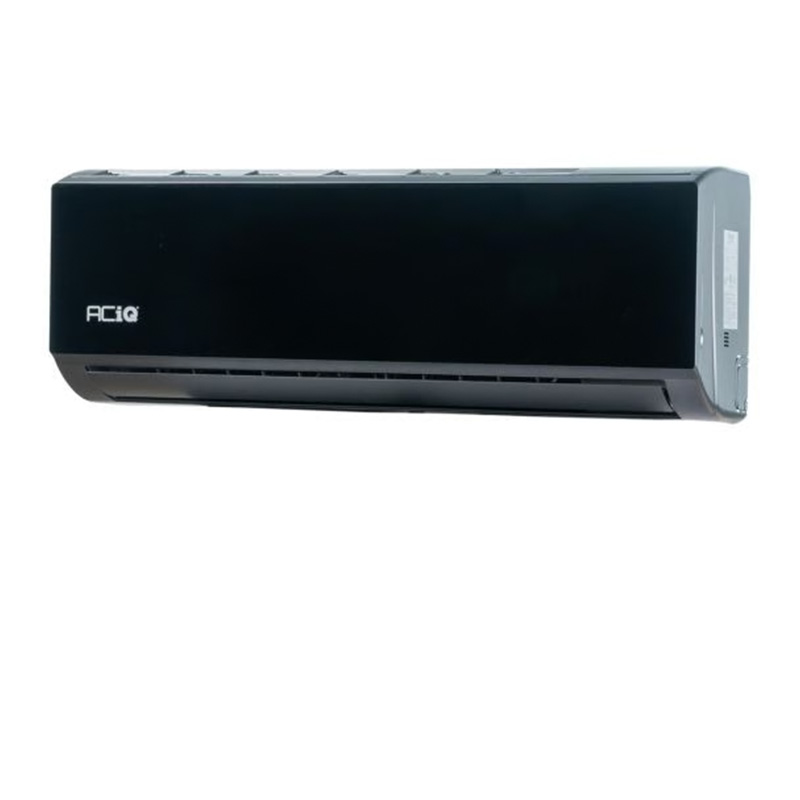
- Black wall-mounted indoor unit for design-forward or dark-themed interiors
- Single-zone configuration sized at 9,000 BTU for rooms up to roughly 350-450 sq ft
- 12-year parts and compressor warranty included with registration, no dealer markup required
- Sold direct through AC Direct, bypassing traditional dealer distribution costs
About this system
The ACiQ 9,000 BTU Single Zone Mini Split is a wall-mounted ductless heat pump sized for smaller spaces: a home office, a guest bedroom, a sunroom addition, or a garage workshop that needs year-round comfort control. At 20 SEER2, it sits at the upper tier of efficiency for single-zone mini splits, meaning it qualifies for federal tax credits under the Inflation Reduction Act and will noticeably trim monthly cooling and heating bills compared to window units or older mini splits in the 15-17 SEER2 range. The black finish is a deliberate design choice for buyers who find the standard white cassette visually disruptive against dark accent walls or exposed-beam ceilings.
Under the hood, this unit uses R-454B refrigerant, a lower global-warming-potential alternative to the R-410A that dominated the market for two decades and is now being phased out under EPA regulations. That future-proofed refrigerant choice matters if you plan to own this system for ten or more years, since servicing R-410A equipment will become progressively more expensive as the refrigerant is restricted. The inverter-driven compressor varies its output rather than cycling on and off at full power, which is the main reason the efficiency numbers are competitive and the unit runs quietly at steady-state conditions. ACiQ sells direct through AC Direct, cutting out dealer markup, which is the primary reason the price undercuts Mitsubishi, Daikin, and Fujitsu units with similar efficiency ratings.
The ACiQ 9,000 BTU 20 SEER2 in black is a genuinely competitive ductless option for buyers who want premium efficiency and an understated aesthetic without the premium brand price. The trade-off is that ACiQ is still a young brand without the long-term reliability record that Mitsubishi or Daikin can point to, and the direct-sale model means finding a qualified service technician familiar with the equipment takes more effort than with brands that maintain dealer networks. For the right buyer who does that homework upfront, the value case is strong.
Overall score is the average of the five ratings above.
What we like
- 20 SEER2 efficiency qualifies for federal tax credits and reduces operating costs meaningfully versus lower-tier units
- R-454B refrigerant is future-proofed against the ongoing R-410A phase-down, lowering long-term service cost risk
- Black finish is genuinely rare in residential mini splits at this price point, offering a real aesthetic option
- 12-year warranty with no dealer markup required is longer than most competitors in this price segment
- Early owner reports consistently cite quiet operation and responsive customer support from AC Direct
Trade-offs
- Brand is relatively new and Consumer Reports has not yet assigned a reliability score due to insufficient long-term data
- The actual manufacturer is undisclosed, making it harder to cross-reference parts availability or service history
- No proprietary dealer network means you must source and vet your own installing and servicing contractor
- Long-term compressor and coil durability remain unproven compared to Japanese brands with decades of field data
What homeowners and pros say about ACiQ
Owners who have installed ACiQ mini splits in the past one to two years generally report satisfaction with day-to-day performance, calling out quiet operation at low fan speeds and quicker-than-expected cooling response as consistent highlights. AC Direct’s customer support gets favorable mentions for responsiveness during ordering and early troubleshooting. Because the brand is newer to the market, Consumer Reports has not yet gathered enough long-term data to assign a formal reliability score, which means the positive early feedback, while encouraging, does not yet carry the same weight as the multi-year reliability surveys available for Mitsubishi or Daikin. That gap in independent long-term data is the most honest caveat a buyer should hold onto.
HVAC technicians working on ACiQ equipment note that the undisclosed manufacturer relationship complicates parts sourcing when a repair falls outside the warranty window. The specific failure modes most discussed in trade forums for newer direct-sale brands of this type center on compressor longevity at the far end of the warranty period, coil integrity under sustained humid conditions, and capacitor wear in climates with high cycling demand. None of these have been documented as systematic ACiQ-specific problems at this stage, but because the brand lacks the decades of field data that would let technicians predict failure curves, those are the areas a servicing contractor will watch most closely. Buyers who pre-qualify a local contractor familiar with the equipment before purchasing are in a considerably stronger position than those who treat service as an afterthought.
Sources: Consumer Reports heat pump ratings, HVACDirect on the ACiQ brand, AHRI Directory of Certified Product Performance, U.S. DOE appliance and equipment efficiency standards.
How it compares
| Brand | Comparable model | SEER2 | Stage | Price position |
|---|---|---|---|---|
| ACiQ | Essential Series 9,000 BTU Single Zone Black | 20 | Variable (inverter) | Value pick |
| Mitsubishi | M-Series MSZ-GL09NA2 | 19.5 | Variable (inverter) | Significantly higher than ACiQ |
| Daikin | 17 Series FTXB09AXVJU | 17 | Variable (inverter) | Moderately higher than ACiQ |
| Fujitsu | Halcyon XLTH RLS3H 9RLS3H | 20.5 | Variable (inverter) | Substantially higher than ACiQ |
Competitor rows are comparable single-stage units at similar efficiency; price is relative position, not a quote.
Questions about this system
Does the black finish cost more to maintain or fade over time compared to a standard white unit?
ACiQ does not publish specific UV-resistance ratings for the black finish, so long-term color stability in direct sunlight is not independently verified. For an indoor wall-mounted unit in typical interior conditions, fading is unlikely to be a practical concern, but buyers installing in sun-drenched rooms with large windows should factor in that uncertainty.
Will this unit work with R-454B refrigerant I can source myself, or do I need a certified technician?
R-454B is an A2L mildly flammable refrigerant, which under EPA Section 608 rules must be handled by a certified HVAC technician. You cannot legally purchase or handle it yourself, and local codes in many jurisdictions require additional precautions for A2L refrigerants during installation and service.
The manufacturer is not disclosed. How do I find replacement parts if I need them in seven or eight years?
AC Direct is the point of contact for parts and warranty claims, and the 12-year warranty provides coverage for that window. The practical risk is that if the brand or its direct-sales channel were ever discontinued, cross-referencing parts to the actual manufacturer becomes difficult because the OEM relationship is not publicly confirmed, which is a legitimate concern worth weighing against the lower upfront price.
Is 9,000 BTU enough for my 400-square-foot room?
A rough industry guideline is 20-25 BTU per square foot for average insulation and ceiling height, which puts 9,000 BTU at the right range for approximately 360-450 square feet. Rooms with high ceilings, poor insulation, large west-facing windows, or significant heat-generating equipment will need a Manual J load calculation to confirm sizing rather than relying on square-footage rules of thumb.
Does this system qualify for the federal Inflation Reduction Act tax credit?
The IRA energy-efficiency tax credit for heat pumps requires a minimum efficiency threshold that 20 SEER2 meets, but the credit is applied at the household level with annual caps, and you must use IRS Form 5695. You should confirm current eligibility requirements with a tax professional, since program rules can change and ACiQ's specific AHRI certification numbers should be verified before filing.
Specifications
| Efficiency | 20 SEER2 |
| Refrigerant | R-454B |