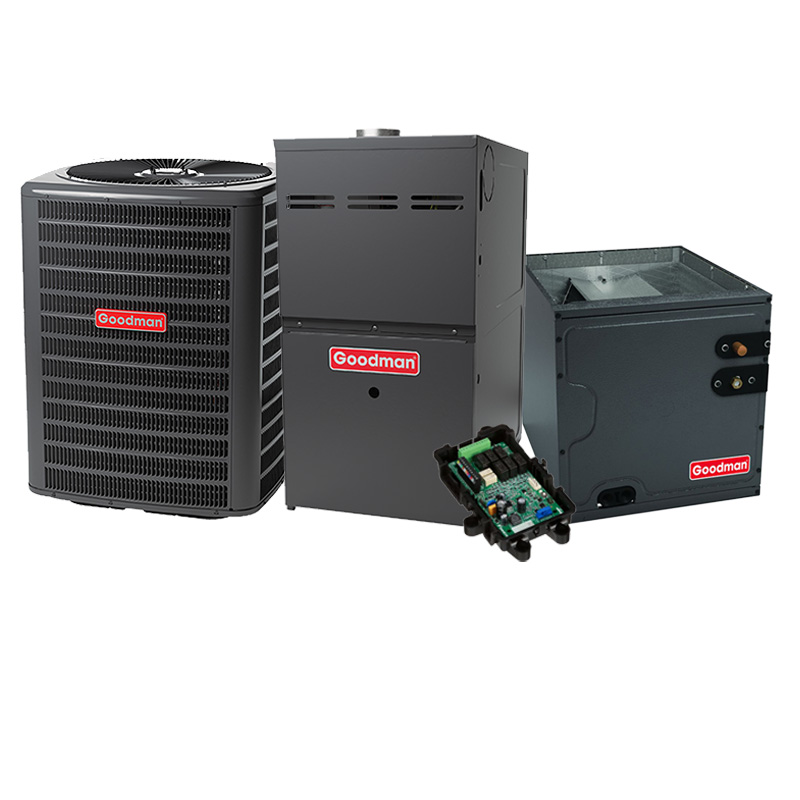
Goodman 2.5 Ton 13.8 SEER2 80000 BTU 80% Gas Furnace With R32 Air Conditioning Condenser And Coil System – Upflow
View on AC Direct see your lowest price →Check current price on AC Direct →
Key features
- 2.5-ton cooling capacity with 13.8 SEER2 efficiency rating
- 80,000 BTU upflow gas furnace at 80% AFUE
- R-32 refrigerant with lower global-warming potential than R-410A
- Matched condenser, evaporator coil, and furnace sold as a rated system bundle
- Upflow configuration compatible with basement and utility-closet installs with overhead duct systems
- Single-stage operation on both heating and cooling
About this system
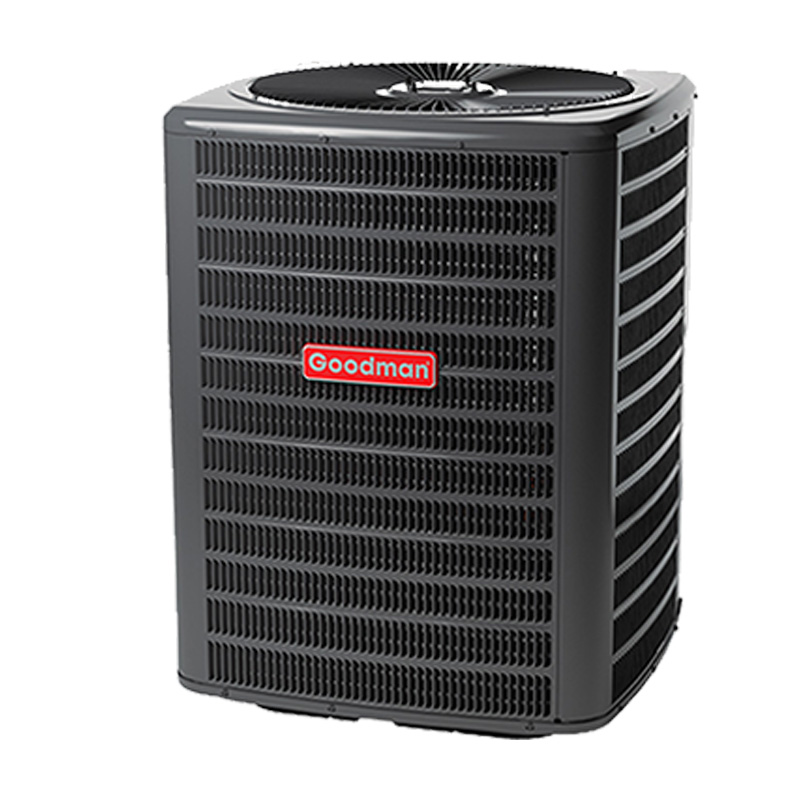
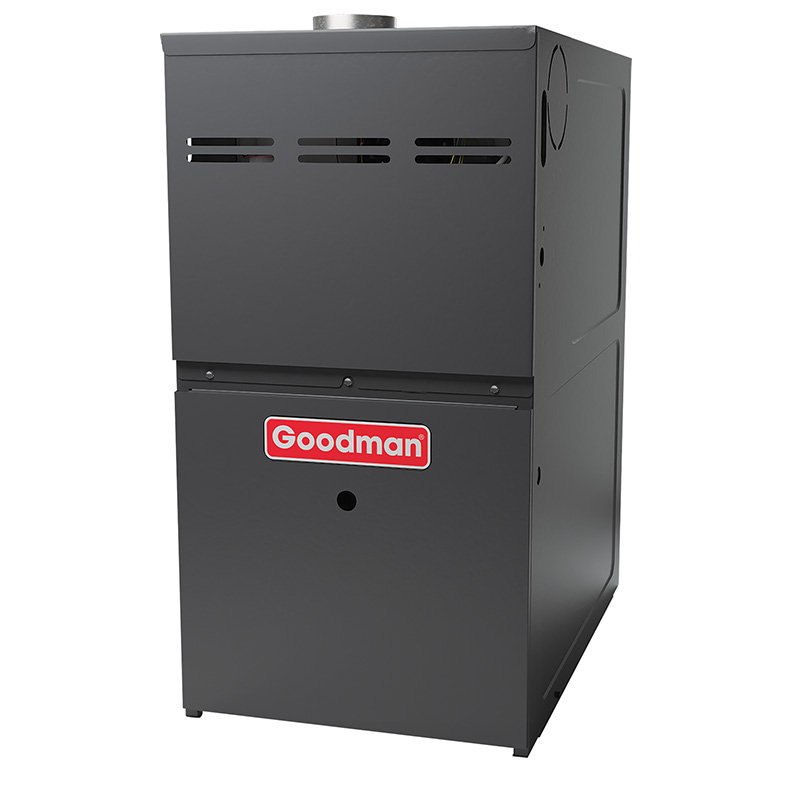
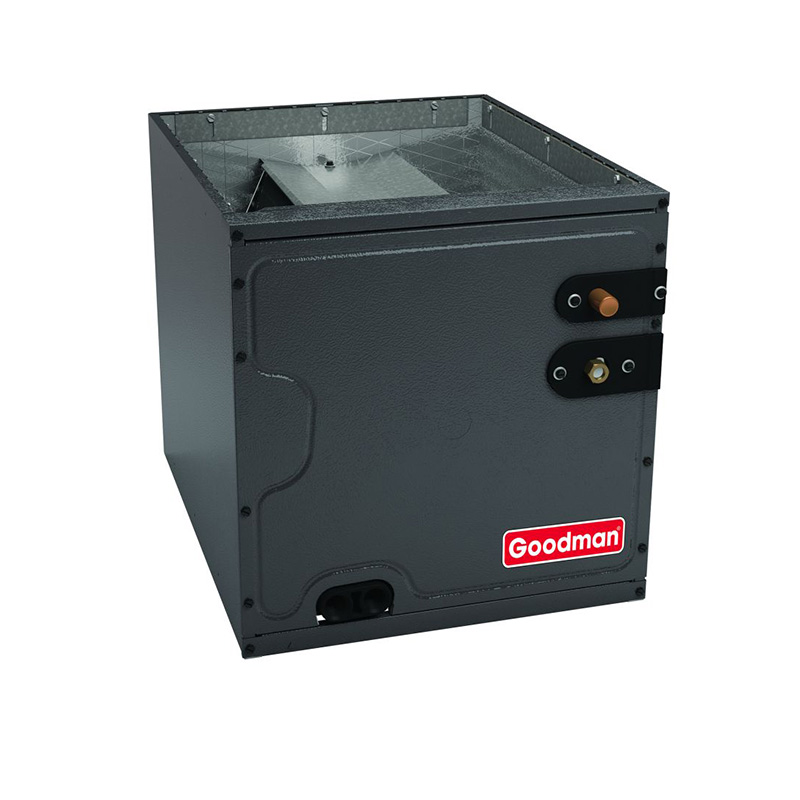
This Goodman bundle pairs a 2.5-ton R-32 air conditioning condenser and matching evaporator coil with an 80,000 BTU, 80% AFUE upflow gas furnace, giving you a complete heating and cooling system in a single purchase. The 13.8 SEER2 rating lands just above the federal minimum for most U.S. climate zones, which means it meets code without the premium price tag of higher-efficiency tiers. R-32 refrigerant has a lower global-warming potential than the R-410A it replaces and is increasingly the industry standard, so parts and service compatibility should remain strong for years to come. The upflow configuration suits the most common residential installation scenario: a furnace sitting in a basement or utility closet blowing conditioned air upward into overhead ductwork.
At 2.5 tons, this system is sized for roughly 1,200 to 1,600 square feet of well-insulated living space, though a proper Manual J load calculation by your installer is the only reliable way to confirm fit. The 80% AFUE furnace means one-fifth of the fuel you burn goes up the flue rather than into your home, which is the baseline efficiency tier and a reasonable trade-off in mild-to-moderate heating climates. Homeowners in very cold climates, or those with high gas rates, may find the jump to a 96% AFUE unit pays back over time. As a bundled system, the components are matched and rated together, which simplifies permitting and helps ensure the warranty is not voided by mismatched equipment.
This Goodman bundle is a competent entry-level system that delivers reliable baseline efficiency at a price meaningfully below comparable Carrier, Trane, or Lennox configurations. It is not a long-life premium investment, and the real-world durability you get will depend heavily on how well it is installed and maintained. Buyers who want lower upfront cost and accept the trade-off of higher odds of mid-life component repairs will find it a reasonable fit.
Overall score is the average of the five ratings above.
What we like
- Purchase price runs roughly 15 to 25 percent below comparable Trane, Lennox, and Carrier systems
- Matched system bundle simplifies permitting and protects warranty coverage
- R-32 refrigerant is forward-compatible with the direction the industry is heading
- Upflow furnace configuration covers the most common residential install scenario
- 13.8 SEER2 meets current federal minimums, keeping first-year operating costs predictable
Trade-offs
- Single-stage operation on both heating and cooling means less humidity control and more on-off cycling than two-stage or variable-speed systems
- 80% AFUE is the minimum efficiency tier; high-gas-cost or cold-climate households will see a longer payback on fuel bills compared to a 96% unit
- Documented failure points include dual-run capacitors, evaporator coil leaks, and compressor lifespans that average 10 to 14 years versus 15 to 20 for premium brands
- Performance is heavily install-dependent; a poor setup or incorrect refrigerant charge can accelerate every known failure mode
What homeowners and pros say about Goodman
Homeowners who chose Goodman equipment most often point to the lower upfront cost as the reason they went with it, and that sentiment shows up clearly in Google dealer review averages that sit around 3.8 out of 5. Where the feedback gets more complicated is around the 7-to-10-year mark, which matches the pattern on ConsumerAffairs, where the brand averages roughly 2.5 out of 5 and the recurring complaint is unexpected repair bills. The failure modes that show up most in owner accounts are consistent: dual-run capacitors failing (a relatively inexpensive fix in the 300 to 600 dollar range), evaporator coil leaks requiring more involved service, and compressor lifespans that tend to average 10 to 14 years rather than the 15 to 20 years owners of premium brands report. A small but notable share of owners also report refrigerant leaks within the first year, which technicians typically attribute to installation error or an improper charge rather than a manufacturing defect.
On the installer side, HVAC technicians tend to have a nuanced view of Goodman equipment. The consensus is that a properly installed Goodman system will perform close to expectations for its efficiency class, but that the margin for error is smaller than with Trane, Carrier, or Lennox. Technicians consistently flag install quality as the single biggest variable in how long one of these systems lasts, which means the contractor you hire matters as much as the equipment itself. For this specific bundle, that means verifying R-32 certification, confirming a Manual J load calculation is part of the scope, and discussing a maintenance plan before the first cooling season begins.
Sources: ConsumerAffairs Goodman owner reviews, AHRI Directory of Certified Product Performance, U.S. DOE appliance and equipment efficiency standards, Goodman product specification sheets.
What it costs to run
At 13.8 SEER2, cooling this 2.5-ton system for a typical 1200-hour cooling season at the U.S. average electricity rate of $0.17/kWh works out to roughly $443 per year in cooling, about $14 less per year than a minimum-efficiency 13.4 SEER2 unit of the same size. Your real cost depends on your climate and local rate.
Method: (30,000 BTU/hr ÷ 13.8 SEER2) × 1200 hours ÷ 1000 × $0.17/kWh. Rate source: U.S. EIA average; cooling hours: moderate-climate estimate.
How it compares
| Brand | Comparable model | SEER2 | Stage | Price position |
|---|---|---|---|---|
| Goodman | 2.5T 13.8 SEER2 / 80K BTU 80% Upflow Bundle | 13.8 | Single-stage | Value pick |
| Carrier | Comfort 24ACC6 Condenser with 58CV Furnace Bundle | 14.0 | Single-stage | Moderately higher than Goodman |
| Trane | XR14c Condenser with S8X1 Furnace Bundle | 14.0 | Single-stage | Moderately higher than Goodman |
| Lennox | Merit ML14XC1 Condenser with ML180 Furnace Bundle | 14.3 | Single-stage | Higher than Goodman, typically at the top of the entry-level tier |
Competitor rows are comparable single-stage units at similar efficiency; price is relative position, not a quote.
Questions about this system
Does the 13.8 SEER2 rating meet current federal efficiency requirements in my region?
13.8 SEER2 meets or exceeds the federal minimums that took effect in 2023 for most U.S. climate regions. However, the Southwest (SEER2 Region 3) has a higher minimum of 14.3 SEER2 for split systems, so confirm your local requirement before purchasing. Your installing contractor can verify compliance.
Why does Goodman score so low on ConsumerAffairs but higher on Google dealer reviews?
ConsumerAffairs scores around 2.5 out of 5 for Goodman because that platform attracts a disproportionate share of frustrated owners, and the recurring theme is repair costs climbing after roughly year 7. Google dealer reviews average around 3.8 out of 5, with affordability cited most often as a positive. Neither score should be ignored; together they paint a picture of a brand that competes on price but carries above-average mid-life repair risk.
What is the most likely repair I should budget for down the road?
The most commonly reported failure on Goodman equipment is the dual-run capacitor, which typically costs between 300 and 600 dollars to diagnose and replace and is considered a straightforward repair. Evaporator coil leaks and refrigerant issues are also documented in owner feedback and tend to be more expensive to address, so a service agreement is worth considering.
Is R-32 refrigerant harder to service than the R-410A I had in my old system?
R-32 requires technicians to use equipment rated for mildly flammable refrigerants (A2L classification), and not every HVAC shop is fully equipped yet. That said, R-32 adoption is growing quickly and should be broadly serviceable within the next few years. Ask your contractor specifically whether they are certified and equipped to work with R-32 before booking the install.
Can I install this system myself to save on labor costs?
Refrigerant work legally requires an EPA 608 certification, and most localities require a licensed HVAC contractor to pull permits for a furnace installation as well. Beyond the legal requirements, Goodman's own documentation ties warranty coverage to proper professional installation, and technicians consistently identify install quality as the single biggest factor in how long these systems last. DIY installation is not advisable for this equipment.
Specifications
| Cooling capacity | 2.5 Ton |
| Efficiency | 13.8 SEER2 |
| Furnace output | 80000 BTU |
| Configuration | Upflow |
| Refrigerant | R-32 |