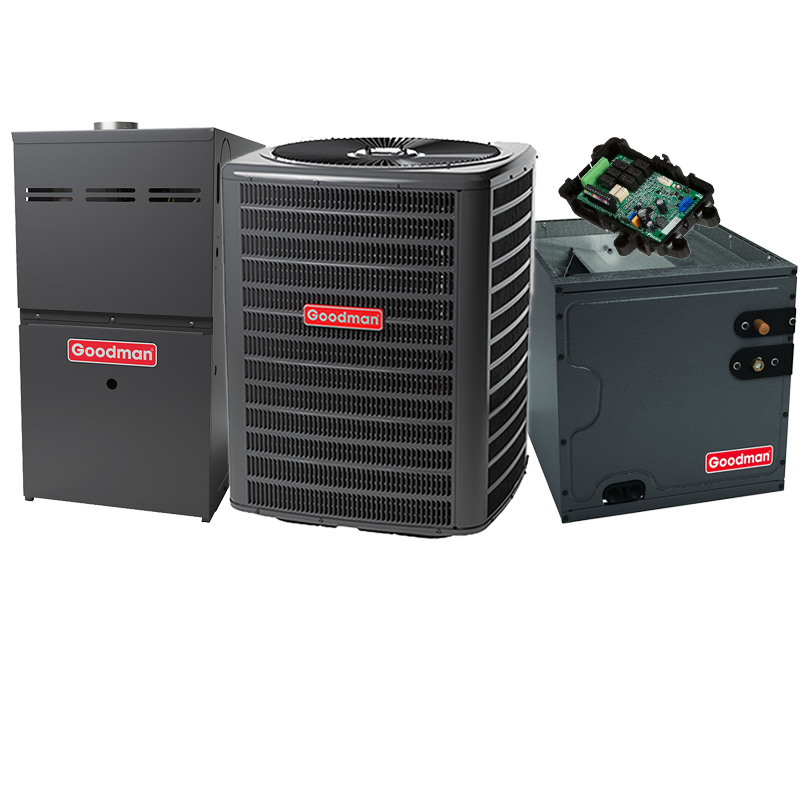
Goodman 1.5 Ton 14 SEER2 40000 BTU 80% Two-Stage Gas Furnace With R32 Air Conditioner Condenser And Coil System – Upflow
View on AC Direct see your lowest price →Check current price on AC Direct →
Key features
- 1.5-ton cooling capacity paired with a 40,000 BTU two-stage gas furnace in a single matched system
- 14 SEER2 efficiency rating meets current federal minimums for northern U.S. climates
- R-32 refrigerant with a global warming potential roughly 68% lower than R-410A
- Two-stage furnace operation reduces temperature swings and lowers noise on most heating cycles
- Upflow configuration designed for basement or floor-level mechanical rooms with overhead ductwork
- Factory-matched coil and condenser simplify warranty claims and reduce charge-related install errors
About this system
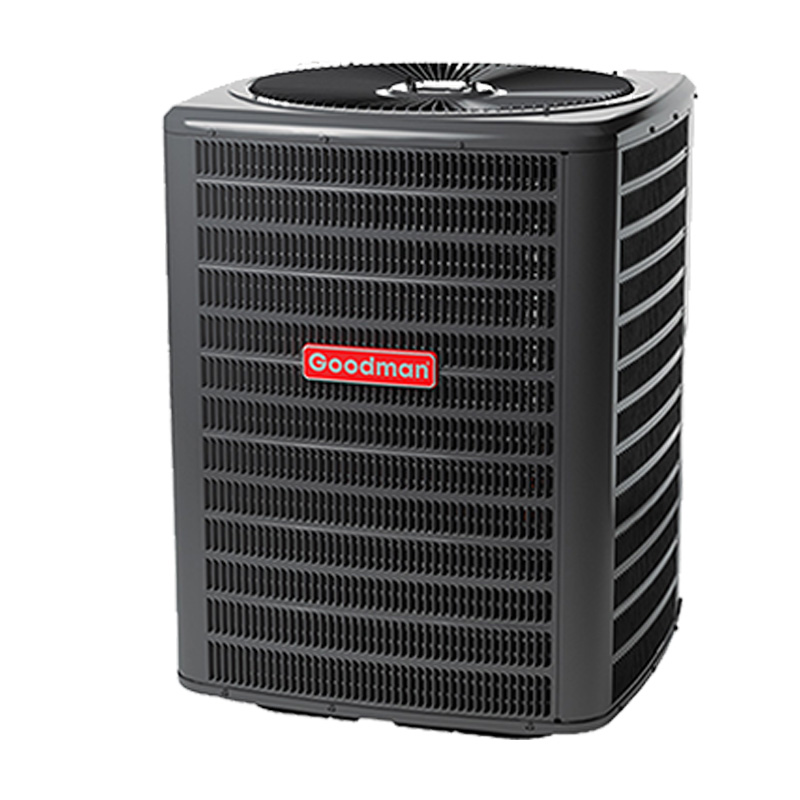
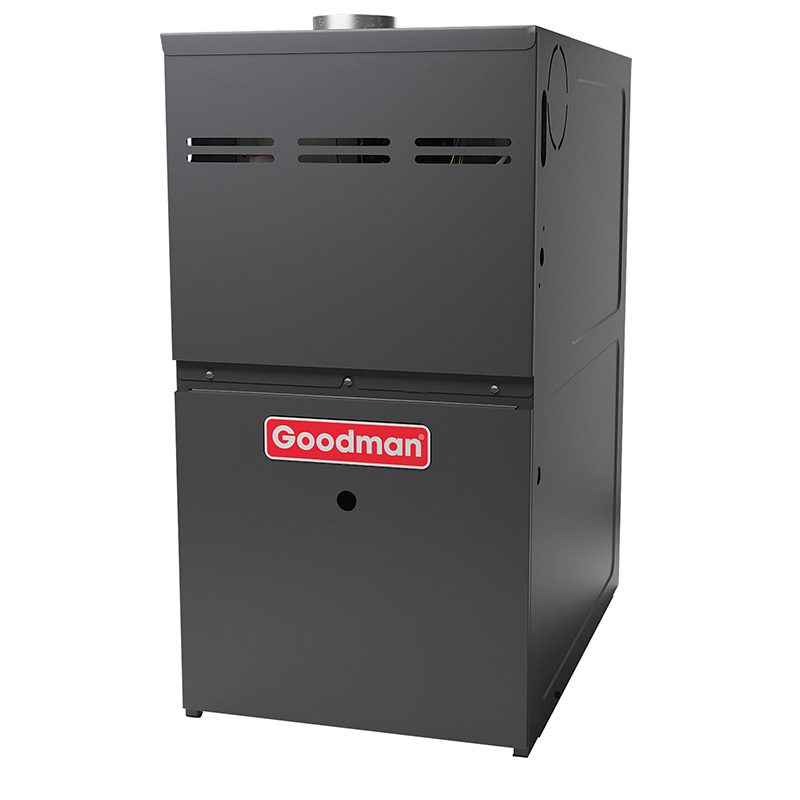
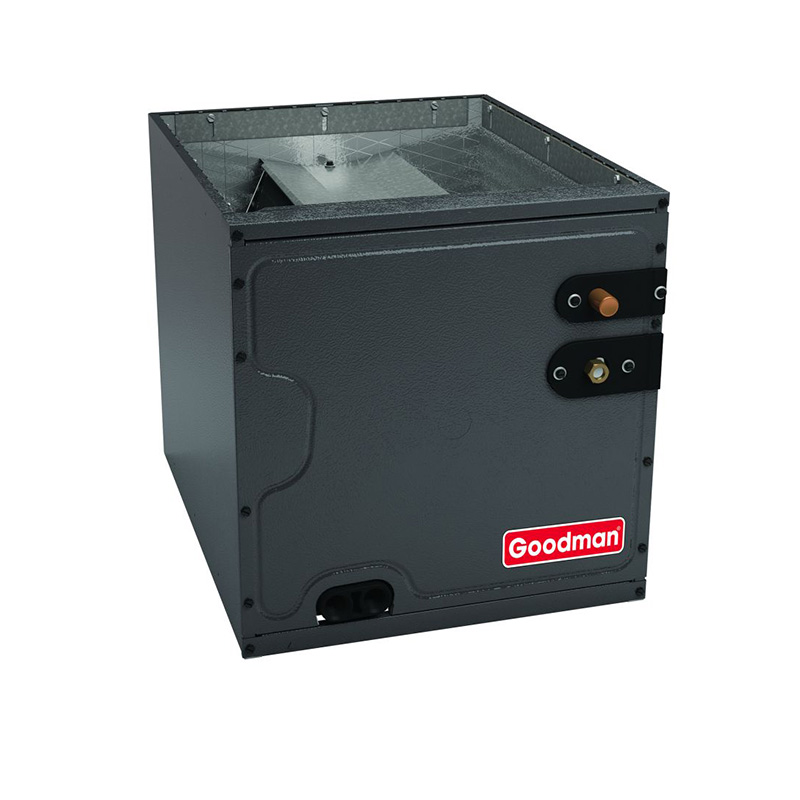
This Goodman upflow system bundles a 1.5-ton, 14 SEER2 air conditioner condenser, a matched evaporator coil, and a 40,000 BTU two-stage gas furnace into a single purchase. It is sized for smaller homes, typically in the 600 to 900 square foot range depending on climate, insulation, and ceiling height. The upflow configuration means the furnace sits at floor level and pushes conditioned air upward through ductwork, which suits homes with basement or closet mechanical rooms that feed overhead supply runs.
The 14 SEER2 rating lands right at the federal minimum for northern states and is modest by current standards, so expect energy bills that are better than an older R-22 or R-410A system but not as lean as a 16 or 18 SEER2 unit. The two-stage furnace is a genuine comfort upgrade over single-stage: it runs on a lower firing rate most of the time, which reduces temperature swings and tends to produce quieter, more even heat. The switch to R-32 refrigerant is a meaningful environmental step, as R-32 carries a global warming potential roughly 68 percent lower than R-410A, and it is increasingly the direction the industry is heading.
Goodman positions this as a value-oriented system aimed at budget-conscious homeowners, landlords, and builders who want a name-brand matched system without paying premium prices. Whether it delivers depends heavily on who installs it and how well it is commissioned, a reality that shapes every honest conversation about this brand.
This Goodman bundle is a practical, no-frills option for smaller homes where budget matters more than peak efficiency or long-term parts reliability. The two-stage furnace and R-32 refrigerant are genuine positives, but buyers should budget for potential capacitor and coil service costs in the back half of the warranty period and invest in a quality installation from the start.
Overall score is the average of the five ratings above.
What we like
- Factory-matched system reduces sizing guesswork and supports cleaner warranty coverage
- Two-stage furnace improves comfort over single-stage at a modest price premium
- R-32 refrigerant is more environmentally responsible and increasingly serviceable in the field
- Priced 15 to 25 percent below comparable Carrier, Trane, and Lennox equipment
- Upflow design fits common residential mechanical room layouts without major duct modification
Trade-offs
- 14 SEER2 is the current minimum, so long-term energy savings versus a higher-efficiency system are limited
- Dual-run capacitors are the most commonly reported failure point, typically requiring service around the 5 to 7 year mark
- Evaporator coil leaks appear in a meaningful share of owner reviews, a known Goodman weak point
- Compressor lifespan averages 10 to 14 years versus 15 to 20 years for premium brands, meaning earlier replacement risk
What homeowners and pros say about Goodman
Homeowners who purchase Goodman equipment tend to split into two camps fairly quickly. Those who had it properly sized and installed by an experienced contractor often report years of trouble-free service and are quick to cite the lower upfront cost as a win. Those who ran into problems point to repair bills that start climbing around year 7, a pattern consistent with the brand’s roughly 2.5 out of 5 rating on ConsumerAffairs, a channel that skews toward frustrated owners but still reflects a real subset of experiences. On Google dealer reviews, where the full range of buyers tends to weigh in, Goodman systems average around 3.8 out of 5, with affordability appearing as the most common reason for satisfaction.
HVAC technicians who work on Goodman equipment regularly point to two things above all others. First, the dual-run capacitor is the single most common service call on these systems, a relatively affordable fix in the 300 to 600 dollar range but one that comes up often enough to plan for. Second, evaporator coil leaks show up in a meaningful share of owner histories, and compressor longevity tends to land in the 10 to 14 year range rather than the 15 to 20 years more commonly seen with premium brands. A minority of owners also report refrigerant issues within the first year, which technicians generally attribute to installation or initial charge quality rather than a manufacturing defect. The consistent professional advice: Goodman can be a sound buy if you put equal thought into who installs it as you do into the equipment itself.
Sources: ConsumerAffairs Goodman owner reviews, AHRI Directory of Certified Product Performance, U.S. DOE appliance and equipment efficiency standards, Goodman product specification sheets.
What it costs to run
At 14 SEER2, cooling this 1.5-ton system for a typical 1200-hour cooling season at the U.S. average electricity rate of $0.17/kWh works out to roughly $262 per year in cooling, about $12 less per year than a minimum-efficiency 13.4 SEER2 unit of the same size. Your real cost depends on your climate and local rate.
Method: (18,000 BTU/hr ÷ 14 SEER2) × 1200 hours ÷ 1000 × $0.17/kWh. Rate source: U.S. EIA average; cooling hours: moderate-climate estimate.
How it compares
| Brand | Comparable model | SEER2 | Stage | Price position |
|---|---|---|---|---|
| Goodman | 1.5 Ton 14 SEER2 R-32 with 40K BTU Two-Stage Furnace (this system) | 14 | Two-stage furnace / single-stage cooling | Value pick |
| Carrier | Comfort 14 Series (24ACC4) | 14 | Single-stage cooling | Moderately higher than this Goodman bundle |
| Trane | XR14c | 14-15 | Single-stage cooling | Noticeably higher than this Goodman bundle |
| Lennox | Merit 14ACX | 14 | Single-stage cooling | Moderately to noticeably higher than this Goodman bundle |
Competitor rows are comparable single-stage units at similar efficiency; price is relative position, not a quote.
Questions about this system
Is 1.5 tons enough for my home, and how do I know?
A 1.5-ton system is generally appropriate for homes in the 600 to 900 square foot range in moderate climates, but the right size depends on insulation, window area, ceiling height, and local design temperatures. A licensed HVAC contractor should perform a Manual J load calculation before purchase; undersizing or oversizing both hurt comfort and system life.
Will technicians in my area be able to service R-32 refrigerant?
R-32 requires technicians to use equipment rated for its slightly higher pressure and to follow A2L flammable refrigerant handling protocols. Availability is improving rapidly as R-32 becomes more common, but it is worth confirming your local service providers are already equipped and certified before committing to this system.
What does two-stage on the furnace actually mean for day-to-day comfort?
A two-stage furnace has a lower firing rate, typically around 60 to 70 percent of full capacity, that it uses for most heating cycles. This means longer, gentler heat runs rather than short blasts, which reduces cold spots, lowers noise, and keeps indoor temperatures more consistent than a single-stage unit.
What are the most likely repairs I should budget for over a 10-year ownership period?
Based on Goodman's documented failure patterns, dual-run capacitor replacement is the most common service call and typically costs between 300 and 600 dollars including labor. Evaporator coil leaks are reported by a meaningful share of owners and can be a more significant expense. Setting aside a small annual service budget and keeping up with filter changes helps catch issues early.
Does buying a factory-matched coil and condenser actually help with the warranty?
Yes, using a factory-matched coil typically allows you to register for Goodman's longer parts warranty, whereas mixing brands can void or shorten coverage. It also reduces the chance of refrigerant charge errors during installation, since the system is designed and tested as a unit, which is one of the more common sources of first-year refrigerant leak complaints.
Specifications
| Cooling capacity | 1.5 Ton |
| Efficiency | 14 SEER2 |
| Furnace output | 40000 BTU |
| Configuration | Upflow |
| Refrigerant | R-32 |