Goodman 1.5 Ton 13.8 SEER2 40000 BTU 80% Two-Stage Gas Furnace With R32 Air Conditioner Condenser And Coil System – Horizontal
View on AC Direct see your lowest price →Check current price on AC Direct →
Key features
- 1.5-ton cooling capacity with 13.8 SEER2 efficiency rating
- 40,000 BTU two-stage gas furnace running at 80% AFUE
- Horizontal cabinet configuration for attic or crawl-space installs
- R-32 refrigerant with lower global warming potential than R-410A
- Matched evaporator coil included for simplified system compatibility
- Two-stage heating improves humidity control and temperature evenness on mild days
About this system
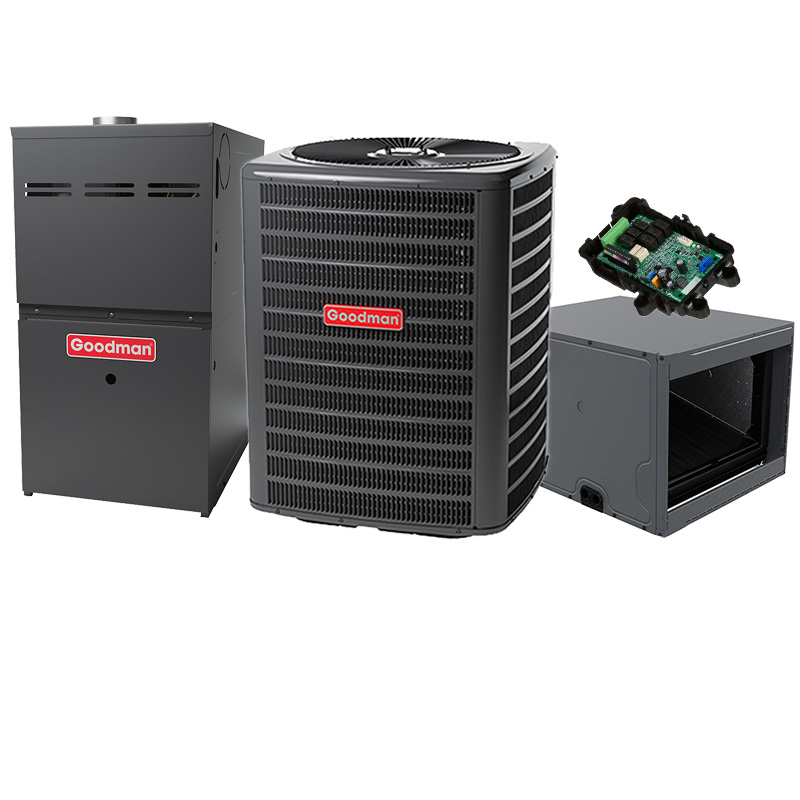
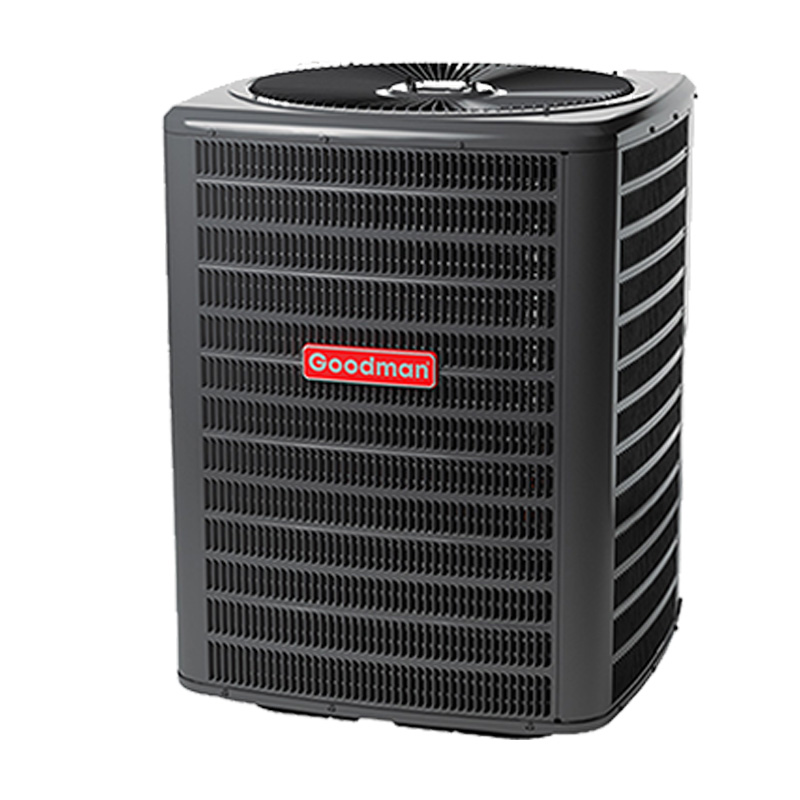
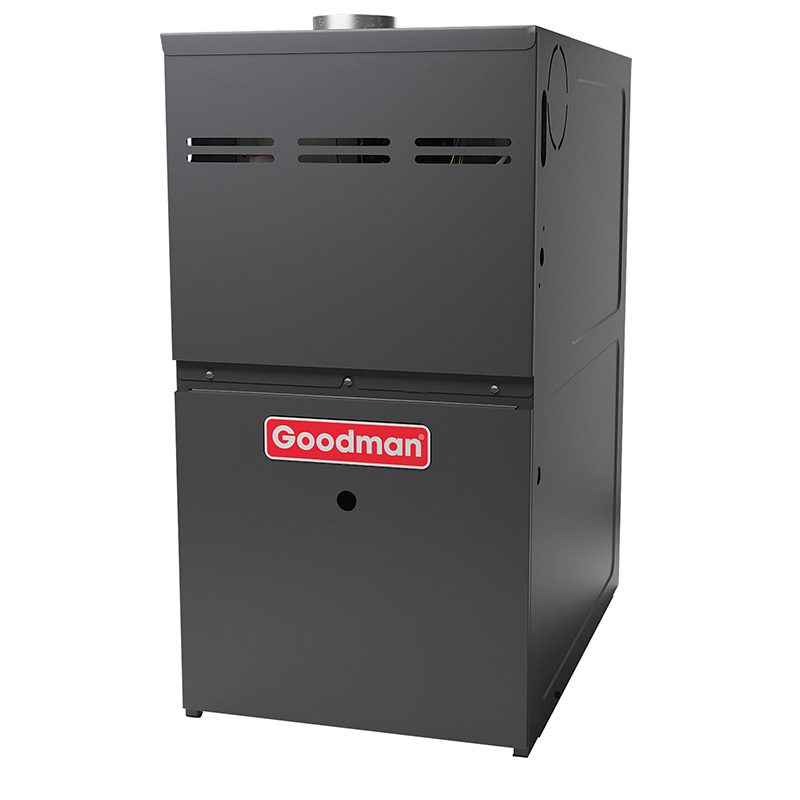
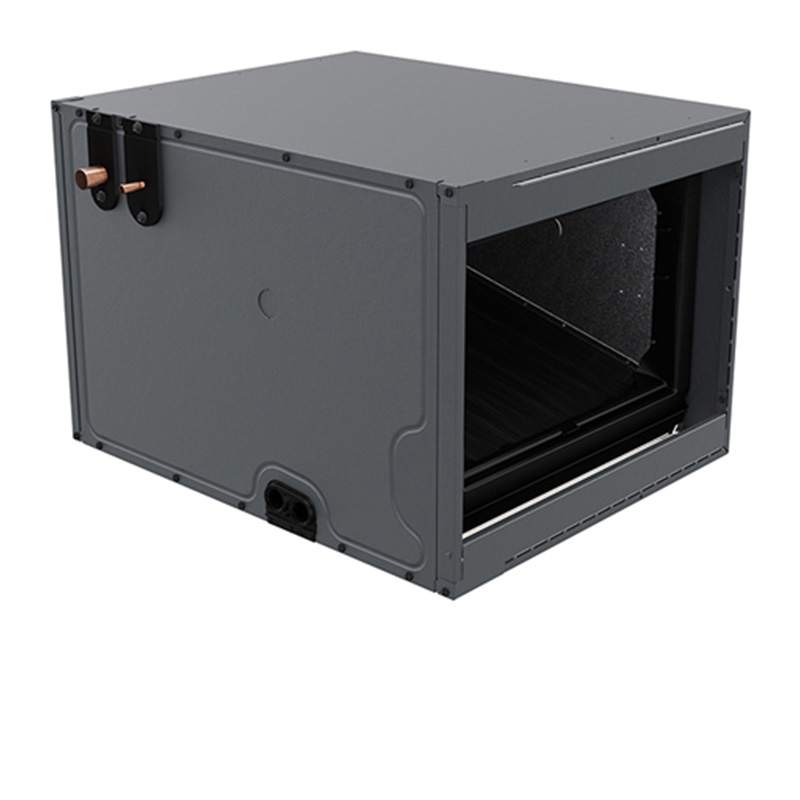
This Goodman system bundles a 1.5-ton, 13.8 SEER2 air conditioner condenser, a matched evaporator coil, and a 40,000 BTU 80% AFUE two-stage gas furnace into a horizontally configured package aimed at smaller homes, additions, or tight mechanical spaces where a vertical cabinet simply will not fit. The horizontal orientation makes it a practical choice for attic or crawl-space installations where floor area is at a premium, though it does add some complexity to the installation and drainage setup compared to a standard upflow arrangement.
At 13.8 SEER2, this system sits just above the federal minimum efficiency floor for most U.S. regions, so it delivers adequate but not standout energy savings. The two-stage furnace is a real comfort upgrade over single-stage units: the low-fire stage runs longer at reduced output on milder days, which improves humidity control and temperature consistency rather than just blasting heat in short cycles. R-32 refrigerant is a notable specification here since it carries a lower global warming potential than the R-410A it replaces and is becoming the new standard in residential equipment. The 80% AFUE rating means one-fifth of combustion energy exits as exhaust, which is acceptable for moderate climates but leaves efficiency on the table compared to 90%-plus condensing furnaces in colder regions.
This system is well suited to budget-conscious homeowners in mixed climates who need a reliable replacement or new-build solution for a smaller conditioned space and who will have a skilled contractor handle the install. It is not the right fit for someone seeking top-tier efficiency credits, ultra-long equipment life, or living in a severe-winter climate where a 90%-plus furnace would pay for itself relatively quickly.
This Goodman bundle offers a functional, budget-friendly entry point into two-stage comfort with a future-ready refrigerant, but the 13.8 SEER2 and 80% AFUE ratings mean operating costs will run higher than mid- or high-efficiency alternatives. Long-term ownership satisfaction depends heavily on installer quality and willingness to handle known maintenance items like capacitors and evaporator coil inspections.
Overall score is the average of the five ratings above.
What we like
- Price point typically 15 to 25 percent below comparable Trane, Carrier, and Lennox systems
- Two-stage furnace improves comfort and humidity management over single-stage units
- R-32 refrigerant is lower-GWP and increasingly well-supported by technicians
- Matched coil and condenser sold together reduces compatibility guesswork
- Horizontal configuration opens up installation locations unavailable to vertical cabinets
Trade-offs
- 13.8 SEER2 is near the federal minimum, so energy savings versus a higher-efficiency unit are limited
- 80% AFUE furnace loses 20% of combustion energy, a meaningful cost in cold climates
- Horizontal installs add drainage and access complexity, raising labor costs
- Brand reliability lags premium competitors: compressors average 10 to 14 years versus 15 to 20 for Trane or Lennox, and evaporator coil leaks are a documented owner complaint
What homeowners and pros say about Goodman
Homeowners who have owned Goodman equipment tend to split into two camps, and that split shows up clearly in the numbers: a roughly 2.5 out of 5 on ConsumerAffairs, where the loudest voices report frustrating repair bills emerging after about year seven, and a more balanced 3.8 out of 5 across Google dealer reviews, where buyers who paid attention to installer reputation report years of trouble-free operation. For this specific horizontal system, the configuration means the install itself is a bigger variable than usual since improper drain slope or inadequate attic access can accelerate the evaporator coil corrosion and leak issues that show up in a meaningful share of Goodman owner accounts. First-year refrigerant leaks, when they occur, typically trace back to charge or line-set issues at installation rather than a factory defect.
HVAC technicians who service Goodman equipment regularly point to dual-run capacitors as the most predictable maintenance item, usually a quick call in the 300 to 600 dollar range and not a reason to avoid the brand. The bigger conversation among pros involves compressor longevity: Goodman compressors tend to average 10 to 14 years in real-world service, which is a shorter window than the 15 to 20 years technicians commonly see from Trane and Lennox units. For a 1.5-ton system in a smaller space running fewer hours annually, that gap may matter less, but it is worth factoring into a true cost-of-ownership comparison before committing solely on purchase price.
Sources: ConsumerAffairs Goodman owner reviews, AHRI Directory of Certified Product Performance, U.S. DOE appliance and equipment efficiency standards, Goodman product specification sheets.
What it costs to run
At 13.8 SEER2, cooling this 1.5-ton system for a typical 1200-hour cooling season at the U.S. average electricity rate of $0.17/kWh works out to roughly $266 per year in cooling, about $8 less per year than a minimum-efficiency 13.4 SEER2 unit of the same size. Your real cost depends on your climate and local rate.
Method: (18,000 BTU/hr ÷ 13.8 SEER2) × 1200 hours ÷ 1000 × $0.17/kWh. Rate source: U.S. EIA average; cooling hours: moderate-climate estimate.
How it compares
| Brand | Comparable model | SEER2 | Stage | Price position |
|---|---|---|---|---|
| Goodman | This system (13.8 SEER2 / 80% AFUE two-stage horizontal bundle) | 13.8 | Two-stage | Value pick |
| Carrier | Comfort Series (24ACC / 58TP80 pairing) | 14.3 | Single-stage | Roughly 20 to 30 percent more than this Goodman bundle |
| Trane | XR14 / XB80 system pairing | 14.0 | Single-stage | Roughly 25 to 35 percent more than this Goodman bundle |
| Lennox | Merit Series (14ACX / ML180 pairing) | 14.3 | Single-stage | Roughly 20 to 30 percent more than this Goodman bundle |
Competitor rows are comparable single-stage units at similar efficiency; price is relative position, not a quote.
Questions about this system
Is 13.8 SEER2 efficient enough to qualify for federal tax credits or utility rebates?
At 13.8 SEER2, this system generally does not meet the threshold for the federal 25C energy efficiency tax credit, which currently requires 16 SEER2 or higher for split systems. Check your local utility for rebate programs, as requirements vary and some accept lower efficiency minimums.
What does horizontal configuration actually mean for installation, and does it cost more?
Horizontal means the air handler or coil cabinet is installed on its side, typically in an attic or crawl space, with airflow moving sideways rather than up or down. It usually adds labor cost because condensate drainage requires a properly sloped secondary drain pan and the positioning makes some service tasks harder to access.
How does R-32 refrigerant affect servicing and future costs compared to the R-410A I am replacing?
R-32 requires technicians with proper certification and compatible equipment, though it is widely available and increasingly stocked by HVAC distributors. It is mildly flammable, so code-compliant installation practices are important; most trained technicians are familiar with the handling requirements.
Goodman has mixed reviews online. Should I be worried about reliability on this system?
Goodman scores roughly 2.5 out of 5 on ConsumerAffairs, a complaint-heavy channel, and about 3.8 out of 5 across Google dealer reviews where affordability is frequently praised. Documented failure points include dual-run capacitors (a common, low-cost fix), evaporator coil leaks, and compressor lifespans that average 10 to 14 years versus 15 to 20 for premium brands. A thorough install by a qualified contractor and a proactive maintenance plan address a significant share of these risks.
Does the 80% AFUE furnace make sense, or should I pay more for a 96% model?
In mild to moderate climates with shorter heating seasons, the payback period on a 90%-plus condensing furnace can be quite long, making 80% a reasonable economic choice. In climates with 5,000-plus heating degree days or rising gas prices, the efficiency gap becomes more meaningful over a 10-to-15-year ownership horizon, and the upgrade is worth pricing out.
Specifications
| Cooling capacity | 1.5 Ton |
| Efficiency | 13.8 SEER2 |
| Furnace output | 40000 BTU |
| Configuration | Horizontal |
| Refrigerant | R-32 |