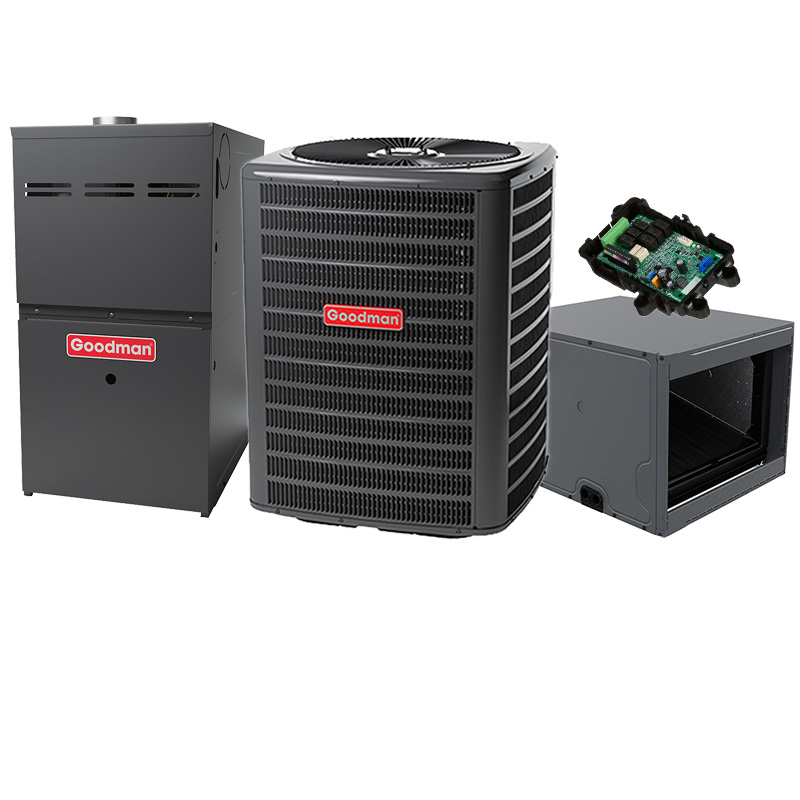
Goodman 2.5 Ton 14 SEER2 60000 BTU 80% Two-Stage Gas Furnace With R32 Air Conditioner Condenser And Coil System – Horizontal
View on AC Direct see your lowest price →Check current price on AC Direct →
Key features
- 2.5-ton cooling capacity matched with 60,000 BTU two-stage gas furnace
- 14 SEER2 efficiency rating meets current federal minimum standards
- 80% AFUE furnace suits mild-to-moderate heating climates
- Horizontal configuration for attic, crawl space, or side-discharge installs
- R-32 refrigerant with lower global-warming potential than R-410A
- Two-stage heating reduces temperature swings and lowers operating noise
About this system
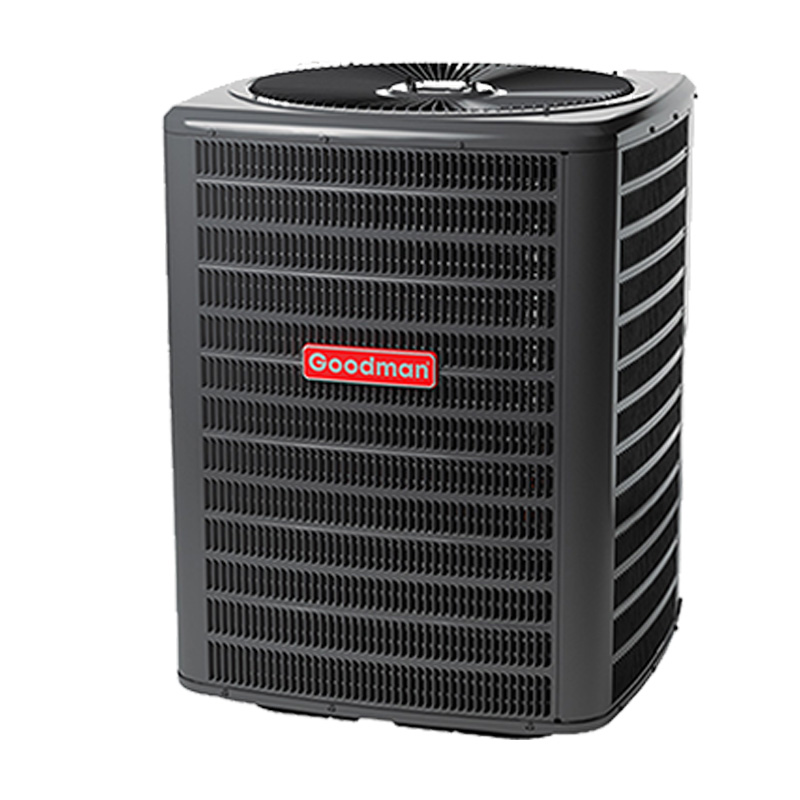
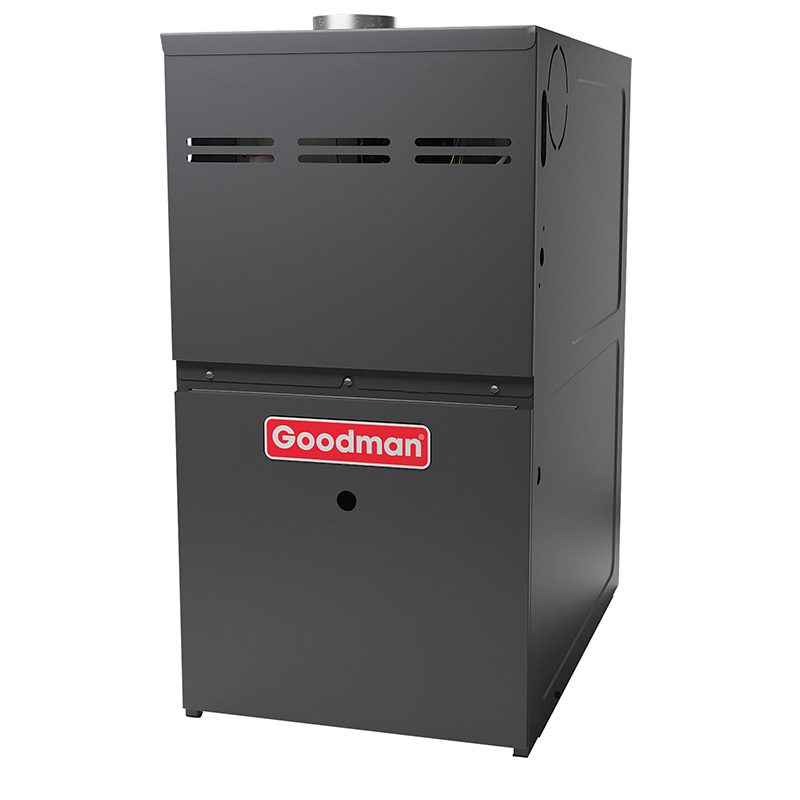
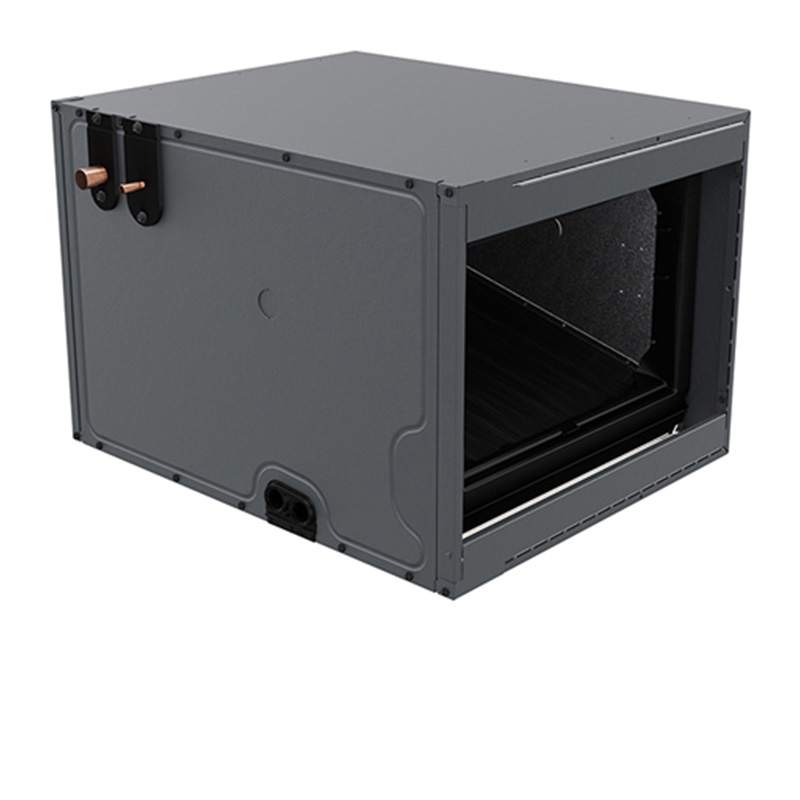
This Goodman bundle pairs a 2.5-ton, 14 SEER2 R-32 air conditioner condenser and matching evaporator coil with a 60,000 BTU 80% AFUE two-stage gas furnace in a horizontal configuration. The horizontal orientation suits attic installations, crawl spaces, or utility rooms where vertical clearance is limited, making it a practical choice for ranch-style homes, manufactured housing, and additions where ductwork runs through a tight horizontal chase. At 2.5 tons, the cooling side is sized for roughly 1,200 to 1,600 square feet of well-insulated living space in a moderate climate, though a proper Manual J load calculation should always confirm sizing before purchase.
The two-stage furnace is a meaningful upgrade over single-stage designs. Running on low fire the majority of the time, it cycles less aggressively, holds steadier temperatures, and typically runs quieter than a single-stage unit. The 80% AFUE rating means 80 cents of every dollar in gas becomes heat, which is code-compliant in most U.S. regions but sits below the 90-plus AFUE tier preferred in colder climates. The R-32 refrigerant is a lower global-warming-potential alternative to R-410A, and its adoption across the industry is growing ahead of 2025 and 2026 regulatory changes. Goodman prices this system well below comparable Trane, Lennox, and Carrier bundles, making it appealing for homeowners who need reliable climate control without premium-brand pricing.
This Goodman system offers a solid entry-level to mid-tier bundle for homeowners who want two-stage comfort features at a price well below premium brands. Performance is adequate for moderate climates, but the 80% AFUE furnace and baseline 14 SEER2 rating leave room for improvement in very hot or very cold regions. Long-term value depends heavily on installer quality and willingness to budget for component repairs after year seven.
Overall score is the average of the five ratings above.
What we like
- Priced 15 to 25 percent below comparable Carrier, Trane, and Lennox bundles
- Two-stage furnace provides steadier temperatures and quieter low-fire operation
- R-32 refrigerant positions the system ahead of upcoming regulatory transitions
- Horizontal configuration opens install options in attics and crawl spaces
- Matched coil and condenser from one manufacturer simplifies warranty claims
Trade-offs
- 80% AFUE is the low end of efficiency; homeowners in cold climates will pay more in gas costs versus a 96% unit
- Dual-run capacitor failures and evaporator coil leaks are documented recurring issues in owner reviews
- Compressor lifespan averages 10 to 14 years, shorter than premium-brand benchmarks of 15 to 20 years
- ConsumerAffairs rating of roughly 2.5 out of 5 reflects a pattern of escalating repair costs after year seven
What homeowners and pros say about Goodman
Homeowners who choose Goodman equipment most often cite price as the deciding factor, and that pattern holds in dealer Google reviews, which average around 3.8 out of 5 across locations. The feedback at that level focuses on affordability and the accessibility of parts through a wide dealer network. The picture shifts when looking at ConsumerAffairs, where Goodman sits at roughly 2.5 out of 5, a score pulled down by owners who report that repair costs begin climbing after about year seven. The specific failures mentioned most often are dual-run capacitors, which tend to be a manageable and relatively inexpensive fix, and evaporator coil leaks, which can be considerably more disruptive and costly to address.
HVAC technicians who work on Goodman equipment regularly tend to hold a middle-ground view: the equipment is straightforward to service, parts are widely available, and the systems perform adequately when installed correctly. The consistent professional caution is that Goodman’s longevity leans harder on installation quality than premium-brand equipment does. A sloppy refrigerant charge or an under-sealed duct connection tends to show up faster on a Goodman than it might on a Carrier or Trane. The compressor lifespan issue, averaging 10 to 14 years versus 15 to 20 for premium brands, is also a real consideration for buyers who plan to stay in a home long-term. For this specific horizontal two-stage system, the R-32 refrigerant and the two-stage furnace are genuinely useful features at the price point, but the documented failure modes and the ConsumerAffairs track record are honest reasons to set aside a repair fund from day one.
Sources: ConsumerAffairs Goodman owner reviews, AHRI Directory of Certified Product Performance, U.S. DOE appliance and equipment efficiency standards, Goodman product specification sheets.
What it costs to run
At 14 SEER2, cooling this 2.5-ton system for a typical 1200-hour cooling season at the U.S. average electricity rate of $0.17/kWh works out to roughly $437 per year in cooling, about $20 less per year than a minimum-efficiency 13.4 SEER2 unit of the same size. Your real cost depends on your climate and local rate.
Method: (30,000 BTU/hr ÷ 14 SEER2) × 1200 hours ÷ 1000 × $0.17/kWh. Rate source: U.S. EIA average; cooling hours: moderate-climate estimate.
How it compares
| Brand | Comparable model | SEER2 | Stage | Price position |
|---|---|---|---|---|
| Goodman | 2.5 Ton 14 SEER2 / 60k BTU 80% Two-Stage Bundle (Horizontal) | 14 | Two-stage furnace / standard AC | Value pick |
| Carrier | Performance 15 Series (25PCA) with 80% Two-Stage Gas Furnace | 15 | Single-stage AC / two-stage furnace | Moderately higher than Goodman |
| Trane | XR14c Condenser with S8X2 Two-Stage Gas Furnace | 14 | Single-stage AC / two-stage furnace | Noticeably higher than Goodman |
| Lennox | Merit ML14XC1 Condenser with ML80UH Two-Stage Gas Furnace | 14 | Single-stage AC / two-stage furnace | Noticeably higher than Goodman |
Competitor rows are comparable single-stage units at similar efficiency; price is relative position, not a quote.
Questions about this system
Is the horizontal configuration limited to attic installs, or can it be used elsewhere?
Horizontal units can be installed in any space where the air handler or furnace sits on its side and discharges airflow horizontally, including crawl spaces, utility closets, and some basement setups. The key requirement is that the equipment is fully accessible for service and that condensate drains properly. Your installer should confirm the specific clearance and drain requirements before the job.
Why does this system use R-32 instead of R-410A, and does that affect service costs?
R-32 has a significantly lower global-warming potential than R-410A and is part of the industry-wide shift ahead of EPA refrigerant regulations taking effect in 2025 and 2026. Most HVAC technicians are already handling R-32 equipment, but you should confirm your service provider has the correct recovery equipment and certification before scheduling any refrigerant work, since handling procedures differ slightly from R-410A.
What does two-stage heating actually mean for day-to-day comfort compared to a single-stage furnace?
A two-stage furnace runs on a lower capacity setting most of the time, cycling on and off less frequently than a single-stage unit. This tends to produce fewer abrupt temperature swings, distributes heat more evenly through the home, and operates at a lower noise level during typical low-fire operation. The furnace only ramps up to full capacity when the thermostat calls for rapid recovery from a large temperature drop.
What are the most common repairs I should expect with Goodman equipment over time?
Dual-run capacitor failures are the most frequently reported issue and are generally a low-cost fix in the $300 to $600 range when caught early. Evaporator coil leaks appear in a meaningful share of owner reviews and can be more expensive to address. Compressors on Goodman units average roughly 10 to 14 years, compared to 15 to 20 years for premium brands, so budgeting for a potential compressor replacement or system replacement in that window is practical planning.
Does Goodman's warranty cover parts if I have a refrigerant leak in the first year?
Goodman offers a limited parts warranty, but coverage requires registration within a set window after installation and may require a licensed contractor to have performed the install. Refrigerant leaks within the first year are often attributed to installation or initial charge issues rather than a manufacturing defect, which can complicate warranty claims. Review Goodman's current warranty terms carefully and confirm with your installer who is responsible for correcting any first-year refrigerant issues before the work begins.
Specifications
| Cooling capacity | 2.5 Ton |
| Efficiency | 14 SEER2 |
| Furnace output | 60000 BTU |
| Configuration | Horizontal |
| Refrigerant | R-32 |