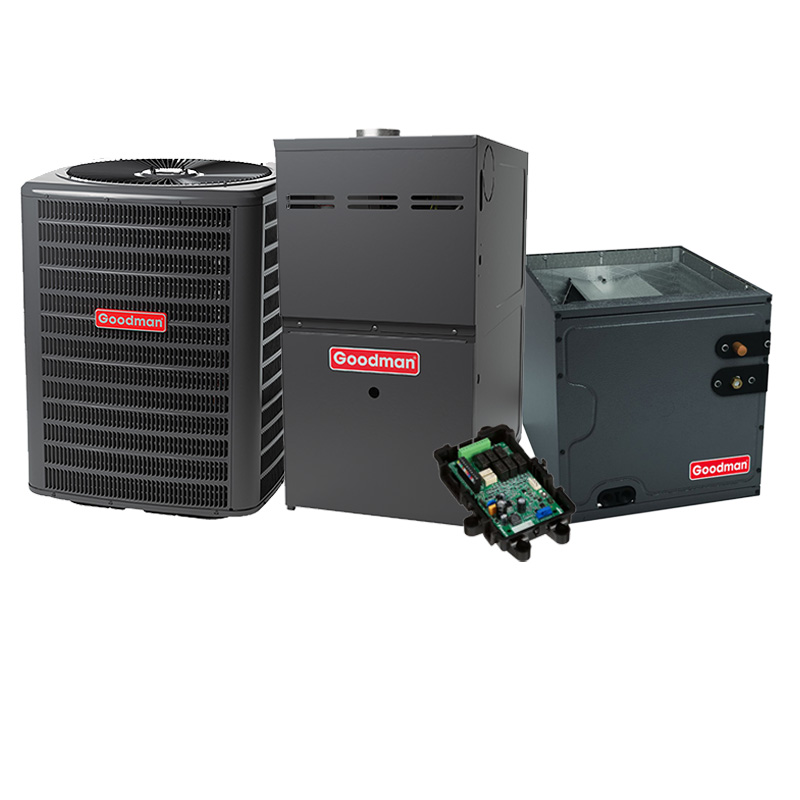
Goodman 3 Ton 14.5 SEER2 60000 BTU 80% Two-Stage Variable Speed Gas Furnace With R32 AC Condenser And Coil System – Upflow
View on AC Direct see your lowest price →Check current price on AC Direct →
Key features
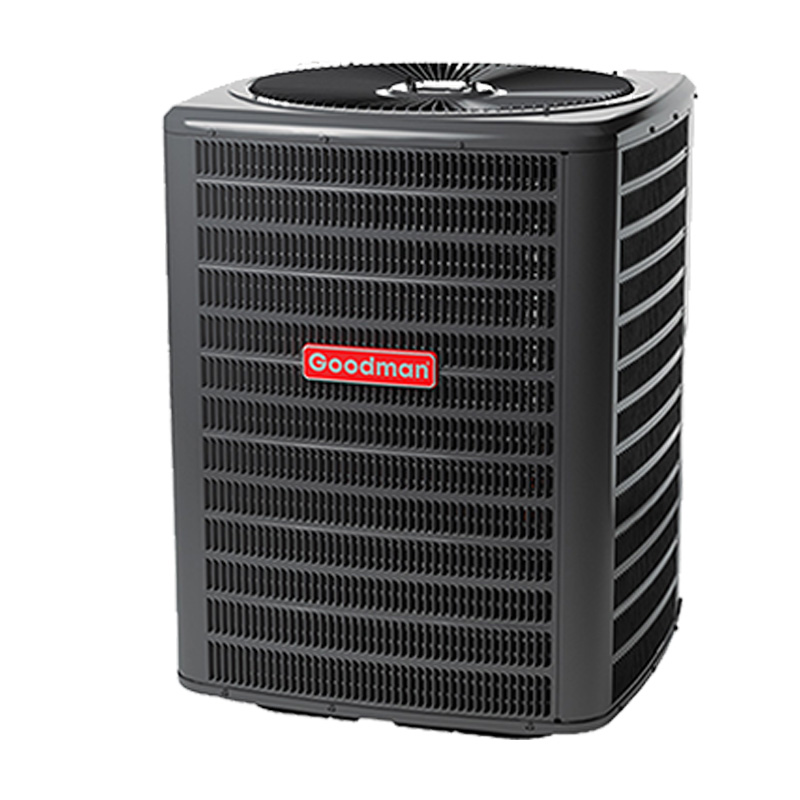
- 3-ton R-32 condenser rated at 14.5 SEER2 cooling efficiency
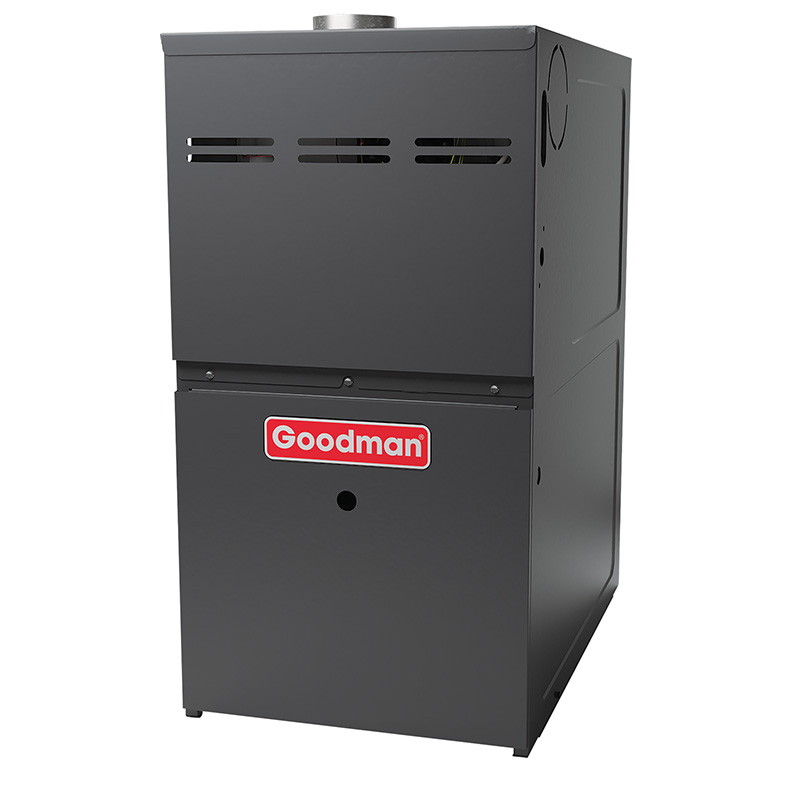
- 60,000 BTU two-stage gas furnace with 80% AFUE heating efficiency
- Variable-speed ECM blower motor for quieter, more even airflow
- Upflow configuration designed for closet or utility room installations
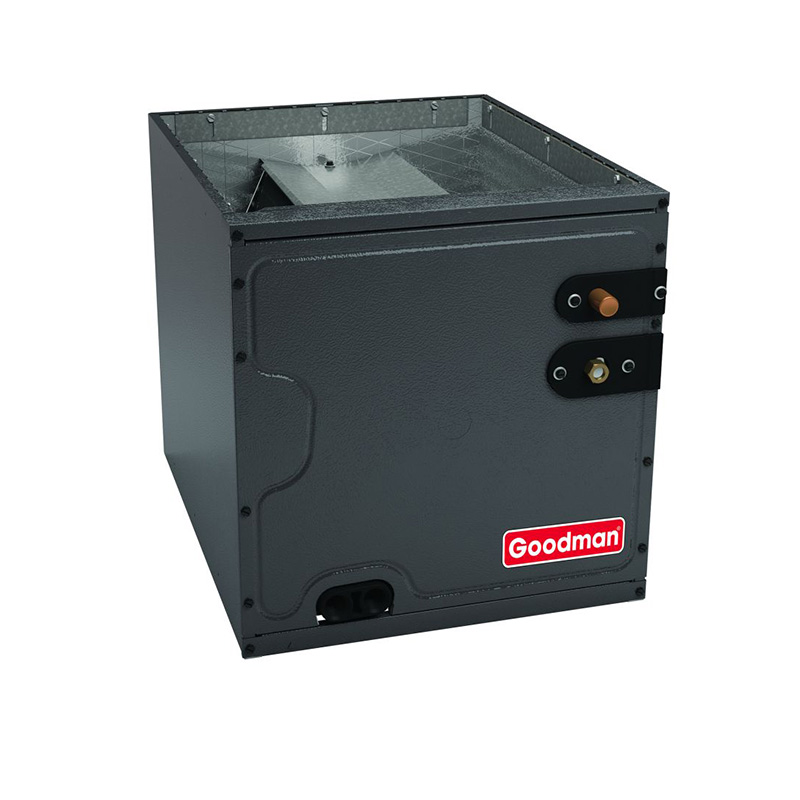
- Matched coil included for warranty compliance and rated system efficiency
- R-32 refrigerant with lower global warming potential than R-410A
About this system
This Goodman bundle pairs a 3-ton, 14.5 SEER2 R-32 air conditioning condenser and matching evaporator coil with a 60,000 BTU, 80% AFUE two-stage variable-speed gas furnace in an upflow configuration. The package is aimed at homeowners replacing an aging split system in a home with existing upflow ductwork, typically a single-story slab home or a two-story home where the air handler sits in a closet or utility room on the ground floor. Buying the condenser, coil, and furnace together as a matched system matters for efficiency ratings and warranty coverage, so the bundle approach is a practical one.
The two-stage furnace runs at a lower capacity most of the time, only ramping to full output on the coldest days. Combined with the variable-speed blower motor, this tends to produce steadier indoor temperatures, quieter operation at partial load, and better dehumidification than a single-stage setup. At 14.5 SEER2, the cooling side lands in the entry-level efficiency tier for new equipment under current federal standards, which is adequate for moderate climates but leaves meaningful room for improvement if energy costs are high or summers are long and hot. The R-32 refrigerant charge is worth noting: R-32 has lower global warming potential than R-410A and is becoming the industry standard, so parts and service should remain accessible for the foreseeable future.
This Goodman bundle delivers a solid entry-level matched system at a price that undercuts Carrier, Trane, and Lennox by a meaningful margin. The two-stage furnace and variable-speed blower are genuine comfort upgrades over single-stage alternatives at this price point, but long-term reliability depends heavily on installation quality and a proper refrigerant charge. Buyers willing to invest in a skilled installer and routine maintenance will get reasonable value; those who cut corners on labor often find the savings erode quickly.
Overall score is the average of the five ratings above.
What we like
- Priced 15 to 25 percent below comparable Carrier, Trane, and Lennox systems
- Two-stage furnace operation improves comfort and reduces temperature swings
- Variable-speed ECM blower lowers operating noise and improves humidity control
- Matched coil and condenser bundle supports rated efficiency and warranty compliance
- R-32 refrigerant is increasingly well-supported for parts and service
Trade-offs
- Dual-run capacitors are the most frequently reported failure, typically requiring a 300 to 600 dollar service call
- Evaporator coil leaks appear in a meaningful share of owner reviews, often after the first several years
- Compressor lifespan averages 10 to 14 years versus 15 to 20 years for premium brands
- A minority of owners report refrigerant leaks within year one, usually traced to installation or charge issues rather than the equipment itself
What homeowners and pros say about Goodman
Homeowners discussing this Goodman bundle online tend to split along a familiar line. Those who hired experienced installers and kept up with annual tune-ups report years of uneventful service and point to the lower purchase price as a genuine win. Those who ran into trouble often trace their frustration back to either a rushed installation or a skipped maintenance visit. The Google dealer review average of around 3.8 out of 5 reflects this split, with affordability cited most often as the reason buyers chose Goodman in the first place. The ConsumerAffairs score sits lower, around 2.5 out of 5, but that platform draws disproportionately from owners motivated to write by a problem, and the recurring complaint theme is repair costs that start climbing after roughly year seven.
HVAC technicians are candid about the specific failure points they see most often on Goodman equipment: dual-run capacitors are the most frequent service call, generally a straightforward and relatively affordable repair in the 300 to 600 dollar range. Evaporator coil leaks show up in a meaningful share of units as they age, and that repair is considerably more expensive. On the cooling side, compressors on Goodman systems tend to average 10 to 14 years in the field, which is a shorter expected window than the 15 to 20 years technicians associate with Trane, Carrier, or Lennox compressors. A small portion of owners also report refrigerant leaks in the first year, and technicians generally attribute those to line set connections or charging errors at installation rather than factory defects. The bottom line from the field is consistent: Goodman is a workable choice when the install is done right and the homeowner stays on top of maintenance, and a frustrating one when either piece is neglected.
Sources: ConsumerAffairs Goodman owner reviews, AHRI Directory of Certified Product Performance, U.S. DOE appliance and equipment efficiency standards, Goodman product specification sheets.
What it costs to run
At 14.5 SEER2, cooling this 3-ton system for a typical 1200-hour cooling season at the U.S. average electricity rate of $0.17/kWh works out to roughly $506 per year in cooling, about $42 less per year than a minimum-efficiency 13.4 SEER2 unit of the same size. Your real cost depends on your climate and local rate.
Method: (36,000 BTU/hr ÷ 14.5 SEER2) × 1200 hours ÷ 1000 × $0.17/kWh. Rate source: U.S. EIA average; cooling hours: moderate-climate estimate.
How it compares
| Brand | Comparable model | SEER2 | Stage | Price position |
|---|---|---|---|---|
| Goodman | 3-Ton 14.5 SEER2 Two-Stage Variable-Speed Bundle (this system) | 14.5 | Two-stage | Value pick |
| Carrier | Performance 14 Series (24ACC636 condenser with matching coil and 80% furnace) | 14-15 | Single-stage | Moderately higher than Goodman |
| Trane | XR15 condenser with matching coil and S8X2 two-stage furnace | 15 | Two-stage | Noticeably higher than Goodman |
| Lennox | Merit ML14XC1 condenser with matching coil and ML196E two-stage furnace | 14-15 | Two-stage | Noticeably higher than Goodman |
Competitor rows are comparable single-stage units at similar efficiency; price is relative position, not a quote.
Questions about this system
Does the 80% AFUE furnace make sense for my climate, or should I step up to a 96% or higher unit?
For mild to moderate climates, 80% AFUE is often acceptable and keeps upfront costs lower. In cold climates where the furnace runs heavily from November through March, a higher-efficiency condensing furnace typically pays back the price difference within a few years through lower gas bills, so the 80% unit is harder to justify there.
What does the R-32 refrigerant mean for future service costs?
R-32 is becoming the new industry standard as R-410A is phased down, so technician familiarity and refrigerant availability are improving steadily. Recovery and recharge procedures require certified technicians with compatible equipment, which is standard practice anyway, so day-to-day service should not be complicated or significantly more expensive than R-410A systems.
How important is installer quality with this specific system?
Very important. Goodman's own reputation data and technician feedback consistently point to installation quality as the single biggest variable in how long the system lasts and how well it performs. A minority of early refrigerant leaks reported by owners are typically attributed to improper charging or line set connections at install, not factory defects.
What warranty coverage does this bundle typically carry, and what can void it?
Goodman generally offers a 10-year parts warranty on registered systems and a limited lifetime heat exchanger warranty on qualifying furnaces when registered within a set window after installation. Using non-matched components, skipping professional installation, or failing to register the equipment on time are common reasons claims get complicated, so read the registration terms carefully.
The listing says upflow only. Can I use this in a horizontal or downflow application?
No. This furnace is configured specifically for upflow installations where air enters at the bottom and exits at the top. Using it in a horizontal or downflow application is outside its rated design and would void the warranty. If your ductwork requires a different orientation, you would need a different furnace model.
Specifications
| Cooling capacity | 3 Ton |
| Efficiency | 14.5 SEER2 |
| Furnace output | 60000 BTU |
| Configuration | Upflow |
| Refrigerant | R-32 |