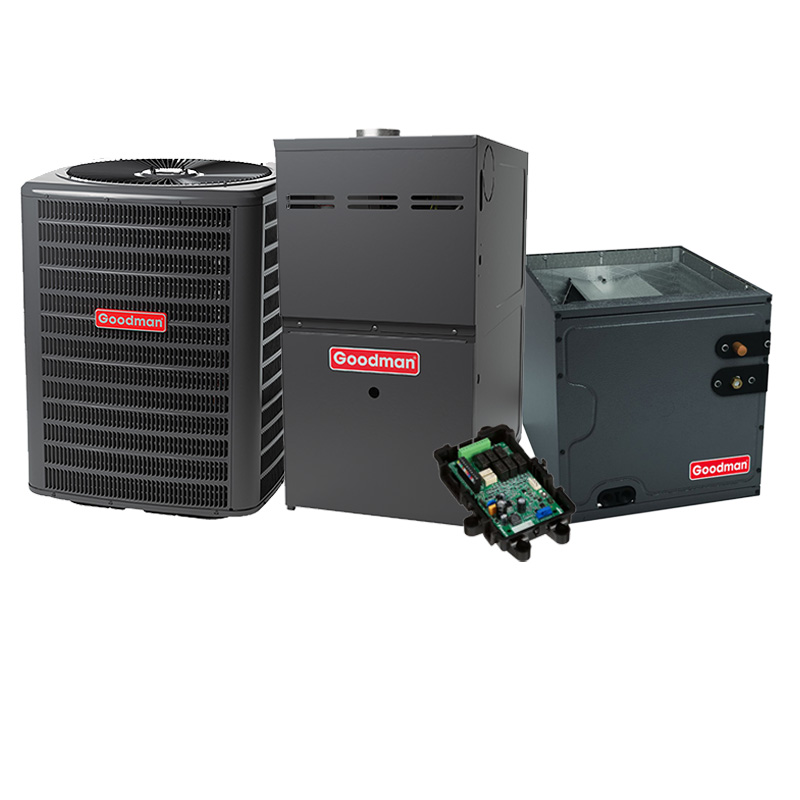
Goodman 3 Ton 14.5 SEER2 100000 BTU 80% Two-Stage Variable Speed Gas Furnace With R32 AC Condenser And Coil System – Upflow
View on AC Direct see your lowest price →Check current price on AC Direct →
Key features
- 14.5 SEER2 two-stage cooling with R-32 refrigerant for lower environmental impact
- 100,000 BTU 80% AFUE two-stage gas furnace for improved efficiency over single-stage
- Variable-speed blower motor for quieter operation and better humidity control
- Upflow configuration suits basement and utility-closet installations with overhead ductwork
- Matched evaporator coil included, reducing compatibility guesswork and refrigerant charge risk
- Priced 15 to 25 percent below comparable Trane, Lennox, and Carrier systems
About this system
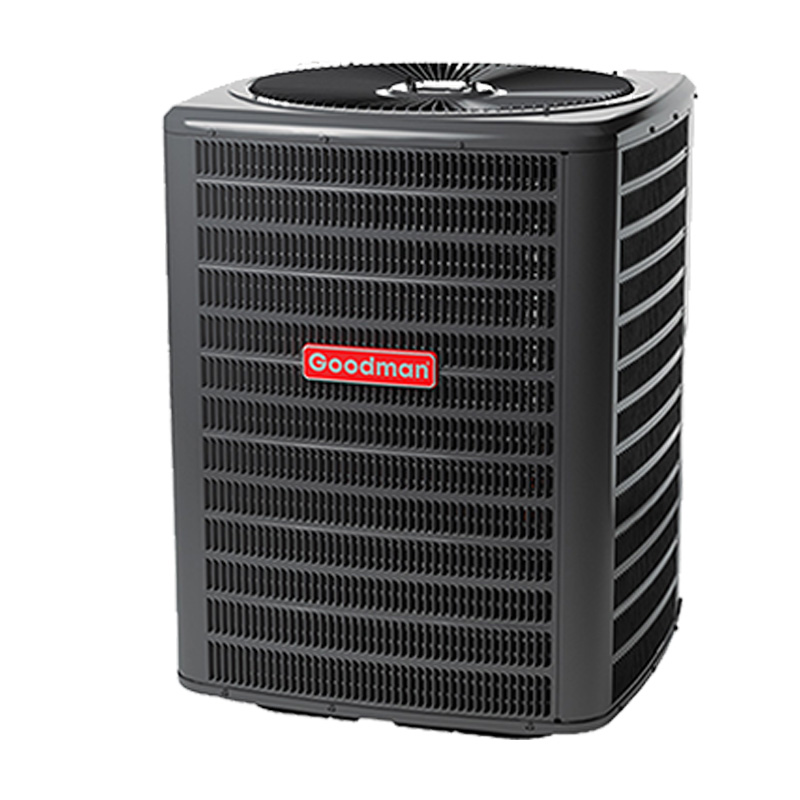
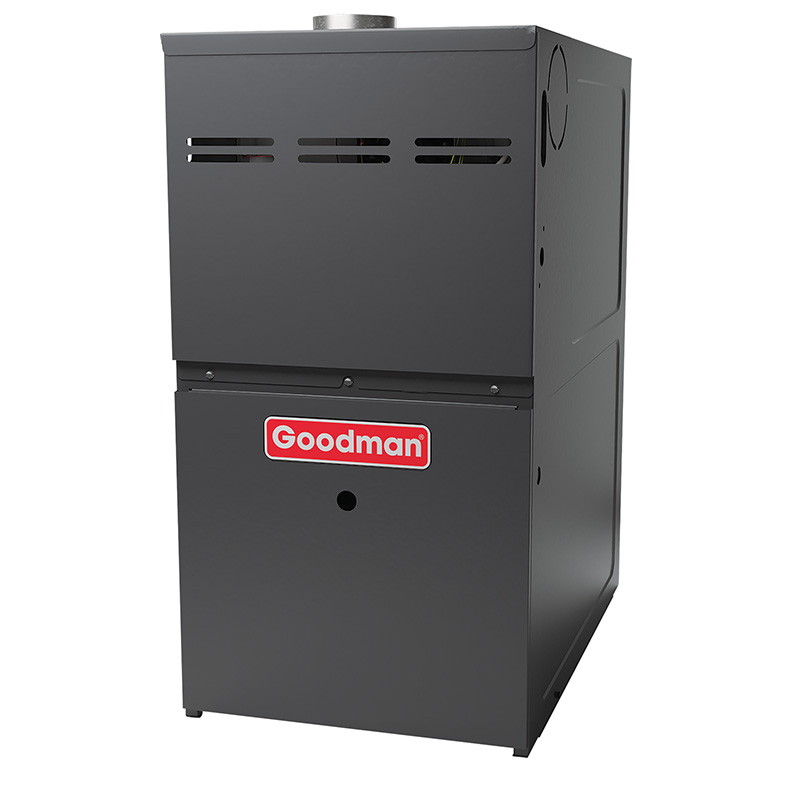
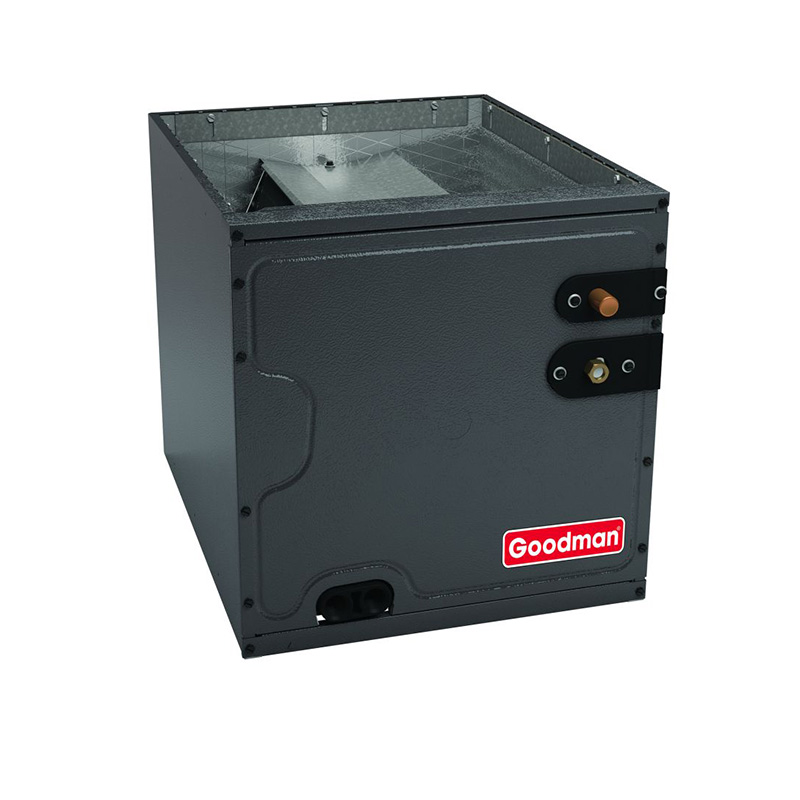
This Goodman bundle pairs a 3-ton, 14.5 SEER2 R-32 air conditioning condenser and matching evaporator coil with a 100,000 BTU 80% AFUE two-stage, variable-speed gas furnace in an upflow configuration. The result is a complete split system aimed at homeowners in roughly 1,400 to 2,200 square feet who want a meaningful step above entry-level single-stage equipment without paying premium-brand prices. Two-stage cooling lets the system run at a lower capacity on mild days, which improves humidity control and keeps temperatures more consistent room to room. The variable-speed air handler further refines airflow, running quietly at lower speeds most of the time and ramping up only when demand calls for it.
The R-32 refrigerant is a notable detail here. R-32 has a lower global warming potential than the R-410A it is replacing across the industry, and it is the direction most manufacturers are heading as regulatory pressure on older refrigerants increases. From a practical ownership standpoint, R-32 systems require technicians certified to handle it, so confirming your installer is familiar with R-32 before signing a contract is worth doing. The upflow configuration suits homes where the furnace sits in a basement or utility closet with ductwork running up through the floor system, which covers the majority of northern-climate installations.
This Goodman bundle delivers genuinely useful upgrades over a basic single-stage system at a price point that is hard to match from premium brands. The trade-off is that Goodman's real-world reliability leans heavily on installer quality, and owners who land a mediocre install or a bad service call can end up frustrated after the seven-year mark. Buyers who vet their installer carefully and budget for a service plan get solid value here.
Overall score is the average of the five ratings above.
What we like
- Two-stage compressor and variable-speed blower provide noticeably better comfort and humidity control versus single-stage systems
- 14.5 SEER2 efficiency qualifies for federal energy efficiency tax credits in many situations
- R-32 refrigerant is the industry direction, making this system more future-ready than R-410A models
- Priced significantly below comparable Carrier, Trane, and Lennox bundles, freeing budget for a quality install or extended service plan
- Matched coil and condenser from the same manufacturer reduces the risk of refrigerant charge issues tied to mismatched components
Trade-offs
- Dual-run capacitors are the most commonly reported failure point, typically appearing after several years and costing $300 to $600 to repair
- Evaporator coil leaks show up in a meaningful share of owner reports, which can be a costly mid-life repair
- Compressor lifespan averages 10 to 14 years versus 15 to 20 years for premium brands, so long-term owners may face earlier replacement
- A minority of owners report refrigerant leaks in the first year, usually traced to install or charge errors rather than factory defects
What homeowners and pros say about Goodman
Homeowners who chose Goodman equipment generally land in one of two camps. Those who had a skilled, experienced installer walk away satisfied with the comfort and relieved at the lower upfront cost, frequently pointing to the affordability as the reason they were able to afford two-stage equipment at all. Those who had a rushed or inexperienced install often end up on channels like ConsumerAffairs, where Goodman sits at roughly 2.5 out of 5 and the recurring theme is repair costs climbing after year seven. The specific failure modes that come up most in owner accounts are dual-run capacitor failures (a relatively inexpensive fix in the $300 to $600 range but annoying), evaporator coil leaks that can become costly mid-life repairs, and a compressor lifespan that averages 10 to 14 years versus the 15 to 20 years owners of premium brands report. A smaller but real share of first-year owners also report refrigerant leaks that investigators typically trace to the install rather than the factory.
HVAC technicians tend to be pragmatic about Goodman. On dealer review platforms the brand averages around 3.8 out of 5 across locations, and working pros often note that a well-installed Goodman runs reliably for years while a poorly installed one from any brand causes problems. The consensus in the trade is that Goodman’s value proposition is real, but it puts more of the reliability burden on the installer than a Carrier, Trane, or Lennox does. For this specific two-stage, variable-speed R-32 system, the additional complexity of R-32 handling and the variable-speed controls means the installer’s familiarity with this generation of equipment matters even more than it does with a basic single-stage unit.
Sources: ConsumerAffairs Goodman owner reviews, AHRI Directory of Certified Product Performance, U.S. DOE appliance and equipment efficiency standards, Goodman product specification sheets.
What it costs to run
At 14.5 SEER2, cooling this 3-ton system for a typical 1200-hour cooling season at the U.S. average electricity rate of $0.17/kWh works out to roughly $506 per year in cooling, about $42 less per year than a minimum-efficiency 13.4 SEER2 unit of the same size. Your real cost depends on your climate and local rate.
Method: (36,000 BTU/hr ÷ 14.5 SEER2) × 1200 hours ÷ 1000 × $0.17/kWh. Rate source: U.S. EIA average; cooling hours: moderate-climate estimate.
How it compares
| Brand | Comparable model | SEER2 | Stage | Price position |
|---|---|---|---|---|
| Goodman | This system (3-ton 14.5 SEER2 two-stage bundle with R-32) | 14.5 | Two-stage | Value pick |
| Carrier | Comfort 24ACC636A003 with fan coil | 14.5-15 | Single-stage | Typically 20 to 25 percent more than this Goodman bundle |
| Trane | XR15 (4TTR5036) with coil | 15 | Single-stage | Typically 20 to 30 percent more than this Goodman bundle |
| Lennox | Merit ML14XC1 with coil | 14.3-15 | Single-stage | Typically 25 to 35 percent more than this Goodman bundle |
Competitor rows are comparable single-stage units at similar efficiency; price is relative position, not a quote.
Questions about this system
Does this system qualify for the federal energy efficiency tax credit?
To claim the 25C tax credit, the cooling side must meet the efficiency thresholds for your climate region (generally 15 SEER2 or higher in northern regions and 15 SEER2 plus EER2 requirements in southern regions). At 14.5 SEER2, this system may or may not qualify depending on your location, so confirm with the AHRI certificate for this specific equipment combination and consult a tax professional before purchasing with the credit in mind.
My current HVAC tech has never worked with R-32 refrigerant. Is that a problem?
It can be. R-32 requires EPA Section 608 certification just like R-410A, but it has different handling characteristics including higher working pressure and mild flammability classification, so technicians unfamiliar with it may not be equipped to charge or service it correctly. Confirm your installer and your go-to service company have hands-on R-32 experience before committing to this system.
What does 'two-stage' actually mean for my comfort and energy bill?
A two-stage system runs at a lower capacity (typically around 65 percent) on mild days and only switches to full output when outdoor temperatures demand it. In practice, this means longer, quieter run cycles that remove more humidity from the air and maintain more even temperatures, rather than the short blasts and temperature swings common with single-stage equipment. Most homeowners in humid climates notice the humidity control benefit more than any reduction in their energy bill.
Goodman reviews online look pretty mixed. Should I be worried?
Goodman scores about 2.5 out of 5 on ConsumerAffairs, a channel that skews heavily toward people who had a problem, and around 3.8 out of 5 on Google dealer reviews where affordability is the most common praise. The most cited issues are capacitor failures, evaporator coil leaks, and compressor lifespan shorter than premium brands. Many negative experiences trace back to poor installs rather than factory defects, which is why installer selection matters more with Goodman than it does with premium brands that have tighter factory support.
This is an upflow furnace. How do I know if my home needs upflow versus downflow or horizontal?
Upflow means the furnace draws return air in at the bottom and discharges conditioned air out the top, so it requires ductwork above the unit. This suits basements and first-floor utility closets where supply ducts run up through the ceiling or into a main trunk above. If your furnace sits in an attic or the ductwork runs beneath the unit, you need a downflow or horizontal configuration instead. Your installer can confirm which configuration matches your duct layout.
Specifications
| Cooling capacity | 3 Ton |
| Efficiency | 14.5 SEER2 |
| Furnace output | 100000 BTU |
| Configuration | Upflow |
| Refrigerant | R-32 |