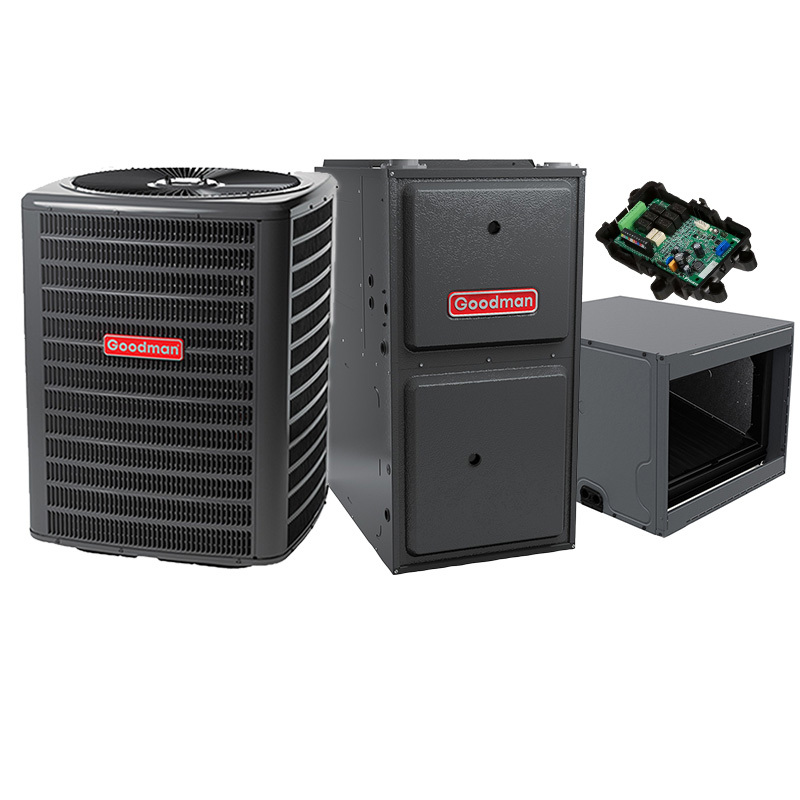
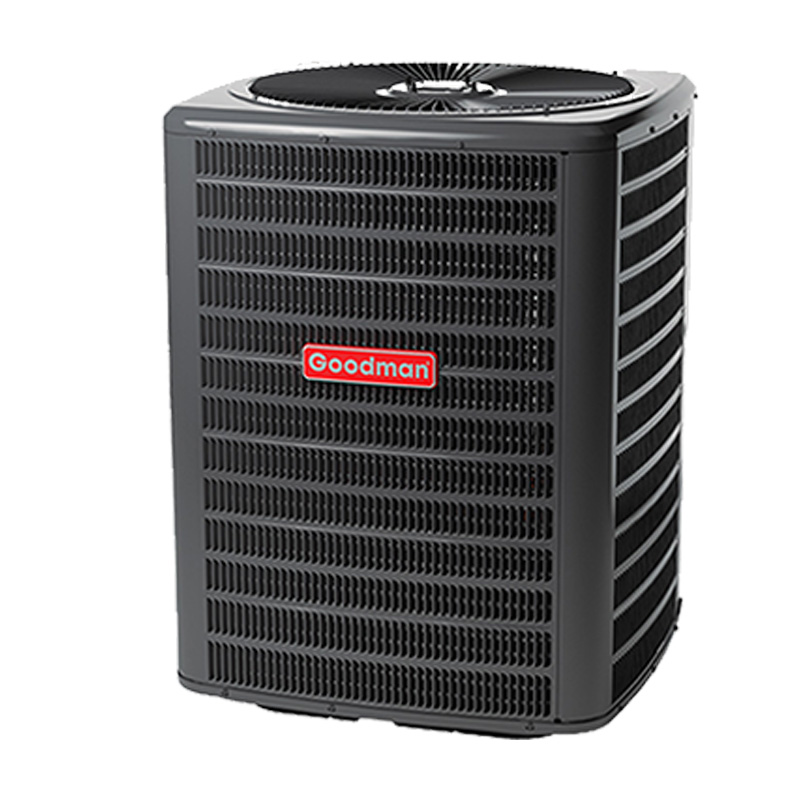
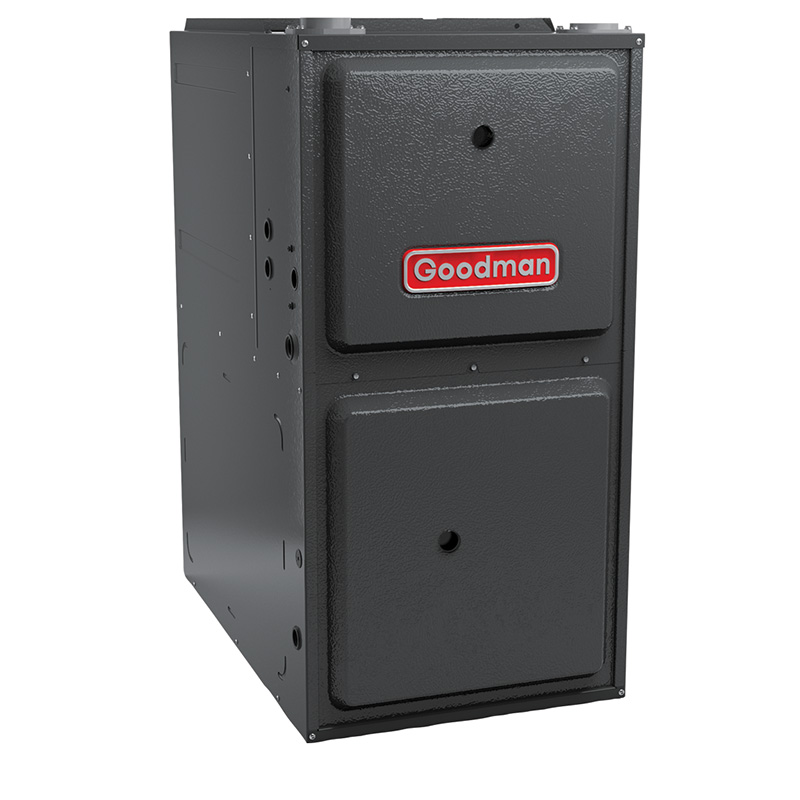
Goodman 1.5 Ton 13.8 SEER2 40000 BTU 96% AFUE Gas Furnace With R32 Air Condenser and Coil System – Horizontal
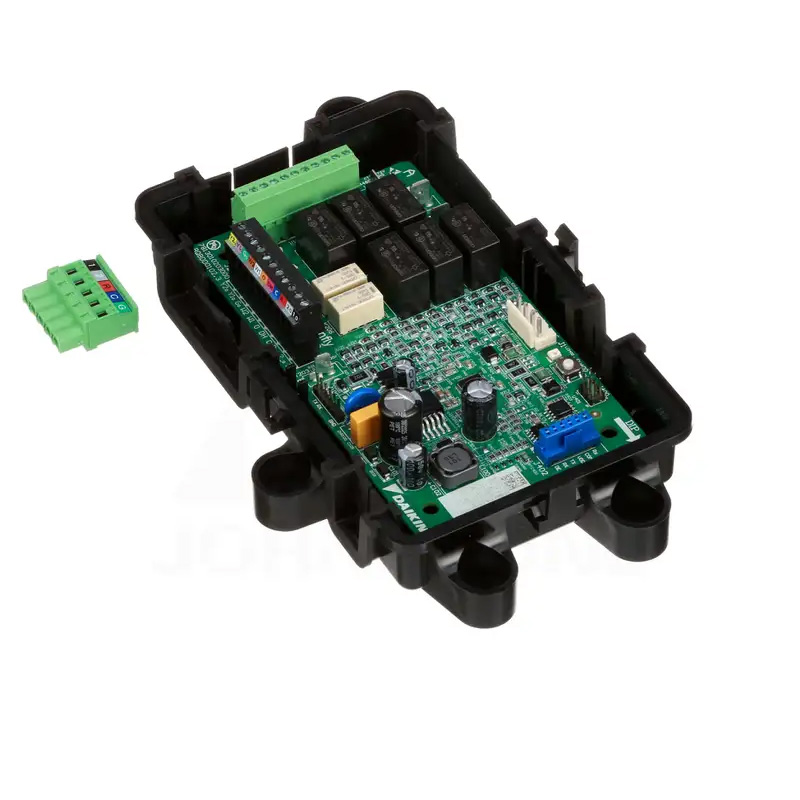
View on AC Direct see your lowest price →Check current price on AC Direct →
Key features
- 96% AFUE single-stage gas furnace, horizontal configuration for attic and crawl-space installs
- 1.5-ton / 40,000 BTU capacity suited to smaller conditioned spaces
- 13.8 SEER2 cooling efficiency meets current federal minimums with real-world savings
- R-32 refrigerant: lower global-warming potential than R-410A, increasingly serviceable
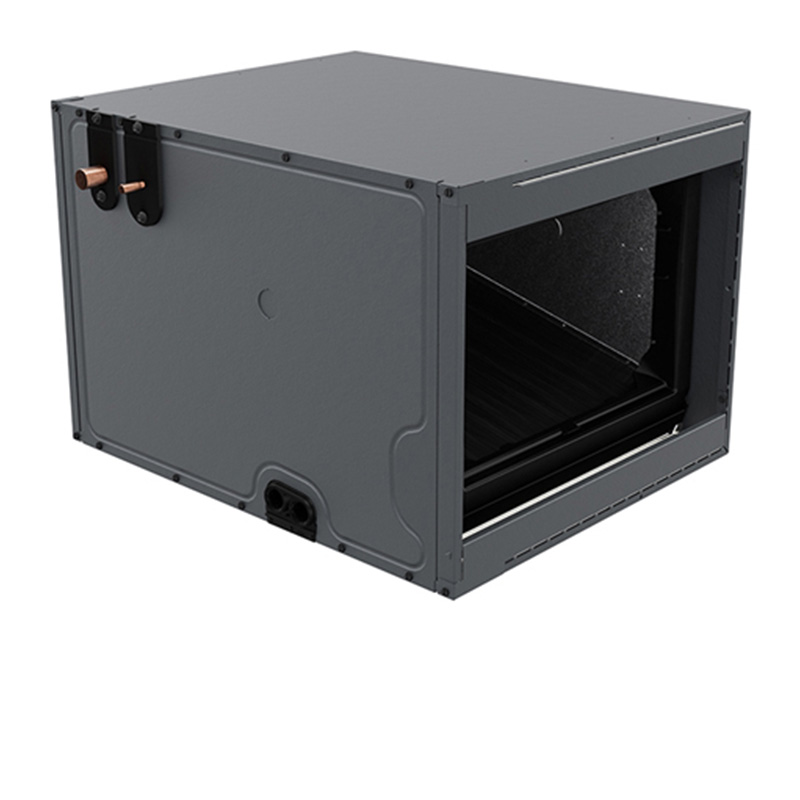
- Factory-matched evaporator coil included for efficiency certification and warranty compliance
- Priced roughly 15 to 25 percent below comparable Trane, Carrier, and Lennox systems
About this system
This Goodman 1.5-ton horizontal gas furnace and air conditioner system is sized for smaller homes, conditioned spaces, or additions in the 600-to-900-square-foot range, depending on climate and insulation. The 40,000 BTU, 96% AFUE furnace sits at the high end of standard-efficiency territory, meaning it converts 96 cents of every dollar of gas into usable heat. For a value-brand unit, that is a strong efficiency number and will show up as genuine savings on heating bills compared to an 80% AFUE system. The horizontal configuration is the important detail here: it is built to lie on its side, making it the right choice for attic installations, crawl spaces with limited vertical clearance, or tight utility closets where an upflow or downflow unit simply will not fit.
The 13.8 SEER2 cooling rating clears the current federal minimums and reflects real-world efficiency under the updated DOE test protocol. It is a single-stage system, meaning the compressor runs at full capacity whenever it is on, which is standard at this price tier and this tonnage. The use of R-32 refrigerant is worth noting: R-32 has a lower global-warming potential than the older R-410A it replaces, and it is increasingly common in new residential equipment. Sourcing R-32 for service calls is becoming easier, but technicians in some rural markets may still need to order it ahead of time. The included coil is matched to the furnace and condenser, which matters for warranty coverage and efficiency certification.
This Goodman horizontal system delivers genuinely strong heating efficiency at a price that undercuts major competitors by a meaningful margin, making it a practical choice for budget-conscious buyers in tight-clearance installs. The trade-offs are real: compressor longevity and coil leak rates trail premium brands, and long-term reliability leans heavily on the quality of the installing contractor. Buyers who prioritize low upfront cost and plan to stay on top of maintenance will find fair value here; those expecting premium-brand durability should budget accordingly.
Overall score is the average of the five ratings above.
What we like
- 96% AFUE furnace delivers high heating efficiency that reduces monthly gas costs noticeably versus 80% AFUE units
- Horizontal-only design is well-suited to attic, crawl-space, and low-clearance utility installations
- Factory-matched coil and condenser simplify installation and preserve warranty coverage
- R-32 refrigerant is environmentally preferable to R-410A and increasingly available for service
- Lower purchase price frees budget for a professional installation, which is the single biggest factor in system longevity
Trade-offs
- Single-stage operation means full-blast cooling only, with less humidity control and more temperature swings than two-stage or variable-speed systems
- Compressor lifespan averages 10 to 14 years, meaningfully shorter than the 15 to 20 years documented for premium brands
- Evaporator coil leaks are a recurring complaint in owner reviews, and repairs can be costly if they fall outside warranty
- R-32 service availability can be limited in rural or smaller markets, potentially adding cost and wait time for repairs
What homeowners and pros say about Goodman
On ConsumerAffairs, Goodman as a brand scores around 2.5 out of 5, but that platform skews toward frustrated owners motivated to post complaints. The recurring theme in those reviews is repair costs climbing after roughly year 7, which aligns with the documented compressor lifespan of 10 to 14 years and the reported incidence of evaporator coil leaks. Dual-run capacitor failures come up frequently too, though owners generally note those are quick, lower-cost repairs in the 300-to-600-dollar range. Google dealer reviews tell a somewhat different story, averaging around 3.8 out of 5 across multiple locations, with affordability cited most often as the reason buyers chose the brand and were satisfied with the outcome.
HVAC technicians who work on Goodman equipment regularly tend to hold a pragmatic view of this horizontal system specifically. The 96% AFUE rating on the furnace is genuine and competitive at any price point. The R-32 refrigerant transition is seen as a net positive for the environment and increasingly workable in the field. What pros consistently flag is that a first-year refrigerant leak, when it happens, usually points to a charging error at install rather than a factory defect. That reinforces the industry-wide consensus: with Goodman, the quality of the contractor doing the work matters more than with premium brands. Buyers who pair this system with an experienced, careful installer and register the warranty promptly tend to report outcomes that reflect the 3.8 Google average far more than the 2.5 complaint-board score.
Sources: ConsumerAffairs Goodman owner reviews, AHRI Directory of Certified Product Performance, U.S. DOE appliance and equipment efficiency standards, Goodman product specification sheets.
What it costs to run
At 13.8 SEER2, cooling this 1.5-ton system for a typical 1200-hour cooling season at the U.S. average electricity rate of $0.17/kWh works out to roughly $266 per year in cooling, about $8 less per year than a minimum-efficiency 13.4 SEER2 unit of the same size. Your real cost depends on your climate and local rate.
Method: (18,000 BTU/hr ÷ 13.8 SEER2) × 1200 hours ÷ 1000 × $0.17/kWh. Rate source: U.S. EIA average; cooling hours: moderate-climate estimate.
How it compares
| Brand | Comparable model | SEER2 | Stage | Price position |
|---|---|---|---|---|
| Goodman | 1.5T 13.8 SEER2 / 40K BTU 96% AFUE Horizontal | 13.8 | Single-stage | Value pick |
| Carrier | Performance 13 (24ACC3 / 58TP) matched system | 13.8 | Single-stage | Roughly 15 to 25 percent higher than this Goodman |
| Trane | XR13c / S9X1 matched system | 14.0 | Single-stage | Roughly 20 to 30 percent higher than this Goodman |
| Lennox | Merit 13ACX / ML196 matched system | 13.8 | Single-stage | Roughly 20 to 25 percent higher than this Goodman |
Competitor rows are comparable single-stage units at similar efficiency; price is relative position, not a quote.
Questions about this system
Why is this system labeled horizontal-only, and can I install it upflow if I need to?
The horizontal designation means the air handler and coil assembly is engineered and tested with the unit lying on its side. Installing it in a different orientation than specified can void the warranty, compromise drainage, and create safety issues. If you need upflow or downflow, you would need to select a different cabinet configuration from Goodman's lineup.
Is R-32 refrigerant easy to find if the system needs a charge or a repair?
R-32 availability is improving steadily as it replaces R-410A across the industry, and most large HVAC supply houses now stock it. In rural or smaller markets, some technicians may need to order it, so ask your contractor about local supply before committing. Early-year refrigerant loss is one of the documented issues with Goodman installations, often tied to charge errors at install rather than the equipment itself.
What are the most common repairs this system will need, and what do they typically cost?
Dual-run capacitors are the most frequently reported failure on Goodman condensers and usually run 300 to 600 dollars to diagnose and replace, making them a relatively affordable fix. Evaporator coil leaks show up in a meaningful share of owner reviews and are more expensive, particularly once the labor-only warranty period expires. Keeping up with annual maintenance and protecting the coil from debris can delay or prevent both issues.
What warranty does this Goodman system carry, and what does it actually cover?
Goodman's standard registered warranty on matched systems includes a 10-year parts warranty when the unit is registered within a set window after installation. The warranty covers parts but not labor, which is where repair costs climb in later years. Some dealers offer optional extended labor warranties, and it is worth pricing those out at install time given Goodman's documented repair history after year 7.
How important is contractor selection for a system like this, and what should I look for?
Technicians consistently cite install quality as the single biggest driver of how long a Goodman system lasts, more so than with premium brands that tolerate minor setup variations better. Look for a contractor who regularly installs Goodman equipment, pulls the required permits, performs a proper Manual J load calculation, and verifies refrigerant charge with gauges. A minority of early refrigerant leak reports are traced back to improper charging at install, which a careful technician avoids.
Specifications
| Cooling capacity | 1.5 Ton |
| Efficiency | 13.8 SEER2 |
| Furnace output | 40000 BTU |
| Furnace efficiency | 96% AFUE |
| Configuration | Horizontal |
| Refrigerant | R-32 |