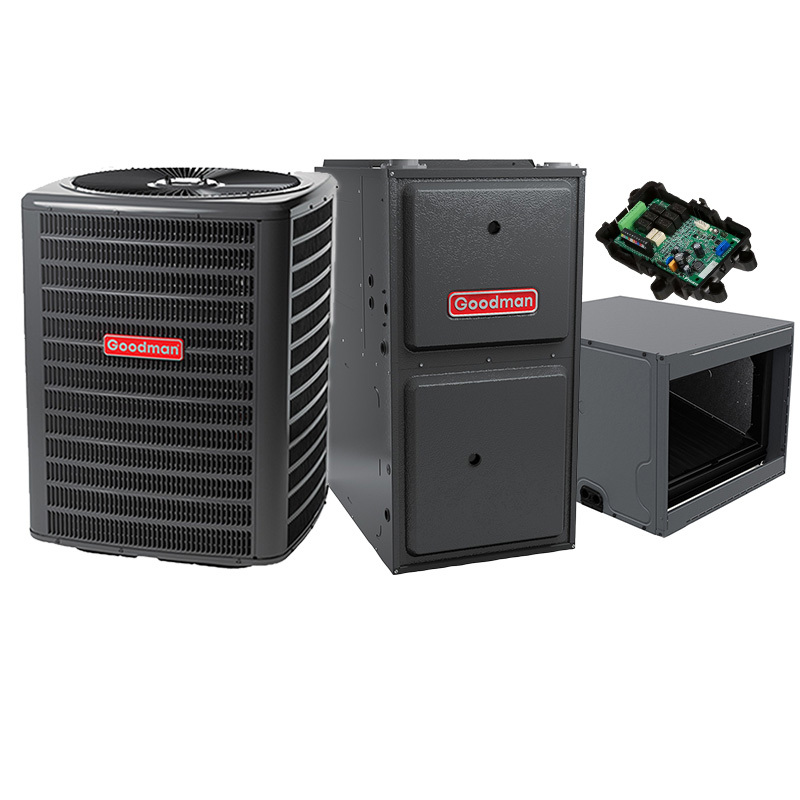
Goodman 1.5 Ton 14 SEER2 60000 BTU 96% AFUE Gas Furnace With R32 Air Condenser and Coil System – Horizontal
View on AC Direct see your lowest price →Check current price on AC Direct →
Key features
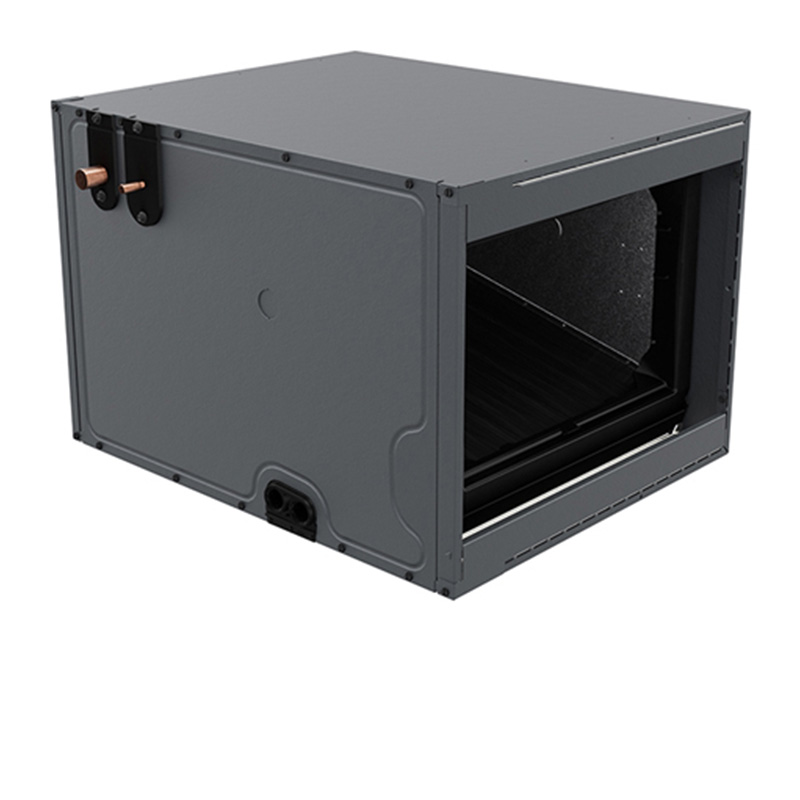
- Horizontal coil configuration for crawlspace, under-floor, or tight attic installs
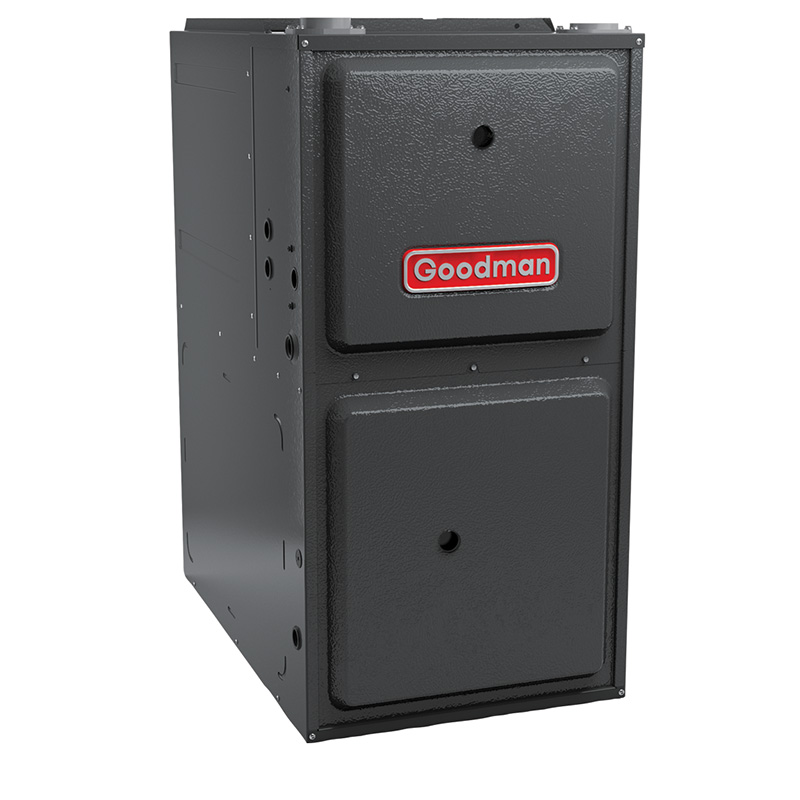
- 96% AFUE gas furnace rated at 60,000 BTU input
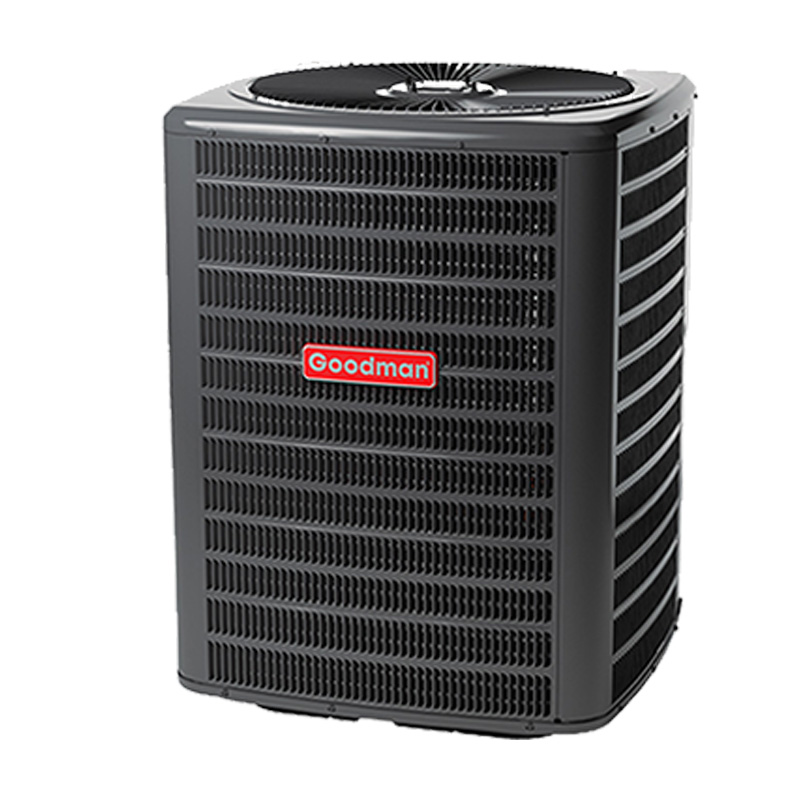
- 1.5-ton condenser rated at 14 SEER2, meeting current federal minimum efficiency
- R-32 refrigerant with lower global warming potential than R-410A
- Single-stage cooling and heating operation
- Matched system sold as a coil-included bundle, simplifying equipment sourcing
About this system
This Goodman horizontal system pairs a 1.5-ton, 14 SEER2 air condenser with a 60,000 BTU, 96% AFUE gas furnace and an evaporator coil sized for smaller conditioned spaces, typically homes or additions in the 600 to 900 square foot range depending on climate and insulation. The horizontal configuration is the defining feature here: the air handler and coil sit on their sides, making this the right choice when installation space runs under a floor, through a crawlspace, or in a tight attic where a vertical unit simply will not fit. If your layout demands horizontal airflow, your options narrow considerably, and this system fills that gap at a realistic price point.
On the efficiency side, 14 SEER2 sits at the current federal minimum for most northern U.S. regions and just above it in the Southwest and Southeast, so you are not paying a premium for efficiency you may not need in a mild climate or a smaller zone. The 96% AFUE rating on the furnace is genuinely strong, meaning only about four cents of every heating dollar escapes as exhaust, which matters in colder climates where the furnace does the heavy lifting for six or more months. R-32 refrigerant is a forward-looking choice, carrying a lower global warming potential than the R-410A it replaces and increasingly common in new residential equipment. Just note that not every technician in every market is yet certified to handle R-32, so confirming your installer is qualified before purchase is a practical step, not a minor footnote.
This system earns its place as a budget-conscious solution for homeowners with a genuine horizontal installation constraint and no ambition to pay premium-brand prices for a smaller zone. The 96% AFUE furnace punches above the price point, but single-stage operation and Goodman's documented mid-life repair tendencies mean the lowest upfront cost is not always the lowest ten-year cost. It is a reasonable buy when installed correctly by a qualified technician who is R-32 certified.
Overall score is the average of the five ratings above.
What we like
- Horizontal configuration addresses an installation need that most standard systems cannot accommodate
- 96% AFUE is a high-efficiency furnace rating that genuinely reduces heating bills in cold climates
- Priced 15 to 25 percent below comparable Carrier, Trane, and Lennox systems
- R-32 refrigerant is more environmentally responsible than outgoing R-410A
- Bundled coil reduces the guesswork of matching components from separate purchases
Trade-offs
- Single-stage operation means the system runs at full capacity or not at all, which can cause humidity and comfort issues in shoulder seasons
- Goodman compressors average 10 to 14 years versus 15 to 20 for premium brands, raising the long-run replacement math
- Evaporator coil leaks and early refrigerant charge issues appear in a meaningful share of owner feedback, making installer quality critical
- R-32 certification is not universal yet, which can complicate future service calls in some markets
What homeowners and pros say about Goodman
Homeowners who have lived with a Goodman system tend to land in one of two camps, and the divide usually traces back to how the equipment was installed. On Google dealer reviews, where the audience includes buyers who have moved through the full purchase and installation process, Goodman averages around 3.8 out of 5 across hundreds of reviews per location, with affordability cited as the clearest reason to choose it. On ConsumerAffairs, a platform where frustrated owners are more likely to leave feedback, the picture shifts to roughly 2.5 out of 5, and the recurring pattern in those complaints is repair costs that start climbing after about year seven. For a horizontal system like this one, where the installation is already more involved than a standard upflow setup, that install-quality variable is especially important to take seriously.
HVAC technicians are generally candid about where Goodman systems tend to give trouble. Dual-run capacitors are the most frequently reported failure point and are usually a straightforward 300 to 600 dollar fix when they go. Evaporator coil leaks appear in a notable share of owner reports, which is worth factoring in when evaluating the long-term cost picture. Compressor lifespan is another honest trade-off: Goodman compressors typically average 10 to 14 years in real-world service, compared to 15 to 20 years that owners of Carrier, Trane, and Lennox systems more often see. For a 1.5-ton horizontal application in a budget-driven project, this system is a reasonable choice. Going in with clear eyes about those documented failure tendencies, and budgeting accordingly, is the most useful thing a buyer can do.
Sources: ConsumerAffairs Goodman owner reviews, AHRI Directory of Certified Product Performance, U.S. DOE appliance and equipment efficiency standards, Goodman product specification sheets.
What it costs to run
At 14 SEER2, cooling this 1.5-ton system for a typical 1200-hour cooling season at the U.S. average electricity rate of $0.17/kWh works out to roughly $262 per year in cooling, about $12 less per year than a minimum-efficiency 13.4 SEER2 unit of the same size. Your real cost depends on your climate and local rate.
Method: (18,000 BTU/hr ÷ 14 SEER2) × 1200 hours ÷ 1000 × $0.17/kWh. Rate source: U.S. EIA average; cooling hours: moderate-climate estimate.
How it compares
| Brand | Comparable model | SEER2 | Stage | Price position |
|---|---|---|---|---|
| Goodman | 1.5T 14 SEER2 / 96% AFUE Horizontal Bundle | 14 | Single-stage | Value pick |
| Carrier | Comfort Series (24ACC6 condenser / 58TP furnace) | 14-15 | Single-stage | Typically 15 to 25 percent more than this Goodman bundle |
| Trane | XR14 condenser / XC80 furnace | 14 | Single-stage | Typically 20 to 30 percent more than this Goodman bundle |
| Lennox | Merit Series ML14 condenser / ML196 furnace | 14-15 | Single-stage | Typically 20 to 25 percent more than this Goodman bundle |
Competitor rows are comparable single-stage units at similar efficiency; price is relative position, not a quote.
Questions about this system
Why does this system have to be installed horizontally, and can I install it vertically if I want to?
The evaporator coil in this bundle is specifically designed and certified in a horizontal orientation, meaning the drain pan, refrigerant flow, and airflow paths are engineered for that position. Installing it vertically would compromise drainage and potentially violate the system's efficiency certification. If your space allows a vertical install, you would need to purchase a different coil configuration.
Is my HVAC technician able to work on R-32 refrigerant, and does it cost more to service?
R-32 requires EPA Section 608 certification, which most licensed technicians already hold, but handling R-32 specifically also requires training on its mildly flammable classification (A2L). Not every technician in every market has completed that training yet. Before purchasing, confirm your preferred installer is qualified, and keep in mind that R-32 recovery equipment is not yet as widespread as R-410A equipment, which can affect service availability in rural areas.
Goodman reviews online look pretty mixed. Should I be worried about reliability?
Goodman carries a ConsumerAffairs rating of around 2.5 out of 5, though that platform skews toward complaint-driven feedback. Google dealer reviews average closer to 3.8 out of 5, where affordability draws consistent praise. The documented weak points are real: dual-run capacitors are the most common failure and usually cost 300 to 600 dollars to fix, evaporator coil leaks appear in a meaningful share of owner reports, and compressors tend to last 10 to 14 years rather than the 15 to 20 years typical of premium brands. A quality installation and a service plan can offset some of that risk.
Is 14 SEER2 going to meet the new federal efficiency requirements in my state?
For most northern U.S. states, 14 SEER2 meets the current federal minimum for a split system. In the Southwest and Southeast regions, the minimum for new split-system installs is higher, so you should verify your regional requirement with your installer or local utility before purchasing. If you are in a higher-minimum region, this unit may not be code-compliant for a new installation.
What size home or space is 1.5 tons and 60,000 BTU appropriate for?
A rough rule of thumb places 1.5 tons at roughly 600 to 900 square feet of conditioned space, but the real answer depends heavily on your climate zone, insulation levels, window area, and ceiling height. The 60,000 BTU furnace capacity suits a similar range in a moderately cold climate. A Manual J load calculation done by your installer is the only reliable way to confirm this system is sized correctly for your specific space, and an undersized or oversized system will underperform regardless of brand.
Specifications
| Cooling capacity | 1.5 Ton |
| Efficiency | 14 SEER2 |
| Furnace output | 60000 BTU |
| Furnace efficiency | 96% AFUE |
| Configuration | Horizontal |
| Refrigerant | R-32 |