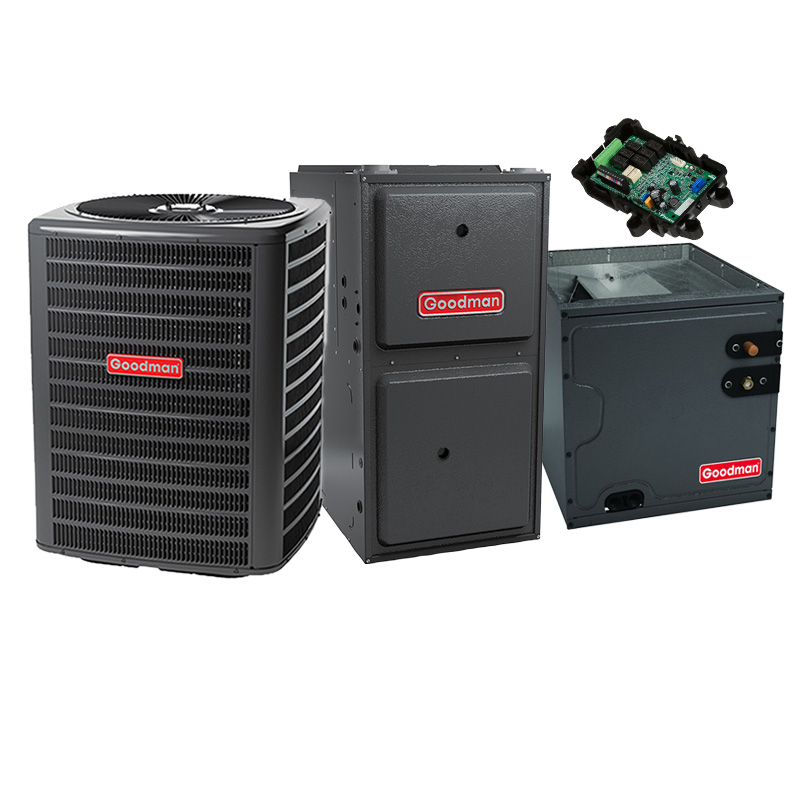
Goodman 2 Ton 14 SEER2 80000 BTU 96% AFUE Gas Furnace With R32 Air Condenser and Coil System – Upflow
View on AC Direct see your lowest price →Check current price on AC Direct →
Key features
- 96% AFUE gas furnace recovers nearly all combustion energy as usable heat
- 14 SEER2 cooling efficiency meets current federal minimum standards
- R-32 refrigerant with a lower global-warming potential than R-410A
- 80,000 BTU heating capacity suited to smaller homes with adequate insulation
- Upflow cabinet design for basement or floor-level closet installations
- Factory-matched coil included, simplifying sourcing and preserving warranty coverage
About this system
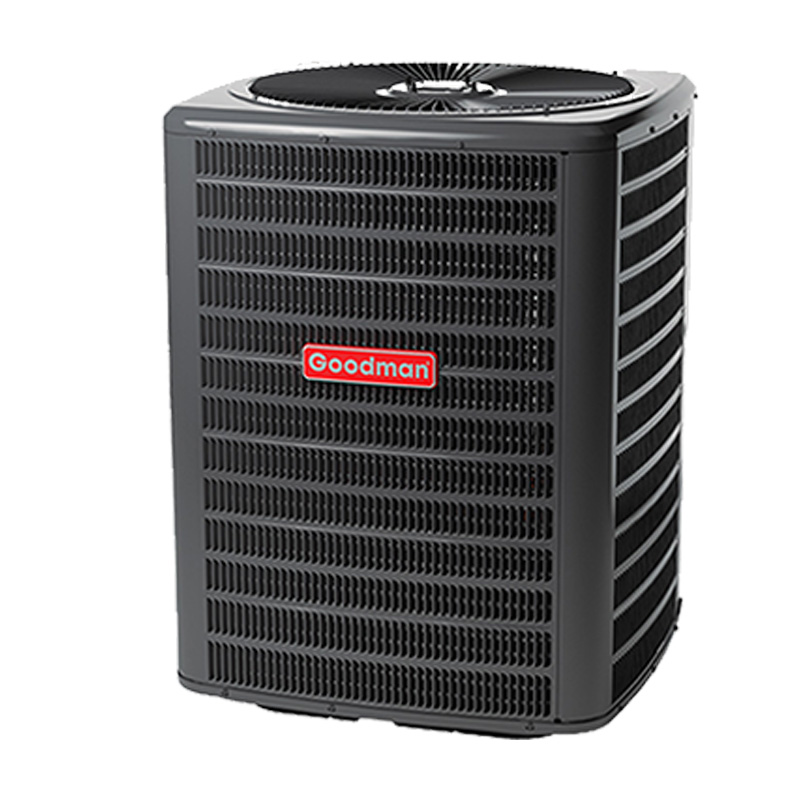
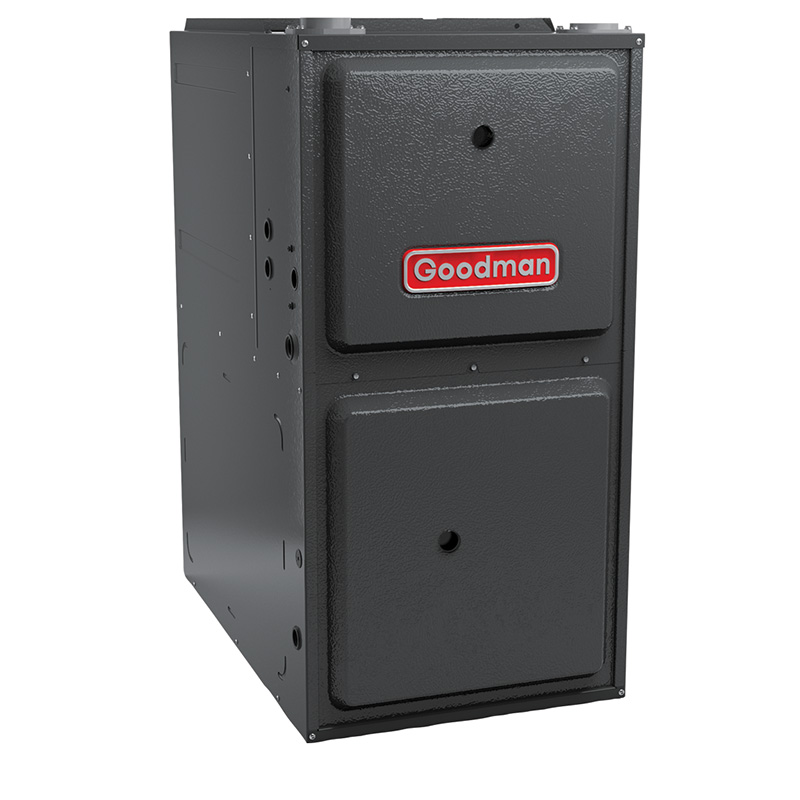
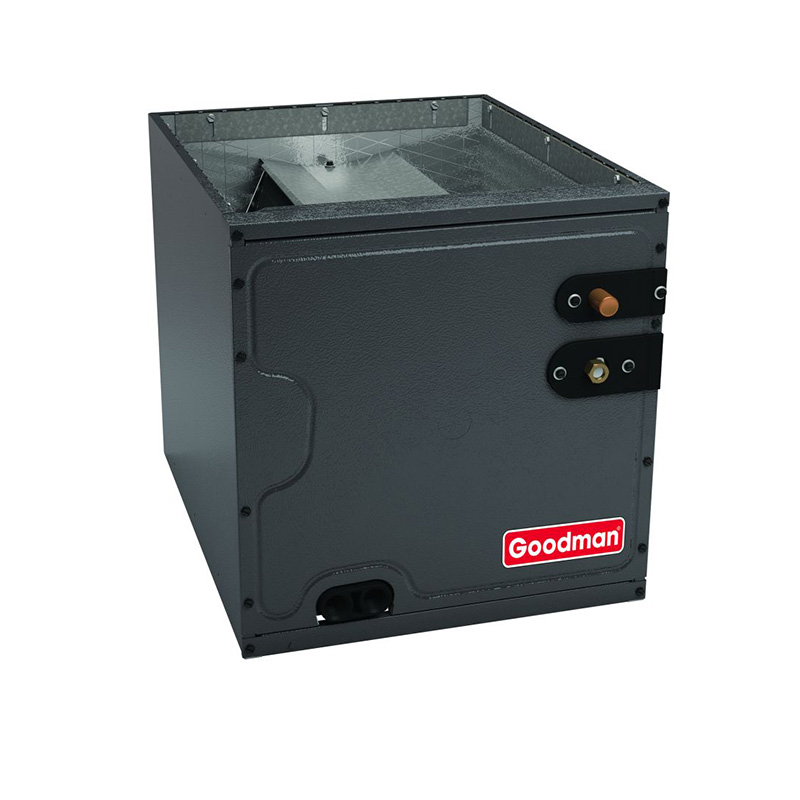
This Goodman bundle pairs a 2-ton, 14 SEER2 air condenser with a 96% AFUE, 80,000 BTU upflow gas furnace and a matching evaporator coil. The combination is sized for smaller homes, typically in the 800 to 1,200 square foot range depending on your climate zone, local heat load, and insulation quality. At 14 SEER2, the cooling side meets the current federal minimum for most northern regions and sits just above the floor for southern states, meaning it is code-compliant but not a high-efficiency standout. The 96% AFUE furnace, however, is a genuinely strong number at this price tier, recovering 96 cents of heat energy from every dollar of gas burned and qualifying for many utility rebates.
The system uses R-32 refrigerant, a lower global-warming-potential alternative to the R-410A that dominated the market for the past two decades. R-32 is mildly flammable, which means your installer must be certified to handle it, and not every technician in every market has that certification yet. The upflow configuration moves conditioned air upward through the furnace cabinet, making it the correct fit for installations in a basement or closet where ductwork runs above the unit. Anyone with a crawlspace or attic application should look at downflow or horizontal configurations instead. This is a single-stage system throughout, so it runs at full capacity or not at all, which is efficient enough for steady cold snaps but can lead to short cycling and uneven humidity control on mild days.
This Goodman bundle delivers a solid 96% AFUE furnace at a price point that is hard to match, and the included matched coil removes one sourcing headache from your installer's day. The trade-off is entry-level cooling efficiency, single-stage operation, and a brand track record that depends heavily on who does the install and how diligently you maintain it. Buyers who want low upfront cost and are comfortable with the possibility of a repair call in years seven through ten will find it a reasonable bet.
Overall score is the average of the five ratings above.
What we like
- 96% AFUE furnace is a high-efficiency rating at a value brand price
- Priced roughly 15 to 25 percent below comparable Trane, Lennox, and Carrier systems
- Factory-matched coil is included, reducing compatibility guesswork
- R-32 refrigerant has a lower environmental footprint than R-410A
- Straightforward single-stage components are simpler and cheaper for a technician to diagnose
Trade-offs
- 14 SEER2 is the efficiency floor, not a standout, and utility savings will be modest compared to 16+ SEER2 options
- Single-stage operation can cause short cycling on mild days, leading to uneven humidity control
- Compressor lifespan averages 10 to 14 years, shorter than the 15 to 20 years seen in premium brands
- R-32 handling requires a certified technician, which may limit your service options in some markets
What homeowners and pros say about Goodman
Homeowners who go the Goodman route often point to the upfront savings as the deciding factor, and that tracks with the brand’s Google dealer review average of around 3.8 out of 5, where affordability comes up more than almost anything else. On the other end, ConsumerAffairs scores the brand at roughly 2.5 out of 5, a channel that skews toward people with complaints, and the recurring theme in those complaints is repair costs that climb noticeably after the seven-year mark. Neither number tells the whole story, but together they sketch a brand that delivers acceptable performance when it is installed and maintained well, and frustrates owners who experience problems and feel the warranty support is not as smooth as they hoped.
HVAC technicians tend to have a pragmatic view of Goodman. They note that dual-run capacitor failures are a well-documented weak point, though the fix is relatively inexpensive in the 300 to 600 dollar range and not a sign of deeper trouble on its own. Evaporator coil leaks show up in a meaningful portion of owner feedback, and refrigerant leaks within the first year are usually traced back to installation or initial charge quality rather than a factory defect. Compressor longevity is genuinely shorter on average, around 10 to 14 years versus the 15 to 20 years commonly seen from Trane, Carrier, or Lennox equipment, which matters when you are deciding whether the upfront savings offset a potentially earlier replacement cycle. The consistent professional advice is that the installer you choose matters at least as much as the brand you buy.
Sources: ConsumerAffairs Goodman owner reviews, AHRI Directory of Certified Product Performance, U.S. DOE appliance and equipment efficiency standards, Goodman product specification sheets.
What it costs to run
At 14 SEER2, cooling this 2-ton system for a typical 1200-hour cooling season at the U.S. average electricity rate of $0.17/kWh works out to roughly $350 per year in cooling, about $15 less per year than a minimum-efficiency 13.4 SEER2 unit of the same size. Your real cost depends on your climate and local rate.
Method: (24,000 BTU/hr ÷ 14 SEER2) × 1200 hours ÷ 1000 × $0.17/kWh. Rate source: U.S. EIA average; cooling hours: moderate-climate estimate.
How it compares
| Brand | Comparable model | SEER2 | Stage | Price position |
|---|---|---|---|---|
| Goodman | 2 Ton 14 SEER2 / 80K BTU 96% AFUE Upflow Bundle | 14 | Single-stage | Value pick |
| Carrier | Performance 14 (24ACC4) with 58TP furnace | 14 | Single-stage | Typically 15 to 25 percent more than this Goodman bundle |
| Trane | XR14c with S9X2 furnace | 14-15 | Single-stage | Typically 20 to 30 percent more than this Goodman bundle |
| Lennox | Merit 14ACX with ML96 furnace | 14 | Single-stage | Typically 20 to 25 percent more than this Goodman bundle |
Competitor rows are comparable single-stage units at similar efficiency; price is relative position, not a quote.
Questions about this system
Is 2 tons enough for my house, or should I go with 2.5?
Two tons is generally appropriate for homes in the 800 to 1,200 square foot range, but the right size depends on your climate, insulation, window area, and ceiling height. An oversized unit will short-cycle and leave humidity problems behind, so get a Manual J load calculation from your installer before committing to any tonnage.
What does the R-32 refrigerant mean for me practically?
R-32 has a lower global-warming potential than the R-410A it largely replaces, which is a plus. The practical catch is that it is mildly flammable, so any technician who services the refrigerant circuit must hold the appropriate certification. Confirm your local contractors are R-32 certified before you buy, since not all markets have caught up yet.
What is the most common repair I should budget for down the road?
Dual-run capacitor failures are the most frequently reported issue on Goodman equipment. The repair typically runs in the 300 to 600 dollar range, and most HVAC techs can complete it in under an hour. Evaporator coil leaks and refrigerant charge issues have also shown up in owner reviews, so keeping up with annual maintenance checks is worthwhile.
Does the upflow configuration matter if I install the air handler in a utility closet on the main floor?
Yes, it matters. Upflow means the furnace pulls return air from the bottom and discharges heated or cooled air from the top into overhead ductwork. If your ductwork runs below the unit, or if you need a horizontal installation in an attic, this cabinet orientation will not work and you will need a different configuration.
What warranty does Goodman provide on this system, and is there anything I need to do to activate it?
Goodman typically offers a 10-year parts warranty on registered systems, including the compressor and heat exchanger, but you generally must register the product within a set window after installation to receive the full term. Failure to register often drops coverage to five years, so confirm the registration requirement with your installer and complete it promptly after startup.
Specifications
| Cooling capacity | 2 Ton |
| Efficiency | 14 SEER2 |
| Furnace output | 80000 BTU |
| Furnace efficiency | 96% AFUE |
| Configuration | Upflow |
| Refrigerant | R-32 |