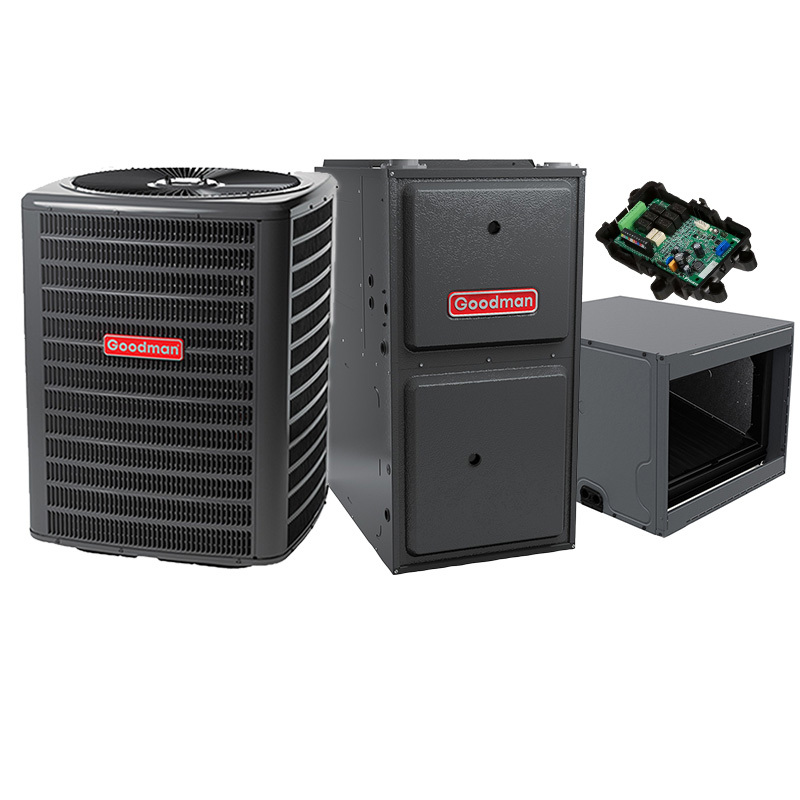
Goodman 2.5 Ton 13.8 SEER2 80000 BTU 96% AFUE Gas Furnace With R32 Air Condenser and Coil System – Horizontal
View on AC Direct see your lowest price →Check current price on AC Direct →
Key features
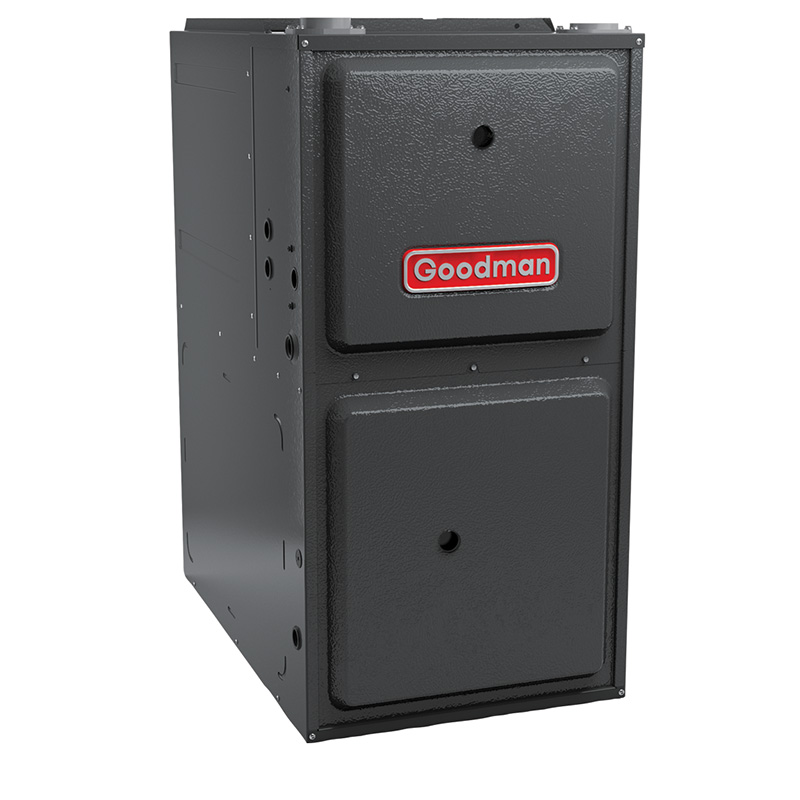
- 96% AFUE two-stage-compatible gas furnace rated at 80,000 BTU
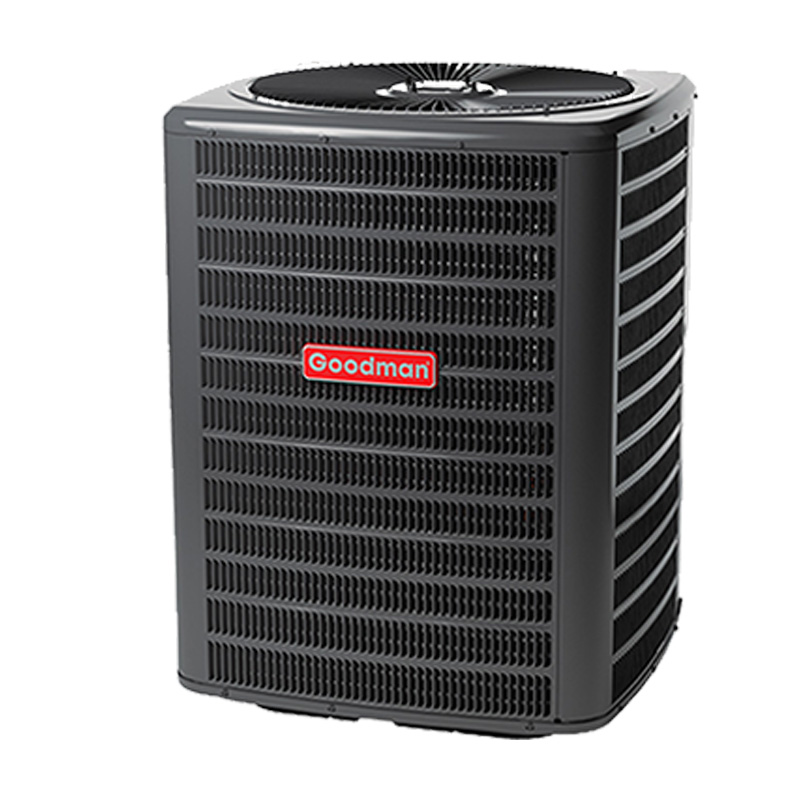
- 2.5-ton R-32 air condenser rated at 13.8 SEER2
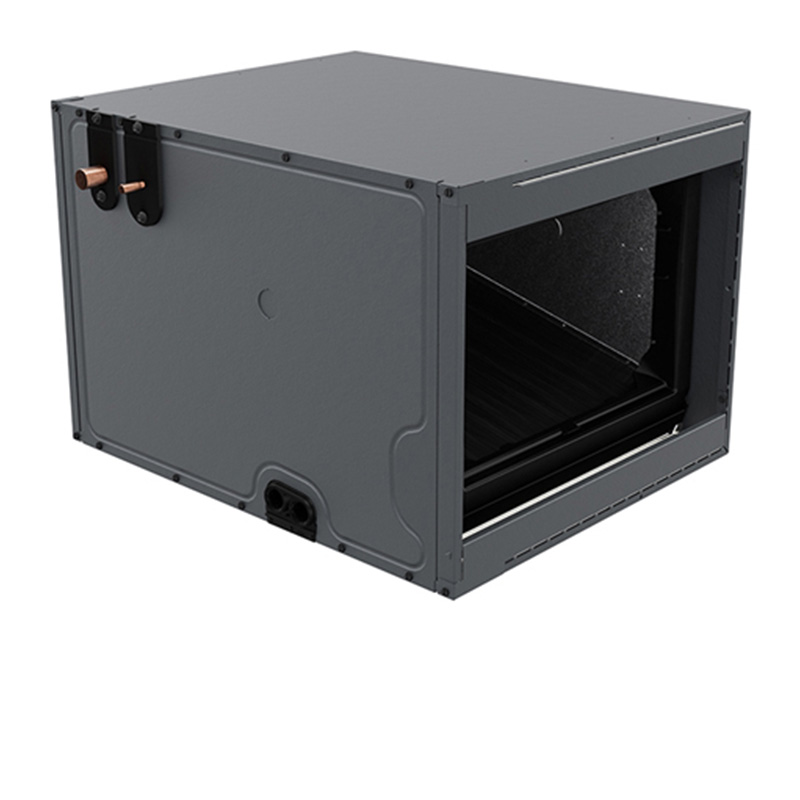
- Horizontal cabinet orientation engineered for attic and crawl-space installs
- R-32 refrigerant with lower global-warming potential than R-410A
- Matched coil included, factory-tested as a system for consistent performance
- Goodman 10-year parts warranty with registration within 60 days of install
About this system
This Goodman bundle pairs a 2.5-ton, 13.8 SEER2 R-32 air condenser and matching evaporator coil with an 80,000 BTU, 96% AFUE gas furnace in a horizontal configuration. The horizontal layout is specifically designed for attic installations or tight crawl-space mechanical rooms where a vertical cabinet simply will not fit. At 2.5 tons, the cooling side is sized for roughly 1,200 to 1,600 square feet of well-insulated living space, though a proper Manual J load calculation should always drive that decision. The 96% AFUE rating places the furnace in the high-efficiency tier, meaning only about four cents of every dollar spent on gas escapes unused, which can produce real savings over an 80% unit in colder climates with long heating seasons.
The condenser uses R-32 refrigerant, a lower global-warming-potential fluid that is now appearing across mid-market equipment as the industry moves away from R-410A. R-32 requires technicians with updated training and equipment, so confirm your installer is certified to handle it before booking the job. At 13.8 SEER2, efficiency sits just above the federal minimums that took effect in 2023 for most U.S. regions, meaning this system meets the legal threshold but will not deliver the operating-cost reductions that a 17 or 18 SEER2 unit would. That trade-off is the core of the value proposition here: lower purchase price today in exchange for slightly higher utility bills over the system’s life.
This system offers a cost-accessible entry into high-efficiency gas heating paired with code-compliant air conditioning, and the horizontal configuration solves a real installation problem for attic-mounted equipment. The trade-offs are real: compressor longevity trails premium brands, coil leaks appear in a meaningful share of owner histories, and long-term reliability leans heavily on the quality of the installing contractor. Buyers who prioritize low upfront cost and are comfortable budgeting for potential repairs around the seven- to ten-year mark will find this a reasonable fit.
Overall score is the average of the five ratings above.
What we like
- 96% AFUE furnace delivers genuine fuel savings over 80% units in heating-heavy climates
- Horizontal configuration is one of the few options purpose-built for attic mechanical rooms
- R-32 refrigerant is the emerging mid-market standard, future-proofing the refrigerant side
- Priced roughly 15 to 25 percent below comparable Trane, Lennox, and Carrier bundles
- Matched coil and condenser shipped as a tested system, reducing compatibility guesswork
Trade-offs
- Compressor lifespan averages 10 to 14 years versus 15 to 20 years for premium-brand compressors
- Evaporator coil leaks appear in a notable share of owner reviews, a documented weak point
- 13.8 SEER2 is only marginally above current federal minimums, so monthly cooling bills will be higher than mid-tier or high-efficiency alternatives
- Overall reliability is strongly tied to installer quality, and a poor installation can accelerate the known failure modes
What homeowners and pros say about Goodman
Homeowners who have lived with Goodman equipment tend to split along a familiar line. Those who had a skilled contractor handle the install and set up the system correctly often report years of uninterrupted service and point to the lower purchase price as the reason they chose Goodman. That sentiment shows up in Google dealer reviews, where the brand averages around 3.8 out of 5 stars across hundreds of location-based reviews, with affordability cited most often as the reason for a positive experience. The other side of that story surfaces on complaint-weighted platforms like ConsumerAffairs, where Goodman sits around 2.5 out of 5, and the recurring theme is repair costs that start climbing after roughly year seven, particularly around the evaporator coil and compressor.
HVAC technicians who service Goodman equipment regularly tend to describe it as adequate hardware that punishes poor installation more than premium brands do. The dual-run capacitor is the part they replace most often on Goodman condensers, and while it is a low-cost repair, its frequency is higher than on Carrier or Trane equipment of comparable age. Coil leaks are the failure mode that generates the most frustration from owners, since a refrigerant leak can mean days without cooling and a repair bill that feels large relative to what was paid for the system. On the heating side, the 96% AFUE furnace draws fewer complaints, and compressors on Goodman condensers typically reach 10 to 14 years before needing replacement, a real but meaningful gap compared to the 15 to 20 years commonly reported for premium-brand compressors. For a horizontal attic install on a budget, this system is a defensible choice if the installer is experienced and the maintenance schedule is followed.
Sources: ConsumerAffairs Goodman owner reviews, AHRI Directory of Certified Product Performance, U.S. DOE appliance and equipment efficiency standards, Goodman product specification sheets.
What it costs to run
At 13.8 SEER2, cooling this 2.5-ton system for a typical 1200-hour cooling season at the U.S. average electricity rate of $0.17/kWh works out to roughly $443 per year in cooling, about $14 less per year than a minimum-efficiency 13.4 SEER2 unit of the same size. Your real cost depends on your climate and local rate.
Method: (30,000 BTU/hr ÷ 13.8 SEER2) × 1200 hours ÷ 1000 × $0.17/kWh. Rate source: U.S. EIA average; cooling hours: moderate-climate estimate.
How it compares
| Brand | Comparable model | SEER2 | Stage | Price position |
|---|---|---|---|---|
| Goodman | 2.5T 13.8 SEER2 96% AFUE R-32 Horizontal Bundle | 13.8 | Single-stage | Value pick |
| Carrier | Comfort 24ACC636 with 58TP furnace | 14.3 | Single-stage | Priced roughly 20 to 25 percent above this Goodman bundle |
| Trane | XR14c with S9X2 furnace | 14.0 | Single-stage | Priced roughly 20 to 30 percent above this Goodman bundle |
| Lennox | Merit 14ACX with ML96 furnace | 14.3 | Single-stage | Priced roughly 15 to 25 percent above this Goodman bundle |
Competitor rows are comparable single-stage units at similar efficiency; price is relative position, not a quote.
Questions about this system
Why does the horizontal configuration matter, and can this furnace be installed vertically instead?
Horizontal models have heat exchangers and drain pans oriented for sideways airflow, which is required when the unit sits on its side in an attic or crawl space. Installing a horizontal-only cabinet in a vertical position is not permitted by the manufacturer and can cause condensate drainage failures and heat exchanger stress. If you have a standard closet or basement install, you need a vertical or multi-position cabinet instead.
My installer mentioned R-32 requires special handling. Is that a real concern?
Yes. R-32 is mildly flammable and requires technicians trained in A2L refrigerant handling with compatible recovery equipment. Most established HVAC contractors are already certified, but it is worth confirming before scheduling the install, since an improperly charged system is one documented source of first-year refrigerant leaks in Goodman equipment.
What does the 10-year parts warranty actually cover, and what do I need to do to activate it?
Goodman's 10-year parts warranty covers the compressor, coil, and other functional components against manufacturing defects, but labor is not included, meaning you pay the technician's time on any warranty repair. You must register the equipment at Goodman's website within 60 days of installation to qualify; unregistered units revert to a shorter base warranty. Keep your installation invoice as proof of the install date.
Dual-run capacitors keep coming up in Goodman reviews. How worried should I be?
Capacitor failures are the most commonly reported repair on Goodman condensers, and they do happen more frequently than on premium brands. The upside is that a capacitor swap is one of the least expensive HVAC repairs, typically in the 300 to 600 dollar range including a service call, and most occur outside the warranty period anyway. Building that cost into your long-term maintenance budget is a realistic approach.
Is 13.8 SEER2 going to cost me noticeably more to run than a higher-efficiency unit?
Compared to a 17 SEER2 system, a 13.8 SEER2 unit uses roughly 19 percent more electricity to produce the same cooling output, so the gap is real over a full cooling season. In a mild climate or a smaller home, the dollar difference may be modest enough that the lower purchase price wins on total cost of ownership. In a hot, humid climate with long summers, the payback math on a higher-efficiency unit gets more favorable and is worth calculating before you commit.
Specifications
| Cooling capacity | 2.5 Ton |
| Efficiency | 13.8 SEER2 |
| Furnace output | 80000 BTU |
| Furnace efficiency | 96% AFUE |
| Configuration | Horizontal |
| Refrigerant | R-32 |