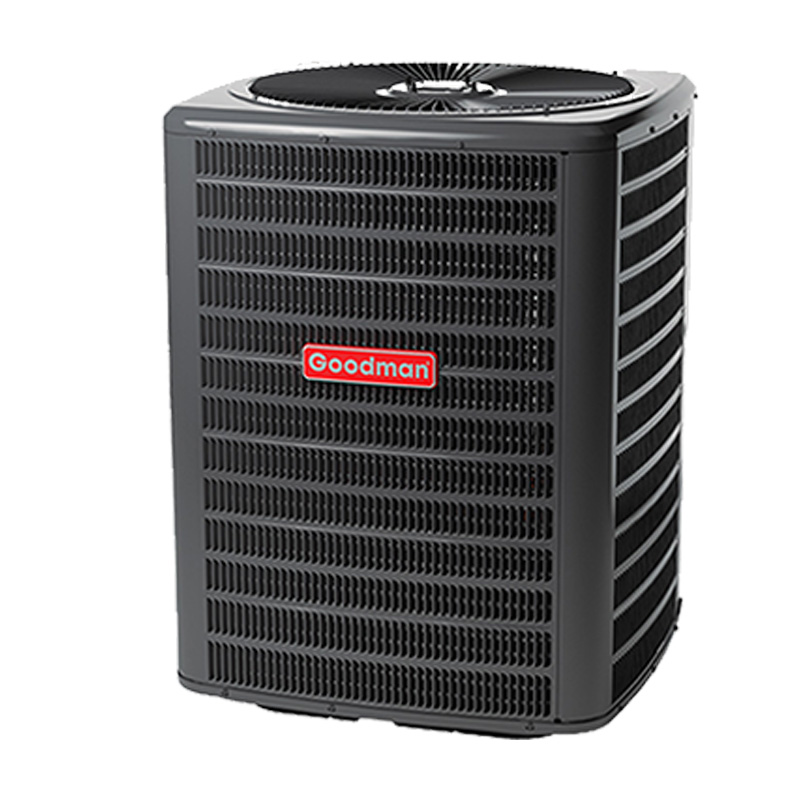
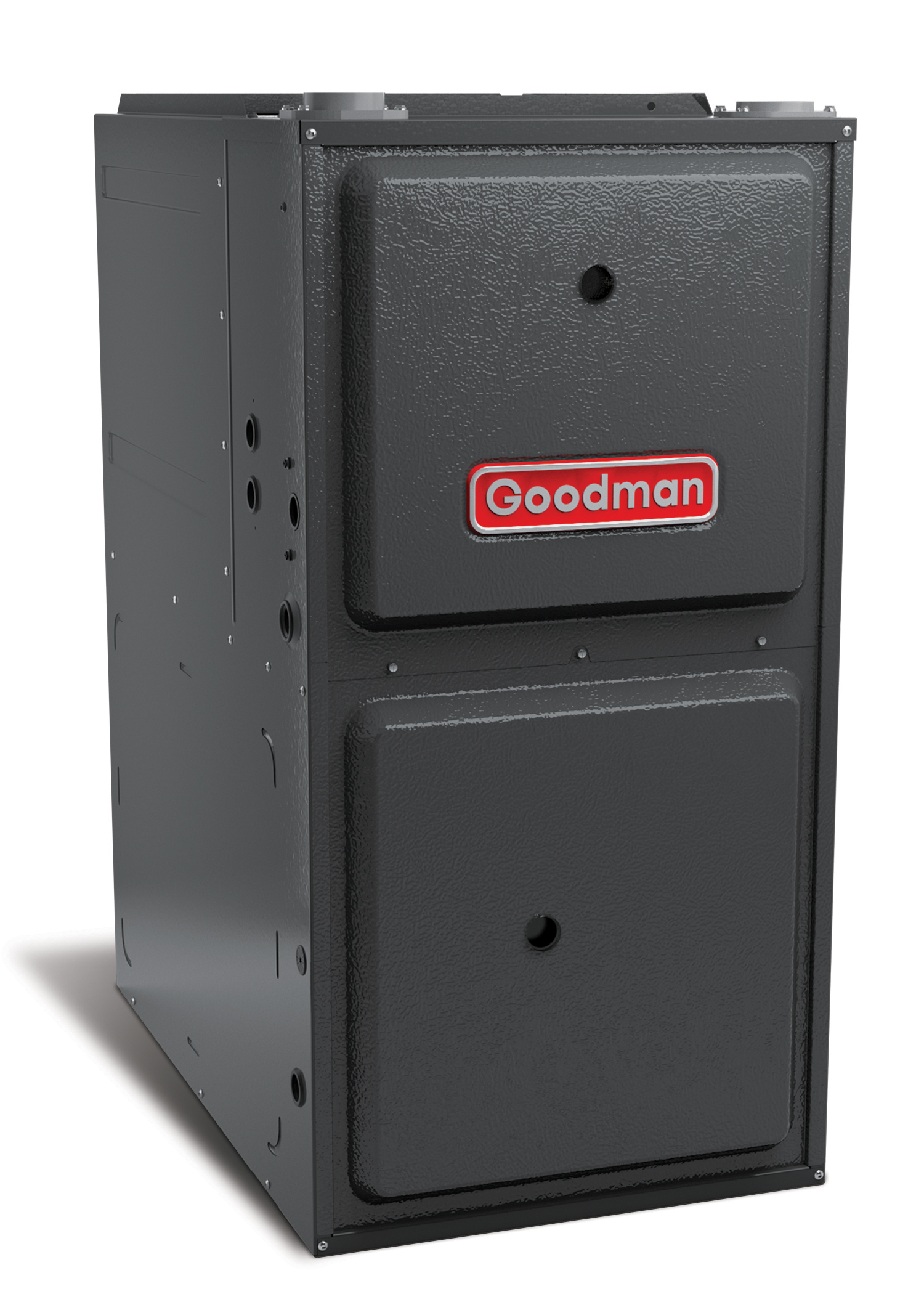
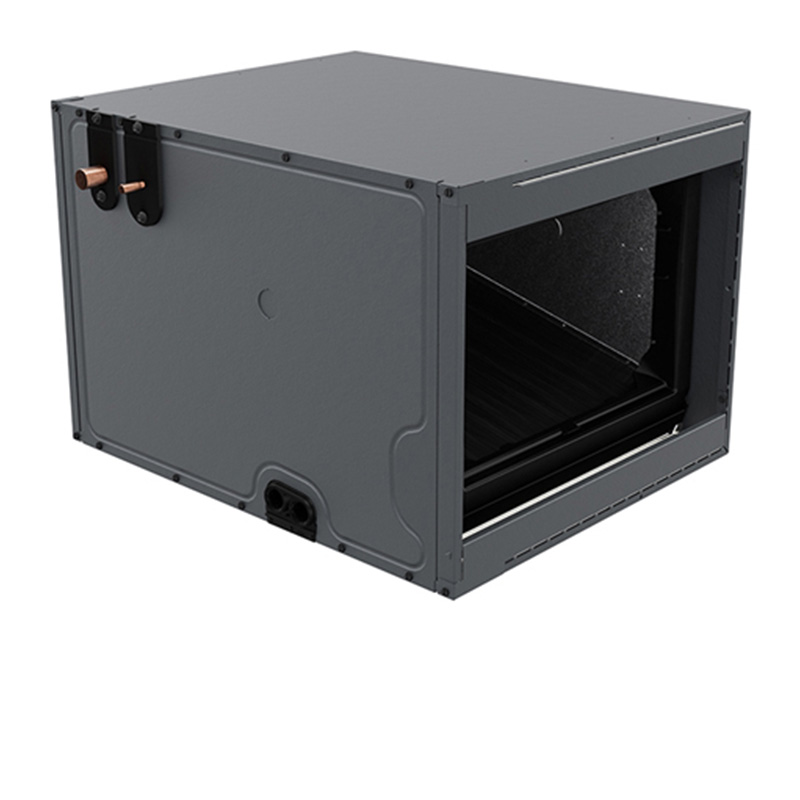
Goodman 3 Ton 14 SEER2 100000 BTU 96% AFUE Two-Stage Gas Furnace With R32 Air Condenser and Coil System – Horizontal
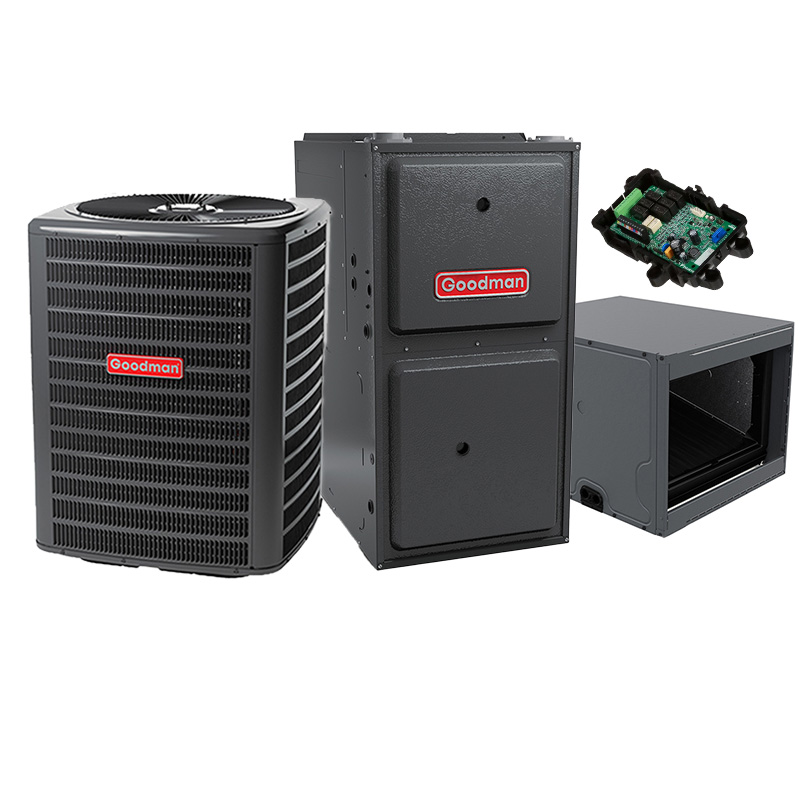
View on AC Direct see your lowest price →Check current price on AC Direct →
Key features
- 3-ton cooling capacity with 14 SEER2 efficiency rating under current DOE test standards
- 100,000 BTU two-stage gas furnace at 96% AFUE for reduced gas waste and steadier temperatures
- Horizontal cabinet configuration designed for attic or side-discharge installations
- R-32 refrigerant with lower global-warming potential than legacy R-410A systems
- Two-stage heating reduces short-cycling, extends run times, and improves room-to-room consistency
- Goodman 10-year parts warranty (registration required within 60 days of installation)
About this system
This Goodman bundle pairs a 3-ton, 14 SEER2 R-32 air condenser and matching coil with a 100,000 BTU, 96% AFUE two-stage gas furnace configured for horizontal installation. The horizontal orientation makes it a practical fit for attic installations or tight crawl-space setups where an upflow or downflow cabinet simply will not clear the framing. R-32 refrigerant carries a lower global-warming potential than the R-410A it replaces and is becoming the new baseline in residential split systems, so this unit is positioned for the current regulatory environment rather than a near-term refrigerant transition.
The two-stage furnace is a meaningful comfort upgrade over a single-stage unit. At lower outdoor temperatures or moderate heating loads, the furnace runs on its lower fire rate, which extends run cycles, distributes heat more evenly room to room, and keeps temperature swings tighter. The 96% AFUE rating means roughly 96 cents of every dollar spent on gas converts to usable heat, qualifying it in most utility-rebate programs and meeting or exceeding many northern-climate efficiency codes. The 14 SEER2 cooling side sits at the entry tier of current efficiency standards, adequate for most climates without a premium price tag.
This system suits homeowners replacing aging equipment on a defined budget, rental-property owners who need reliable mechanical performance without overspending on premium features, and buyers whose install contractor already works regularly with Goodman equipment. It is less suited to buyers expecting the compressor longevity benchmarks of premium brands or those in very hot climates where a higher SEER2 would generate meaningful long-term energy savings.
This bundle delivers solid fundamental specs at a price point 15 to 25 percent below comparable Carrier, Trane, and Lennox configurations, making it a legitimate option for budget-conscious buyers who prioritize upfront cost. The two-stage furnace and 96% AFUE rating are genuine strengths, but realistic expectations around compressor longevity and the brand's documented coil-leak history are worth factoring into the total cost of ownership calculation. Install quality will determine whether this system performs near its ceiling or near the bottom of its range.
Overall score is the average of the five ratings above.
What we like
- Priced 15 to 25 percent below Trane, Lennox, and Carrier systems at similar specs
- Two-stage furnace operation improves comfort and reduces temperature swings versus single-stage units
- 96% AFUE qualifies for utility rebates in most markets and meets high-efficiency thresholds in most states
- R-32 refrigerant is forward-compatible with current and near-future regulatory requirements
- Horizontal configuration addresses attic and crawl-space installs that vertical cabinets cannot accommodate
Trade-offs
- Compressor lifespan averages 10 to 14 years versus 15 to 20 years typical of premium brands
- Evaporator coil leaks appear in a meaningful share of owner reviews and can be a costly mid-life repair
- Dual-run capacitors are a recurring failure point, typically showing up in the first ten years
- A minority of owners report refrigerant leaks within the first year, usually tied to installation or initial charge issues rather than the equipment itself
What homeowners and pros say about Goodman
Homeowners who post about Goodman online tend to split sharply by experience. On ConsumerAffairs, where the audience skews toward people motivated to report problems, Goodman scores around 2.5 out of 5, with the most consistent complaint being repair costs that escalate after roughly year seven. Dual-run capacitors are the most frequently cited failure, a repair that typically runs 300 to 600 dollars and is widely considered a routine maintenance item rather than a catastrophic breakdown. Evaporator coil leaks also come up regularly in owner accounts and can be a more significant expense if they occur outside the warranty window. A smaller share of owners report refrigerant leaks in the first year, which technicians generally attribute to installation or initial charge problems rather than the equipment itself.
On Google dealer review pages, where buyers tend to be less self-selected toward complaints, Goodman equipment pulls scores closer to 3.8 out of 5 across hundreds of reviews per dealer location, with affordability being the most cited positive. HVAC technicians generally describe Goodman as serviceable equipment whose long-term performance is highly install-dependent. The compressor longevity gap compared to premium brands is real and documented, averaging 10 to 14 years versus 15 to 20 years for Carrier, Trane, and Lennox, which matters when you are calculating whether the upfront savings hold up over a full equipment lifecycle. For a budget-tier install with a skilled contractor, many pros consider it a reasonable choice; for buyers who want to set it and forget it for two decades, the premium brands have a stronger track record.
Sources: ConsumerAffairs Goodman owner reviews, AHRI Directory of Certified Product Performance, U.S. DOE appliance and equipment efficiency standards, Goodman product specification sheets.
What it costs to run
At 14 SEER2, cooling this 3-ton system for a typical 1200-hour cooling season at the U.S. average electricity rate of $0.17/kWh works out to roughly $525 per year in cooling, about $23 less per year than a minimum-efficiency 13.4 SEER2 unit of the same size. Your real cost depends on your climate and local rate.
Method: (36,000 BTU/hr ÷ 14 SEER2) × 1200 hours ÷ 1000 × $0.17/kWh. Rate source: U.S. EIA average; cooling hours: moderate-climate estimate.
How it compares
| Brand | Comparable model | SEER2 | Stage | Price position |
|---|---|---|---|---|
| Goodman | 3 Ton 14 SEER2 / 96% AFUE Two-Stage Horizontal Bundle | 14 | Two-stage furnace / Single-stage condenser | Value pick |
| Carrier | Performance 14 Series (24ACC6) with 96% AFUE 59TP6 Two-Stage Furnace | 14 | Two-stage furnace / Single-stage condenser | Typically 15 to 25 percent higher than this Goodman bundle |
| Trane | XR14c Condenser with S9X2 Two-Stage Furnace | 14 | Two-stage furnace / Single-stage condenser | Typically 20 to 30 percent higher than this Goodman bundle |
| Lennox | Merit ML14XC1 Condenser with SL280V Two-Stage Furnace | 14 | Two-stage furnace / Single-stage condenser | Typically 20 to 30 percent higher than this Goodman bundle |
Competitor rows are comparable single-stage units at similar efficiency; price is relative position, not a quote.
Questions about this system
Is the horizontal configuration the only option for this specific system, or can it be flipped to upflow?
This unit is configured specifically for horizontal installation, which suits attic platforms and side-mounted duct connections. If your application requires upflow or downflow orientation, you would need a different cabinet variant of the same Goodman furnace. Confirm your duct layout with your installer before ordering.
Do I actually need to register the equipment to get the 10-year parts warranty?
Yes. Goodman requires homeowner registration within 60 days of installation to activate the 10-year parts warranty. Without registration, coverage typically drops to 5 years on parts. Keep your installation invoice and register on Goodman's website promptly after the system is commissioned.
Is R-32 refrigerant a concern for service costs compared to the R-410A I am used to?
R-32 is increasingly common and most HVAC service companies are already stocked for it. It requires EPA 608-certified technicians just like R-410A, and equipment and refrigerant are widely available. Over the next several years, R-32 service infrastructure will become more established as R-410A phases down.
What is the realistic lifespan of the compressor in this system?
Based on Goodman's documented track record, compressors in their systems average roughly 10 to 14 years, compared to 15 to 20 years often cited for premium brands like Trane or Carrier. Regular maintenance, a correctly sized system, and a clean install can help keep a unit toward the longer end of that range.
The 96% AFUE furnace sounds efficient, but does the two-stage operation actually save gas compared to a single-stage 96% unit?
Both share the same AFUE rating, but two-stage operation can contribute to lower real-world fuel consumption because the furnace runs longer at the lower stage rather than short-cycling at full fire. Short-cycling is less efficient in practice, so most homeowners see modest gas savings and noticeably more consistent temperatures with a two-stage unit.
Specifications
| Cooling capacity | 3 Ton |
| Efficiency | 14 SEER2 |
| Furnace output | 100000 BTU |
| Furnace efficiency | 96% AFUE |
| Configuration | Horizontal |
| Refrigerant | R-32 |