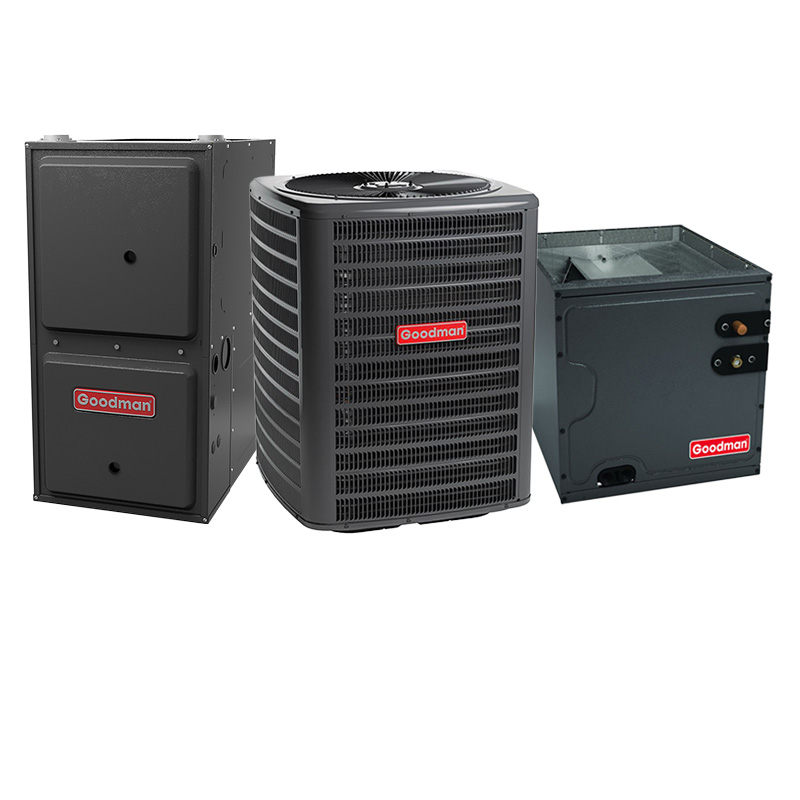
Goodman R32 4 Ton 13.5 SEER2 100000 BTU 80% Two Stage 9-Speed ECM Gas Furnace and Air Conditioner System – Upflow
View on AC Direct see your lowest price →Check current price on AC Direct →
Key features
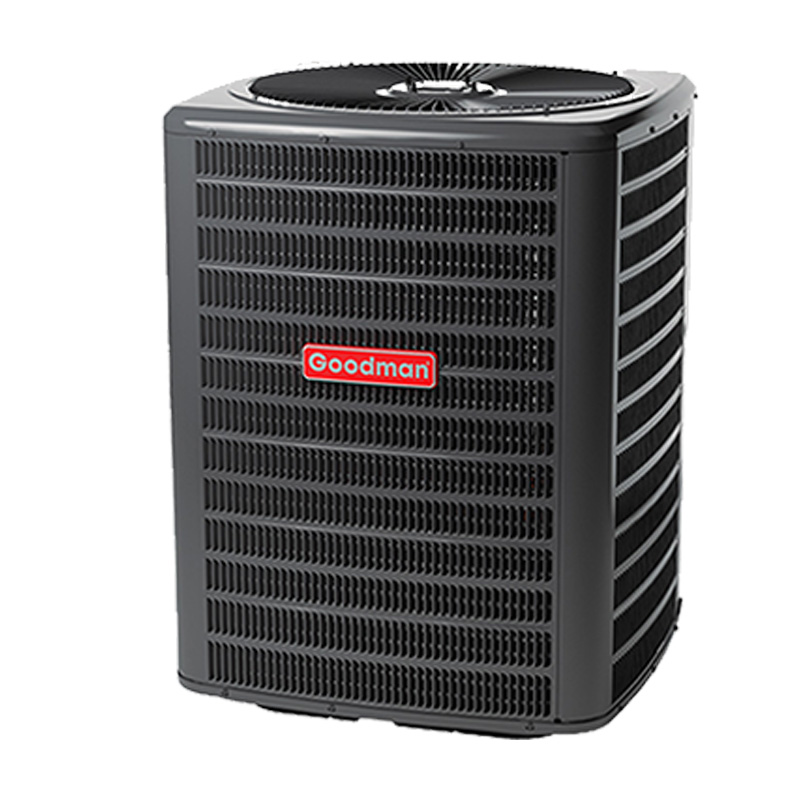
- 4-ton cooling capacity rated at 13.5 SEER2 with R-32 refrigerant
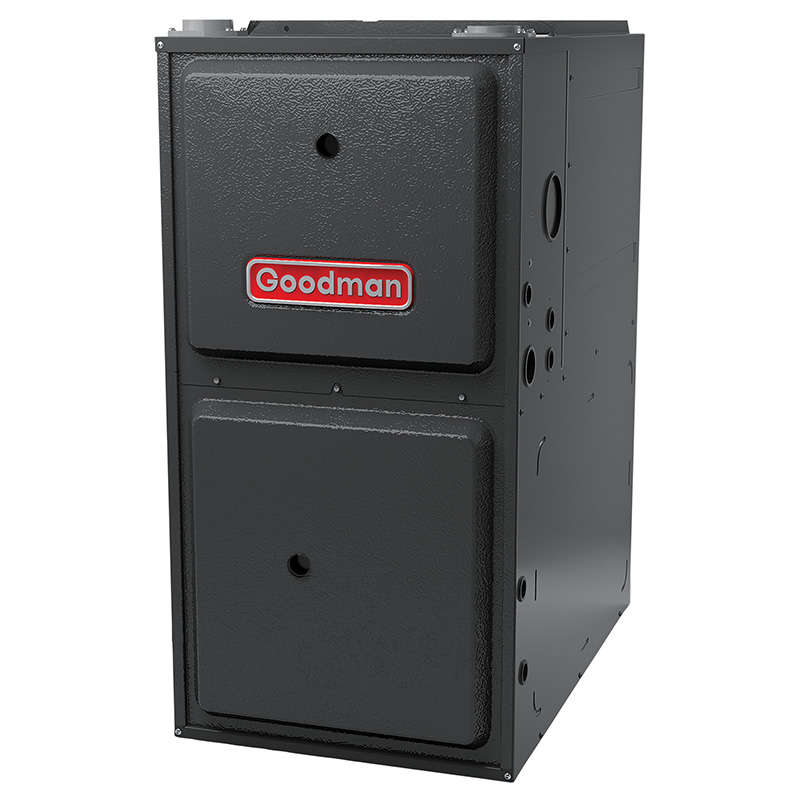
- 100,000 BTU two-stage gas furnace at 80% AFUE for upflow installations
- 9-speed ECM blower motor reduces energy use and improves airflow consistency
- Two-stage heating allows lower-fire operation on mild days, reducing temperature swings
- R-32 refrigerant offers lower global warming potential than R-410A
- Upflow configuration compatible with basement and ground-level air handler installations
About this system
This Goodman bundle pairs a 4-ton, 13.5 SEER2 R-32 air conditioner with a 100,000 BTU, 80% AFUE two-stage gas furnace in an upflow configuration. The 13.5 SEER2 rating sits at the lower end of the efficiency spectrum, meeting federal minimum standards for most U.S. climate zones without the premium price tag of mid- or high-efficiency equipment. R-32 refrigerant has a lower global warming potential than the R-410A it replaces, which matters for homeowners keeping an eye on future serviceability as refrigerant regulations tighten. The two-stage furnace and 9-speed ECM blower motor are genuine comfort upgrades over single-stage equipment, allowing the system to run at a lower capacity on milder days, which reduces temperature swings and can improve humidity control compared to a basic on-off furnace.
The upflow configuration is the most common furnace orientation in North American homes where the air handler sits in a basement or ground-level utility closet and conditioned air rises into the duct system. The 4-ton size is appropriate for homes roughly in the 2,000 to 2,600 square foot range, depending on local climate, insulation quality, and window area. A proper Manual J load calculation is essential before committing to this size. Oversizing a two-stage system still leads to short-cycling, excess humidity, and accelerated wear, while undersizing will leave the unit running at full capacity on hot days without meeting setpoint. This bundle suits budget-conscious homeowners replacing aging equipment in an established ducted system who want a step up from entry-level single-stage comfort without paying for a variable-speed or high-AFUE premium system.
This Goodman bundle delivers an honest entry-to-mid-level comfort system at a price point that is 15 to 25 percent below comparable Trane, Lennox, and Carrier equipment. The two-stage furnace and ECM blower are real comfort upgrades, but the 13.5 SEER2 rating and 80% AFUE mean ongoing utility costs will be higher than mid- or high-efficiency alternatives. Long-term satisfaction will depend heavily on the quality of the installing contractor and how proactively the owner maintains the system.
Overall score is the average of the five ratings above.
What we like
- Priced 15 to 25 percent below comparable equipment from Trane, Lennox, and Carrier
- Two-stage furnace and 9-speed ECM blower deliver noticeably better comfort than single-stage systems
- R-32 refrigerant positions the system for regulatory compliance as R-410A is phased down
- Upflow configuration is the industry standard for most North American ducted homes, easing installation
- Widely available parts and a large installer network keep service straightforward in most markets
Trade-offs
- 13.5 SEER2 and 80% AFUE are near-minimum efficiency tiers, resulting in higher utility bills versus mid- or high-efficiency alternatives
- Dual-run capacitors are the most frequently reported failure point, typically requiring a 300 to 600 dollar service call
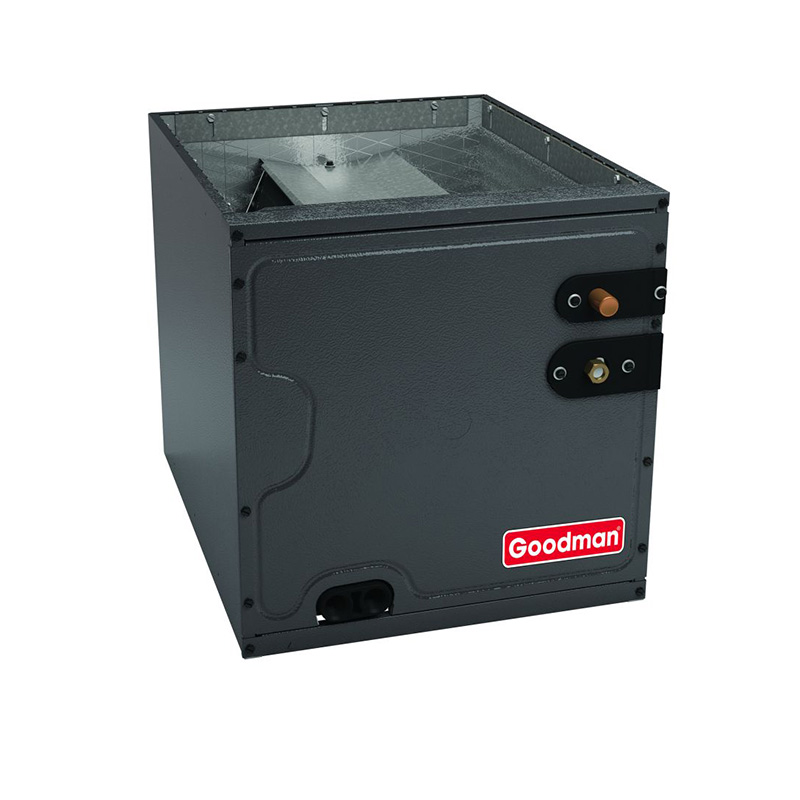
- Evaporator coil leaks appear in a notable share of owner reports, and compressor lifespan averages 10 to 14 years versus 15 to 20 years for premium brands
- A minority of owners report refrigerant leaks within the first year, generally linked to installation quality rather than the unit itself
What homeowners and pros say about Goodman
On ConsumerAffairs, Goodman holds roughly a 2.5 out of 5 rating, a number worth taking in context because that platform disproportionately attracts owners who are frustrated enough to write a review. The recurring theme in that complaint pool is repair costs that climb after roughly year 7, with dual-run capacitor failures being the most commonly cited issue and typically the least expensive to fix at 300 to 600 dollars. More consequential are the evaporator coil leak reports and compressor longevity concerns: Goodman compressors tend to average 10 to 14 years, noticeably shorter than the 15 to 20 years owners of Trane and Lennox equipment more commonly report. On Google, dealer reviews for Goodman-selling contractors average around 3.8 out of 5, and affordability is by far the most common point of praise.
HVAC technicians tend to hold a pragmatic view of Goodman. The equipment is seen as serviceable and straightforward to work on, with widely available parts, but many pros are candid that installation quality is the single biggest variable in how long any Goodman system lasts. A first-year refrigerant leak, for example, is almost always traced back to an improper charge or flawed line set connection rather than a factory defect. For this specific two-stage, ECM-equipped bundle, pros note that the more sophisticated blower control also means slightly more complexity at startup commissioning. Homeowners who choose a careful installer, register the warranty promptly, and commit to annual maintenance tend to report outcomes considerably better than the complaint-channel averages suggest.
Sources: ConsumerAffairs Goodman owner reviews, AHRI Directory of Certified Product Performance, U.S. DOE appliance and equipment efficiency standards, Goodman product specification sheets.
What it costs to run
At 13.5 SEER2, cooling this 4-ton system for a typical 1200-hour cooling season at the U.S. average electricity rate of $0.17/kWh works out to roughly $725 per year in cooling, about $6 less per year than a minimum-efficiency 13.4 SEER2 unit of the same size. Your real cost depends on your climate and local rate.
Method: (48,000 BTU/hr ÷ 13.5 SEER2) × 1200 hours ÷ 1000 × $0.17/kWh. Rate source: U.S. EIA average; cooling hours: moderate-climate estimate.
How it compares
| Brand | Comparable model | SEER2 | Stage | Price position |
|---|---|---|---|---|
| Goodman | R-32 4-Ton 13.5 SEER2 / 100k BTU 80% Two-Stage Upflow Bundle | 13.5 | Two-stage | Value pick |
| Carrier | Comfort 24ACC636 with 80% 59TP6 Two-Stage Furnace | 14.0 | Two-stage | Approximately 15 to 20 percent more than Goodman |
| Trane | XR15 4XC15 with S8X2 Two-Stage Furnace | 14.5 | Two-stage | Approximately 20 to 25 percent more than Goodman |
| Lennox | Merit ML14XC1 with ML180UH Two-Stage Furnace | 14.0 | Two-stage | Approximately 15 to 20 percent more than Goodman |
Competitor rows are comparable single-stage units at similar efficiency; price is relative position, not a quote.
Questions about this system
Is 13.5 SEER2 going to meet federal minimum efficiency requirements in my region?
13.5 SEER2 meets the federal minimums for northern U.S. climate zones as of 2023. Some southern states (Southeast and Southwest regions) require higher minimums for certain equipment configurations, so confirm your local requirement with your installer before purchasing.
Why does this system use R-32 instead of R-410A?
R-410A is being phased down under EPA regulations because of its high global warming potential. R-32 has roughly one-third the global warming potential of R-410A and is the refrigerant most manufacturers are transitioning to for residential split systems. Parts and service for R-32 systems are becoming increasingly standard.
What does the 9-speed ECM blower motor actually do for me day to day?
The ECM motor adjusts airflow speed in small increments based on system demand, which means quieter operation at lower loads, more even temperatures throughout the house, and better humidity removal in cooling mode compared to a single-speed PSC blower. It also draws significantly less electricity than a standard blower motor.
How worried should I be about the capacitor and coil leak issues mentioned in owner reviews?
Dual-run capacitor failures are common across most residential HVAC brands, not just Goodman, and a replacement typically costs 300 to 600 dollars. Evaporator coil leaks are a more serious concern specific to Goodman owner reports and can run 1,000 dollars or more to repair. Keeping the system on a regular maintenance schedule and registering the warranty promptly gives you the best protection.
Does Goodman's warranty require professional registration, and what does it actually cover?
Yes, Goodman requires the system to be registered within a defined window after installation by a licensed HVAC contractor to access the full parts warranty period. Failure to register typically drops coverage to a shorter base warranty. The warranty covers parts, not labor, so any service call will still carry a technician charge even on a covered repair.
Specifications
| Cooling capacity | 4 Ton |
| Efficiency | 13.5 SEER2 |
| Furnace output | 100000 BTU |
| Configuration | Upflow |
| Refrigerant | R-32 |