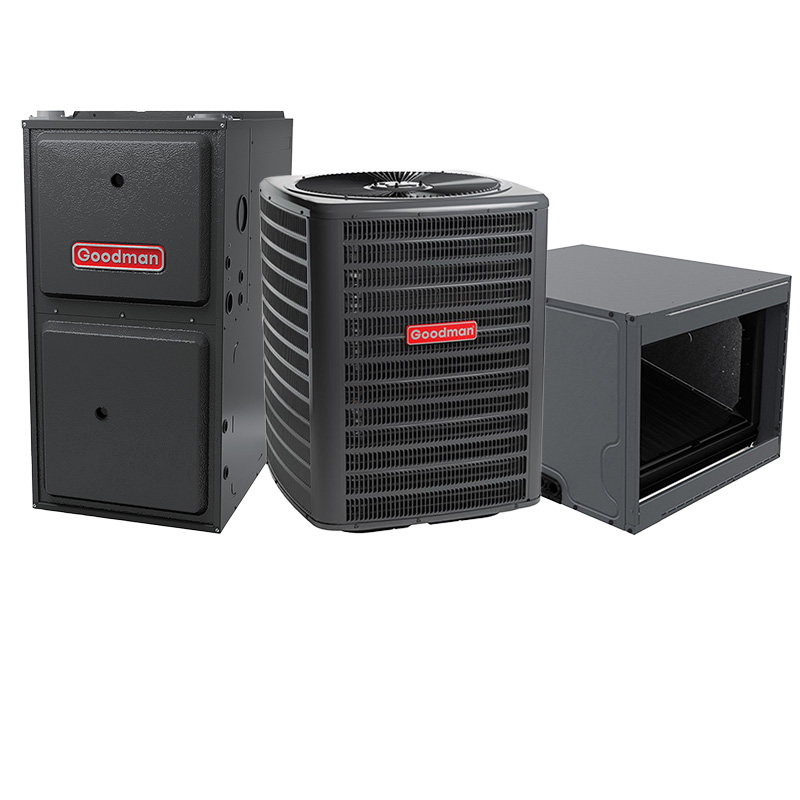
Goodman 1.5 Ton 13.8 SEER2 40000 BTU 96% AFUE Multi-Speed ECM Gas Furnace System – Horizontal | R32
View on AC Direct see your lowest price →Check current price on AC Direct →
Key features
- 96% AFUE gas furnace reduces heat lost to exhaust to roughly 4 cents per dollar of gas burned
- 13.8 SEER2 cooling meets current federal minimum efficiency standards for most U.S. climate zones
- Horizontal configuration designed specifically for attic, crawlspace, or closet installations with limited vertical clearance
- ECM multi-speed blower motor lowers electricity consumption and improves airflow consistency versus PSC motors
- R-32 refrigerant offers lower global warming potential than R-410A with no change in required operating pressures
- 1.5-ton capacity targets smaller homes and individual zones typically in the 600 to 900 square foot range
About this system
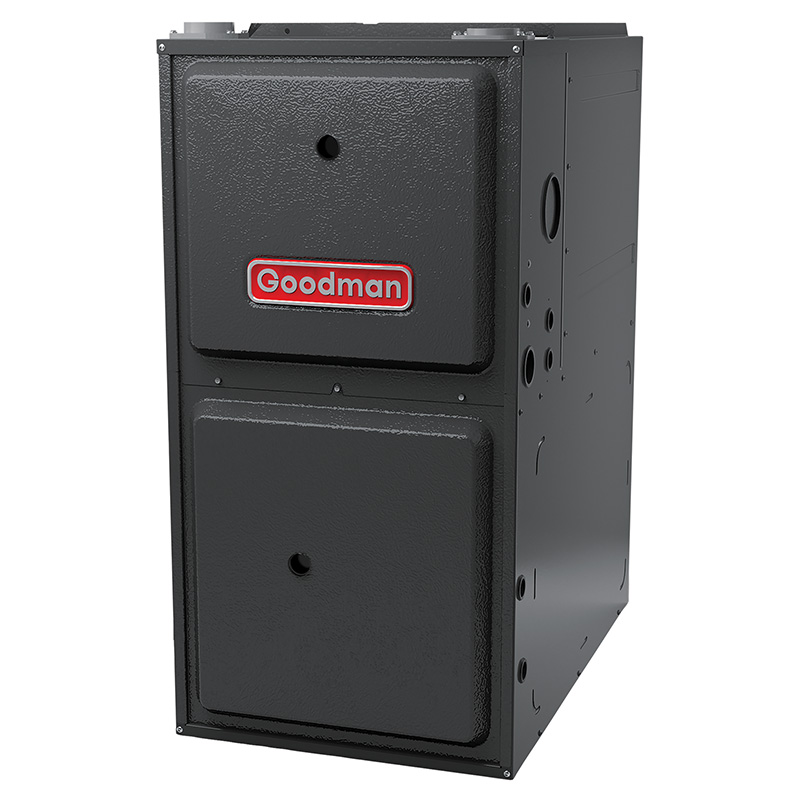
The Goodman 1.5-ton horizontal gas furnace system is built for smaller homes, condos, and attic or crawlspace installations where floor space is limited and a sideways-mounted air handler is the only practical option. The 40,000 BTU, 96% AFUE furnace sits near the top of the efficiency tier for gas heat, meaning roughly 96 cents of every dollar in gas goes toward warming your home rather than escaping up the flue. That matters most in climates with cold winters and moderate cooling loads, where heating costs drive the annual energy bill.
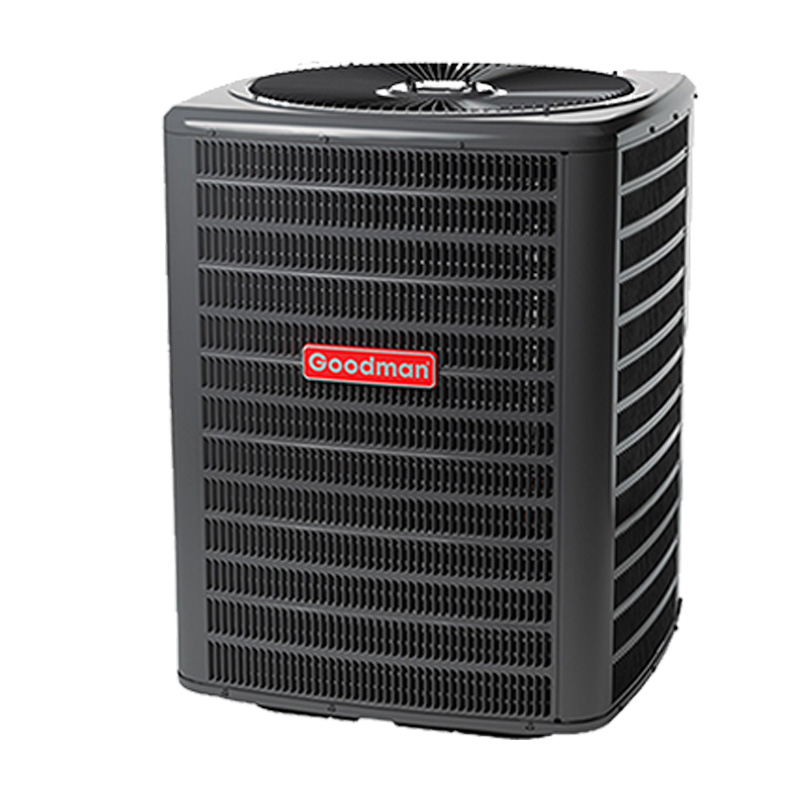
On the cooling side, a 13.8 SEER2 rating meets the current federal minimum for most U.S. regions and represents honest entry-level efficiency rather than a premium efficiency claim. The ECM multi-speed blower motor is a genuine upgrade over PSC motors: it ramps airflow to match demand, which cuts blower electricity costs, reduces temperature swings, and improves humidity management compared to single-speed systems. R-32 refrigerant has a lower global warming potential than the R-410A it replaces, and it operates at similar pressures, so most certified technicians can work with it without additional equipment. This system suits buyers who want high-efficiency gas heat, acceptable cooling efficiency, and a lower upfront price point than Trane or Carrier equivalents.
This Goodman system delivers genuinely high-efficiency gas heat and a competent ECM blower at a price point 15 to 25 percent below comparable Carrier, Trane, and Lennox units, making it a reasonable choice for budget-conscious buyers in smaller homes. The 13.8 SEER2 cooling rating is honest rather than impressive, and long-term reliability depends heavily on who installs and services it. Buyers who can budget for a quality installation and plan for possible capacitor or coil repairs after year seven will get solid value; those expecting premium-brand durability at this price will likely be disappointed.
Overall score is the average of the five ratings above.
What we like
- 96% AFUE furnace efficiency is near the top of the residential gas heating tier, cutting heating costs meaningfully versus 80% systems
- ECM multi-speed blower improves humidity control and reduces blower electricity use compared to standard PSC motors
- Horizontal-only design is well suited to attic and crawlspace installations where most 1.5-ton systems have few options
- R-32 refrigerant is widely serviceable and has better environmental credentials than R-410A
- Upfront price sits 15 to 25 percent below Trane, Lennox, and Carrier systems at similar efficiency ratings
Trade-offs
- 13.8 SEER2 is entry-level cooling efficiency; owners in hot, humid climates will see limited savings on summer electricity bills
- Compressor lifespan averages 10 to 14 years versus 15 to 20 years for premium brands, meaning replacement cost arrives sooner
- Dual-run capacitor failures and evaporator coil leaks are documented recurring issues that can add repair costs after year seven
- Overall reliability leans heavily on installation quality, so a poor install can accelerate every failure mode and void warranty coverage
What homeowners and pros say about Goodman
Homeowners who post about Goodman equipment online tend to cluster at the extremes: satisfied buyers rarely feel moved to write reviews, while frustrated owners do. That dynamic shapes Goodman’s ConsumerAffairs score of roughly 2.5 out of 5, where the recurring complaints center on repair costs climbing after about year seven. Google dealer reviews, which capture a broader range of experiences including routine installs and service calls, average around 3.8 out of 5, and affordability is the praise that appears most consistently. For this horizontal 1.5-ton system, the pattern holds: buyers who got a careful installation and maintained it report years of reliable operation; those who cut corners on installation or skipped annual service report problems arriving sooner than expected.
HVAC technicians are generally candid about Goodman: it is not the equipment they would choose for a customer who wants to forget about it for 20 years, but it is equipment they can work on and source parts for without difficulty. The dual-run capacitor is the repair call they expect on aging Goodman units, a straightforward fix that runs 300 to 600 dollars. Evaporator coil leaks are a more consequential documented failure mode, showing up in a meaningful portion of owner reviews and carrying a higher repair cost. Compressor longevity averaging 10 to 14 years, versus 15 to 20 for premium brands, is the trade-off technicians most often flag when a homeowner asks whether Goodman is worth it. The honest answer from most experienced installers is yes, at this price point, provided you plan for that maintenance window and budget accordingly.
Sources: ConsumerAffairs Goodman owner reviews, AHRI Directory of Certified Product Performance, U.S. DOE appliance and equipment efficiency standards, Goodman product specification sheets.
What it costs to run
At 13.8 SEER2, cooling this 1.5-ton system for a typical 1200-hour cooling season at the U.S. average electricity rate of $0.17/kWh works out to roughly $266 per year in cooling, about $8 less per year than a minimum-efficiency 13.4 SEER2 unit of the same size. Your real cost depends on your climate and local rate.
Method: (18,000 BTU/hr ÷ 13.8 SEER2) × 1200 hours ÷ 1000 × $0.17/kWh. Rate source: U.S. EIA average; cooling hours: moderate-climate estimate.
How it compares
| Brand | Comparable model | SEER2 | Stage | Price position |
|---|---|---|---|---|
| Goodman | 1.5T 13.8 SEER2 96% AFUE Horizontal R-32 System | 13.8 | Multi-speed | Value pick |
| Carrier | Comfort 13 (24ACC3) with 58CVA furnace | 13.8 | Single-stage | 15 to 25 percent above this Goodman system |
| Trane | XR13c with S8X1 80% furnace or XC13c with S9X1 96% furnace | 13.8 | Single-stage | 20 to 30 percent above this Goodman system |
| Lennox | Merit ML14XC1 with ML196E furnace | 14.0 | Single-stage | 20 to 30 percent above this Goodman system |
Competitor rows are comparable single-stage units at similar efficiency; price is relative position, not a quote.
Questions about this system
Is 13.8 SEER2 enough for a hot Southern or Southwestern climate, or should I pay more for a higher-rated system?
In climates where cooling runs five or more months a year, the savings gap between 13.8 SEER2 and a 16 or 17 SEER2 system adds up over time and can offset the higher upfront cost within a few years. For mild or transitional climates where cooling is secondary to heating, 13.8 SEER2 is adequate. Run a simple payback calculation using your local utility rates before deciding.
What does the horizontal configuration mean, and can this system be installed in any orientation?
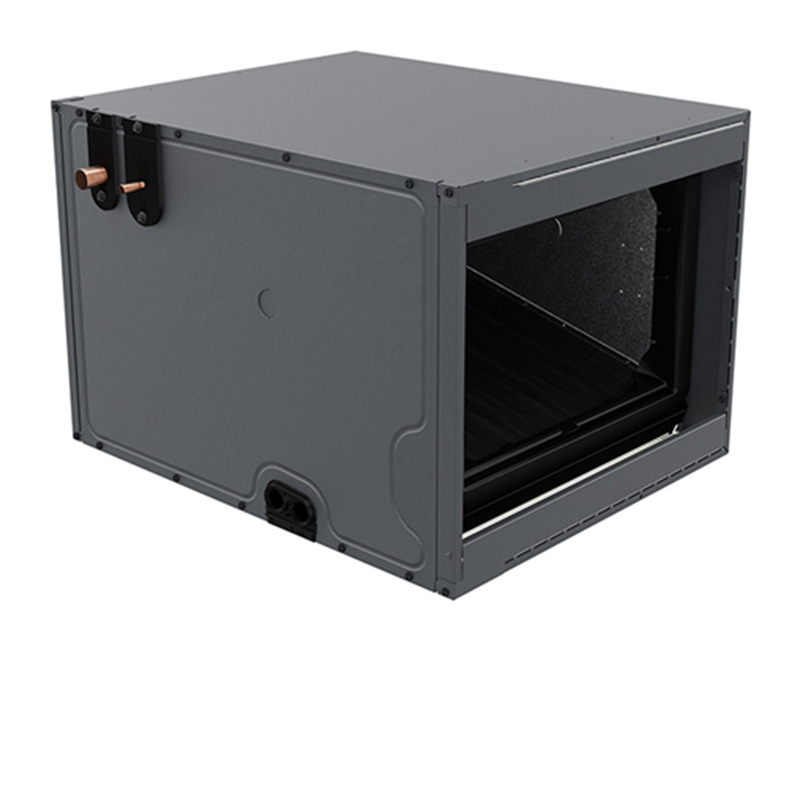
Horizontal means the air handler is designed to lie on its side, with airflow moving sideways rather than upward or downward. This unit is built specifically for that position and should not be installed in an upflow or downflow orientation. If your installation requires a vertical configuration, you need a different model.
How serious is the documented capacitor failure issue, and what does it cost to fix?
Dual-run capacitor failure is the most commonly reported repair on Goodman systems and typically shows up after several years of use. It is not a catastrophic repair: parts and labor generally run in the 300 to 600 dollar range, and most HVAC technicians can complete it in under an hour. Keeping a service contract or scheduling annual tune-ups often catches a weakening capacitor before it fails completely.
The listing says R-32 refrigerant. Will any HVAC technician be able to service this system?
R-32 is increasingly common and most certified HVAC technicians can handle it, but some smaller or rural service companies have not yet updated their equipment for R-32 recovery and charging. It is worth confirming your local service providers are equipped before purchasing, particularly if you are in an area with limited contractor options.
What warranty does Goodman typically provide on this type of system, and are there conditions that could void it?
Goodman typically offers a 10-year parts warranty when the system is registered within a set window after installation, dropping to a shorter period if registration is missed. The warranty generally requires installation by a licensed contractor and may be voided by improper installation, unauthorized modifications, or failure to maintain the system. Reading the specific warranty document for your model number before purchase is strongly advised.
Specifications
| Cooling capacity | 1.5 Ton |
| Efficiency | 13.8 SEER2 |
| Furnace output | 40000 BTU |
| Furnace efficiency | 96% AFUE |
| Configuration | Horizontal |
| Refrigerant | R-32 |