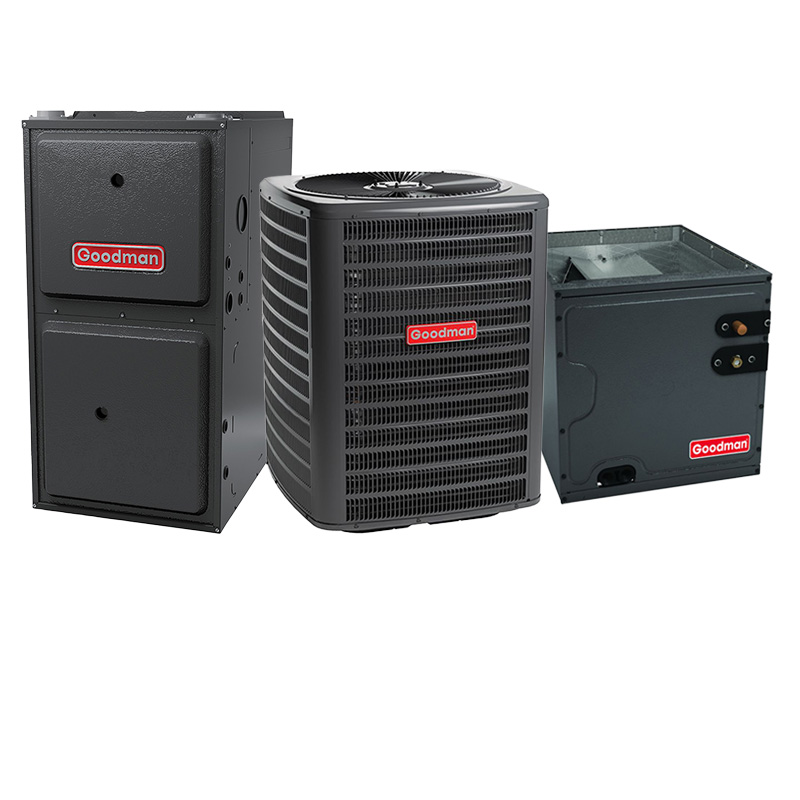
Goodman 2 Ton 14 SEER2 60000 BTU 96% AFUE Multi-Speed ECM Gas Furnace System – Upflow | R32
View on AC Direct see your lowest price →Check current price on AC Direct →
Key features
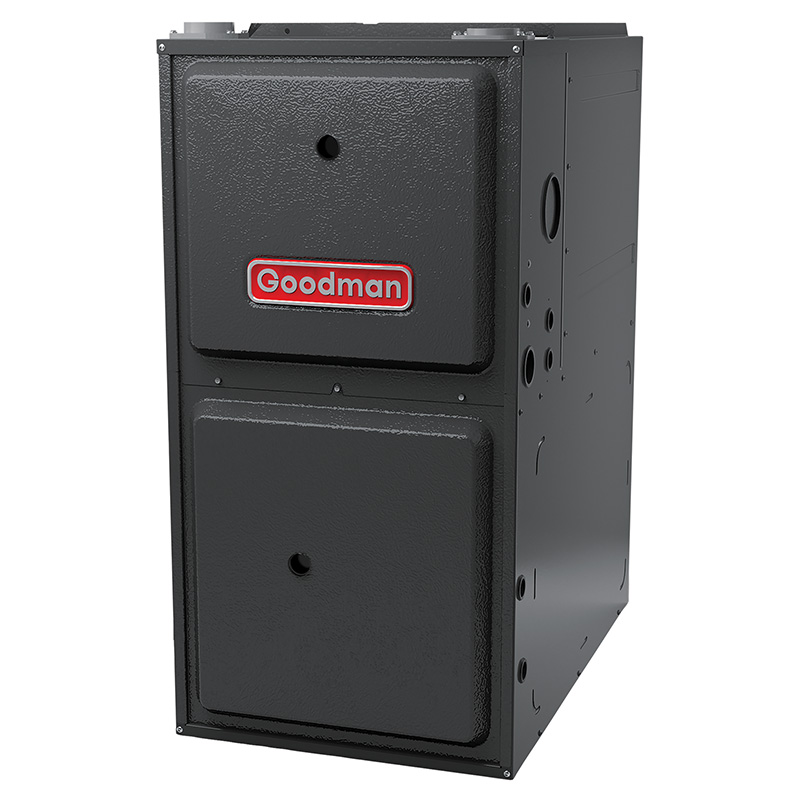
- 96% AFUE high-efficiency upflow gas furnace with 60,000 BTU heating capacity
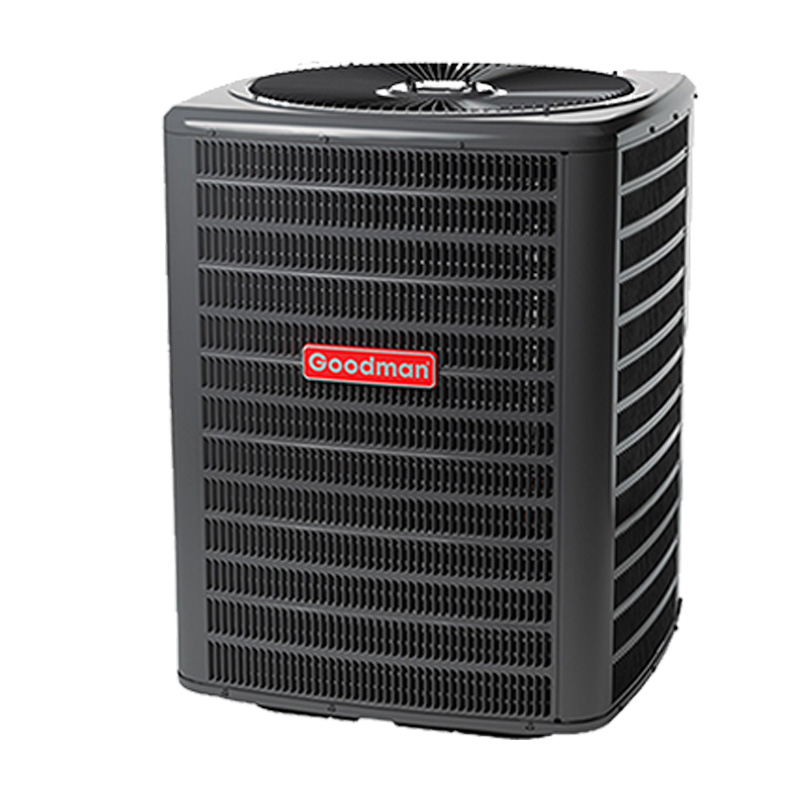
- 2-ton, 14 SEER2 central air conditioner charged with lower-GWP R-32 refrigerant
- Multi-speed ECM blower motor for more consistent airflow and lower blower energy use versus single-speed motors
- Upflow cabinet design for basement or interior closet installations with overhead duct systems
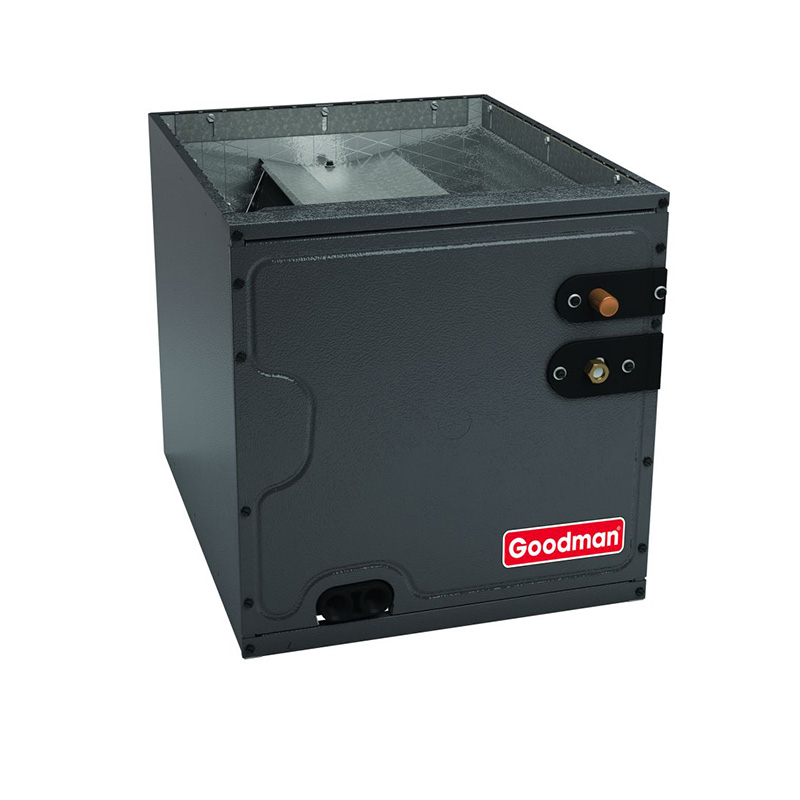
- Factory-matched coil and air handler pairing for a pre-engineered system certificate
- Goodman's limited parts warranty (10 years on registered units) covering compressor and functional parts
About this system
This Goodman package pairs a 2-ton, 14 SEER2 central air conditioner with a 60,000 BTU, 96% AFUE multi-speed ECM gas furnace in an upflow configuration, making it a practical choice for smaller homes and conditioned spaces in the 800 to 1,200 square foot range. The furnace’s 96% AFUE rating sits in the high-efficiency tier, meaning only about 4 cents of every dollar spent on gas escapes as exhaust rather than heat. The multi-speed ECM blower motor improves comfort and efficiency over basic single-speed designs by modulating airflow to match heating and cooling demand more precisely.
The R-32 refrigerant charge reflects a broader industry shift toward lower global-warming-potential refrigerants, and buyers should confirm their servicing technician is equipped and certified to handle R-32 before installation. The upflow configuration directs conditioned air upward through ductwork, which suits homes with basement or closet installations where supply ducts run overhead. At 14 SEER2, this system meets current federal minimum efficiency standards for most U.S. climate regions but does not qualify for federal tax credits that require at least 15 SEER2 in northern states or 15.2 SEER2 in southern ones, so check your region before purchasing.
Goodman equipment is typically priced 15 to 25 percent below comparable Trane, Lennox, and Carrier systems, which makes this bundle an appealing entry point for homeowners replacing aging equipment on a budget or landlords managing rental properties. The trade-off is a shorter expected compressor lifespan and a brand reputation that leans heavily on the quality of the installing contractor rather than the hardware alone.
This Goodman bundle delivers solid baseline efficiency and a genuine price advantage over premium brands, making it a reasonable option for budget-conscious buyers who can pair it with a skilled installer. The 96% AFUE furnace is a legitimate highlight, but the 14 SEER2 cooling side is entry-level, and Goodman's documented repair history after year seven and shorter compressor lifespan are real considerations. If installation quality is assured, you get functional, warrantied equipment at a lower upfront cost; if it is not, the savings erode quickly.
Overall score is the average of the five ratings above.
What we like
- 96% AFUE furnace delivers genuine high-efficiency heating and lower gas bills compared to 80% AFUE units
- Priced 15 to 25 percent below comparable Trane, Carrier, and Lennox systems, reducing upfront cost
- Multi-speed ECM blower provides more even temperature distribution and lower fan electricity use than single-speed alternatives
- R-32 refrigerant has a lower global warming potential than older R-410A, aligning with tightening environmental standards
- 10-year parts warranty on registered units provides reasonable long-term coverage for a value-tier brand
Trade-offs
- 14 SEER2 is at the federal minimum threshold and does not qualify for federal tax credits in most U.S. climate regions
- Compressor lifespan averages 10 to 14 years, meaningfully shorter than the 15 to 20 years seen on premium brands
- Dual-run capacitors are the most frequently reported failure point, and evaporator coil leaks appear in a notable share of owner reviews
- A minority of owners report refrigerant leaks within the first year, typically tied to installation or charge quality rather than the equipment itself
What homeowners and pros say about Goodman
Among homeowners, Goodman draws reliably mixed feedback. On ConsumerAffairs, the brand scores around 2.5 out of 5, a figure that reflects the complaint-heavy nature of that platform but also points to a real pattern: repair costs that climb noticeably after roughly year seven. Google dealer reviews land higher, around 3.8 out of 5, where affordability is the most frequently cited reason for satisfaction. Neither score inspires full confidence, but together they sketch a brand that works well enough in the early years and where the long-term experience varies considerably from one installation to the next.
HVAC technicians are more specific about where Goodman tends to fall short. Dual-run capacitors are the most commonly flagged failure point on these systems, a repair that usually runs $300 to $600 and is more of an inconvenience than a crisis. More costly is the evaporator coil leak issue that shows up in a meaningful share of owner reports over time. On the cooling side, compressors on Goodman equipment tend to average 10 to 14 years in the field, compared to 15 to 20 years on premium brands, which is a real lifespan gap for a component that costs hundreds to replace. A smaller number of owners report refrigerant leaks within the first year, and pros consistently attribute those to installation or charge issues rather than factory defects, underlining why contractor selection matters as much as brand selection with this equipment.
Sources: ConsumerAffairs Goodman owner reviews, AHRI Directory of Certified Product Performance, U.S. DOE appliance and equipment efficiency standards, Goodman product specification sheets.
What it costs to run
At 14 SEER2, cooling this 2-ton system for a typical 1200-hour cooling season at the U.S. average electricity rate of $0.17/kWh works out to roughly $350 per year in cooling, about $15 less per year than a minimum-efficiency 13.4 SEER2 unit of the same size. Your real cost depends on your climate and local rate.
Method: (24,000 BTU/hr ÷ 14 SEER2) × 1200 hours ÷ 1000 × $0.17/kWh. Rate source: U.S. EIA average; cooling hours: moderate-climate estimate.
How it compares
| Brand | Comparable model | SEER2 | Stage | Price position |
|---|---|---|---|---|
| Goodman | 2-Ton 14 SEER2 / 96% AFUE Multi-Speed ECM Upflow Bundle (R-32) | 14 | Multi-speed | Value pick |
| Carrier | Comfort 14 Series (24ACC4 + 58SB0 or 58TP0 furnace bundle) | 14 | Single-stage | Moderately higher than Goodman, roughly 15 to 20 percent more installed |
| Trane | XR14c with S9V2 96% AFUE furnace bundle | 14-15 | Single-stage | Higher than Goodman, typically 20 to 25 percent more installed |
| Lennox | Merit ML14XC1 with ML196E 96% AFUE furnace bundle | 14 | Single-stage | Higher than Goodman, typically 20 to 25 percent more installed |
Competitor rows are comparable single-stage units at similar efficiency; price is relative position, not a quote.
Questions about this system
Does this system qualify for the federal energy efficiency tax credit?
At 14 SEER2, this unit meets the current federal minimum but falls below the 15 SEER2 threshold required for the 25C federal tax credit in northern climate regions and the 15.2 SEER2 required in southern regions. The 96% AFUE furnace may qualify separately for a furnace credit depending on your location, so check IRS Form 5695 guidelines and your regional requirements before purchasing.
What is involved in switching to R-32 refrigerant, and will any technician be able to service it?
R-32 is an A2L refrigerant, meaning it is mildly flammable, and not every technician or service vehicle is currently equipped for it. Confirm with your installer and any future service provider that they hold the appropriate certification and carry R-32 compatible tools before completing the purchase.
How important is installer quality for a Goodman system specifically?
Very important. HVAC technicians consistently point to installation quality as the single biggest factor in how long a Goodman unit lasts. The documented first-year refrigerant leak reports are most commonly traced to charge or install issues rather than factory defects, so choosing an experienced, licensed contractor is not optional with this brand.
What are the most likely repair costs I should budget for over the system's life?
Dual-run capacitor failure is the most commonly reported issue on Goodman equipment and typically costs between $300 and $600 to repair, making it a relatively affordable fix. Evaporator coil leaks are the more expensive concern and appear in a meaningful share of owner reviews, so setting aside a repair reserve after year five is prudent.
Is upflow the right configuration for my home?
Upflow units pull return air in at the bottom and discharge conditioned air upward into overhead ductwork, making them the correct choice for basement installations or first-floor mechanical closets where supply ducts run through upper floors or the attic. If your ducts descend from the unit or your air handler sits in an attic, you likely need a downflow or horizontal unit instead.
Specifications
| Cooling capacity | 2 Ton |
| Efficiency | 14 SEER2 |
| Furnace output | 60000 BTU |
| Furnace efficiency | 96% AFUE |
| Configuration | Upflow |
| Refrigerant | R-32 |