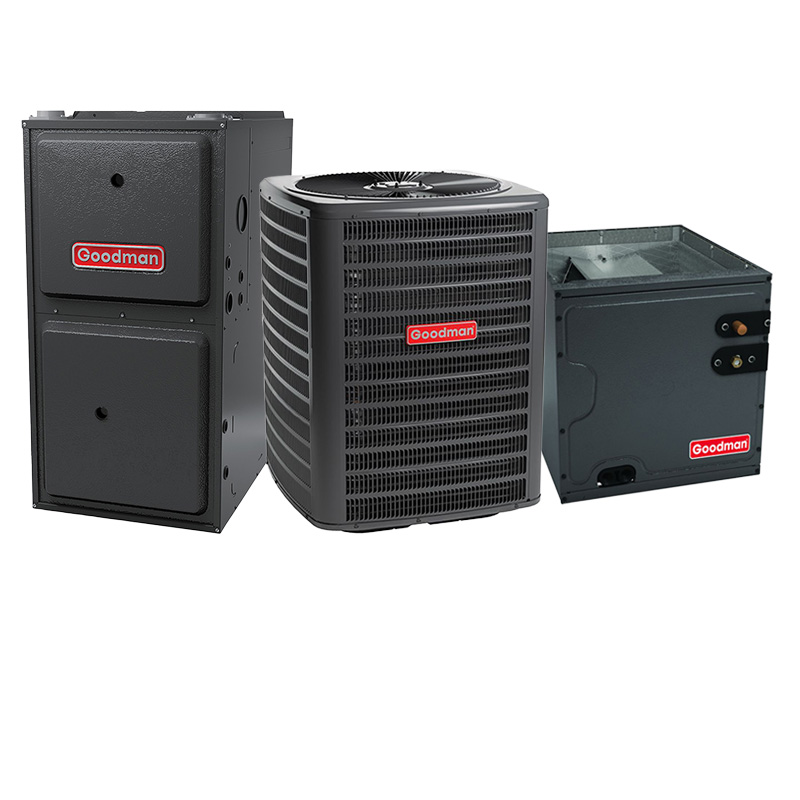
Goodman 4 Ton 13.4 SEER2 120000 BTU 96% AFUE Multi-Speed ECM Gas Furnace System – Upflow | R32
View on AC Direct see your lowest price →Check current price on AC Direct →
Key features
- 96% AFUE high-efficiency gas furnace reduces fuel waste to roughly 4 cents per dollar of gas consumed
- 13.4 SEER2 cooling efficiency meets current federal minimum standards for most U.S. climate regions
- Multi-speed ECM blower motor lowers operating electricity costs and improves dehumidification versus single-speed PSC motors
- R-32 refrigerant has approximately 68% lower global warming potential than R-410A
- Upflow cabinet design suits basement or main-floor installations with overhead duct systems
- 120,000 BTU heating capacity sized for larger homes, typically 2,200 to 3,000 square feet depending on load calculations
About this system
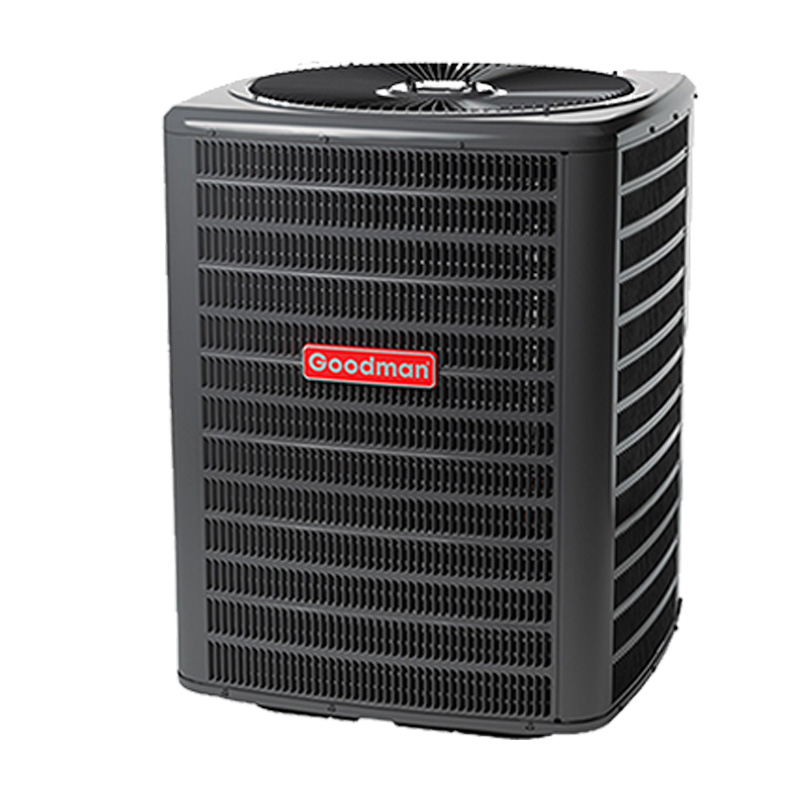
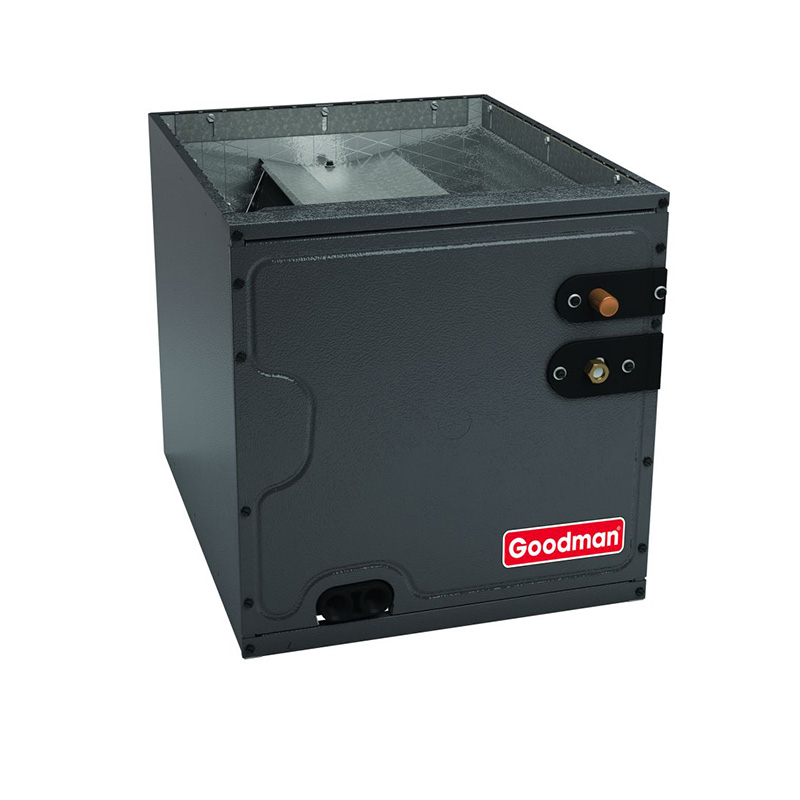
This Goodman 4-ton, 13.4 SEER2 system pairs a 120,000 BTU, 96% AFUE upflow gas furnace with a central air conditioning split system using R-32 refrigerant. The 96% AFUE rating means 96 cents of every dollar spent on gas goes toward heating your home, which puts this furnace in the high-efficiency tier and makes it eligible for federal energy-efficiency tax credits under current IRS guidelines. At 13.4 SEER2, the cooling side meets the 2023 federal minimum for northern U.S. climates and sits one step above the bare minimum in southern regions, so it is functional but not a standout in cooling efficiency. The multi-speed ECM blower motor reduces electrical consumption compared to a standard PSC motor and improves humidity control by running at lower speeds for longer cycles rather than blasting air in short bursts.
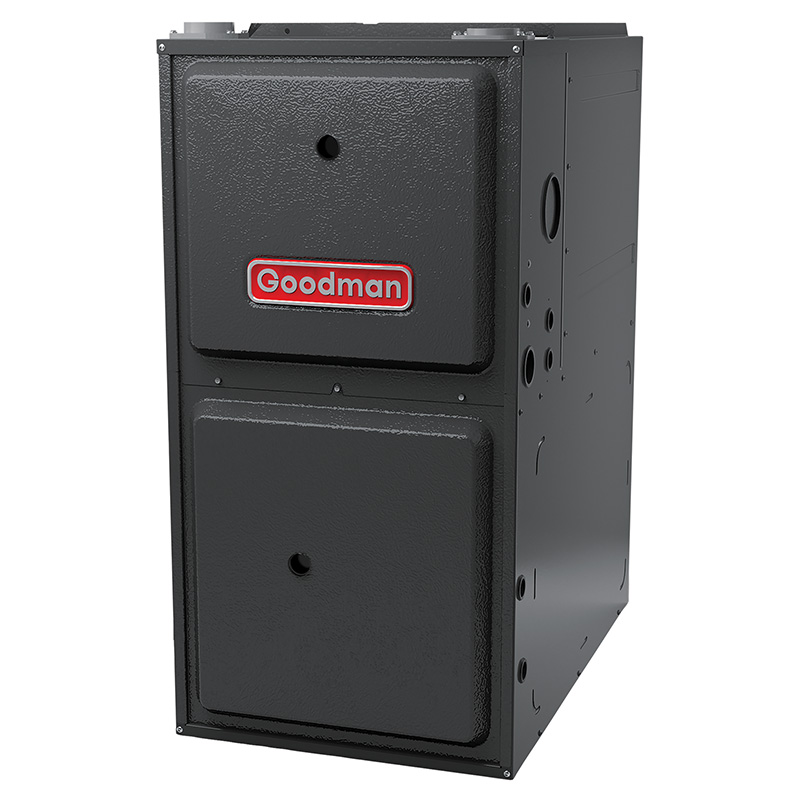
The 4-ton, 120,000 BTU sizing targets larger homes, typically in the 2,200 to 3,000 square foot range depending on climate zone, insulation quality, and window load. An upflow configuration means the furnace draws return air from the bottom and discharges conditioned air through the top into supply ductwork above, which suits homes where the furnace sits in a basement or main-floor utility closet with ducts running overhead. R-32 refrigerant has a lower global warming potential than the R-410A it replaces and is the direction the industry is heading, though it does require technicians with specific R-32 handling certification for service work. This system suits budget-conscious homeowners replacing aging equipment in a larger home who want meaningful furnace efficiency without paying premium-brand prices.
This Goodman system delivers genuine high-efficiency heating at a price point that undercuts Carrier, Trane, and Lennox by a meaningful margin, and the 96% AFUE furnace is a legitimate long-term fuel saver. The trade-off is a brand track record that shows shorter average compressor life and a higher-than-average incidence of component failures after year seven, so the lower upfront cost needs to be weighed against the realistic possibility of earlier repair or replacement costs.
Overall score is the average of the five ratings above.
What we like
- 96% AFUE furnace qualifies for federal energy-efficiency tax credits and cuts annual heating bills versus 80% AFUE equipment
- ECM multi-speed blower improves comfort and humidity control compared to standard single-speed motors
- R-32 refrigerant is forward-compatible with the industry shift away from R-410A
- Upfront cost runs roughly 15 to 25 percent below comparable Carrier, Trane, and Lennox systems
- 4-ton capacity with matched furnace in one purchase simplifies specification and quoting for installers
Trade-offs
- Compressor life averages 10 to 14 years versus 15 to 20 years reported for premium-brand compressors
- Dual-run capacitor failures are a documented recurring issue after year five to seven, adding repair costs even when the fix itself is relatively inexpensive
- Evaporator coil leaks appear in a meaningful share of owner reports, which can mean refrigerant loss and costly coil replacement outside warranty
- 13.4 SEER2 is the low end of available efficiency; homeowners in hot climates with heavy cooling loads will see higher operating costs than a 16-plus SEER2 system
What homeowners and pros say about Goodman
Homeowners who have purchased Goodman equipment tend to split into two camps when they share their experiences. The affordability is the most consistent praise in Google dealer reviews, which average around 3.8 out of 5 stars across a range of dealership locations, and many owners in that pool report years of trouble-free operation when the system was installed correctly. Technicians who work on Goodman equipment regularly echo that point: the single biggest predictor of how long a Goodman system lasts is the quality of the installation, including proper refrigerant charge, correct airflow setup, and accurate load sizing. A well-installed unit has a reasonable service life. A rushed or under-spec installation tends to surface problems quickly and colors the brand’s reputation more than the hardware itself.
On the other side of the ledger, ConsumerAffairs scores for Goodman sit at roughly 2.5 out of 5, and while that platform skews heavily toward complaint-motivated reviews, the recurring themes are specific and consistent enough to take seriously. Repair costs climbing after roughly year seven appear repeatedly, and the documented failure modes align with what the industry broadly observes: dual-run capacitors are the most commonly reported component failure and usually a straightforward repair in the $300 to $600 range, but evaporator coil leaks also surface in a meaningful share of owner accounts and are considerably more expensive to address. Compressor longevity is another real consideration, with Goodman compressors averaging 10 to 14 years of service life versus 15 to 20 years that owners of premium-brand equipment more commonly report. None of that makes this a bad system at its price point, but it is honest context for setting maintenance expectations and budgeting accordingly over a full ownership period.
Sources: ConsumerAffairs Goodman owner reviews, AHRI Directory of Certified Product Performance, U.S. DOE appliance and equipment efficiency standards, Goodman product specification sheets.
What it costs to run
At 13.4 SEER2, cooling this 4-ton system for a typical 1200-hour cooling season at the U.S. average electricity rate of $0.17/kWh works out to roughly $731 per year in cooling, about $0 less per year than a minimum-efficiency 13.4 SEER2 unit of the same size. Your real cost depends on your climate and local rate.
Method: (48,000 BTU/hr ÷ 13.4 SEER2) × 1200 hours ÷ 1000 × $0.17/kWh. Rate source: U.S. EIA average; cooling hours: moderate-climate estimate.
How it compares
| Brand | Comparable model | SEER2 | Stage | Price position |
|---|---|---|---|---|
| Goodman | 4 Ton 13.4 SEER2 / 120K BTU 96% AFUE Multi-Speed ECM Upflow R-32 | 13.4 | Multi-speed | Value pick |
| Carrier | Performance 14 Series (24ACC4 / 59SC2) | 14 | Single-stage | Roughly 20 to 30 percent above this Goodman system |
| Trane | XR14 / XC14 with S8X2 96% AFUE furnace | 13.8 to 14 | Single-stage | Roughly 25 to 35 percent above this Goodman system |
| Lennox | Merit ML14 with SLP98V 96% AFUE furnace | 14 | Single-stage to multi-stage | Roughly 25 to 40 percent above this Goodman system depending on configuration |
Competitor rows are comparable single-stage units at similar efficiency; price is relative position, not a quote.
Questions about this system
Does this system need a special refrigerant certification to be serviced, and will local technicians have it?
R-32 is classified as an A2L mildly flammable refrigerant, and EPA Section 608 technician certification is required to handle it. Many HVAC companies are already certified, but in rural markets you may find fewer options than with R-410A equipment, so it is worth confirming before purchase that your preferred service provider is equipped for R-32.
Is 120,000 BTU likely to be the right size for my home, or should I ask for a load calculation first?
Always get a Manual J load calculation done before committing to any size. A 4-ton, 120,000 BTU system is commonly appropriate for homes in the 2,200 to 3,000 square foot range in colder climates, but oversizing a furnace causes short-cycling, poor humidity control, and accelerated wear. If your contractor is sizing by square footage alone without a full load calculation, that is a red flag.
What are the most likely repairs I should budget for over the life of this system?
Based on documented owner experience with Goodman equipment, dual-run capacitor replacement is the most common early-to-mid-life repair, typically costing $300 to $600 including labor. Evaporator coil leaks are a less frequent but more expensive issue. The compressor is likely to need replacement or prompt the question of full system replacement somewhere in the 10 to 14-year range, earlier than comparable premium-brand systems.
What warranty comes with this Goodman system, and are there registration requirements?
Goodman typically offers a 10-year parts warranty on registered equipment, which requires online registration within a set window after installation. If you do not register the system, the warranty period is shorter. Labor is not covered by the manufacturer warranty, so a separate labor or extended service agreement from your installer is worth considering.
Will the 96% AFUE furnace actually pay back its cost over an 80% AFUE alternative given Goodman's reliability profile?
For most homeowners in cold climates with significant heating loads, the fuel savings from a 96% AFUE furnace over an 80% AFUE model are real and accumulate meaningfully over 10-plus years. The payback math works best in climates with high heating degree days and higher natural gas prices. The caveat with any Goodman system is that repair costs after year seven can erode some of the savings, so factoring in a service budget is part of an honest financial picture.
Specifications
| Cooling capacity | 4 Ton |
| Efficiency | 13.4 SEER2 |
| Furnace output | 120000 BTU |
| Furnace efficiency | 96% AFUE |
| Configuration | Upflow |
| Refrigerant | R-32 |