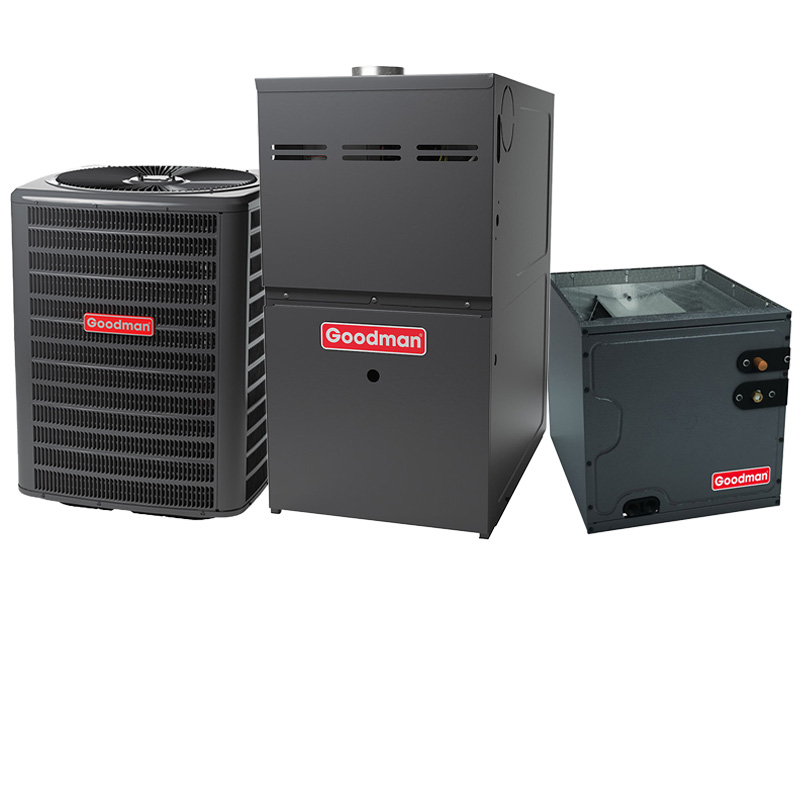
Goodman 3 Ton 15.2 SEER2 80000 BTU 80% AFUE Multi-Speed ECM Gas Furnace System – Upflow | R32
View on AC Direct see your lowest price →Check current price on AC Direct →
Key features
- 3-ton cooling capacity rated at 15.2 SEER2, meeting current federal minimum standards
- 80,000 BTU gas furnace at 80% AFUE, suitable for moderate-to-cold climates
- Multi-speed ECM blower motor for better humidity control and lower blower energy use
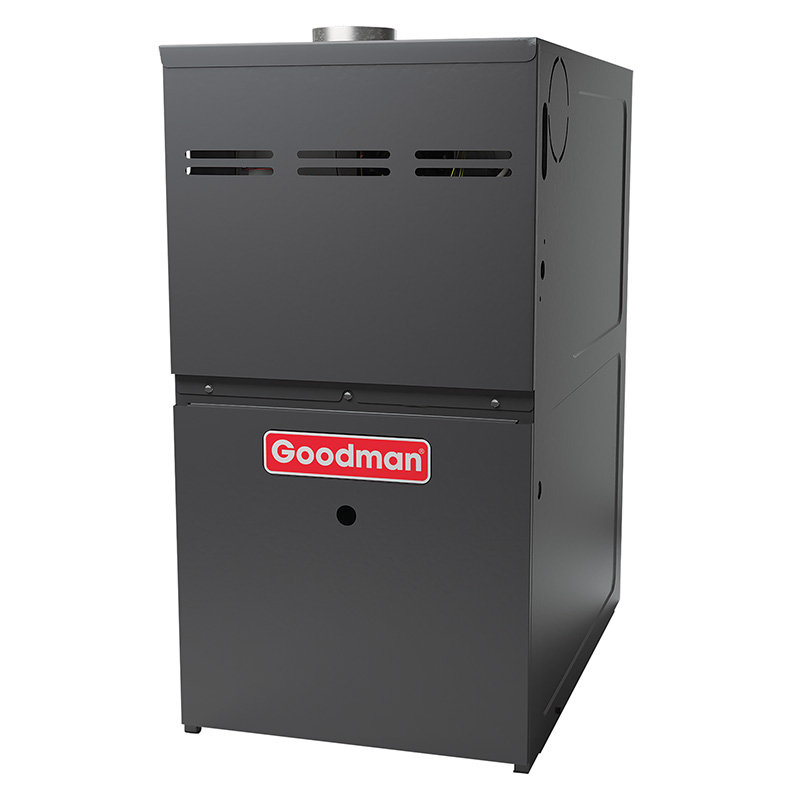
- Upflow configuration designed for basement or closet installations with overhead ductwork
- R-32 refrigerant with lower global warming potential than legacy R-410A
- Goodman 10-year parts warranty when registered within 60 days of installation
About this system
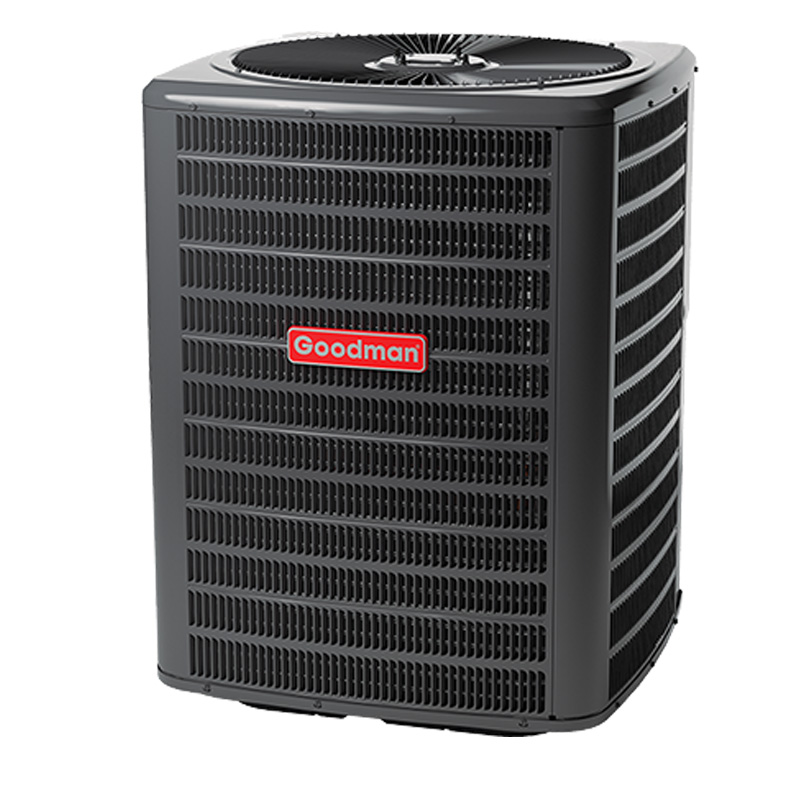
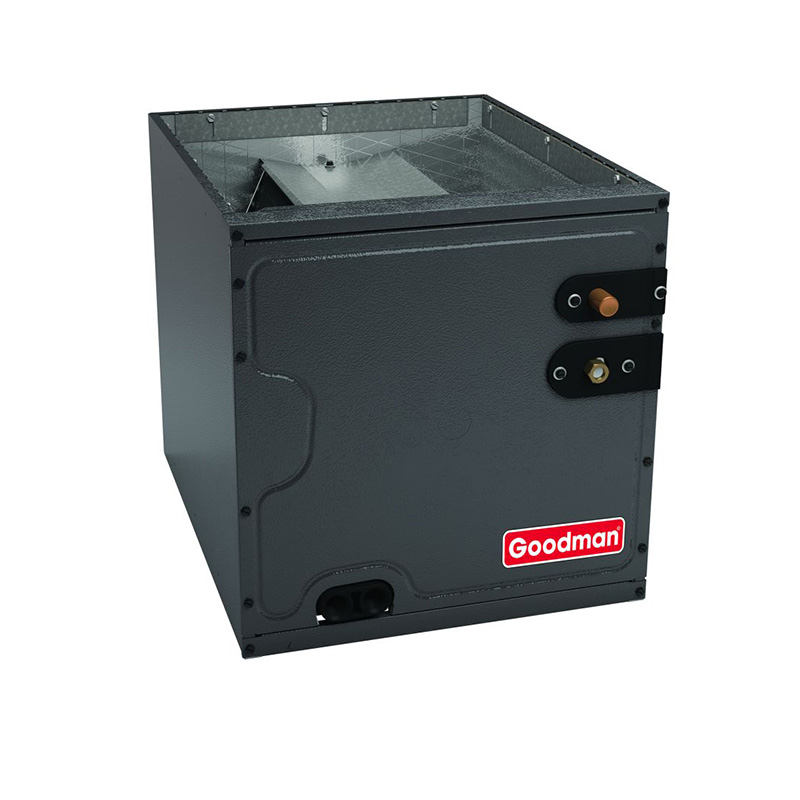
The Goodman 3-ton, 15.2 SEER2 system pairs a multi-speed ECM air handler with an 80,000 BTU, 80% AFUE upflow gas furnace and uses R-32 refrigerant, a lower-GWP alternative to the R-410A found in older systems. At 3 tons of cooling capacity, it is sized for roughly 1,400 to 1,800 square feet of well-insulated living space, though a proper Manual J load calculation should always confirm that. The 15.2 SEER2 rating sits right at the current federal minimum threshold for most U.S. climate zones, which keeps equipment cost down but means operating costs will run higher over time compared to 17+ SEER2 systems.
The multi-speed ECM blower motor is a meaningful step up from single-speed models. It ramps airflow to match demand, which improves humidity control in summer, reduces temperature swings, and cuts blower electricity consumption compared to PSC motors. The upflow configuration suits homes where the furnace sits in a basement or closet with ductwork running upward. Buyers choosing this system are typically prioritizing a lower upfront cost over long-term efficiency gains, and it fits that role well as long as it is installed by a licensed technician with attention to refrigerant charge and duct sizing.
This Goodman system delivers a functional, code-compliant HVAC package at a price 15 to 25 percent below comparable Trane, Lennox, or Carrier equipment, making it a reasonable choice for budget-conscious buyers who prioritize upfront savings. The 80% AFUE furnace and baseline SEER2 rating mean operating costs will be higher than mid-efficiency alternatives over a 15-year ownership window. Long-term reliability depends heavily on install quality and whether a capacitor or coil issue arises in years 7 to 12.
Overall score is the average of the five ratings above.
What we like
- Significantly lower upfront cost versus Carrier, Trane, and Lennox equivalents
- Multi-speed ECM blower improves comfort and humidity control over single-speed units
- R-32 refrigerant is more environmentally friendly and less regulated than R-410A
- 10-year registered parts warranty provides reasonable coverage for the price tier
- Wide installer network means parts and service are generally accessible
Trade-offs
- 80% AFUE is the lowest efficiency tier available; homeowners in cold climates will see noticeably higher gas bills versus 96% AFUE alternatives
- 15.2 SEER2 is a minimum-tier rating; cooling operating costs will exceed those of higher-efficiency systems over the equipment's life
- Compressor lifespan averages 10 to 14 years, shorter than the 15 to 20 years typical of premium brands
- Dual-run capacitor failures and evaporator coil leaks are documented recurring issues in owner reviews, with repair costs ranging from $300 to $600 for capacitors and more for coil replacements
What homeowners and pros say about Goodman
Homeowners who chose Goodman equipment cite affordability as the main draw, and that tracks with the brand’s Google dealer review average of around 3.8 out of 5 across multiple locations. The most common praise is straightforward: you get a complete, warrantied system for meaningfully less than a Carrier or Trane equivalent. However, ConsumerAffairs tells a more complicated story, with Goodman sitting at roughly 2.5 out of 5 on that platform, where the recurring complaint pattern involves repair costs climbing after about year 7, often tied to capacitor failures or refrigerant issues. That gap between the two scores is worth understanding: ConsumerAffairs skews toward people who had problems, while dealer review scores reflect the broader install base including uneventful ownership.
HVAC technicians consistently say that Goodman’s performance is more install-dependent than premium brands, meaning a careful, well-certified contractor matters more here than it would with Trane or Lennox. The specific failure modes that show up repeatedly in owner feedback for Goodman are dual-run capacitor failures (a relatively inexpensive fix in the $300 to $600 range), evaporator coil leaks, and a compressor lifespan that averages 10 to 14 years versus the 15 to 20 years seen in premium-tier equipment. A small minority of owners also report refrigerant leaks within the first year, which technicians typically attribute to installation or initial charge errors rather than the hardware itself. Taken together, the picture is a brand that delivers solid value early in the ownership window but rewards buyers who budget for likely maintenance after year 7 and who invest in a quality install from the start.
Sources: ConsumerAffairs Goodman owner reviews, AHRI Directory of Certified Product Performance, U.S. DOE appliance and equipment efficiency standards, Goodman product specification sheets.
What it costs to run
At 15.2 SEER2, cooling this 3-ton system for a typical 1200-hour cooling season at the U.S. average electricity rate of $0.17/kWh works out to roughly $483 per year in cooling, about $65 less per year than a minimum-efficiency 13.4 SEER2 unit of the same size. Your real cost depends on your climate and local rate.
Method: (36,000 BTU/hr ÷ 15.2 SEER2) × 1200 hours ÷ 1000 × $0.17/kWh. Rate source: U.S. EIA average; cooling hours: moderate-climate estimate.
How it compares
| Brand | Comparable model | SEER2 | Stage | Price position |
|---|---|---|---|---|
| Goodman | GSZTO-18 / GMVC8 (this system) | 15.2 | Multi-speed | Value pick |
| Carrier | Comfort 14 (24ACC6) | 15.2 | Single-stage | 15 to 25 percent above this system |
| Trane | XR15 (4TTR5) | 15.2 | Single-stage | 20 to 30 percent above this system |
| Lennox | Merit 14ACX | 15.2 | Single-stage | 20 to 30 percent above this system |
Competitor rows are comparable single-stage units at similar efficiency; price is relative position, not a quote.
Questions about this system
Why does this system use R-32 refrigerant, and does that affect service costs?
R-32 has a lower global warming potential than R-410A and is increasingly common in new equipment as the HVAC industry phases out older refrigerants. Most licensed HVAC technicians can handle R-32, but it requires specific handling procedures due to its mild flammability classification, so confirm your installer is certified for it before booking service.
Is 80% AFUE good enough, or should I pay more for a 96% furnace?
80% AFUE means 20 cents of every dollar of gas is vented as exhaust. If your home is in a northern climate with 4,000 or more heating degree days per year, a 96% AFUE furnace typically pays back its premium in 5 to 8 years through lower gas bills. In mild climates with shorter heating seasons, the payback window stretches and the 80% unit may make more financial sense.
What is the most common repair this system will need, and how much will it cost?
Based on owner-reported patterns for Goodman equipment, dual-run capacitor failure is the most frequently cited issue and typically costs $300 to $600 to repair. Evaporator coil leaks also appear in a meaningful share of reviews and are more expensive to address. Having a service agreement or setting aside a small repair fund after year 6 is a practical precaution.
How long will the compressor last compared to a Carrier or Trane unit?
Goodman compressors average 10 to 14 years based on owner and technician feedback, whereas premium brands like Trane and Carrier typically average 15 to 20 years. That gap is partly a materials and component-grade difference and partly tied to install quality, since an improperly charged system shortens compressor life regardless of brand.
Does the upflow configuration limit where I can install this furnace?
Upflow means the furnace draws return air from the bottom and discharges conditioned air upward into the supply plenum, which suits basements, utility closets, and crawlspace installations with overhead duct systems. If your ductwork exits from the side or the unit needs to sit in an attic or horizontal space, you would need a horizontal or downflow-configured furnace instead.
Specifications
| Cooling capacity | 3 Ton |
| Efficiency | 15.2 SEER2 |
| Furnace output | 80000 BTU |
| Furnace efficiency | 80% AFUE |
| Configuration | Upflow |
| Refrigerant | R-32 |