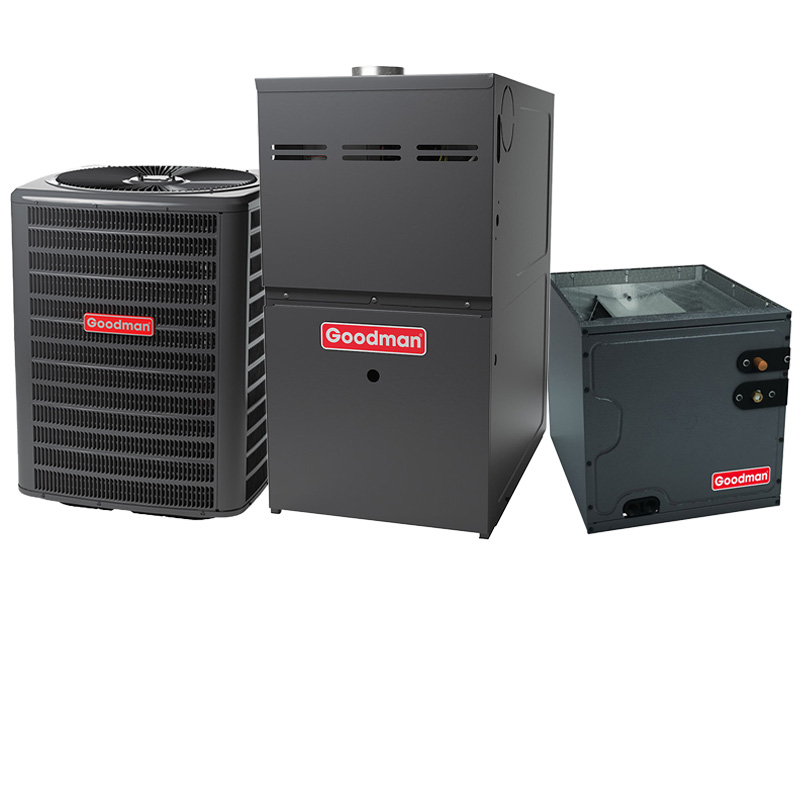
Goodman 5 Ton 14 SEER2 80000 BTU 80% AFUE Multi-Speed ECM Gas Furnace System – Upflow | R32
View on AC Direct see your lowest price →Check current price on AC Direct →
Key features
- 5-ton cooling capacity, 14 SEER2 efficiency rating
- 80,000 BTU gas furnace at 80% AFUE for standard-efficiency heating
- Multi-speed ECM blower motor for quieter, more even airflow
- Upflow configuration for basement or ground-level utility room installs
- R-32 refrigerant with lower global warming potential than R-410A
- Priced 15 to 25 percent below comparable Trane, Lennox, and Carrier systems
About this system
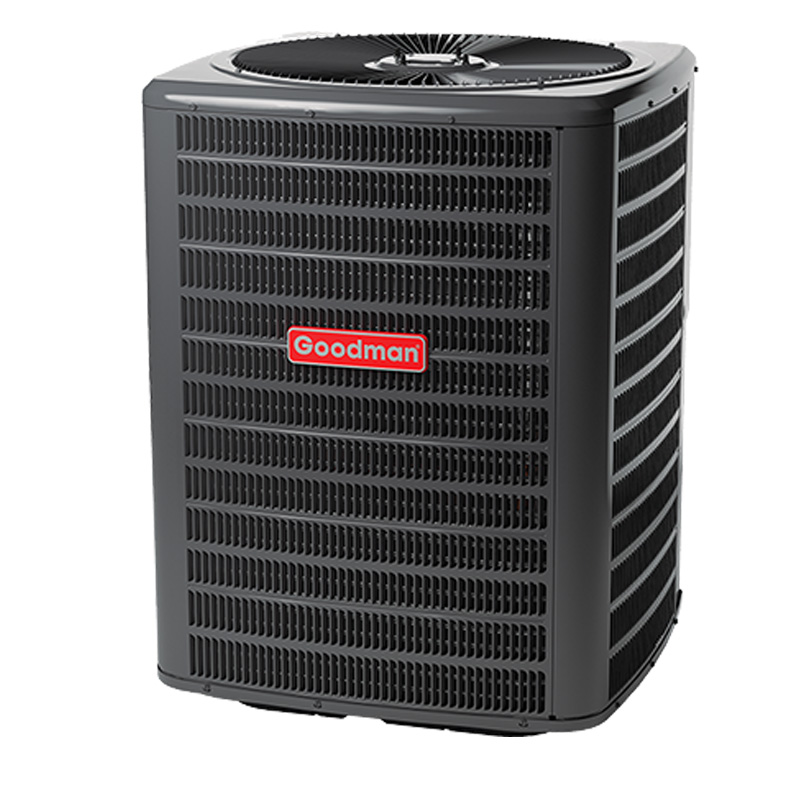
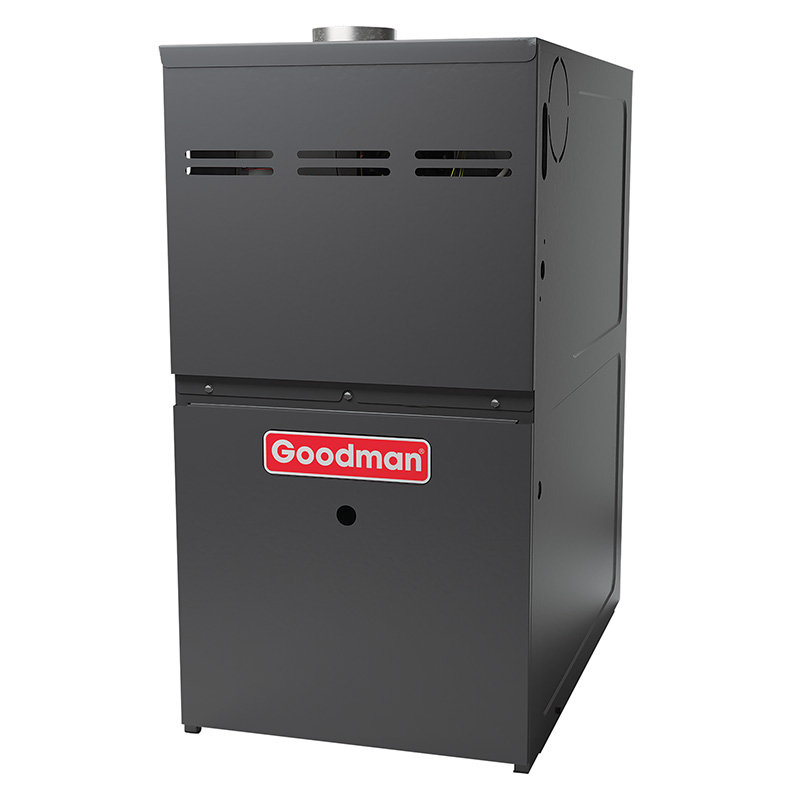
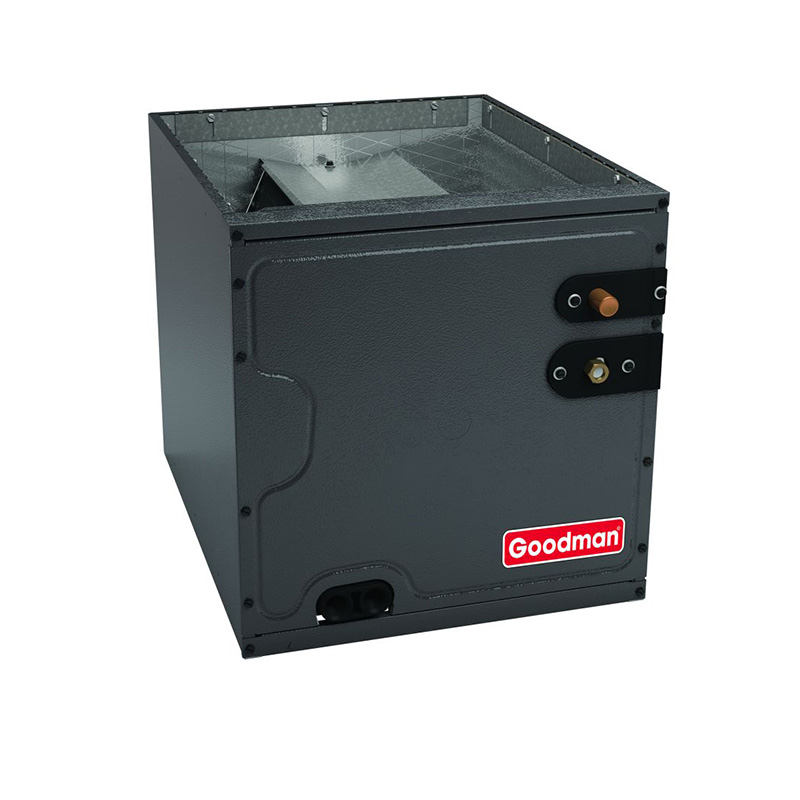
This Goodman package pairs a 5-ton, 14 SEER2 central air conditioner with an 80,000 BTU, 80% AFUE upflow gas furnace, making it a full split-system replacement aimed at larger homes in the 2,200 to 3,000 square foot range depending on climate and insulation. The 14 SEER2 rating meets the 2023 federal minimum for most northern regions and sits just at the threshold for southern markets, so buyers in hotter climates should confirm local compliance requirements before purchasing. The multi-speed ECM blower motor is a meaningful step up from single-speed units, delivering quieter operation, more even temperature distribution, and modest energy savings on the air-handling side compared to PSC motors.
The R-32 refrigerant charge reflects the industry shift away from R-410A. R-32 has a lower global warming potential and is increasingly available from service technicians, though it does require specific handling equipment and certification, so not every local HVAC company will be equally prepared to service it yet. The upflow configuration sends conditioned air upward through the supply plenum, suiting homes with a basement or utility room installation where ductwork runs overhead. At 80% AFUE, roughly one dollar in five spent on natural gas leaves as exhaust, which is adequate but not high-efficiency; homeowners in cold climates who run the furnace heavily from October through April may find a 96% AFUE unit pays back the price difference over time.
This system delivers a solid entry-level replacement for larger homes where budget matters more than long-term efficiency or compressor longevity. At 14 SEER2 and 80% AFUE it meets minimums without exceeding them, and the ECM motor is a genuine comfort upgrade at this price point. Buyers who plan to stay in the home beyond ten years should weigh Goodman's shorter average compressor lifespan and documented coil leak history against the upfront savings.
Overall score is the average of the five ratings above.
What we like
- Significantly lower purchase price than equivalent Carrier, Trane, or Lennox systems
- Multi-speed ECM blower improves comfort and reduces blower energy use versus single-speed alternatives
- R-32 refrigerant aligns with current and near-future regulatory direction
- Upflow layout is straightforward for technicians familiar with standard residential ducted systems
- Widely available through HVAC distributors, making parts sourcing relatively easy
Trade-offs
- Compressors average 10 to 14 years versus 15 to 20 for premium brands, a real long-term cost factor on a 5-ton unit
- Dual-run capacitor failures are the most commonly reported service call, typically after year five
- Evaporator coil leaks appear in a notable share of owner feedback, which can mean refrigerant loss and repair bills
- 80% AFUE is the lowest efficiency tier available; heating costs will be meaningfully higher than a 96% AFUE furnace in cold climates
What homeowners and pros say about Goodman
Homeowners who have lived with a Goodman system tend to split into two camps, and the ConsumerAffairs score of roughly 2.5 out of 5 reflects that divide. The complaints that drag the rating down cluster around repair costs that start climbing after about year seven, with dual-run capacitor failures being the single most mentioned service call. Evaporator coil leaks appear regularly in negative reviews as well, and a smaller group of owners report refrigerant issues within the first year that typically trace back to installation workmanship rather than a factory defect. On Google dealer reviews the picture is more balanced, with scores averaging around 3.8 out of 5 across locations, where the most common praise is straightforwardly that the equipment cost less than competitors and that the dealer or installer made the difference in how well it runs.
Experienced HVAC technicians tend to say much the same thing: Goodman builds a functional product at a price point that makes replacement accessible, but the compressor lifespan averaging 10 to 14 years versus 15 to 20 for Trane, Carrier, or Lennox is a real number to factor in when the unit in question is a 5-ton system where a compressor swap is not a small bill. The multi-speed ECM furnace in this particular package is a genuine plus that puts it a step above the most basic Goodman configurations, and technicians generally regard the ECM blower as reliable. The consensus from the service side is that a carefully done installation with a thorough startup check, especially verifying refrigerant charge and electrical connections, goes a long way toward getting the better end of Goodman’s reliability range rather than the worse end.
Sources: ConsumerAffairs Goodman owner reviews, AHRI Directory of Certified Product Performance, U.S. DOE appliance and equipment efficiency standards, Goodman product specification sheets.
What it costs to run
At 14 SEER2, cooling this 5-ton system for a typical 1200-hour cooling season at the U.S. average electricity rate of $0.17/kWh works out to roughly $874 per year in cooling, about $39 less per year than a minimum-efficiency 13.4 SEER2 unit of the same size. Your real cost depends on your climate and local rate.
Method: (60,000 BTU/hr ÷ 14 SEER2) × 1200 hours ÷ 1000 × $0.17/kWh. Rate source: U.S. EIA average; cooling hours: moderate-climate estimate.
How it compares
| Brand | Comparable model | SEER2 | Stage | Price position |
|---|---|---|---|---|
| Goodman | GSXN5 / GMVC8 (this system) | 14 | Multi-speed | Value pick |
| Carrier | Performance 14 / 58TP (Performance Series) | 14 | Single-stage | 15 to 25 percent higher than this Goodman |
| Trane | XR14 / S8X1 (S-Series 80%) | 14 | Single-stage | 15 to 25 percent higher than this Goodman |
| Lennox | Merit 14ACX / ML180 | 14 | Single-stage | 20 to 30 percent higher than this Goodman |
Competitor rows are comparable single-stage units at similar efficiency; price is relative position, not a quote.
Questions about this system
Is 14 SEER2 legal to install in my state or region?
The 2023 federal minimums set 14 SEER2 as the floor for northern states and 15 SEER2 for the Southwest and Southeast regions. If your home is in a southern or hot-climate state, confirm with your installer that 14 SEER2 is still approved for your specific location before purchasing this unit.
Will a standard HVAC technician be able to service R-32 refrigerant?
R-32 requires technicians to have proper recovery equipment rated for A2L refrigerants and the relevant EPA certification. Most larger HVAC companies are already equipped, but smaller independent shops in rural areas may not be. Ask your service contractor specifically about R-32 capability before signing a maintenance agreement.
What does the multi-speed ECM blower actually change day to day?
An ECM motor ramps speed up and down based on system demand rather than running at full blast every cycle. In practice this means quieter operation during the majority of run time, more consistent room temperatures, and lower blower electricity consumption compared to a single-speed PSC motor.
How worried should I be about the documented capacitor and coil leak issues with Goodman?
Capacitor failures are the most frequently reported Goodman service call but are generally inexpensive to fix, typically in the 300 to 600 dollar range with a service visit. Evaporator coil leaks are a more significant concern because they can mean refrigerant loss and a larger repair bill; keeping the system on an annual maintenance plan helps catch refrigerant pressure drops early.
Would I save enough on heating bills by upgrading to a 96% AFUE furnace to justify the higher price?
The 16-percentage-point efficiency gap between 80% and 96% AFUE means roughly 17 percent less gas burned for the same heat output. In a cold climate with high heating-degree days and moderate gas prices, that difference can add up to several hundred dollars per season on a 5-ton system's furnace, so the payback period on a 96% unit is often five to eight years in northern states.
Specifications
| Cooling capacity | 5 Ton |
| Efficiency | 14 SEER2 |
| Furnace output | 80000 BTU |
| Furnace efficiency | 80% AFUE |
| Configuration | Upflow |
| Refrigerant | R-32 |