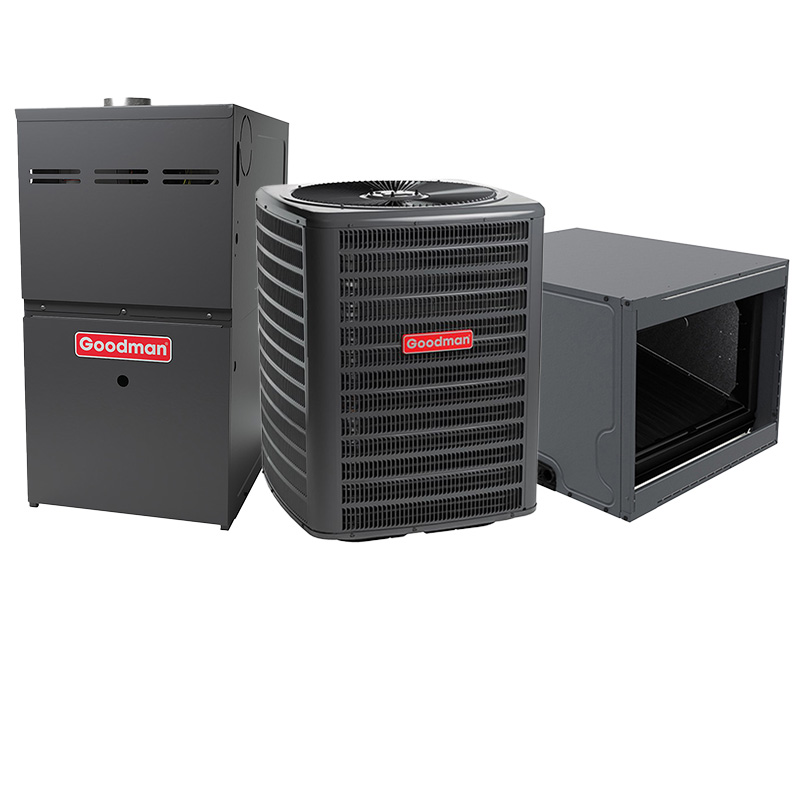
Goodman Furnace And Air Conditioner 3 Ton 16 SEER2 AC With 100000 BTU 80% AFUE Multi-Speed ECM Gas Furnace System – Horizontal | R32
View on AC Direct see your lowest price →Check current price on AC Direct →
Key features
- 3-ton cooling capacity with 16 SEER2 efficiency rating
- 100,000 BTU output gas furnace at 80% AFUE
- Horizontal configuration for attic, crawl-space, or side-closet installs
- Multi-speed ECM blower motor for quieter operation and lower fan energy use
- R-32 refrigerant with lower global warming potential than R-410A
- Matched system components factory-rated together for AHRI-certified performance
About this system
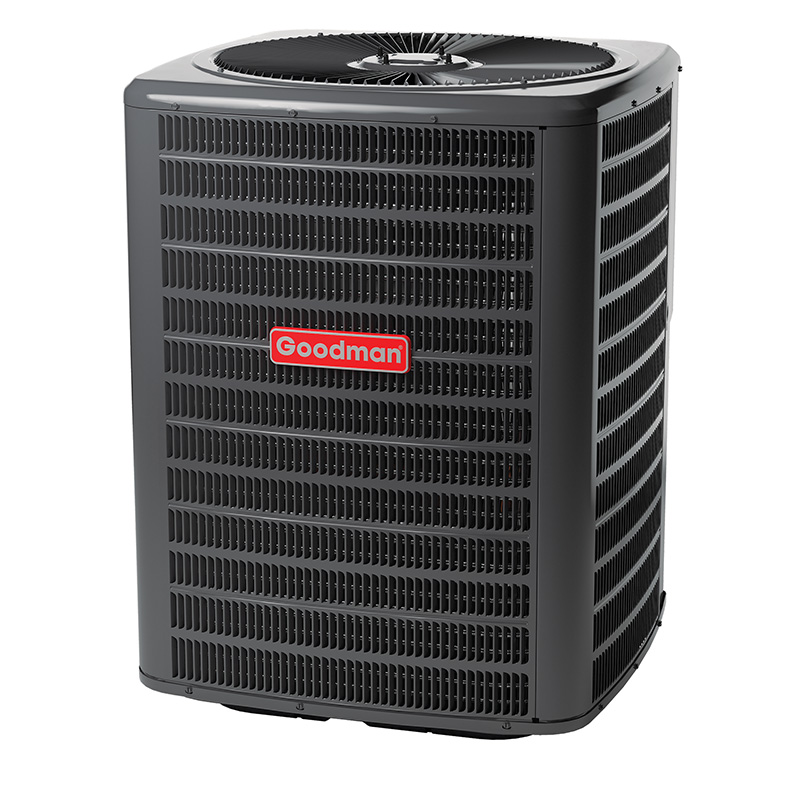
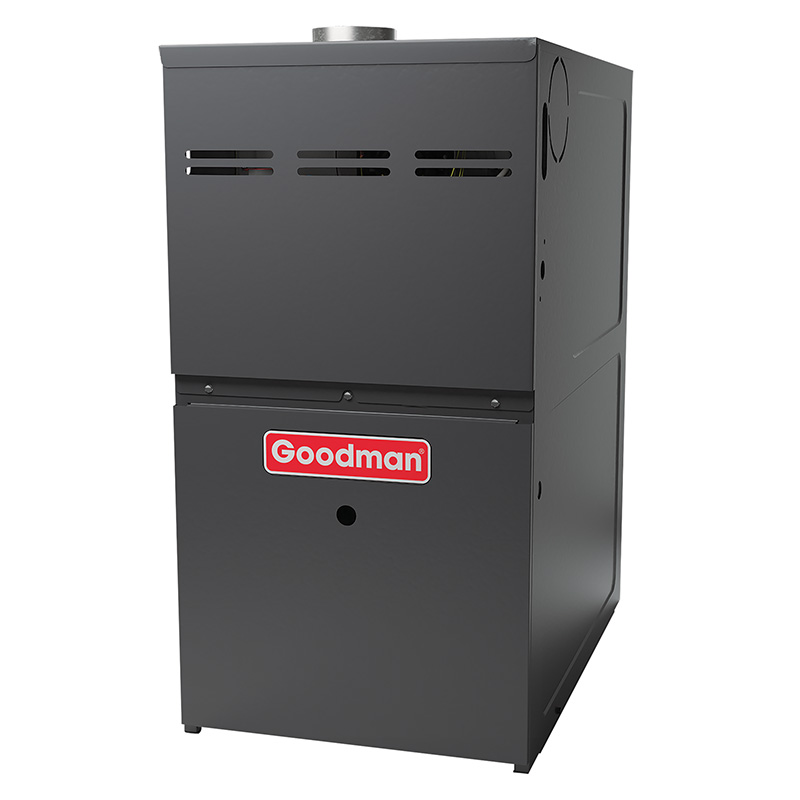
This Goodman bundle pairs a 3-ton, 16 SEER2 split-system air conditioner with a 100,000 BTU, 80% AFUE multi-speed ECM gas furnace configured for horizontal installation. The 16 SEER2 rating clears the federal minimum for most U.S. climate zones and lands in the mid-efficiency tier, meaning it will cost meaningfully less to run than an older 13 or 14 SEER system without reaching the operating savings of a 18+ SEER2 variable-speed unit. The 80% AFUE furnace is straightforward single-stage combustion efficiency: one dollar in five goes up the flue, which is acceptable for mild-to-moderate heating climates but leaves room on the table versus 96% AFUE alternatives in colder regions.
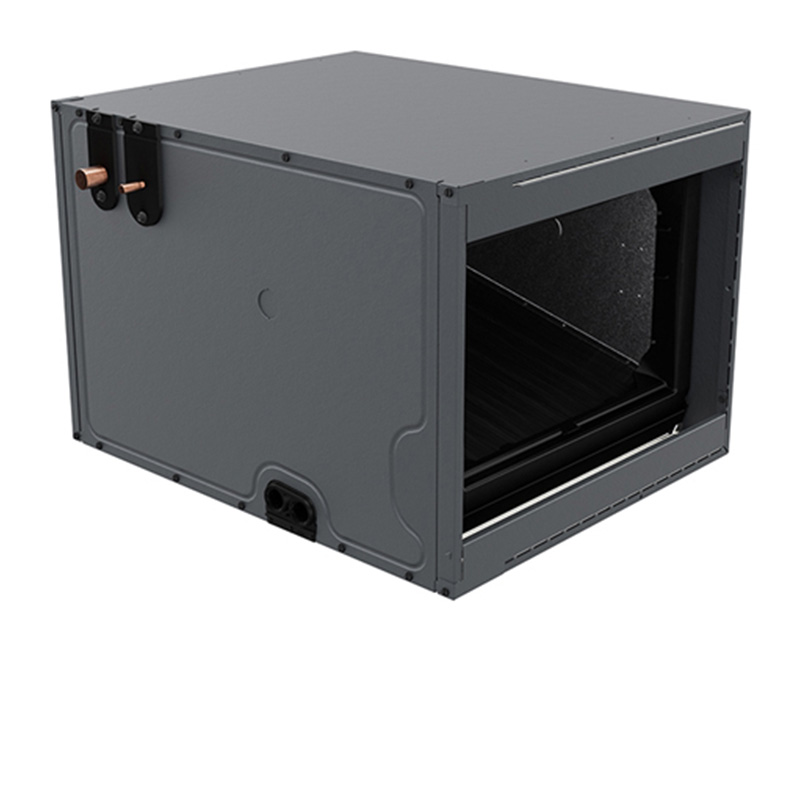
The horizontal configuration targets attic installs, manufactured homes, and crawl-space or side-closet setups where a vertical air handler simply will not fit. The multi-speed ECM blower motor is a genuine upgrade over a standard PSC motor: it draws less electricity during fan-only and cooling cycles, runs quieter at lower speeds, and tends to dehumidify more effectively by moving air more slowly across the coil. R-32 refrigerant has a lower global warming potential than the R-410A it replaces and operates at similar pressures, so most certified technicians can handle it, though not every shop has updated their recovery equipment yet. This system suits a budget-conscious buyer replacing aging equipment in a 1,400 to 2,000 square foot home who wants a complete, matched system without the premium attached to Carrier, Trane, or Lennox nameplate pricing.
This Goodman bundle is a competent mid-efficiency system at a price point 15 to 25 percent below comparable equipment from Carrier, Trane, or Lennox, making it a reasonable choice when budget is the primary constraint. The ECM blower and 16 SEER2 rating deliver real efficiency improvements over entry-level replacements, but the 80% AFUE furnace and documented reliability concerns past year seven mean buyers should weigh upfront savings against potential mid-life repair costs. Install quality will likely matter more to this system's longevity than the hardware itself.
Overall score is the average of the five ratings above.
What we like
- Purchase price runs 15 to 25 percent below comparable Carrier, Trane, and Lennox systems
- Multi-speed ECM motor lowers fan energy consumption and improves comfort compared to single-speed PSC motors
- 16 SEER2 rating meets or exceeds federal efficiency minimums in all U.S. climate regions
- Matched AHRI-certified system simplifies permitting and ensures rated performance from day one
- R-32 refrigerant is serviceable by most EPA 608-certified technicians and has a lower environmental impact than R-410A
Trade-offs
- 80% AFUE furnace leaves roughly 20% of fuel energy unrecovered, which adds up in cold climates with high heating loads
- Dual-run capacitor failures and evaporator coil leaks are documented recurring issues, with repair costs typically rising after year seven
- Compressor lifespan averages 10 to 14 years versus 15 to 20 years for premium-brand compressors, so total cost of ownership narrows over time
- A minority of owners have reported refrigerant leaks in the first year, most traced to installation or initial charge errors rather than the equipment itself
What homeowners and pros say about Goodman
Homeowners who choose Goodman most often point to the price gap as the deciding factor, and that sentiment is reflected in Google dealer review averages that sit around 3.8 out of 5, where affordability comes up more than any other topic. The picture shifts on ConsumerAffairs, where the score drops to roughly 2.5 out of 5 and the recurring complaint involves repair expenses that start climbing somewhere around the seven-year mark. For this horizontal system specifically, the R-32 refrigerant and ECM blower tend to draw positive remarks from installers who appreciate the lower-GWP refrigerant and the quieter, more efficient fan operation, but those same installers are quick to note that the outcome of any Goodman installation depends heavily on the care taken during setup.
HVAC technicians who work on Goodman equipment regularly cite dual-run capacitor failures as the most common service call, a repair that typically runs 300 to 600 dollars and is not unique to Goodman but shows up with enough frequency to be worth budgeting for. Evaporator coil leaks appear in a meaningful share of owner accounts and tend to be more disruptive and costly. Compressor longevity is another honest conversation point: the real-world average of 10 to 14 years is shorter than the 15 to 20 years that premium brands tend to deliver, and that gap matters most for buyers who plan to stay in a home for a long time. A small but notable minority of owners have reported refrigerant leaks in the first year, most of which investigators trace back to installation or initial charge issues rather than a defect in the equipment itself, which underscores why choosing an experienced, detail-oriented installer matters as much as the hardware choice for this particular brand.
Sources: ConsumerAffairs Goodman owner reviews, AHRI Directory of Certified Product Performance, U.S. DOE appliance and equipment efficiency standards, Goodman product specification sheets.
What it costs to run
At 16 SEER2, cooling this 3-ton system for a typical 1200-hour cooling season at the U.S. average electricity rate of $0.17/kWh works out to roughly $459 per year in cooling, about $89 less per year than a minimum-efficiency 13.4 SEER2 unit of the same size. Your real cost depends on your climate and local rate.
Method: (36,000 BTU/hr ÷ 16 SEER2) × 1200 hours ÷ 1000 × $0.17/kWh. Rate source: U.S. EIA average; cooling hours: moderate-climate estimate.
How it compares
| Brand | Comparable model | SEER2 | Stage | Price position |
|---|---|---|---|---|
| Goodman | GSXH503610 + GMH8 Series (this system) | 16 | Single-stage | Value pick |
| Carrier | Performance 16 (24ACC6) + 58MXA | 16 | Single-stage | Typically 15 to 20 percent above this Goodman bundle |
| Trane | XR16 (4TTR6) + S8X2 | 16 | Single-stage | Typically 20 to 25 percent above this Goodman bundle |
| Lennox | Merit 16ACX + ML180 | 16 | Single-stage | Typically 15 to 25 percent above this Goodman bundle |
Competitor rows are comparable single-stage units at similar efficiency; price is relative position, not a quote.
Questions about this system
Is R-32 refrigerant hard to find a technician for, and does it require special equipment?
R-32 is becoming increasingly common and most EPA 608-certified technicians can work with it, but it does require dedicated recovery cylinders and equipment that not every shop has updated yet. Before you sign a service contract, it is worth confirming your chosen HVAC company is already servicing R-32 systems in your area.
Why does the horizontal configuration matter, and can this furnace be installed vertically?
This furnace and air handler are specifically configured for horizontal airflow, which is required for attic, crawl-space, and certain side-closet installs where the unit lies on its side. Installing a horizontal-configured unit vertically is not correct and can cause drainage and performance problems, so you should verify the configuration matches your actual installation space before purchasing.
What does 80% AFUE actually mean for my gas bill compared to a 96% AFUE furnace?
An 80% AFUE furnace exhausts roughly 20 cents of every dollar of gas burned through the flue, while a 96% AFUE unit loses only about 4 cents. In a heating-heavy climate, that gap can add up to a meaningful annual difference in gas costs, so the payback period on a higher-efficiency furnace shortens the colder and longer your winters are.
Goodman gets mixed reviews online. How worried should I be about long-term reliability?
Goodman holds a roughly 2.5 out of 5 on ConsumerAffairs, a channel that skews toward complaints, with the recurring theme being repair costs climbing after about year seven. Google dealer reviews average around 3.8 out of 5, where affordability is the most cited upside. The most documented failure points are dual-run capacitors (a relatively inexpensive fix in the 300 to 600 dollar range), evaporator coil leaks, and compressors that tend to average 10 to 14 years rather than the 15 to 20 years seen with premium brands. A strong installation and a basic service plan go a long way toward getting the most out of this equipment.
Does Goodman's warranty require professional registration, and what does it actually cover?
Goodman typically requires online registration within a set window after installation to unlock the full parts warranty term; without registration the warranty period is shorter. The warranty generally covers parts but not labor, which means a compressor replacement inside the warranty window still carries a service bill. Confirm the current warranty terms at registration since Goodman has revised its coverage structure in recent years.
Specifications
| Cooling capacity | 3 Ton |
| Efficiency | 16 SEER2 |
| Furnace output | 100000 BTU |
| Furnace efficiency | 80% AFUE |
| Configuration | Horizontal |
| Refrigerant | R-32 |