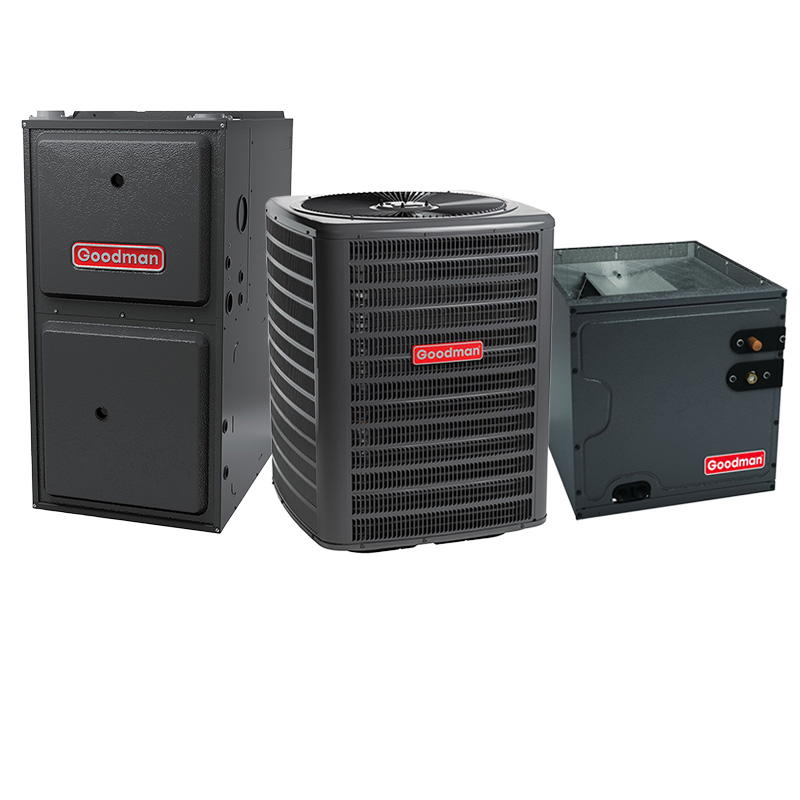
Goodman Furnace And Air Conditioner 1.5 Ton 15.2 SEER2 AC With 40000 BTU 80% AFUE Two Stage Multi-Speed ECM Gas Furnace System – Upflow | R32
View on AC Direct see your lowest price →Check current price on AC Direct →
Key features
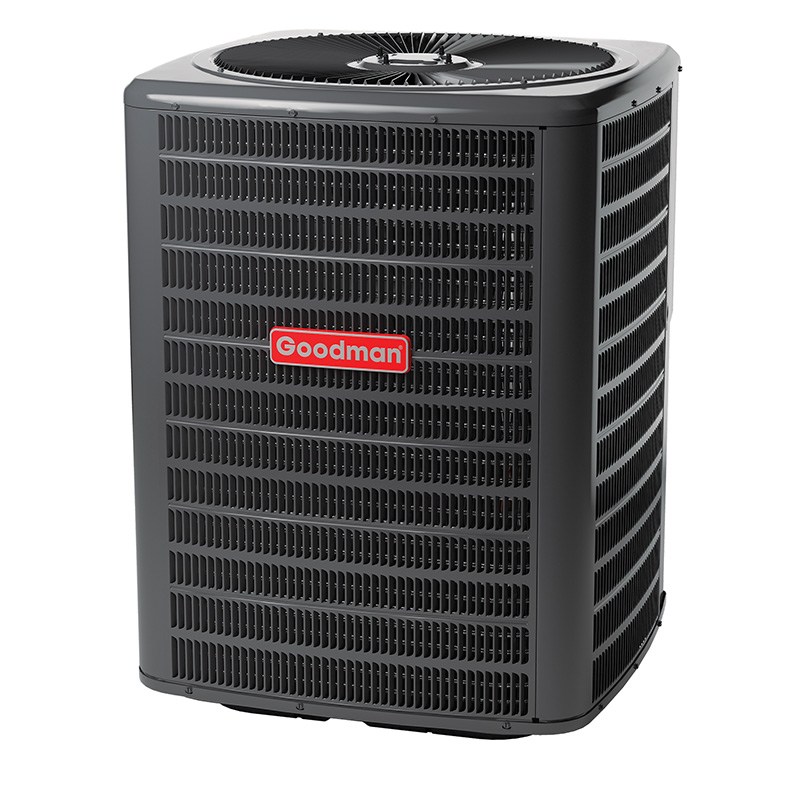
- 1.5-ton cooling capacity with 15.2 SEER2 efficiency rating
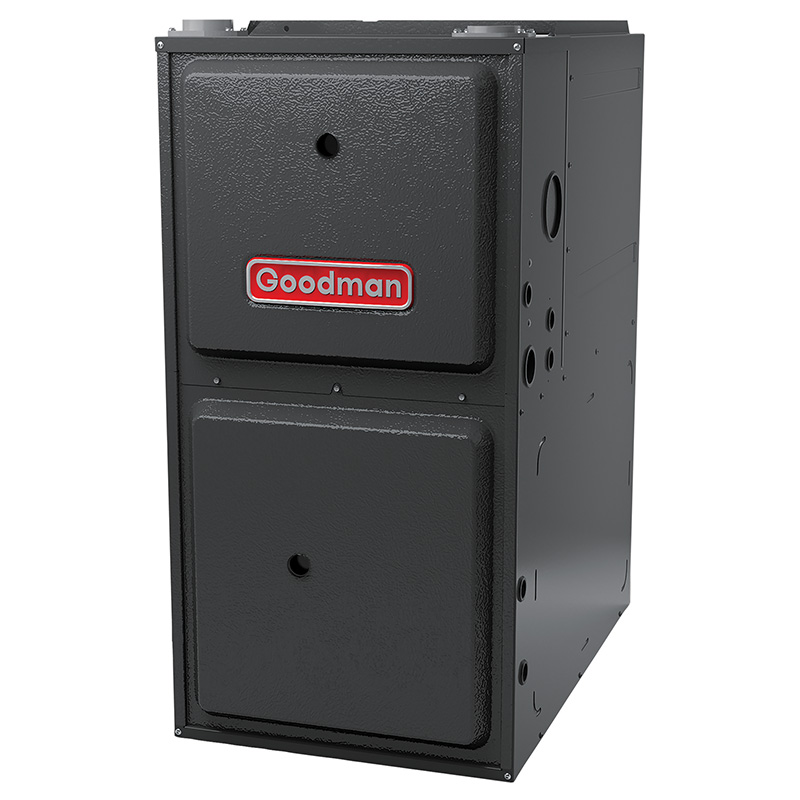
- 40,000 BTU two-stage gas furnace at 80% AFUE
- Multi-speed ECM blower motor for variable airflow and lower electricity draw
- R-32 refrigerant charge with lower global warming potential than R-410A
- Upflow configuration for standard basement or closet installations
- Factory-matched system designed and rated as a complete bundle
About this system
This Goodman bundle pairs a 1.5-ton, 15.2 SEER2 air conditioner with a 40,000 BTU, 80% AFUE two-stage gas furnace in an upflow configuration, making it a practical choice for smaller homes or well-insulated spaces in the 600 to 900 square foot range that already have ductwork routed upward from the air handler. The R-32 refrigerant charge is a forward-looking detail: R-32 has a lower global warming potential than the older R-410A it is replacing across the industry, and its higher energy density can support slightly better efficiency at the same operating pressures.
The two-stage furnace and multi-speed ECM blower motor are the real workhorses of this kit. Two-stage heating means the furnace runs on a lower firing rate most of the time, cycling less aggressively, which tends to keep temperatures steadier and reduces short-cycling noise. The ECM motor adjusts airflow continuously rather than running at a fixed speed, which trims electricity use at the air handler and can improve humidity control in shoulder seasons. For a small conditioned space, that combination of consistent airflow and modulated heat output is genuinely useful. At 80% AFUE, roughly one-fifth of combustion energy exits as flue gas, so homeowners in very cold climates with long heating seasons should weigh whether a 96% AFUE unit would pay back its higher upfront cost over time.
Goodman positions this system as a value-oriented option, typically priced 15 to 25 percent below comparable Trane, Lennox, or Carrier equipment. That gap matters most to buyers whose priority is getting a code-compliant, reasonably efficient system installed on a tight budget. The trade-off is that Goodman’s long-term reliability record, while acceptable when the system is properly installed and maintained, does not match the track record of those premium brands, and resale value on a home with Goodman equipment is sometimes lower in markets where buyers recognize brand names.
This Goodman bundle delivers a genuinely capable two-stage, ECM-equipped system at a price point that is hard to match from premium brands, and the R-32 refrigerant keeps it current with where the industry is heading. The honest caveat is that long-term ownership costs depend heavily on install quality and the willingness to budget for maintenance, since Goodman's documented failure modes and compressor longevity lag behind Trane and Carrier at the top of the market.
Overall score is the average of the five ratings above.
What we like
- Priced 15 to 25 percent below comparable Trane, Lennox, and Carrier bundles
- Two-stage furnace reduces temperature swings and short-cycling in small spaces
- ECM blower motor lowers electricity consumption compared to PSC motors
- R-32 refrigerant is lower-GWP and widely available for future service
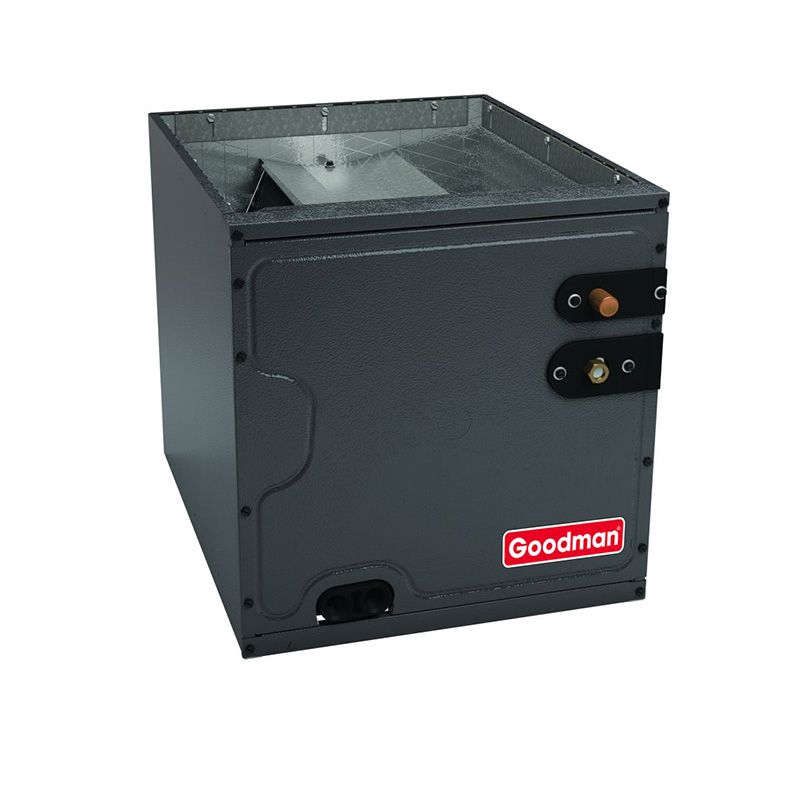
- Factory-matched system simplifies coil compatibility and AHRI rating verification
Trade-offs
- 80% AFUE leaves meaningful efficiency gains on the table versus 96% AFUE units for cold-climate buyers
- Dual-run capacitor failures and evaporator coil leaks are documented recurring issues across the Goodman line
- Compressor lifespan averages 10 to 14 years, shorter than the 15 to 20 years typical of premium brands
- ConsumerAffairs feedback (about 2.5 out of 5) shows repair costs climbing after roughly year 7, which can erode the upfront savings
What homeowners and pros say about Goodman
Homeowners who choose Goodman equipment most often point to the upfront savings as the deciding factor, and dealer Google reviews averaging around 3.8 out of 5 suggest that buyers who go in with realistic expectations are generally satisfied, particularly when installation is handled by an experienced contractor. The two-stage furnace and ECM blower in this specific configuration draw more positive feedback than entry-level single-stage Goodman systems, because the variable operation smooths out the performance inconsistencies that generate the most complaints on basic equipment.
HVAC technicians tend to have a measured view of Goodman. Most will install it without hesitation for budget-focused clients, while noting that their service schedule on Goodman equipment starts filling up earlier than on Trane or Carrier units. The documented failure points are concrete: dual-run capacitors are the most common service call and are typically a quick fix, but evaporator coil leaks and compressor replacements become more likely after the 7 to 10 year mark, which is consistent with the repair-cost frustrations that pull the ConsumerAffairs rating down to roughly 2.5 out of 5. That review channel skews toward people who had a problem, so it overstates average experience, but the underlying failure modes are real and worth factoring into a long-term ownership budget.
Sources: ConsumerAffairs Goodman owner reviews, AHRI Directory of Certified Product Performance, U.S. DOE appliance and equipment efficiency standards, Goodman product specification sheets.
What it costs to run
At 15.2 SEER2, cooling this 1.5-ton system for a typical 1200-hour cooling season at the U.S. average electricity rate of $0.17/kWh works out to roughly $242 per year in cooling, about $32 less per year than a minimum-efficiency 13.4 SEER2 unit of the same size. Your real cost depends on your climate and local rate.
Method: (18,000 BTU/hr ÷ 15.2 SEER2) × 1200 hours ÷ 1000 × $0.17/kWh. Rate source: U.S. EIA average; cooling hours: moderate-climate estimate.
How it compares
| Brand | Comparable model | SEER2 | Stage | Price position |
|---|---|---|---|---|
| Goodman | GSXH5 / GMVC8 Bundle (this system) | 15.2 | Two-stage | Value pick |
| Carrier | Comfort 15 (24ACC6) with 58MXA furnace | 15.2 | Single-stage / Two-stage | Approximately 15 to 25 percent higher than this Goodman bundle |
| Trane | XR15 (4TTR5) with S9V2 furnace | 15.0 to 15.5 | Two-stage | Approximately 20 to 30 percent higher than this Goodman bundle |
| Lennox | Merit ML15 with ML196 furnace | 15.2 | Single-stage | Approximately 15 to 25 percent higher than this Goodman bundle |
Competitor rows are comparable single-stage units at similar efficiency; price is relative position, not a quote.
Questions about this system
Is 15.2 SEER2 good enough, or should I pay more for a higher-efficiency AC?
15.2 SEER2 meets current federal minimums for most U.S. regions and will produce meaningful energy savings over an older 10 to 13 SEER unit. For a 1.5-ton system running relatively few hours in a small home, the payback period on a higher SEER2 unit stretches out, so 15.2 SEER2 is a reasonable stopping point unless your cooling season is very long.
What does the two-stage furnace actually do differently day to day?
The furnace fires at a lower stage (typically around 65 to 70 percent of capacity) for most heating calls and only jumps to full output on the coldest days. In practice this means fewer on-off cycles, more even room temperatures, and less temperature overshoot compared to a single-stage unit of the same BTU rating.
How serious is the capacitor failure issue I keep reading about with Goodman?
Dual-run capacitor failures are the most commonly reported repair on Goodman equipment and typically surface in years four through eight. The repair itself is generally a 300 to 600 dollar service call, not a catastrophic failure, but it does mean budgeting for at least one likely service visit outside of routine maintenance over the system's life.
Will my existing ductwork and gas line work with this system?
This is an upflow gas furnace, so it needs a supply plenum above the unit and a return below or on the side. You will also need to confirm that your existing gas line and meter can supply the required BTU demand, and that your current flue or vent pipe matches the furnace's venting requirements. An HVAC technician should do a proper load calculation and duct inspection before installation.
What warranty comes with this Goodman system?
Goodman typically offers a 10-year parts limited warranty when the equipment is registered within a set window after installation, and a limited lifetime heat exchanger warranty on qualifying furnaces. You should verify registration deadlines and confirm coverage details on Goodman's site at purchase, since warranty terms can vary by model year and must generally be activated by a licensed contractor.
Specifications
| Cooling capacity | 1.5 Ton |
| Efficiency | 15.2 SEER2 |
| Furnace output | 40000 BTU |
| Furnace efficiency | 80% AFUE |
| Configuration | Upflow |
| Refrigerant | R-32 |