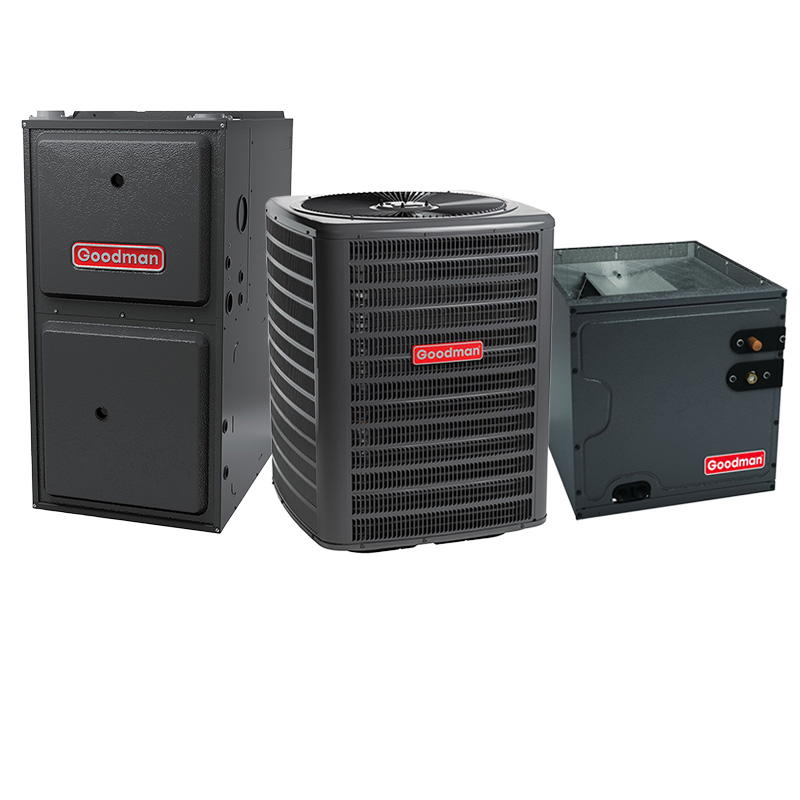
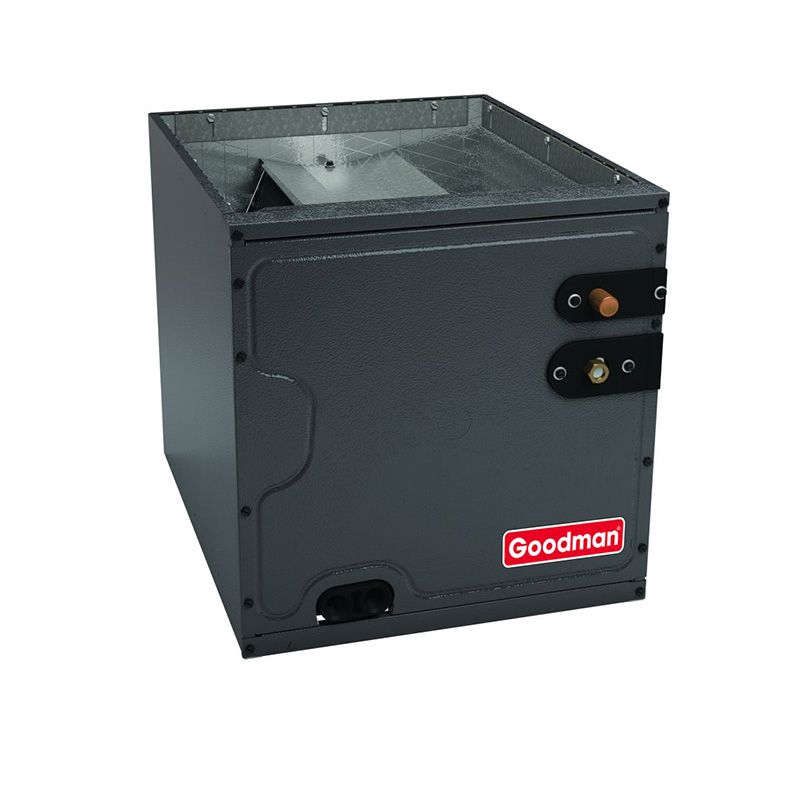
Goodman Furnace And Air Conditioner 2.5 Ton 14.5 SEER2 AC With 60000 BTU 80% AFUE Two Stage Multi-Speed ECM Gas Furnace System – Upflow | R32
View on AC Direct see your lowest price →Check current price on AC Direct →
Key features
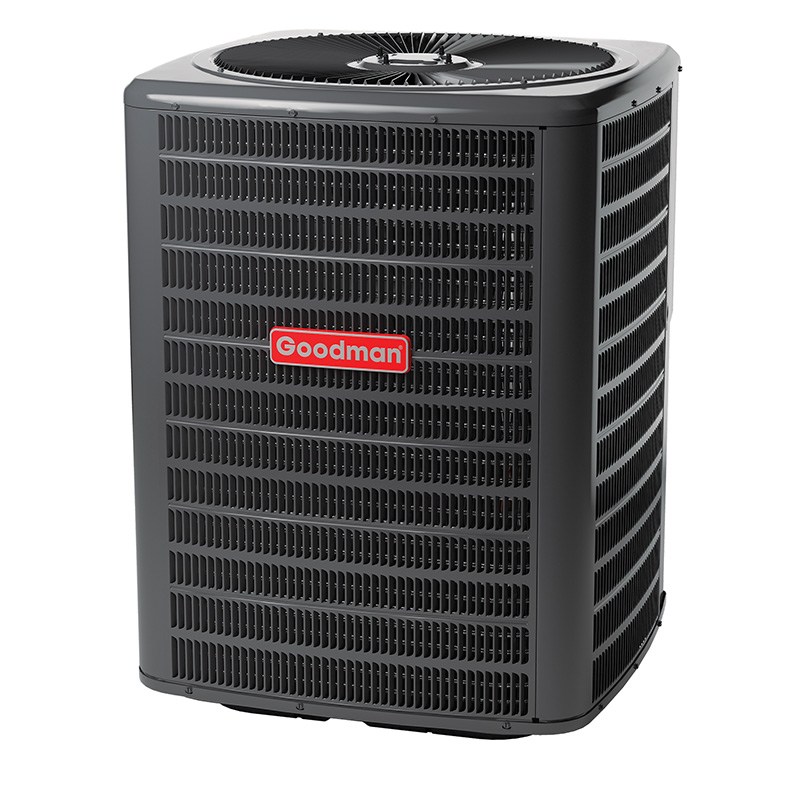
- 2.5-ton cooling capacity with 14.5 SEER2 efficiency rating
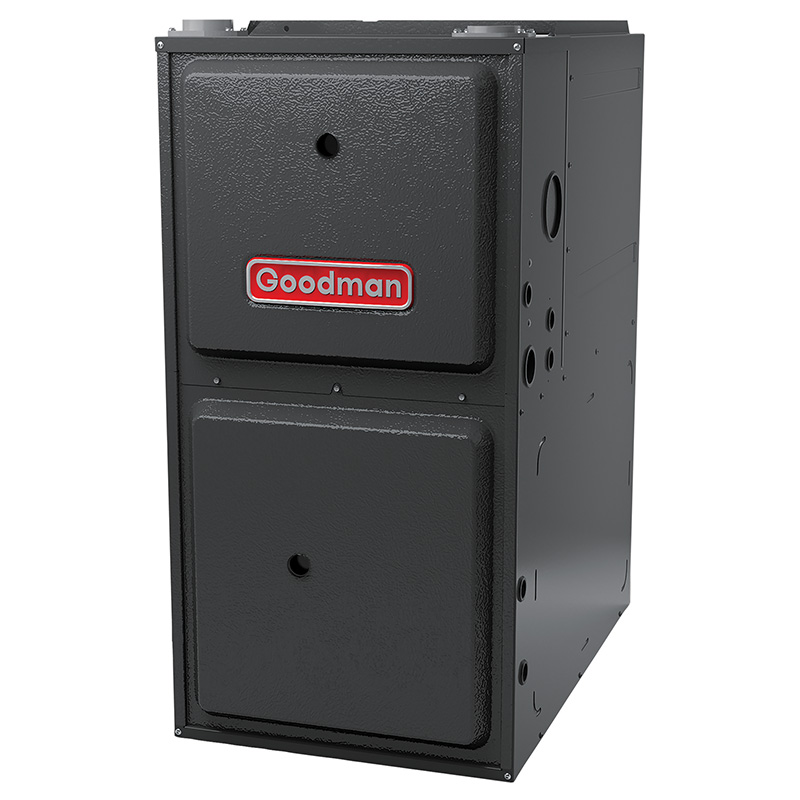
- 60,000 BTU two-stage gas furnace at 80% AFUE
- Multi-speed ECM blower motor for lower electricity use and quieter operation
- Upflow configuration for standard basement or closet duct installations
- R-32 refrigerant, which has a lower global-warming potential than R-410A
- Two-stage operation reduces temperature swings and short-cycling
About this system
The Goodman 2.5-ton, 14.5 SEER2 air conditioner paired with a 60,000 BTU 80% AFUE two-stage, multi-speed ECM gas furnace is a mid-tier efficiency bundle aimed at homeowners who want more than baseline performance without stretching into premium territory. The 14.5 SEER2 rating meets current federal minimum standards in most regions and will deliver modest energy savings over older equipment, though it sits well below the 18-plus SEER2 range where real utility-bill impact becomes obvious. The 80% AFUE furnace converts 80 cents of every fuel dollar into heat, which is workable in mild to moderate climates but less attractive in areas with long, cold winters where a 96% AFUE unit would recoup the cost difference over time.
Where this system earns its place is in the furnace hardware. Two-stage gas operation means the unit runs at a lower capacity on most days, reducing temperature swings and cycling noise compared to single-stage models. The multi-speed ECM blower motor draws significantly less electricity than a standard PSC motor, which adds up on your electric bill over months of operation. The upflow configuration suits the most common residential duct layout, and the R-32 refrigerant charge in the outdoor unit is a forward-looking choice: R-32 has a lower global-warming potential than R-410A and is increasingly standard as the industry transitions away from older refrigerants. This bundle is realistically sized for homes in the 1,200 to 1,800 square foot range, depending on insulation, climate zone, and window load.
Goodman positions this system as a value alternative to Carrier, Trane, and Lennox, typically priced 15 to 25 percent below comparable equipment from those brands. That gap is real, and for a budget-conscious buyer with a reliable HVAC contractor, it represents a reasonable compromise. The trade-off is a brand reputation and documented failure history that requires honest consideration before purchase, particularly for buyers who plan to own the home long-term.
This Goodman bundle delivers functional two-stage comfort and a forward-compatible R-32 refrigerant system at a price point that undercuts major brands by a meaningful margin. It is a reasonable choice for cost-focused buyers in moderate climates, but the brand's documented repair history after year seven and compressor longevity gap versus premium competitors are real factors to weigh, not dismiss. Installation quality will determine more about this system's lifespan than almost anything else on the spec sheet.
Overall score is the average of the five ratings above.
What we like
- Two-stage furnace operation reduces temperature swings and cycling noise compared to single-stage units
- ECM blower motor draws less electricity than standard PSC motors, lowering ongoing operating costs
- R-32 refrigerant is a future-ready choice with lower environmental impact than R-410A
- Priced 15 to 25 percent below comparable Carrier, Trane, and Lennox systems
- Upflow configuration is straightforward to install in the most common residential duct layouts
Trade-offs
- 80% AFUE is the minimum efficiency tier; homeowners in cold climates will see better long-term savings from a 95% or 96% AFUE unit
- Goodman compressors average 10 to 14 years in owner reports, shorter than the 15 to 20 year range seen with premium brands
- Dual-run capacitor failures and evaporator coil leaks are the most frequently reported repair issues, and repair costs tend to climb after year seven
- A minority of owners report refrigerant leaks in the first year, typically traced to installation or charge errors rather than the equipment itself
What homeowners and pros say about Goodman
Homeowners who post about Goodman equipment tend to sort into two camps that largely reflect install experience. On ConsumerAffairs, Goodman scores around 2.5 out of 5, and the recurring theme in that complaint-heavy channel is repair costs climbing after roughly year seven, with capacitor failures and evaporator coil issues showing up repeatedly in owner accounts. Google dealer reviews tell a more balanced story, with scores averaging around 3.8 out of 5 across hundreds of reviews per location, where affordability is the most frequently mentioned positive and service responsiveness varies widely by dealer. Neither score suggests a system that rivals the long-term dependability of Carrier, Trane, or Lennox, but both reflect a product that functions adequately for many buyers at a price point those brands rarely match.
HVAC technicians tend to be candid about Goodman: the hardware is functional and the parts are widely available and inexpensive, which makes service calls less painful when they happen. The documented weak points are specific enough to plan around. Dual-run capacitors are the most commonly replaced component, typically a low-cost repair in the 300 to 600 dollar range. Evaporator coil leaks appear in a meaningful share of units over time and are a more involved fix. Compressor longevity averages 10 to 14 years in field reports, noticeably shorter than the 15 to 20 years technicians associate with premium brands. A small but documented minority of owners also report refrigerant leaks within the first year, which technicians almost universally attribute to installation or charge errors. For this two-stage system specifically, the ECM motor and two-stage furnace hardware are genuine upgrades over entry-level bundles, but the brand-level reliability ceiling applies regardless of the feature set.
Sources: ConsumerAffairs Goodman owner reviews, AHRI Directory of Certified Product Performance, U.S. DOE appliance and equipment efficiency standards, Goodman product specification sheets.
What it costs to run
At 14.5 SEER2, cooling this 2.5-ton system for a typical 1200-hour cooling season at the U.S. average electricity rate of $0.17/kWh works out to roughly $422 per year in cooling, about $35 less per year than a minimum-efficiency 13.4 SEER2 unit of the same size. Your real cost depends on your climate and local rate.
Method: (30,000 BTU/hr ÷ 14.5 SEER2) × 1200 hours ÷ 1000 × $0.17/kWh. Rate source: U.S. EIA average; cooling hours: moderate-climate estimate.
How it compares
| Brand | Comparable model | SEER2 | Stage | Price position |
|---|---|---|---|---|
| Goodman | GSXH502510 + GMVC8 (this system) | 14.5 | Two-stage | Value pick |
| Carrier | Performance 14 (24ACC6) | 14.3 | Single-stage | 15 to 25 percent higher than this system |
| Trane | XR14 / S8X2 bundle | 14.3 | Single-stage | 20 to 30 percent higher than this system |
| Lennox | Merit ML14XC1 + ML196E bundle | 14.3 | Single-stage | 20 to 30 percent higher than this system |
Competitor rows are comparable single-stage units at similar efficiency; price is relative position, not a quote.
Questions about this system
Is 14.5 SEER2 going to make a noticeable difference on my electric bill compared to my old 10 SEER system?
Yes, the jump from 10 SEER to 14.5 SEER2 (roughly equivalent to about 15 SEER on the old scale) represents a real reduction in cooling energy use, often in the 25 to 35 percent range depending on runtime and local rates. The savings are real but will not pay off the system cost quickly on their own; the value is more about staying current with efficiency standards and avoiding the inefficiency of aging equipment.
Why does this furnace use 80% AFUE instead of 96% AFUE? Should I upgrade?
80% AFUE means 20% of the fuel energy exits through the flue as waste heat. In mild climates with short heating seasons, the upfront cost difference between an 80% and 96% AFUE unit can take many years to recoup in gas savings. In cold climates with long heating seasons, a high-efficiency 96% AFUE furnace will typically pay back the cost difference within five to eight years, making the upgrade worth serious consideration.
What are the most likely repairs I should budget for over the life of this Goodman system?
Based on documented owner experience, dual-run capacitor replacement is the most common service call, typically costing 300 to 600 dollars and generally a straightforward fix. Evaporator coil leaks are reported in a meaningful share of units and are more expensive to address. Compressor lifespan averages 10 to 14 years in Goodman units, so budgeting for possible compressor work or replacement in that window is prudent.
What is R-32 refrigerant and does it require a specially certified technician to service?
R-32 is a single-component refrigerant with a lower global-warming potential than R-410A, and it is increasingly common in new residential equipment. In the U.S., technicians need standard EPA 608 certification to handle it, which most licensed HVAC technicians already hold. R-32 systems do require technicians familiar with its slightly higher operating pressures, so confirming your service contractor has experience with R-32 equipment before scheduling work is a good idea.
How critical is the contractor choice for a Goodman system specifically?
Extremely critical. HVAC technicians consistently cite installation quality as the single biggest factor in how long a Goodman unit lasts, and the brand's documented first-year refrigerant leak issues are usually traced to install or charge errors rather than factory defects. A poorly sized, charged, or configured installation will undercut even a well-built system; for a value brand like Goodman, choosing an experienced, licensed contractor matters more than it might with a premium brand that builds in tighter manufacturing tolerances.
Specifications
| Cooling capacity | 2.5 Ton |
| Efficiency | 14.5 SEER2 |
| Furnace output | 60000 BTU |
| Furnace efficiency | 80% AFUE |
| Configuration | Upflow |
| Refrigerant | R-32 |