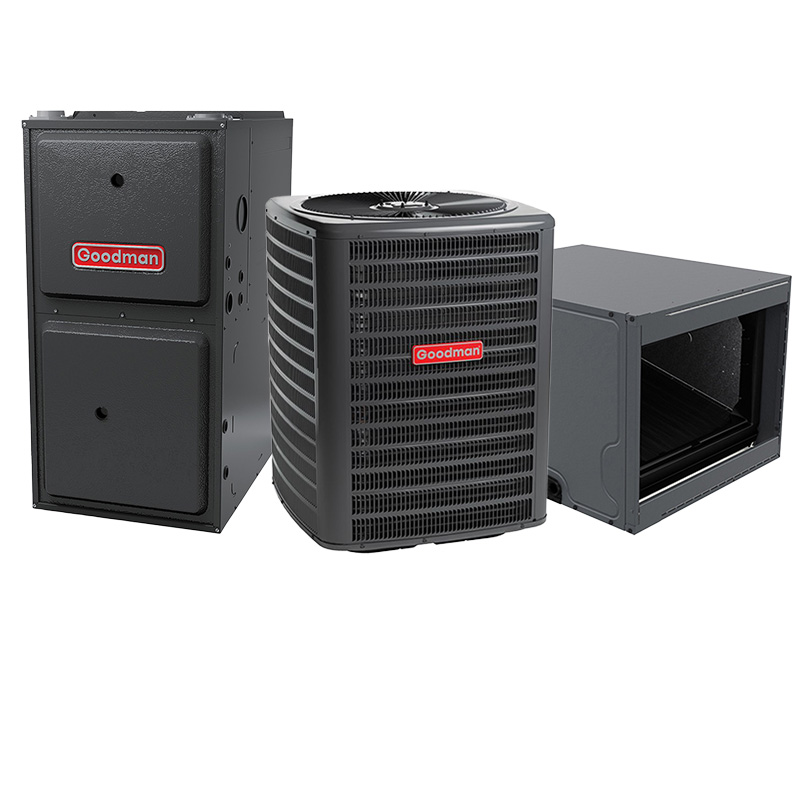
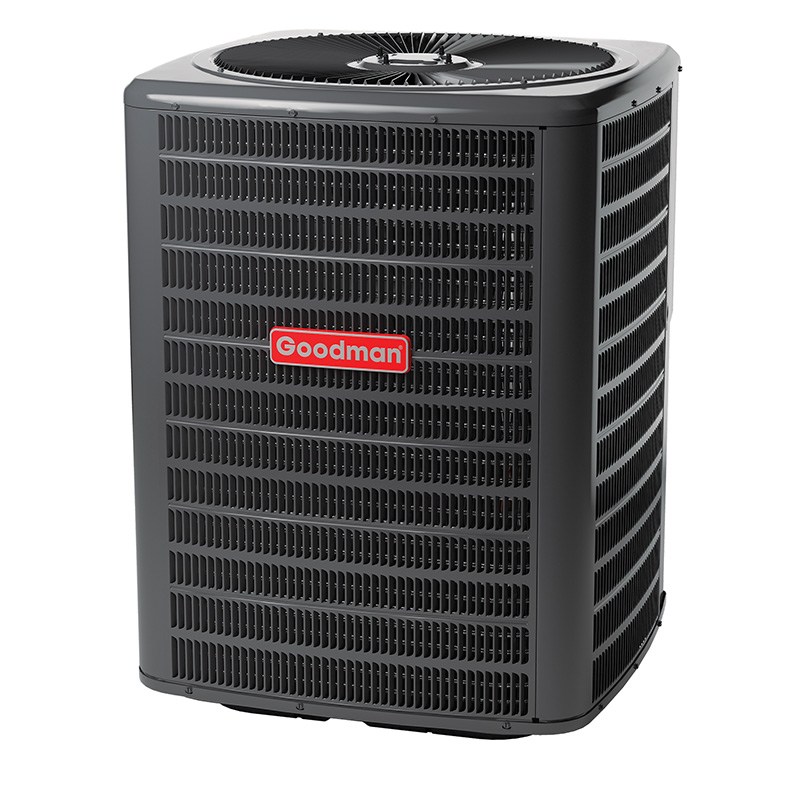
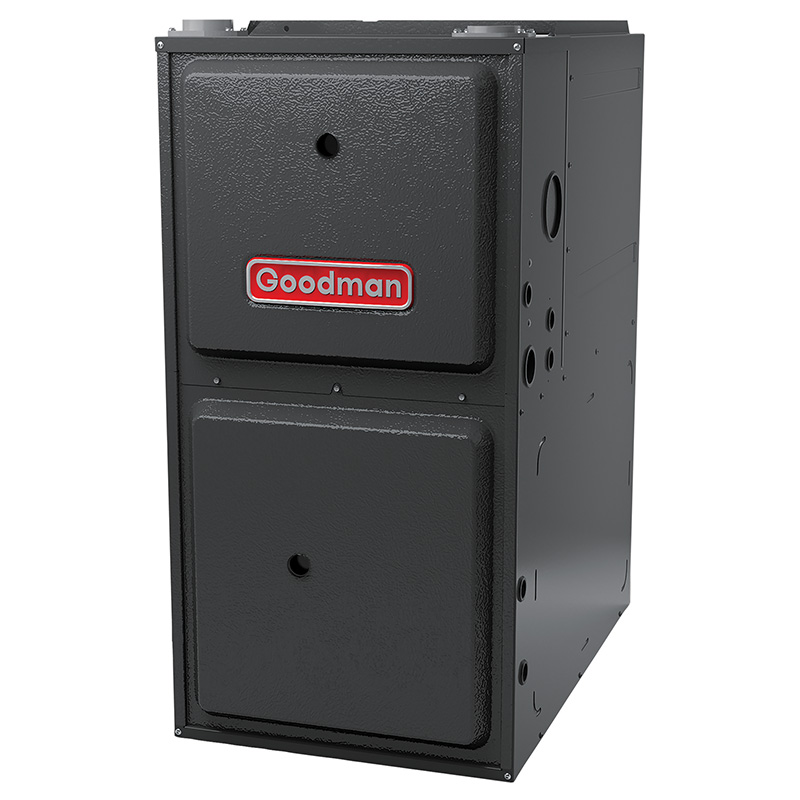
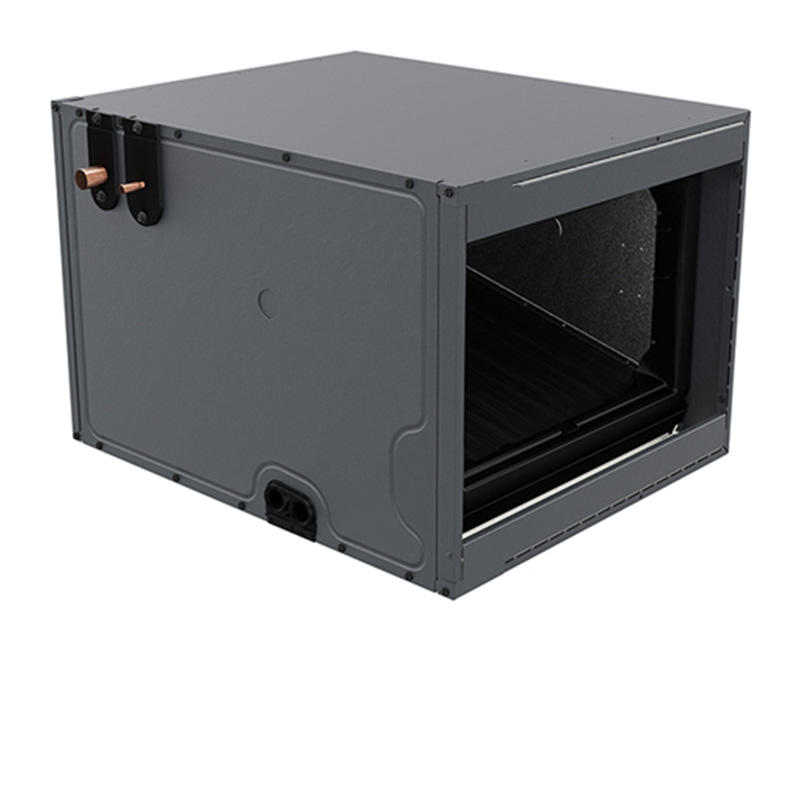
Goodman Furnace And Air Conditioner 4 Ton 15.2 SEER2 AC With 120000 BTU 80% AFUE Two Stage Multi-Speed ECM Gas Furnace System – Horizontal | R32
View on AC Direct see your lowest price →Check current price on AC Direct →
Key features
- 4-ton cooling capacity with 15.2 SEER2 efficiency rating
- 120,000 BTU two-stage gas furnace at 80% AFUE
- Multi-speed ECM blower motor for quieter, more even airflow
- Horizontal configuration for attic or crawlspace installations
- R-32 refrigerant with lower global warming potential than R-410A
- Factory-matched split system engineered for compatibility and warranty compliance
About this system
This Goodman combination system pairs a 4-ton, 15.2 SEER2 air conditioner with a 120,000 BTU, 80% AFUE two-stage gas furnace configured for horizontal installation. The horizontal orientation makes it a practical choice for attic or crawlspace setups where vertical clearance is limited. At 4 tons, the system is sized for larger homes, typically in the 2,000 to 2,600 square foot range depending on climate, insulation, and local load calculations. A proper Manual J load calculation before purchase is essential at this size to avoid short-cycling or uneven comfort.
The two-stage furnace runs at a lower capacity most of the time, cycling up to full output only during the coldest stretches. That translates to fewer hard on-off cycles, more even room temperatures, and quieter operation compared to a single-stage unit. The multi-speed ECM blower motor adds to that comfort story by ramping airflow gradually rather than blasting at one fixed speed. On the cooling side, 15.2 SEER2 clears the current federal minimum in most regions but sits at the entry tier of efficiency, meaning energy bills will be moderate rather than low. The system uses R-32 refrigerant, which carries a lower global warming potential than the R-410A it replaces and is becoming the new industry standard.
Goodman builds this system in the United States and prices it well below Trane, Lennox, and Carrier equivalents, making it a realistic option for homeowners replacing aging equipment on a defined budget. The trade-off is a brand reputation that depends heavily on how well the system is installed and maintained, and a documented history of certain component failures after the first several years of use.
This Goodman system delivers a capable two-stage furnace and a code-compliant air conditioner at a price point 15 to 25 percent below comparable equipment from Trane, Carrier, or Lennox. The efficiency and comfort features are real, but long-term ownership costs depend significantly on installation quality and a willingness to budget for component repairs after year seven. It is a reasonable choice for cost-conscious buyers who have a skilled installer lined up.
Overall score is the average of the five ratings above.
What we like
- Priced 15 to 25 percent below comparable Trane, Lennox, and Carrier systems
- Two-stage furnace operation reduces cycling noise and improves temperature consistency
- ECM blower motor lowers fan energy use compared to a standard PSC motor
- R-32 refrigerant is the forward-looking industry standard with better environmental profile
- Horizontal configuration opens up installation options in attics and tight crawlspaces
Trade-offs
- 80% AFUE is the lowest efficiency tier available; high-use households will see higher gas bills than with a 96% or higher unit
- Dual-run capacitors are the most commonly reported failure point, typically after the first few years of heavy use
- Compressor lifespan averages 10 to 14 years versus 15 to 20 years for premium brand compressors
- ConsumerAffairs ratings average around 2.5 out of 5, with recurring complaints about repair costs climbing after roughly year seven
What homeowners and pros say about Goodman
Homeowners who have installed Goodman equipment consistently point to the lower purchase price as the main reason they chose the brand, and dealer Google reviews averaging around 3.8 out of 5 suggest that a solid majority of buyers are satisfied when the system is properly installed and maintained. Where the picture gets more complicated is on the longer timeline. The ConsumerAffairs channel, which skews toward people motivated enough by a problem to write a review, shows a score of about 2.5 out of 5, and the recurring complaint is not early failure but rather repair costs that start adding up after roughly year seven. That pattern is consistent with the documented failure modes attached to the brand: dual-run capacitors are the most commonly reported breakdown and are usually a quick, low-cost fix, but evaporator coil leaks and compressor wear in the 10-to-14-year range rather than the 15-to-20-year range of premium brands can change the total cost of ownership calculation.
HVAC technicians who work on Goodman equipment regularly tend to describe it as a workmanlike product that rewards good installation and punishes a sloppy one more than premium brands do. A correctly charged system with clean coils and a properly sized duct system can run reliably for a decade or more. A system that was undercharged at startup, installed with an undersized return, or skipped its first few annual tune-ups is where the refrigerant leak and premature compressor complaints typically originate. For this specific system, the two-stage furnace and ECM blower add mechanical layers that are worth having a technician familiar with Goodman controls commission properly at startup, since those features only deliver their comfort and efficiency benefits when the system is set up correctly from day one.
Sources: ConsumerAffairs Goodman owner reviews, AHRI Directory of Certified Product Performance, U.S. DOE appliance and equipment efficiency standards, Goodman product specification sheets.
What it costs to run
At 15.2 SEER2, cooling this 4-ton system for a typical 1200-hour cooling season at the U.S. average electricity rate of $0.17/kWh works out to roughly $644 per year in cooling, about $87 less per year than a minimum-efficiency 13.4 SEER2 unit of the same size. Your real cost depends on your climate and local rate.
Method: (48,000 BTU/hr ÷ 15.2 SEER2) × 1200 hours ÷ 1000 × $0.17/kWh. Rate source: U.S. EIA average; cooling hours: moderate-climate estimate.
How it compares
| Brand | Comparable model | SEER2 | Stage | Price position |
|---|---|---|---|---|
| Goodman | GMVC80 / GSXH504810 Series | 15.2 | Two-stage | Value pick |
| Carrier | Performance 16 / 58MVC | 16.0 | Two-stage | Roughly 20 to 25 percent more than this Goodman system |
| Trane | XR15 / S8X2 | 15.2 | Two-stage | Roughly 20 to 30 percent more than this Goodman system |
| Lennox | Merit ML15XC1 / ML196E | 15.2 | Two-stage | Roughly 25 to 35 percent more than this Goodman system |
Competitor rows are comparable single-stage units at similar efficiency; price is relative position, not a quote.
Questions about this system
Is 15.2 SEER2 going to save me money on electricity compared to my old system?
If you are replacing a system rated at 10 to 13 SEER, yes, you will see a meaningful reduction in cooling costs. However, 15.2 SEER2 sits at the entry level of current efficiency standards, so the savings will be moderate rather than dramatic. Upgrading to a higher SEER2 system costs more upfront but can narrow the gap over a full cooling season in hot climates.
Why does the horizontal configuration matter, and can this system be installed vertically?
The horizontal designation means the furnace cabinet is designed to lie on its side, with airflow moving horizontally through the heat exchanger. It is engineered specifically for attic or crawlspace installs where upright placement is not practical. Using it in an upright vertical position is not supported and can affect drainage and performance, so confirm your installation space before ordering.
What does the two-stage furnace actually do differently from a single-stage unit?
A two-stage furnace runs at a lower firing rate, typically around 60 to 65 percent of full capacity, for most of the heating season and only steps up to full output during the coldest conditions. This means the system runs longer cycles at lower intensity, which tends to produce more even temperatures, reduce temperature swings between rooms, and run more quietly than a unit that is either fully on or fully off.
What are the most common repairs I should be prepared for with this Goodman system?
The most frequently reported failure is the dual-run capacitor, which is a relatively inexpensive fix in the $300 to $600 range depending on your market. Evaporator coil refrigerant leaks appear in a meaningful share of owner reports, which can be a more involved repair. Compressors on Goodman equipment tend to average 10 to 14 years of service life. A small number of owners have reported refrigerant leaks in the first year, which is typically a sign of an installation or initial charge issue rather than a product defect.
Does this system qualify for any federal tax credits or utility rebates?
As of 2025, the federal 25C energy efficiency tax credit generally requires a minimum of 15 SEER2 for central air conditioners and higher AFUE thresholds for gas furnaces than 80%. The 80% AFUE furnace in this system is unlikely to qualify for federal furnace credits, which currently favor 97% AFUE or higher in most regions. Check with your local utility as some offer rebates with lower efficiency thresholds, and consult a tax professional to confirm eligibility for any cooling-side credits based on current IRS guidance.
Specifications
| Cooling capacity | 4 Ton |
| Efficiency | 15.2 SEER2 |
| Furnace output | 120000 BTU |
| Furnace efficiency | 80% AFUE |
| Configuration | Horizontal |
| Refrigerant | R-32 |