Goodman Furnace And Air Conditioner 3 Ton 14.5 SEER2 AC With 60000 BTU 96% AFUE Multi-Speed ECM Gas Furnace System – Horizontal | R32
View on AC Direct see your lowest price →Check current price on AC Direct →
Key features
- 3-ton 14.5 SEER2 cooling efficiency, meeting current federal minimum standards
- 96% AFUE condensing gas furnace, rated for high-efficiency heating
- Multi-speed ECM blower motor reduces electricity use and improves humidity control
- Horizontal configuration designed for attic, crawl space, or side-discharge installs
- R-32 refrigerant with lower global warming potential than R-410A
- 60,000 BTU heating capacity suited to mid-size homes in moderate climates
About this system
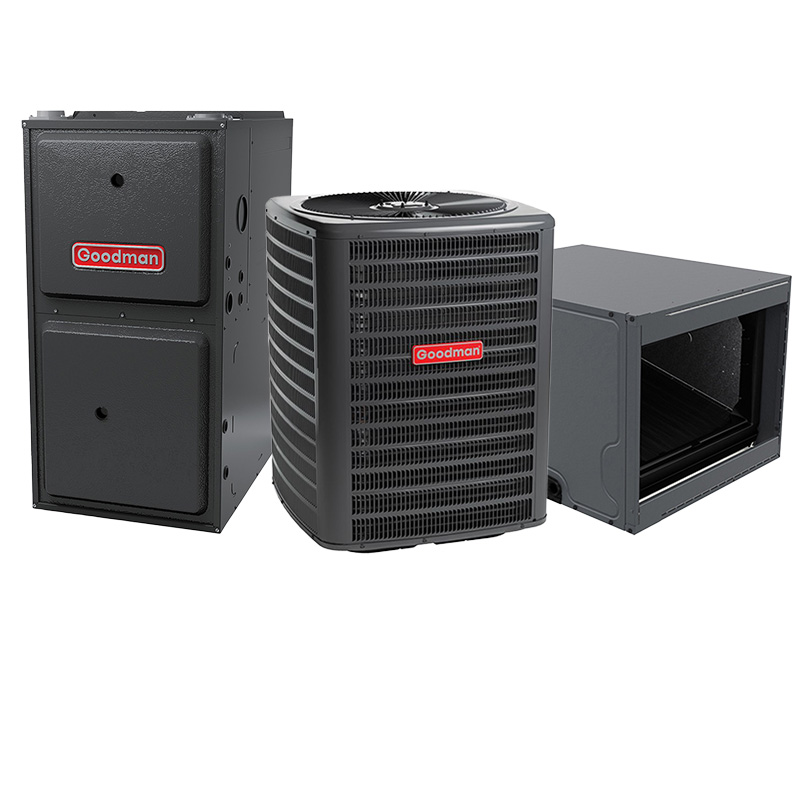
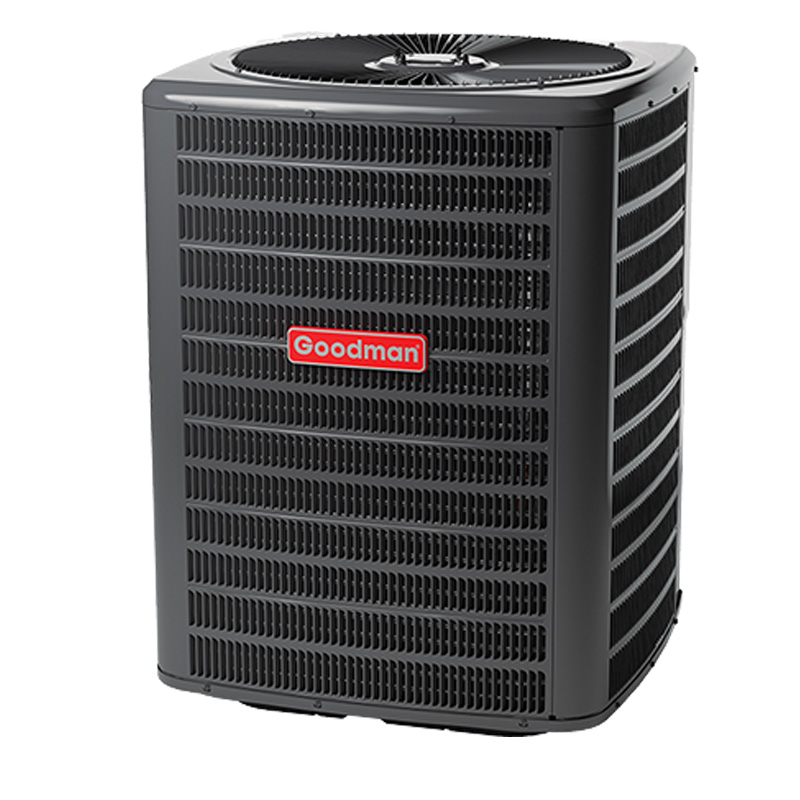
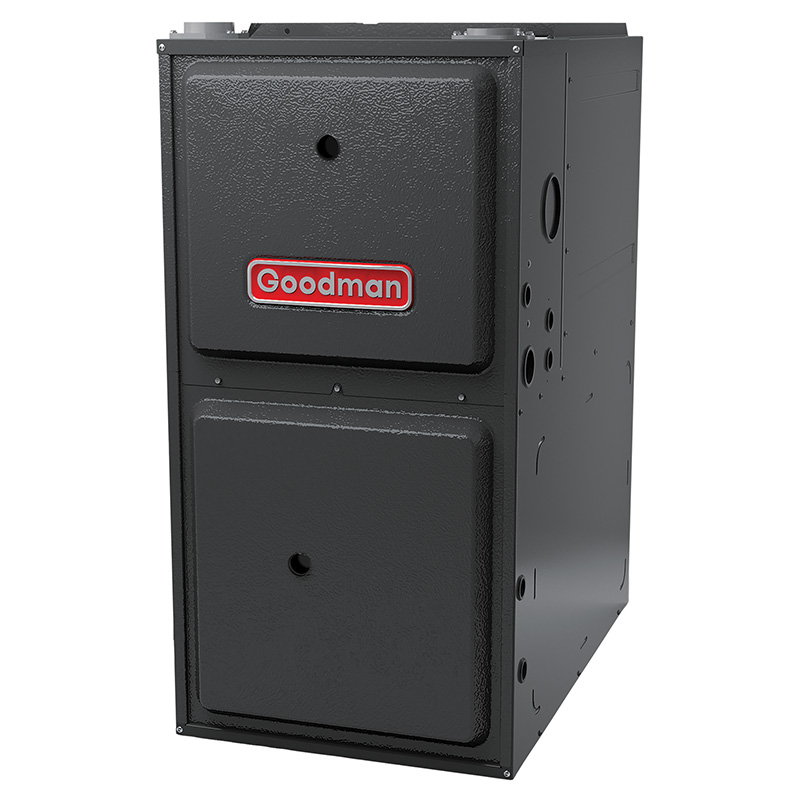
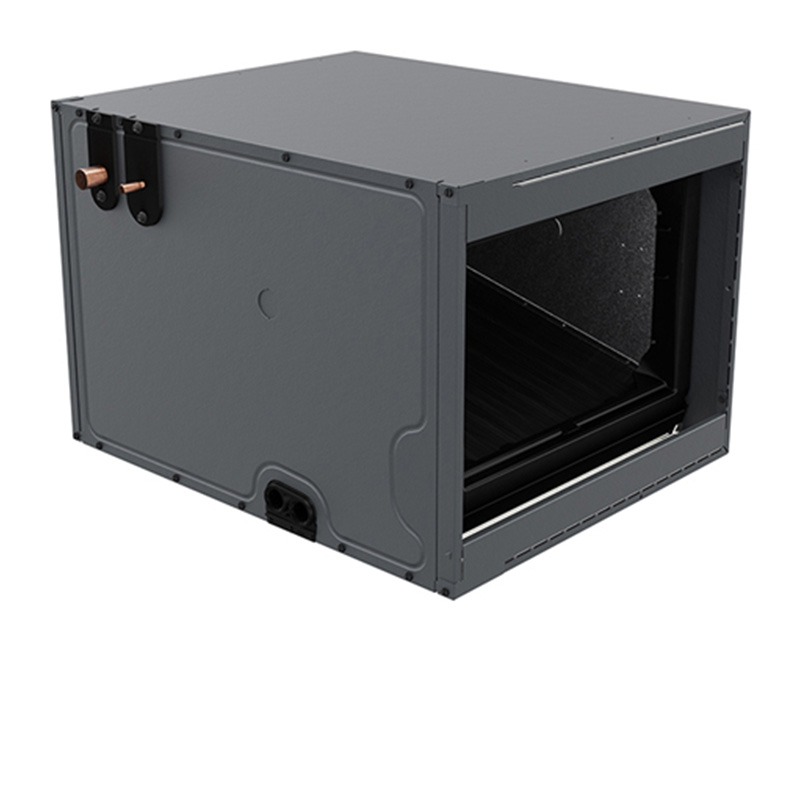
This Goodman combo pairs a 3-ton 14.5 SEER2 air conditioner with a 60,000 BTU, 96% AFUE multi-speed ECM gas furnace in a horizontal configuration, making it a practical fit for homes where the air handler sits in a crawl space, attic, or utility closet with side-discharge ductwork. The 14.5 SEER2 rating clears the current federal minimum efficiency threshold and will meaningfully reduce cooling bills compared to an older 10 or 12 SEER unit, though it sits at the entry tier of modern efficiency rather than the top. At 96% AFUE, almost all of the gas you pay for goes toward heating your home, which is a genuinely strong number and falls into the condensing furnace category.
The ECM (electronically commutated motor) blower is a real upgrade over a standard PSC motor. It ramps airflow up and down to match conditions, which cuts blower electricity use noticeably and tends to improve indoor humidity control during cooling season. R-32 refrigerant replaces the older R-410A in newer Goodman units; it has a lower global warming potential and is increasingly the industry standard going forward. The horizontal orientation is purpose-built for installations where vertical units simply will not fit, so if your mechanical space demands a lying-flat configuration, this system is spec’d correctly from the start rather than being forced into position.
This Goodman system offers a solid entry-level efficiency package at a price point that undercuts Carrier, Trane, and Lennox by a meaningful margin, and the 96% AFUE furnace with ECM blower is genuinely capable hardware. The trade-off is a documented history of mid-life component failures and compressor longevity that tends to run shorter than premium brands, so buyers should budget for potential repairs after year seven and invest heavily in professional installation quality.
Overall score is the average of the five ratings above.
What we like
- Priced 15 to 25 percent below comparable Carrier, Trane, and Lennox systems
- 96% AFUE condensing furnace delivers high fuel efficiency for the money
- ECM multi-speed blower lowers operating costs and improves comfort versus single-speed alternatives
- Horizontal configuration fills a specific installation need that most standard systems cannot
- R-32 refrigerant is a forward-looking choice as the industry moves away from R-410A
Trade-offs
- Dual-run capacitors are the most commonly reported failure point and typically fail around or after year seven
- Evaporator coil leaks appear in a meaningful share of owner reviews over the system's life
- Compressor lifespan averages 10 to 14 years versus 15 to 20 years for premium brands
- A minority of owners report refrigerant leaks within the first year, often tied to install or initial charge issues
What homeowners and pros say about Goodman
Homeowners who choose Goodman most often point to the upfront cost savings as the deciding factor, and that sentiment shows up consistently in the Google dealer review scores that average around 3.8 out of 5 across locations. The frustration that surfaces in the ConsumerAffairs channel, where the brand sits around 2.5 out of 5, tends to concentrate around repair bills that arrive after the seven-year mark, which tracks with the brand’s documented pattern of dual-run capacitor failures and evaporator coil leaks appearing as systems age. Neither failure is catastrophic on its own, but owners who bought expecting a set-it-and-forget-it experience sometimes feel blindsided by costs that a premium-brand buyer might have avoided.
HVAC technicians who work on Goodman equipment regularly tend to be pragmatic about it. They note that the hardware is serviceable and that parts are widely available, which keeps repair costs reasonable when something does go wrong. The capacitor is a known weak point and a straightforward fix. Where pros push back hardest is on compressor longevity: Goodman compressors averaging 10 to 14 years versus the 15 to 20 years typical of Trane or Carrier is a real difference over a system’s lifetime. The consistent professional advice is that installation quality matters more with Goodman than with premium brands, because a marginal install on a less forgiving system tends to surface problems sooner. The early refrigerant leak reports that a minority of owners describe are almost always traced back to the install or initial charge rather than the equipment itself.
Sources: ConsumerAffairs Goodman owner reviews, AHRI Directory of Certified Product Performance, U.S. DOE appliance and equipment efficiency standards, Goodman product specification sheets.
What it costs to run
At 14.5 SEER2, cooling this 3-ton system for a typical 1200-hour cooling season at the U.S. average electricity rate of $0.17/kWh works out to roughly $506 per year in cooling, about $42 less per year than a minimum-efficiency 13.4 SEER2 unit of the same size. Your real cost depends on your climate and local rate.
Method: (36,000 BTU/hr ÷ 14.5 SEER2) × 1200 hours ÷ 1000 × $0.17/kWh. Rate source: U.S. EIA average; cooling hours: moderate-climate estimate.
How it compares
| Brand | Comparable model | SEER2 | Stage | Price position |
|---|---|---|---|---|
| Goodman | 3-Ton 14.5 SEER2 AC + 96% AFUE ECM Furnace (Horizontal, R-32) | 14.5 | Single-stage / Multi-speed | Value pick |
| Carrier | Comfort Series 24ACC636 + 58MVC | 14.5 | Single-stage / Multi-speed | Approximately 15 to 25 percent higher than this Goodman system |
| Trane | XR14c + S9V2 | 14.5 | Single-stage / Variable-speed | Approximately 20 to 30 percent higher than this Goodman system |
| Lennox | Merit ML14XC1 + ML196E | 14.5 | Single-stage / Multi-speed | Approximately 20 to 25 percent higher than this Goodman system |
Competitor rows are comparable single-stage units at similar efficiency; price is relative position, not a quote.
Questions about this system
Is 14.5 SEER2 good enough, or should I step up to a higher efficiency unit?
14.5 SEER2 meets the current federal minimum and will noticeably cut cooling costs compared to equipment made before 2015, but it is the floor of modern efficiency rather than the ceiling. If you live in a hot climate and run the AC heavily from May through September, a 16 or 17 SEER2 unit will pay back the price difference faster. For moderate climates or budget-conscious buyers, 14.5 SEER2 is a reasonable stopping point.
What does the horizontal configuration actually mean, and does it affect performance?
Horizontal means the air handler is designed to lie on its side so that airflow enters and exits from the sides rather than the top or bottom. It is purpose-built for attics, crawl spaces, or closets where a vertical unit would not physically fit. When properly installed in the correct orientation, performance is equivalent to a vertical unit of the same specs.
What is R-32 refrigerant, and does it change maintenance or service costs?
R-32 is a single-component refrigerant with a lower global warming potential than the R-410A it replaces in newer Goodman equipment. Most HVAC technicians can work with it using equipment they already own, though some older recovery machines need an update. Service costs for a refrigerant charge or leak repair should be comparable to R-410A service in most markets.
Goodman gets low scores on consumer review sites. Should I be worried?
Goodman's ConsumerAffairs rating sits around 2.5 out of 5, which is a complaint-skewed channel where satisfied owners rarely post. Google dealer reviews average closer to 3.8 out of 5, with affordability as the most frequent praise. The honest picture is that Goodman equipment is more prone to mid-life component failures, particularly capacitors and evaporator coils, than premium brands, but many units run fine for a decade or more when installed correctly and maintained annually.
What are the most likely repairs I should budget for over the life of this system?
Dual-run capacitor replacement is the most commonly reported issue and typically costs 300 to 600 dollars including labor. Evaporator coil leaks show up in a meaningful share of long-term owner reviews and can run higher depending on labor rates. The compressor is rated to average 10 to 14 years, so budgeting for a potential replacement or full system swap around that window is realistic planning rather than pessimism.
Specifications
| Cooling capacity | 3 Ton |
| Efficiency | 14.5 SEER2 |
| Furnace output | 60000 BTU |
| Furnace efficiency | 96% AFUE |
| Configuration | Horizontal |
| Refrigerant | R-32 |