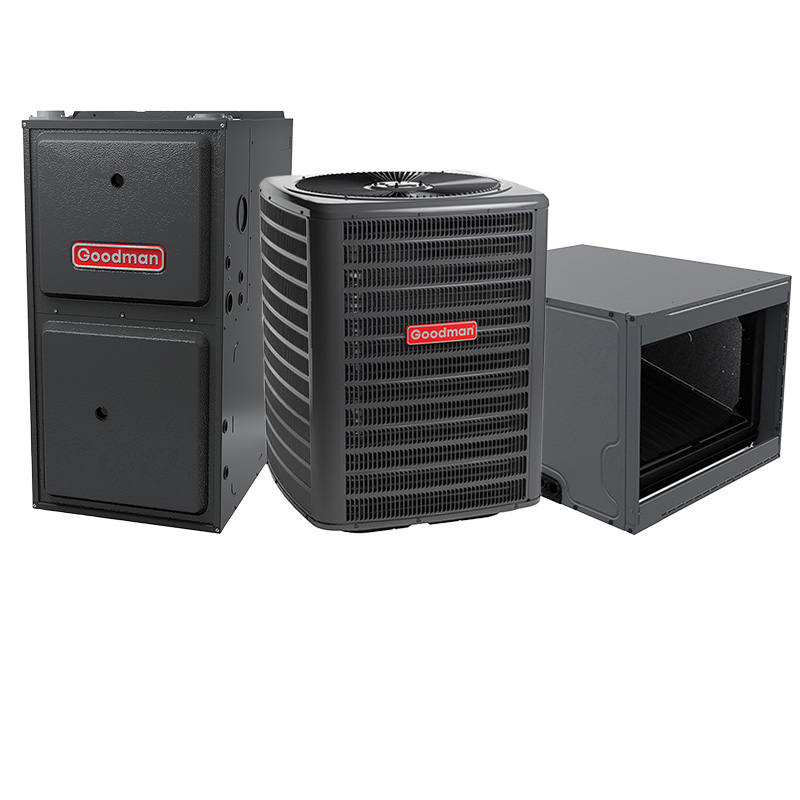
Goodman Furnace And AC – 2.5 Ton 15.2 SEER2 AC With 60000 BTU 96% AFUE Two Stage Multi-Speed ECM Gas Furnace System – Horizontal | R32
View on AC Direct see your lowest price →Check current price on AC Direct →
Key features
- 2.5-ton AC rated at 15.2 SEER2 for mid-tier cooling efficiency
- 60,000 BTU gas furnace at 96% AFUE two-stage operation
- Multi-speed ECM blower motor reduces electrical draw versus PSC motors
- Horizontal configuration designed for attic, crawlspace, or side-load installs
- R-32 refrigerant with lower global warming potential than R-410A
- Two-stage gas valve moderates temperature swings and extends run cycles
About this system
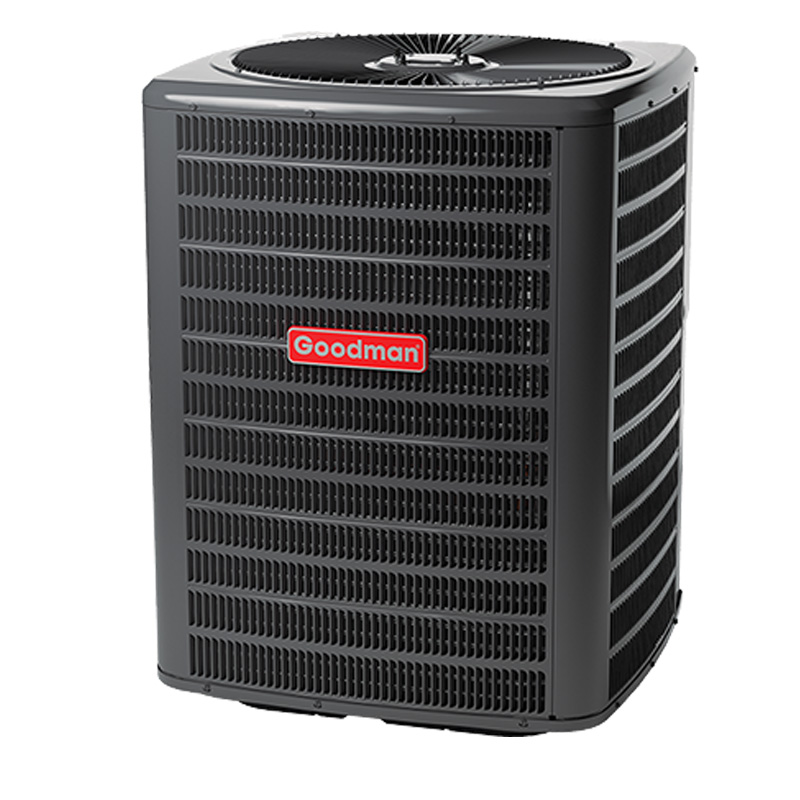
This Goodman bundle pairs a 2.5-ton, 15.2 SEER2 central air conditioner with a 60,000 BTU, 96% AFUE two-stage gas furnace in a horizontal configuration, making it a practical choice for homes where equipment sits in a crawlspace, attic, or side-load closet rather than an upright utility room. The R-32 refrigerant charge is a forward-looking detail: R-32 has a lower global warming potential than the R-410A it replaces, and as the industry transitions, parts and refrigerant availability should remain strong for the life of the system.
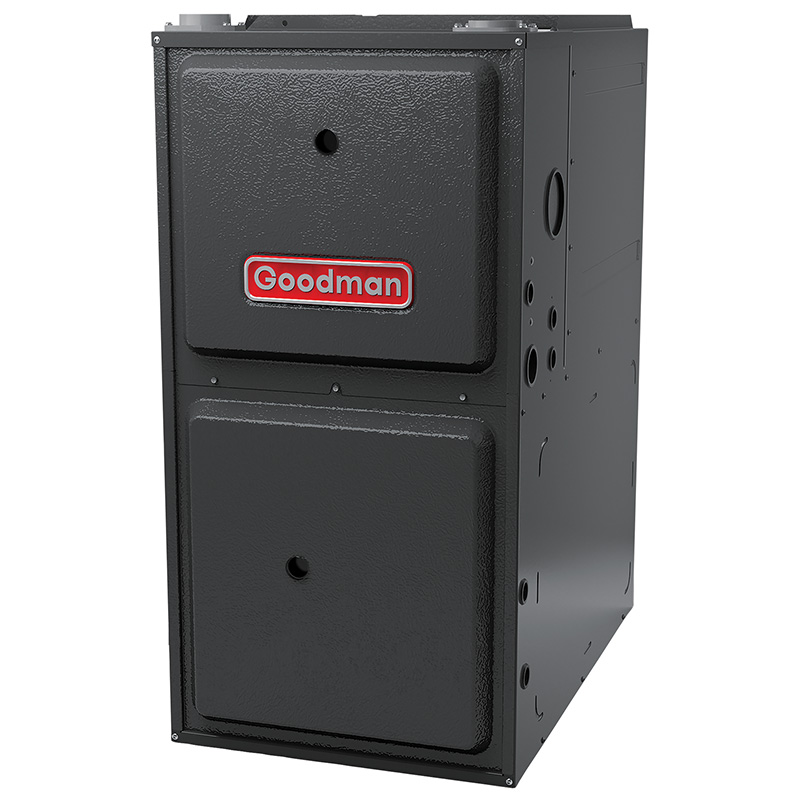
The furnace’s two-stage gas valve and multi-speed ECM blower motor are the standout specs here. Two-stage operation means the furnace runs at a reduced capacity most of the time, cycling less aggressively, distributing heat more evenly, and reducing the temperature swings that single-stage units produce. The ECM motor draws significantly less electricity than a standard PSC motor, which trims monthly operating costs beyond what the 96% AFUE rating alone suggests. At 15.2 SEER2, the AC side clears the federal minimum by a reasonable margin but sits in the entry-to-mid efficiency tier rather than the premium tier, so expect solid but not exceptional cooling-season savings.
This system suits a homeowner replacing aging equipment in a mid-size home, roughly 1,200 to 1,800 square feet depending on climate and insulation, who wants a meaningful efficiency upgrade over a base-level unit without paying premium-brand prices. The horizontal-only configuration narrows the install pool, so confirming your contractor has experience with horizontal furnace orientations before purchasing is worthwhile.
This Goodman bundle delivers genuinely capable specs at a price point that undercuts Carrier, Trane, and Lennox by a meaningful margin, and the two-stage furnace with ECM motor punches above the system's overall price. The trade-off is a brand whose long-term reliability record, particularly compressor longevity and coil durability, trails premium competitors, so the value calculation depends heavily on how long you plan to stay in the home and how well your installer does the job.
Overall score is the average of the five ratings above.
What we like
- Priced 15 to 25 percent below comparable premium-brand systems
- Two-stage furnace operation reduces temperature swings and improves comfort
- ECM blower motor lowers fan electricity costs versus standard motors
- 96% AFUE is a high-efficiency rating that keeps heating costs down
- R-32 refrigerant is a future-friendly choice as R-410A is phased out
Trade-offs
- Dual-run capacitors are the most frequently reported failure point, typically around year 5 to 8
- Compressor lifespan averages 10 to 14 years versus 15 to 20 years for premium brands
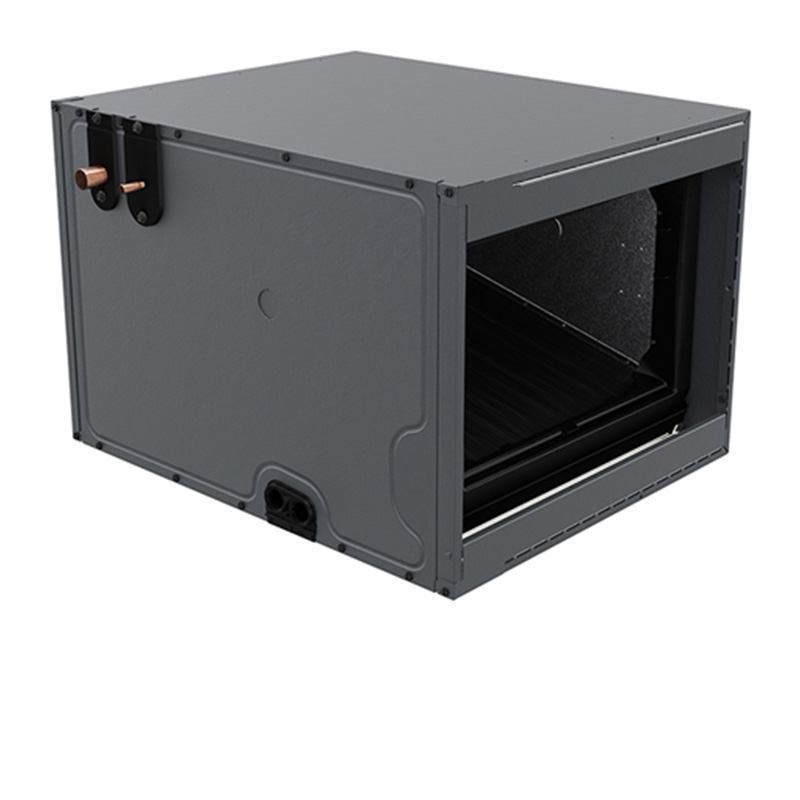
- Evaporator coil leaks appear in a notable share of owner reviews over the long term
- Horizontal-only configuration limits which contractors are comfortable with the install, raising the stakes for workmanship
What homeowners and pros say about Goodman
On dealer review platforms where techs and buyers weigh in together, Goodman holds a Google dealer score of around 3.8 out of 5, with affordability as the most consistent praise across hundreds of reviews per location. The picture is rougher on ConsumerAffairs, where the brand averages about 2.5 out of 5, though that channel over-represents frustrated owners and under-represents the many systems that run uneventfully for years. The recurring theme on both channels for systems past the seven-year mark is repair costs, which aligns with the documented failure patterns: dual-run capacitors are the most reported breakdown, typically a 300 to 600 dollar fix, but evaporator coil leaks and compressor wear become more prominent in later years, with compressors averaging 10 to 14 years of life compared to 15 to 20 for premium brands.
HVAC technicians who work on Goodman equipment regularly tend to describe it as serviceable rather than exceptional, and most emphasize that installation quality is the single biggest variable in how a Goodman system performs long-term. A properly commissioned system with correct refrigerant charge, adequate airflow, and well-sealed ductwork will consistently outperform a sloppily installed premium brand. For this horizontal two-stage bundle specifically, pros note that horizontal furnace installs require attention to condensate drainage and leveling that not every crew handles carefully, so the contractor you choose matters as much as the equipment you buy. A small number of owners report refrigerant leaks within the first year, which technicians attribute almost entirely to install or charge issues rather than factory defects.
Sources: ConsumerAffairs Goodman owner reviews, AHRI Directory of Certified Product Performance, U.S. DOE appliance and equipment efficiency standards, Goodman product specification sheets.
What it costs to run
At 15.2 SEER2, cooling this 2.5-ton system for a typical 1200-hour cooling season at the U.S. average electricity rate of $0.17/kWh works out to roughly $403 per year in cooling, about $54 less per year than a minimum-efficiency 13.4 SEER2 unit of the same size. Your real cost depends on your climate and local rate.
Method: (30,000 BTU/hr ÷ 15.2 SEER2) × 1200 hours ÷ 1000 × $0.17/kWh. Rate source: U.S. EIA average; cooling hours: moderate-climate estimate.
How it compares
| Brand | Comparable model | SEER2 | Stage | Price position |
|---|---|---|---|---|
| Goodman | GSXH5 / GMVC96 Series (this system) | 15.2 | Two-stage | Value pick |
| Carrier | Performance 15 (24ACC6) with 59TP6 Furnace | 15.2 | Two-stage | Roughly 20 to 25 percent higher than this system |
| Trane | XR15 (4TTR5) with S9V2 Furnace | 15.0 | Two-stage | Roughly 20 to 25 percent higher than this system |
| Lennox | Merit 16ACX with ML96V Furnace | 15.2 | Two-stage | Roughly 15 to 20 percent higher than this system |
Competitor rows are comparable single-stage units at similar efficiency; price is relative position, not a quote.
Questions about this system
Is horizontal the only orientation this furnace can be installed in?
Yes, this bundle is configured for horizontal installation only, meaning the furnace must lie on its side in a crawlspace, attic, or a side-load closet. It is not rated for upflow or downflow use, so verify your space and your contractor's comfort with horizontal installs before ordering.
What does R-32 refrigerant mean for me as a homeowner?
R-32 has a lower global warming potential than the older R-410A and is part of the industry's ongoing refrigerant transition. Practically speaking, it means your system stays compliant with evolving EPA rules and that refrigerant should remain available for the system's full service life. Technicians who are already handling R-32 equipment are increasingly common, though you may want to confirm your local HVAC contractor works with it.
What are the most likely repair costs I should budget for over the first 10 years?
The most commonly reported failure on Goodman systems is the dual-run capacitor, a relatively inexpensive fix usually running 300 to 600 dollars including labor. Evaporator coil leaks are reported by a meaningful share of long-term owners and can be more costly. Setting aside a small annual maintenance reserve and getting the capacitors checked at each tune-up is a practical way to catch the most common issue early.
Does the two-stage furnace actually make a noticeable comfort difference, or is it mainly a marketing feature?
It is a real comfort difference for most homeowners. On mild days the furnace fires at low stage, running longer at reduced output, which keeps temperatures more even room to room and reduces the blast-and-coast cycle of a single-stage unit. The longer, quieter run cycles also allow the ECM blower to filter air more consistently.
How does Goodman's warranty compare to Carrier or Trane on this type of system?
Goodman typically offers a 10-year parts warranty when the system is registered within a set window after installation, which is competitive on paper with Carrier and Trane base warranties at this price tier. The important caveat is that warranty labor is not covered, so out-of-pocket repair costs during the warranty period can still be significant, particularly if compressor work is needed in years 8 through 10.
Specifications
| Cooling capacity | 2.5 Ton |
| Efficiency | 15.2 SEER2 |
| Furnace output | 60000 BTU |
| Furnace efficiency | 96% AFUE |
| Configuration | Horizontal |
| Refrigerant | R-32 |