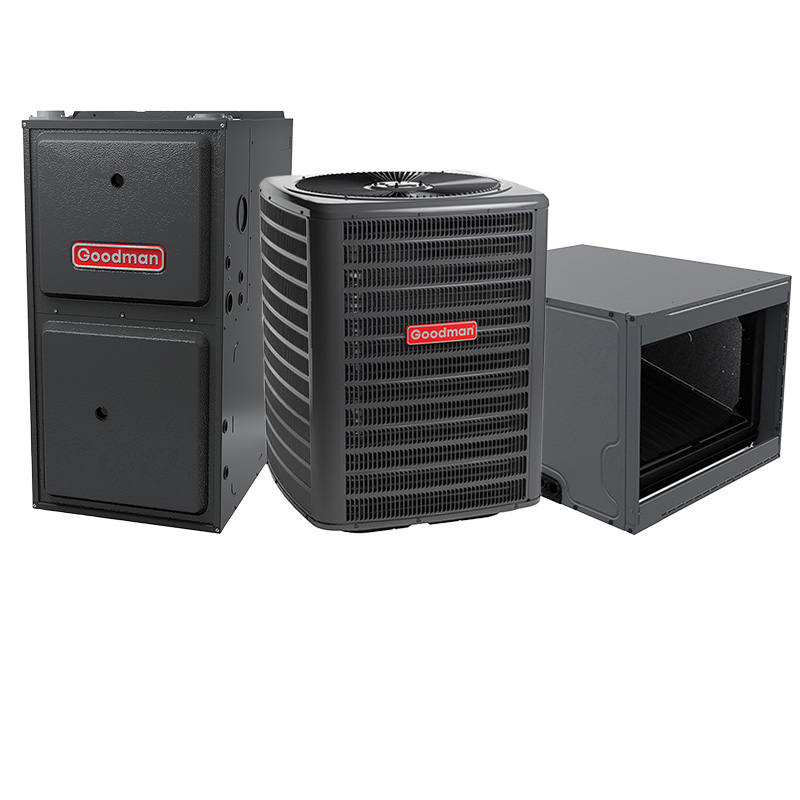
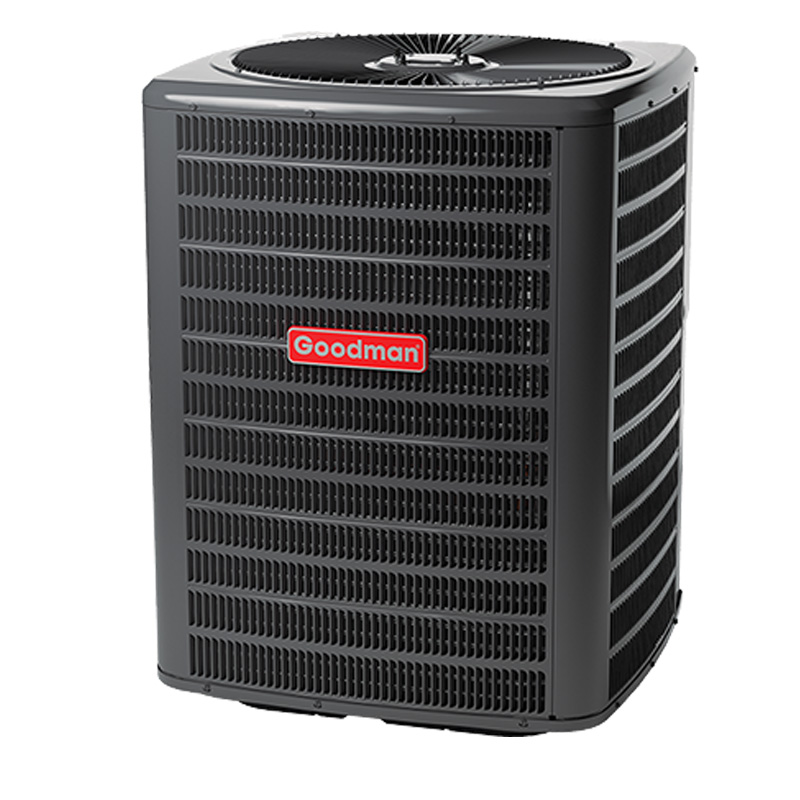
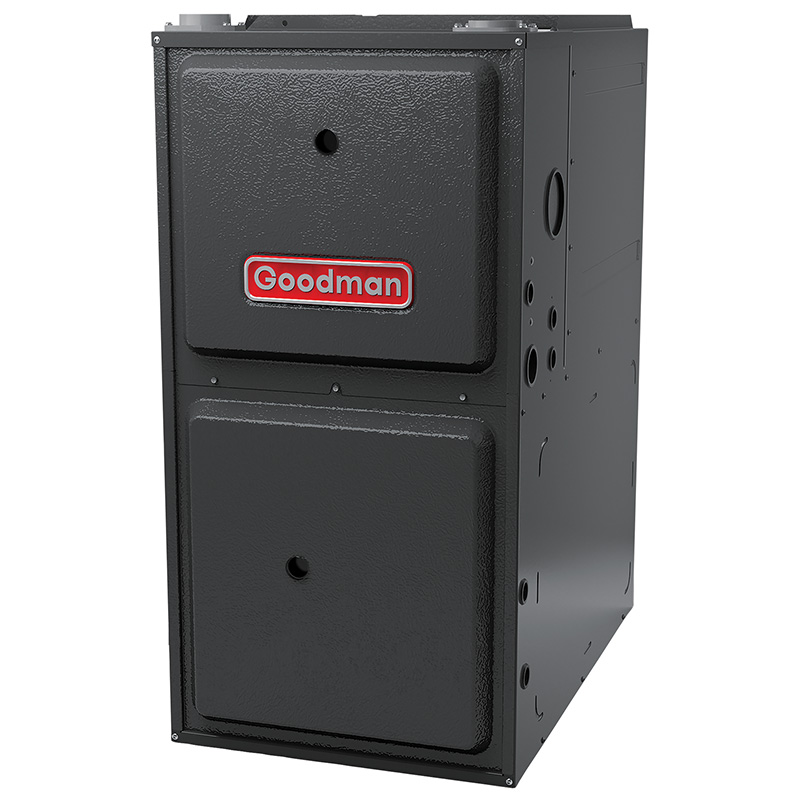
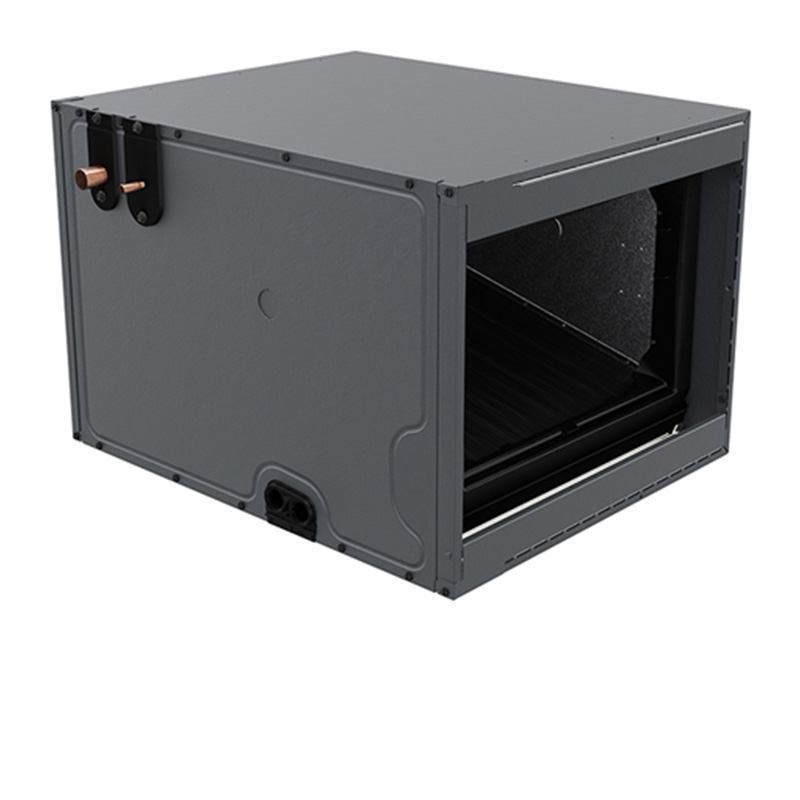
Goodman Furnace And AC – 5 Ton 14 SEER2 AC With 120000 BTU 96% AFUE Two Stage Multi-Speed ECM Gas Furnace System – Horizontal | R32
View on AC Direct see your lowest price →Check current price on AC Direct →
Key features
- 5-ton cooling capacity with 14 SEER2 efficiency rating
- 120,000 BTU two-stage gas furnace at 96% AFUE
- Multi-speed ECM blower motor for quieter, more even airflow
- Horizontal configuration for attic, crawlspace, or side-discharge installs
- R-32 refrigerant with lower global warming potential than R-410A
- Two-stage cooling reduces runtime noise and temperature swings
About this system
This Goodman bundle pairs a 5-ton, 14 SEER2 air conditioner with a 120,000 BTU, 96% AFUE two-stage gas furnace in a horizontal configuration, making it a practical choice for homes where the air handler sits in a crawlspace, attic, or utility room with limited vertical clearance. The R-32 refrigerant charge is a forward-looking detail: R-32 has a lower global warming potential than the R-410A it replaces, and servicing costs should remain stable as the industry moves away from older refrigerants over the coming decade.
The furnace side is where the real value shows. A 96% AFUE rating means 96 cents of every fuel dollar becomes heat, which sits at the high end of what a non-condensing alternative can do, and the two-stage burner with a multi-speed ECM blower motor means the system runs at low fire most of the time, reducing temperature swings, cutting cycling noise, and trimming monthly gas bills compared with single-stage equipment. The 5-ton cooling capacity is appropriate for larger homes, typically in the 2,400 to 3,200 square foot range depending on climate, insulation, and window load, so a proper Manual J load calculation before purchase is important to confirm the sizing is right.
Goodman positions this system as a budget-conscious alternative to Trane, Lennox, and Carrier bundles with similar specs, and that price gap is real and meaningful. The trade-off is that long-term reliability depends heavily on who installs it and how well it is commissioned. Buyers who prioritize upfront cost savings and plan to keep a service contract or maintenance schedule in place will get the most out of this package.
This Goodman bundle delivers genuinely high-efficiency heating and baseline-compliant cooling at a price point that undercuts comparable Trane, Lennox, and Carrier systems by 15 to 25 percent. The furnace specs are strong for the money, but the air conditioner sits at the minimum efficiency tier allowed under current federal standards, and Goodman's documented reliability record means budgeting for service after year seven is a realistic expectation rather than a worst case.
Overall score is the average of the five ratings above.
What we like
- 96% AFUE furnace is at the top of the non-condensing efficiency range, meaningfully cutting gas bills versus 80% AFUE alternatives
- Two-stage furnace and ECM blower reduce short-cycling and deliver more consistent comfort than single-stage equipment
- R-32 refrigerant is better positioned for long-term parts and service availability than R-410A systems
- Horizontal configuration opens up installation options in homes without a standard vertical equipment space
- Priced 15 to 25 percent below comparable Carrier, Trane, and Lennox bundles, leaving budget for a quality installation or extended service plan
Trade-offs
- 14 SEER2 is the federal minimum efficiency floor, so buyers who plan to stay in the home long-term may see better utility returns from a higher-efficiency unit
- Dual-run capacitors are the most commonly reported failure, typically around year 5 to 8, adding a likely 300 to 600 dollar service call to the ownership timeline
- Compressor lifespan averages 10 to 14 years versus 15 to 20 years for premium-brand compressors, raising the odds of a mid-life replacement
- Evaporator coil leaks appear in a meaningful share of owner reports, and a small minority of buyers have reported refrigerant leaks in the first year, usually tied to commissioning quality
What homeowners and pros say about Goodman
Homeowners who follow Goodman on review platforms land in noticeably different places depending on where they look. On ConsumerAffairs, the brand averages roughly 2.5 out of 5, and that channel skews toward people who had something go wrong, so the recurring theme of repair costs climbing after year seven carries real weight even if it does not represent the full ownership picture. Google dealer reviews average closer to 3.8 out of 5 across locations, and affordability is the most cited positive, which tracks with Goodman’s documented 15 to 25 percent price advantage over Carrier, Trane, and Lennox. The honest read is that buyers who get a solid install and keep up with maintenance tend to be reasonably satisfied, while those who cut corners on commissioning or skip annual tune-ups are more likely to become the unhappy reviews.
HVAC technicians are fairly consistent in what they flag about Goodman. Dual-run capacitors are the most commonly reported failure point and are usually a straightforward fix in the 300 to 600 dollar range, but they do show up more often than on premium equipment. Evaporator coil leaks appear in a meaningful share of owner reports, and compressor lifespan tends to average 10 to 14 years rather than the 15 to 20 years technicians associate with top-tier brands. For this specific system, the two-stage furnace and ECM motor are genuine quality features that hold up well in the field, and the R-32 refrigerant is a forward-looking choice. The AC side at 14 SEER2 is functional but not a long-term efficiency story. Pros who recommend Goodman typically do so for clients who need reliable heat, have a tight budget, and commit to annual maintenance rather than buying and forgetting.
Sources: ConsumerAffairs Goodman owner reviews, AHRI Directory of Certified Product Performance, U.S. DOE appliance and equipment efficiency standards, Goodman product specification sheets.
What it costs to run
At 14 SEER2, cooling this 5-ton system for a typical 1200-hour cooling season at the U.S. average electricity rate of $0.17/kWh works out to roughly $874 per year in cooling, about $39 less per year than a minimum-efficiency 13.4 SEER2 unit of the same size. Your real cost depends on your climate and local rate.
Method: (60,000 BTU/hr ÷ 14 SEER2) × 1200 hours ÷ 1000 × $0.17/kWh. Rate source: U.S. EIA average; cooling hours: moderate-climate estimate.
How it compares
| Brand | Comparable model | SEER2 | Stage | Price position |
|---|---|---|---|---|
| Goodman | 5-Ton 14 SEER2 AC + 120K BTU 96% AFUE Two-Stage Furnace (Horizontal, R-32) | 14 | Two-stage | Value pick |
| Carrier | Performance Series (24ACC6 AC + 59TP6 Furnace bundle) | 15-16 | Two-stage | Approximately 15 to 25 percent higher than Goodman |
| Trane | XR15 AC + S9V2 Furnace bundle | 15 | Two-stage | Approximately 15 to 25 percent higher than Goodman |
| Lennox | Merit Series (14ACX AC + ML196 Furnace bundle) | 14-15 | Single-stage to two-stage depending on configuration | Approximately 10 to 20 percent higher than Goodman |
Competitor rows are comparable single-stage units at similar efficiency; price is relative position, not a quote.
Questions about this system
Is 14 SEER2 going to pass inspection in my state, and is it worth upgrading to a higher tier?
14 SEER2 meets current federal minimums and will pass inspection in most U.S. regions, though a few states have adopted stricter local standards, so confirm with your contractor before ordering. If your cooling season is long or your utility rates are high, stepping up to a 16 or 17 SEER2 unit often pays back the cost difference within five to eight years, so it is worth pricing the gap before committing.
What does the horizontal configuration mean, and does it affect how the system is serviced?
Horizontal means the air handler and coil assembly are oriented on their side rather than standing upright, which suits attic, crawlspace, or closet installs where height is limited. Servicing is the same as a standard split system, though a technician may need more time to access certain components in tight spaces, so factor clearance into your installation plan.
How serious is the reported issue with evaporator coil leaks on Goodman systems?
Coil leaks appear in a meaningful share of owner reviews and are worth taking seriously, particularly because a leak in an R-32 system requires a certified technician to reclaim and recharge the refrigerant. Registering the equipment promptly, keeping annual maintenance records, and confirming the coil is covered under your warranty terms can limit out-of-pocket exposure if a leak develops.
Why does install quality matter so much more with Goodman than with premium brands?
Goodman equipment is engineered to tighter tolerances in some areas, and improper refrigerant charge, airflow, or electrical connections are more likely to accelerate the known failure points, specifically capacitors and the compressor, than they would with equipment that has more built-in diagnostic and protection features. Choosing a licensed contractor with documented Goodman experience and getting the startup checklist signed off at commissioning is the single biggest thing you can do to protect the investment.
What is typically covered under Goodman's warranty for this system, and how do I keep it valid?
Goodman generally offers a 10-year parts warranty when the equipment is registered within a specified window after installation, with compressor coverage often called out separately. The warranty typically requires installation by a licensed contractor and may be voided by unauthorized modifications or failure to register on time, so read the warranty certificate that ships with the unit and register it the same week it is installed.
Specifications
| Cooling capacity | 5 Ton |
| Efficiency | 14 SEER2 |
| Furnace output | 120000 BTU |
| Furnace efficiency | 96% AFUE |
| Configuration | Horizontal |
| Refrigerant | R-32 |