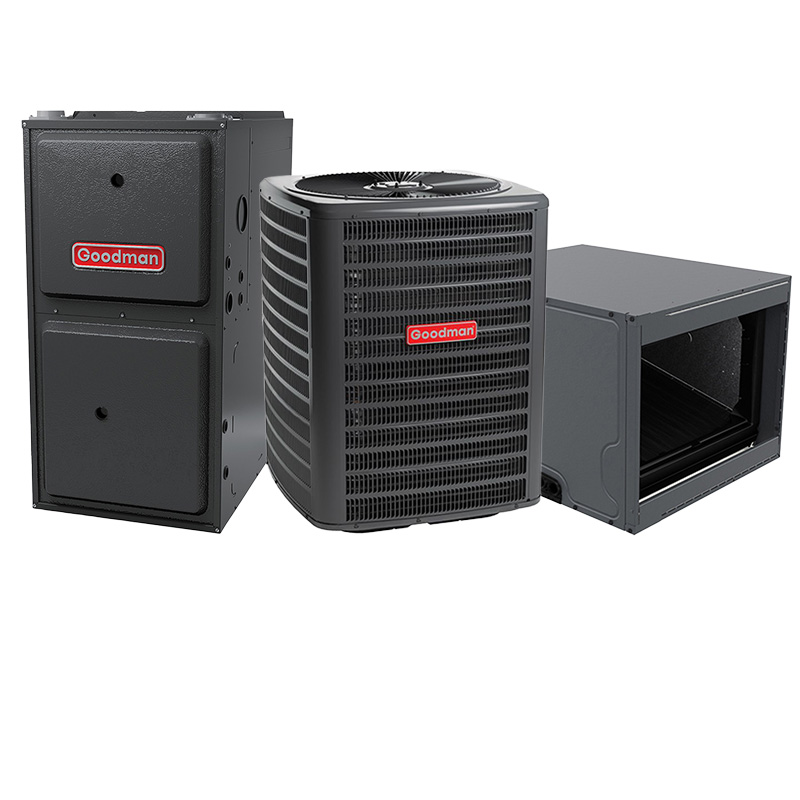
Goodman Furnace AC – 2 Ton 15.2 SEER2 AC With 60000 BTU 96% AFUE Multi-Speed ECM Gas Furnace System – Horizontal | R32
View on AC Direct see your lowest price →Check current price on AC Direct →
Key features
- 15.2 SEER2 cooling efficiency meets current federal minimums with room above baseline
- 96% AFUE multi-speed ECM gas furnace reduces heating fuel costs versus mid-efficiency units
- Horizontal configuration supports attic and crawlspace installations
- R-32 refrigerant offers lower global warming potential than R-410A
- ECM blower motor lowers electricity use and improves humidity management
- 60,000 BTU heating output sized for small to mid-size homes in most climate zones
About this system
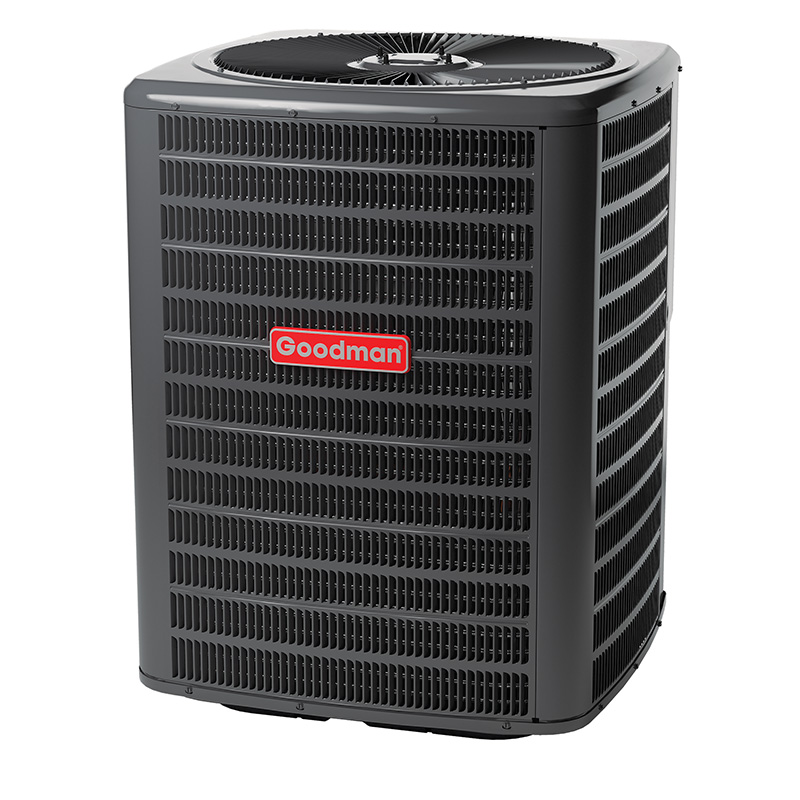
The Goodman 2-ton, 15.2 SEER2, 96% AFUE horizontal system pairs a mid-tier cooling unit with a high-efficiency multi-speed ECM gas furnace, making it a practical choice for homes in climates where both heating and cooling loads matter. The 2-ton cooling capacity suits smaller homes or individual zones in the 700 to 1,000 square foot range, though proper Manual J load calculations should always confirm sizing. At 15.2 SEER2, this system clears the federal minimum efficiency thresholds for most U.S. regions and will deliver real monthly savings over older 13 or 14 SEER equipment, though it sits below the 17-plus SEER2 territory where premium brands differentiate themselves.
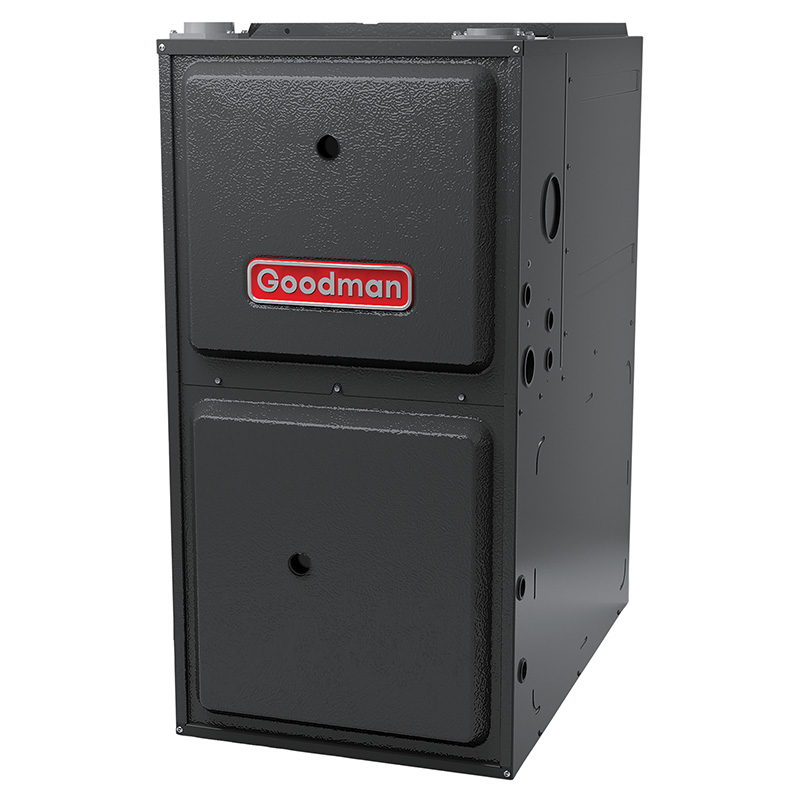
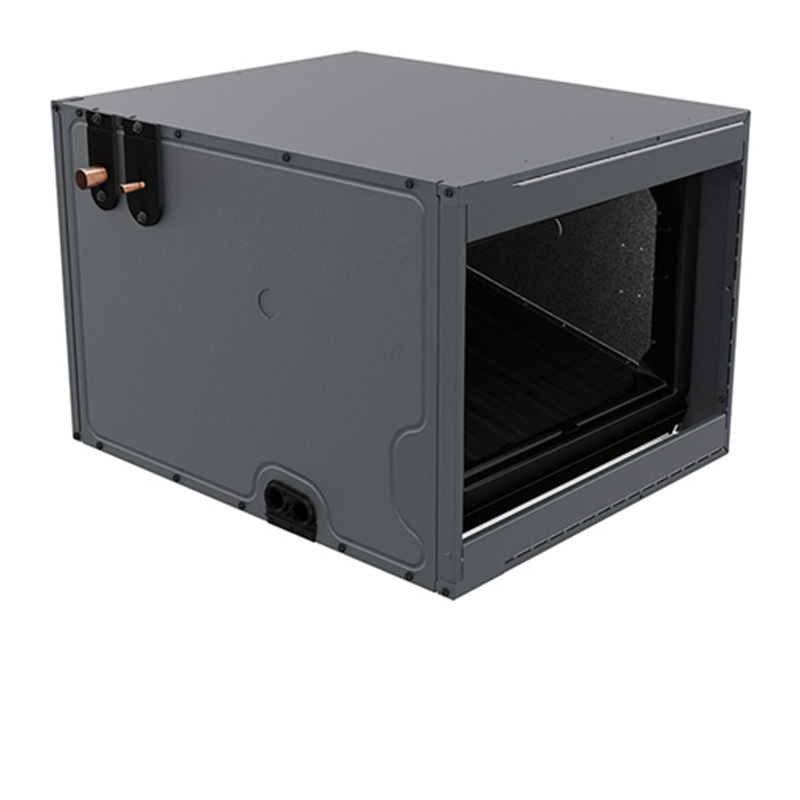
The horizontal configuration is designed for attic or crawlspace installations where the air handler must lie on its side rather than stand upright, which adds installation complexity compared to a standard upflow setup. The 96% AFUE rating means the furnace converts 96 cents of every fuel dollar into usable heat, a genuine efficiency figure that reduces gas bills meaningfully over a mid-80s AFUE unit. R-32 refrigerant is worth noting: it has a lower global warming potential than the R-410A it replaces, and it is the direction the industry is heading, which improves long-term parts availability. The ECM blower motor runs at variable speeds, which cuts electricity consumption compared to a standard PSC motor and can improve humidity control and air distribution.
This system suits budget-conscious homeowners replacing aging equipment who want solid efficiency without paying the premium that Carrier, Trane, or Lennox command. It is not the right call for buyers who want the longest possible compressor lifespan or who are in areas where Goodman service networks are thin, since install and service quality are the biggest variables in how this equipment performs over time.
This Goodman combo delivers genuine high-efficiency heating and adequate cooling at a price point 15 to 25 percent below comparable Carrier, Trane, and Lennox systems, making it a reasonable value for budget-focused buyers who prioritize upfront cost. The horizontal configuration and R-32 refrigerant add installation nuance that demands a skilled contractor, and the brand's documented track record of climbing repair costs after year seven is a real consideration for buyers planning to stay in their home long-term. It earns its place as a practical, if not premium, choice when paired with quality installation and a solid service contract.
Overall score is the average of the five ratings above.
What we like
- Priced 15 to 25 percent below comparable Trane, Lennox, and Carrier equipment
- 96% AFUE is a genuinely high heating efficiency rating that reduces annual gas bills
- ECM multi-speed motor improves comfort and lowers blower electricity costs
- R-32 refrigerant is forward-compatible as the industry moves away from R-410A
- 15.2 SEER2 clears federal minimums and outperforms older baseline equipment in cooling costs
Trade-offs
- Compressor lifespan averages 10 to 14 years versus 15 to 20 years for premium brands
- Dual-run capacitor failures and evaporator coil leaks are documented recurring issues
- Horizontal configuration increases installation complexity and labor cost
- A minority of owners report refrigerant leaks within the first year, typically tied to install quality
What homeowners and pros say about Goodman
Homeowners who research Goodman equipment online encounter a split picture. On ConsumerAffairs, the brand scores around 2.5 out of 5, a number shaped heavily by that platform’s tendency to attract negative experiences, with the recurring pattern being repair costs that start climbing after roughly the seventh year of ownership. On Google dealer reviews, the picture is more favorable at around 3.8 out of 5, where affordability is the most consistent praise across hundreds of reviews per location. The honest read is that Goodman owners who get a clean install and stay on top of maintenance often report satisfactory service for a decade, while those who encounter installation shortcuts or skip annual maintenance are disproportionately represented in the complaint data.
HVAC technicians who work on Goodman equipment regularly point to dual-run capacitor failures as the most predictable service call, a repair that is usually low-cost and quick in the 300 to 600 dollar range. More consequential are evaporator coil leaks, which appear often enough in owner reports to be a genuine concern rather than an edge case, and compressor lifespans that tend to average 10 to 14 years versus the 15 to 20 years technicians see from Carrier, Trane, and Lennox equipment. For this specific horizontal system, the R-32 refrigerant is a newer variable, and any refrigerant leak complaints in the first year almost always trace back to installation technique rather than the unit itself. The consistent professional advice is straightforward: Goodman’s value proposition holds up best when a careful installer does the work right the first time.
Sources: ConsumerAffairs Goodman owner reviews, AHRI Directory of Certified Product Performance, U.S. DOE appliance and equipment efficiency standards, Goodman product specification sheets.
What it costs to run
At 15.2 SEER2, cooling this 2-ton system for a typical 1200-hour cooling season at the U.S. average electricity rate of $0.17/kWh works out to roughly $322 per year in cooling, about $43 less per year than a minimum-efficiency 13.4 SEER2 unit of the same size. Your real cost depends on your climate and local rate.
Method: (24,000 BTU/hr ÷ 15.2 SEER2) × 1200 hours ÷ 1000 × $0.17/kWh. Rate source: U.S. EIA average; cooling hours: moderate-climate estimate.
How it compares
| Brand | Comparable model | SEER2 | Stage | Price position |
|---|---|---|---|---|
| Goodman | 2-Ton 15.2 SEER2 / 60K BTU 96% AFUE Horizontal R-32 System | 15.2 | Multi-speed | Value pick |
| Carrier | Performance Series (24ACC636 + 59SC2) | 16.0 | Single-stage | Approximately 20 to 25 percent more than this Goodman system |
| Trane | XR15 + S9X2 Gas Furnace | 15.2 | Single-stage | Approximately 20 to 25 percent more than this Goodman system |
| Lennox | Merit ML15XC1 + ML96V Gas Furnace | 15.5 | Single-stage | Approximately 25 to 30 percent more than this Goodman system |
Competitor rows are comparable single-stage units at similar efficiency; price is relative position, not a quote.
Questions about this system
Why does this system use a horizontal configuration, and does that affect performance?
Horizontal configuration means the air handler is installed on its side, which is required in attic spaces or low crawlspaces where a vertical unit won't fit. It does not reduce efficiency or heating output, but it does add installation complexity, increases labor time, and demands that the contractor properly account for condensate drainage in the horizontal position. A poor horizontal install is one of the more common sources of early problems on this type of system.
What does switching to R-32 refrigerant mean for me as an owner?
R-32 has a lower global warming potential than R-410A and is the refrigerant the industry is broadly moving toward, so parts and refrigerant availability should remain strong over the equipment's life. On the service side, R-32 is mildly flammable, which means technicians need specific certification to handle it. Most licensed HVAC contractors are already equipped for this, but it is worth confirming before you hire a service tech.
How long should I expect the compressor in this Goodman system to last?
Based on owner experience across Goodman's product line, compressors typically average 10 to 14 years, which is a shorter window than the 15 to 20 years commonly seen in Carrier, Trane, and Lennox equipment. Install quality, annual maintenance, and whether the system is properly sized for your home are the biggest factors influencing where in that range your unit lands.
What are the most likely repair costs I should budget for over the life of this system?
Dual-run capacitor replacement is the most frequently reported repair on Goodman equipment and typically runs between 300 and 600 dollars including labor. Evaporator coil leaks show up in a meaningful share of owner reports and are a more significant repair. A minority of owners also report refrigerant leaks in the first year, which usually traces back to the installation rather than a manufacturing defect.
Is a 2-ton system the right size for my home?
Two tons of cooling capacity is generally associated with homes in the 700 to 1,000 square foot range, but square footage alone is not a reliable sizing method. Ceiling height, insulation quality, window area, local climate, and duct layout all affect the correct load calculation. Ask your installer to perform a Manual J load calculation before purchase; an oversized or undersized unit will underperform and wear out faster regardless of the brand.
Specifications
| Cooling capacity | 2 Ton |
| Efficiency | 15.2 SEER2 |
| Furnace output | 60000 BTU |
| Furnace efficiency | 96% AFUE |
| Configuration | Horizontal |
| Refrigerant | R-32 |