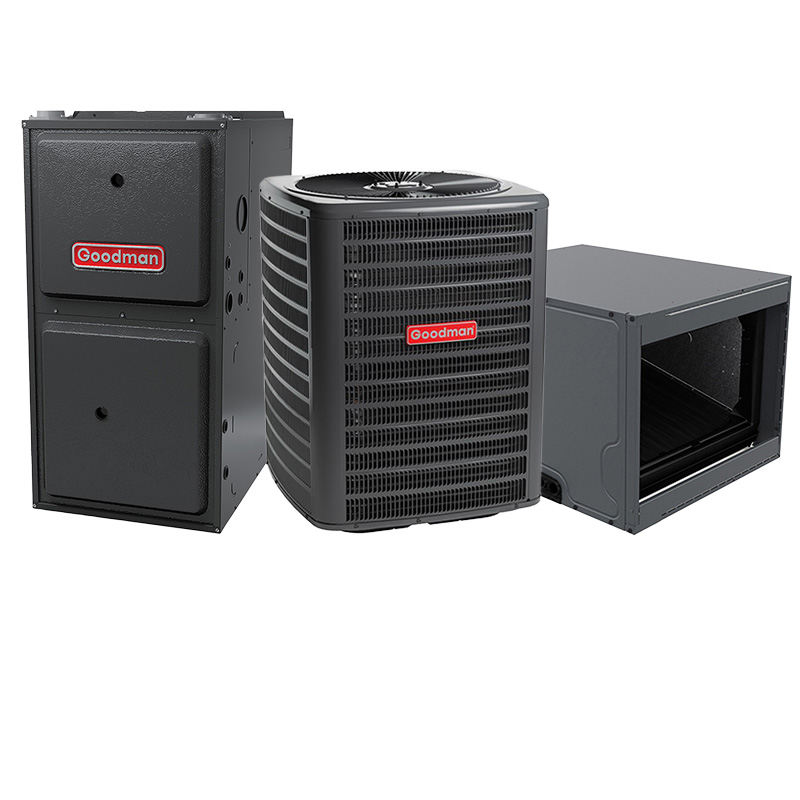
Goodman Air Conditioning And Heating – 1.5 Ton 14.5 SEER2 AC With 40000 BTU 96% AFUE Two Stage Multi-Speed ECM Gas Furnace System – Horizontal | R32
View on AC Direct see your lowest price →Check current price on AC Direct →
Key features
- 14.5 SEER2 cooling efficiency meets current federal minimum standards for most U.S. regions
- 96% AFUE two-stage gas furnace with 40,000 BTU output for small-space heating
- Multi-speed ECM blower motor reduces electricity use and improves comfort consistency
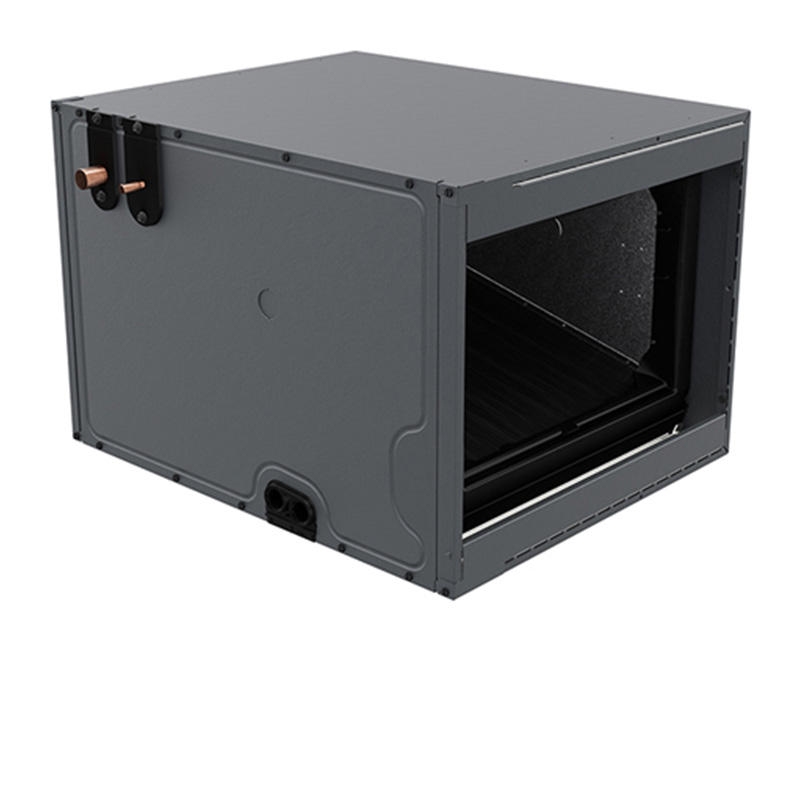
- Horizontal configuration designed for crawlspace, attic, or platform installations
- R-32 refrigerant with lower global warming potential than R-410A
- Two-stage heating operation for quieter, steadier temperature control versus single-stage
About this system
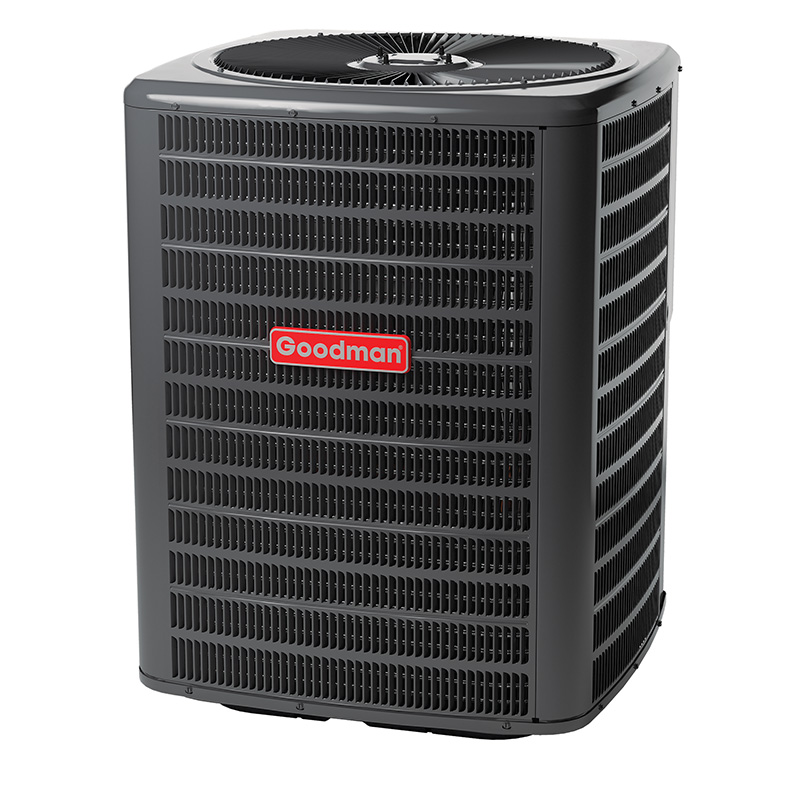
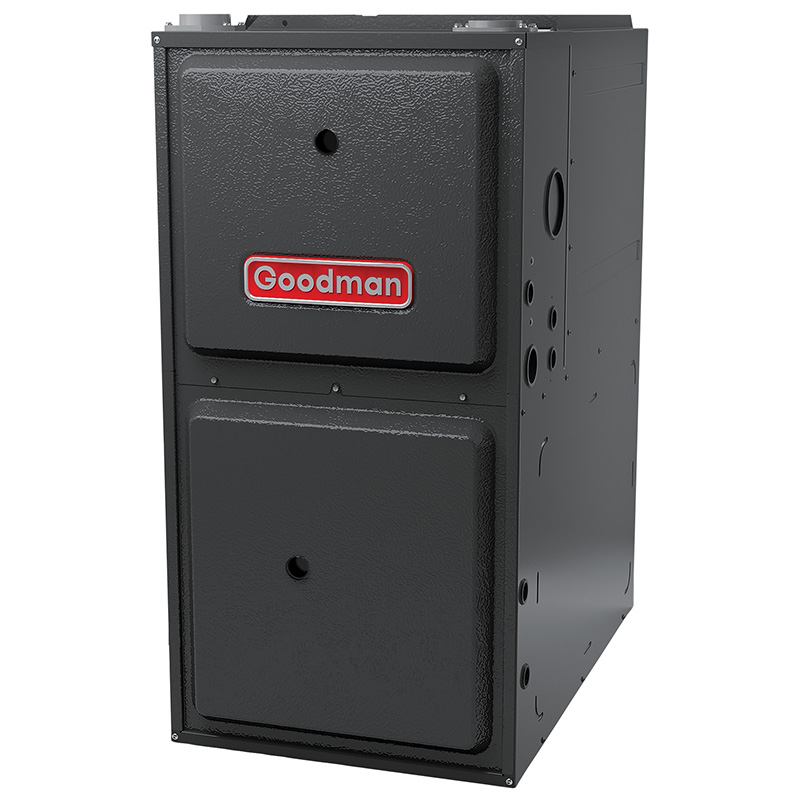
This Goodman package pairs a 1.5-ton, 14.5 SEER2 air conditioner with a 40,000 BTU, 96% AFUE two-stage gas furnace in a horizontal configuration, making it a practical fit for tight spaces like crawlspaces, attic platforms, or manufactured homes where vertical installation is not possible. The 96% AFUE rating means only about four cents of every heating dollar escapes as exhaust, which puts this furnace squarely in the high-efficiency tier and can meaningfully reduce gas bills compared to an 80% AFUE unit. R-32 refrigerant, which carries a lower global warming potential than legacy R-410A, future-proofs the system against upcoming regulatory shifts.
The two-stage furnace operation and multi-speed ECM blower motor are the standout specs here for a 1.5-ton system. Two-stage heating lets the unit run on a lower first stage the majority of the time, cycling less aggressively, maintaining steadier temperatures, and reducing wear compared to single-stage equipment. The ECM motor uses variable speed airflow to improve dehumidification during cooling season and quiet delivery during heating, and it consumes noticeably less electricity than a standard PSC blower. For a small home, condo, or addition in the 500 to 800 square foot range in a mild to moderate climate, this combination of output and efficiency is well-matched.
Buyers should understand the horizontal-only configuration limits installation options compared to a multi-position unit. A certified HVAC technician familiar with horizontal setups is important, and the system should be correctly sized through a Manual J load calculation before purchase. Goodman’s value pricing makes this an accessible entry point into high-efficiency HVAC, though prospective owners should factor in a service budget given the brand’s documented history of component repairs after the first several years of use.
This Goodman system offers a genuine high-efficiency heating story at a value price point, with the 96% AFUE furnace and ECM motor standing out as real upgrades over baseline equipment. The trade-off is a brand track record that shows more component repairs in the 7-plus-year window than premium competitors, so the upfront savings need to be weighed against a realistic service budget. For buyers who want a capable horizontal system without spending premium-brand money, it is a reasonable choice with eyes open.
Overall score is the average of the five ratings above.
What we like
- 96% AFUE furnace delivers top-tier heating efficiency and ongoing gas bill savings
- Two-stage operation and ECM blower provide quieter, more consistent comfort than single-stage units
- Priced roughly 15 to 25 percent below comparable Carrier, Trane, and Lennox systems
- R-32 refrigerant is better positioned for upcoming regulatory requirements than R-410A equipment
- Horizontal-only design is well-suited to manufactured homes, attic setups, and crawlspace installations where few alternatives exist
Trade-offs
- Dual-run capacitors are the most frequently reported failure point, typically needing replacement within the first decade at a cost of roughly 300 to 600 dollars
- Evaporator coil leaks appear in a meaningful share of owner reports and can be a more costly repair
- Compressor lifespan averages 10 to 14 years, shorter than the 15 to 20 years typical of premium brands
- Horizontal-only configuration limits versatility and requires a technician experienced with that specific installation type
What homeowners and pros say about Goodman
Homeowners who post about Goodman systems online tend to split into two camps: those who bought for the price and are satisfied years in, and those who ran into repair costs they did not anticipate. On ConsumerAffairs, Goodman scores around 2.5 out of 5, a channel that skews toward people with complaints, and the recurring story is repair bills climbing after roughly year seven. Google dealer reviews tell a more balanced story at around 3.8 out of 5, where affordability comes up repeatedly as the reason buyers chose Goodman and most short-term satisfaction is positive. The honest read is that the upfront value is real, but the ownership experience after the first service interval is more variable than with premium brands.
HVAC technicians who work on Goodman equipment regularly point to a few specific components. Dual-run capacitors are the most commonly replaced part, a repair that usually costs 300 to 600 dollars and is not a major event on its own. More significant are evaporator coil leaks, which show up in a notable share of owner reports and carry a higher repair cost. Compressor lifespan is the longer-term concern: Goodman compressors tend to average 10 to 14 years in practice, compared to 15 to 20 years seen with Trane or Carrier equipment. Pros consistently say install quality is the single biggest variable in how a Goodman system performs, so choosing an experienced contractor matters as much as the equipment spec itself, especially for a horizontal configuration like this one.
Sources: ConsumerAffairs Goodman owner reviews, AHRI Directory of Certified Product Performance, U.S. DOE appliance and equipment efficiency standards, Goodman product specification sheets.
What it costs to run
At 14.5 SEER2, cooling this 1.5-ton system for a typical 1200-hour cooling season at the U.S. average electricity rate of $0.17/kWh works out to roughly $253 per year in cooling, about $21 less per year than a minimum-efficiency 13.4 SEER2 unit of the same size. Your real cost depends on your climate and local rate.
Method: (18,000 BTU/hr ÷ 14.5 SEER2) × 1200 hours ÷ 1000 × $0.17/kWh. Rate source: U.S. EIA average; cooling hours: moderate-climate estimate.
How it compares
| Brand | Comparable model | SEER2 | Stage | Price position |
|---|---|---|---|---|
| Goodman | GSX / GMVC96 Series (this system) | 14.5 | Two-stage | Value pick |
| Carrier | Performance 16 / 58MVC Series | 15.2 | Two-stage | Moderately higher than this system, typically 15 to 20 percent more |
| Trane | XR15 / S9V2 Series | 15.0 | Two-stage | Moderately higher than this system, typically 20 to 25 percent more |
| Lennox | Merit ML14 / ML196V Series | 14.3 | Two-stage | Similar efficiency tier but generally priced above this system by 15 to 20 percent |
Competitor rows are comparable single-stage units at similar efficiency; price is relative position, not a quote.
Questions about this system
Can this system be installed in a vertical orientation or is it strictly horizontal?
This unit is configured for horizontal installation only. It is not a multi-position unit, so it cannot be flipped for vertical upflow or downflow applications. Confirm with your installer that the installation space accommodates a horizontal layout before purchasing.
What size home is a 1.5-ton, 40,000 BTU system appropriate for?
As a rough guide, 1.5 tons typically covers 500 to 800 square feet in a moderately insulated home in a moderate climate, but the only reliable answer comes from a Manual J load calculation. Oversizing or undersizing either component will hurt efficiency and comfort regardless of how good the equipment is.
How does the two-stage furnace actually change day-to-day comfort compared to a single-stage unit?
A two-stage furnace runs on a lower first stage most of the time, cycling less frequently, producing gentler and more consistent heat, and operating more quietly. It only switches to full output on the coldest days or when the home needs to recover temperature quickly. For a small space, this tends to reduce the temperature swings common with single-stage equipment.
What is the warranty coverage on this Goodman system?
Goodman typically covers parts for 10 years on registered units, with a limited lifetime heat exchanger warranty on qualifying furnace models. Registration is required within a specific window after installation to receive the full coverage, and labor is not included, meaning repair calls still come out of pocket.
Is R-32 refrigerant easy to service, and are there extra handling requirements compared to R-410A?
R-32 is increasingly common in new equipment and most certified HVAC technicians handle it, but it is classified as mildly flammable (A2L), so it does require technicians with specific A2L training and proper equipment. In most urban and suburban markets this is not a practical obstacle, but it is worth confirming your service contractor is certified before installation.
Specifications
| Cooling capacity | 1.5 Ton |
| Efficiency | 14.5 SEER2 |
| Furnace output | 40000 BTU |
| Furnace efficiency | 96% AFUE |
| Configuration | Horizontal |
| Refrigerant | R-32 |