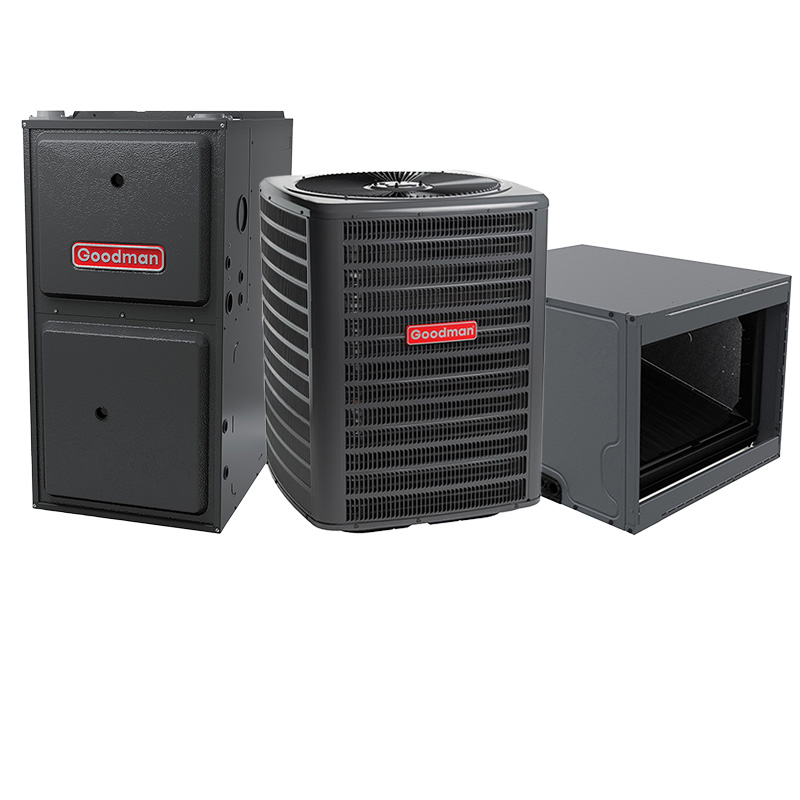
Goodman Air Conditioning And Heating – 3 Ton 15.2 SEER2 AC With 100000 BTU 96% AFUE Two Stage Multi-Speed ECM Gas Furnace System – Horizontal | R32
View on AC Direct see your lowest price →Check current price on AC Direct →
Key features
- 15.2 SEER2 cooling efficiency meets current federal minimums for most U.S. climate zones
- 96% AFUE two-stage gas furnace reduces heating fuel waste to roughly 4 cents per dollar
- Two-stage compressor improves humidity control and reduces temperature swings on mild days
- Multi-speed ECM blower motor cuts fan electricity use compared with standard PSC motors
- R-32 refrigerant offers a lower global-warming potential than the R-410A it replaces
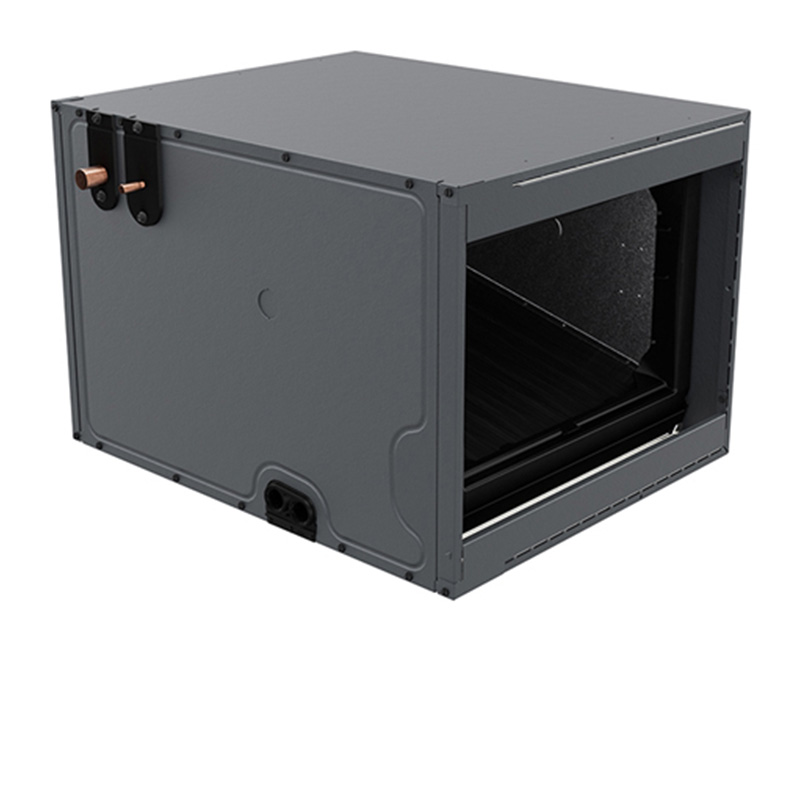
- Horizontal configuration designed for attic, crawl space, or side-closet installations
About this system
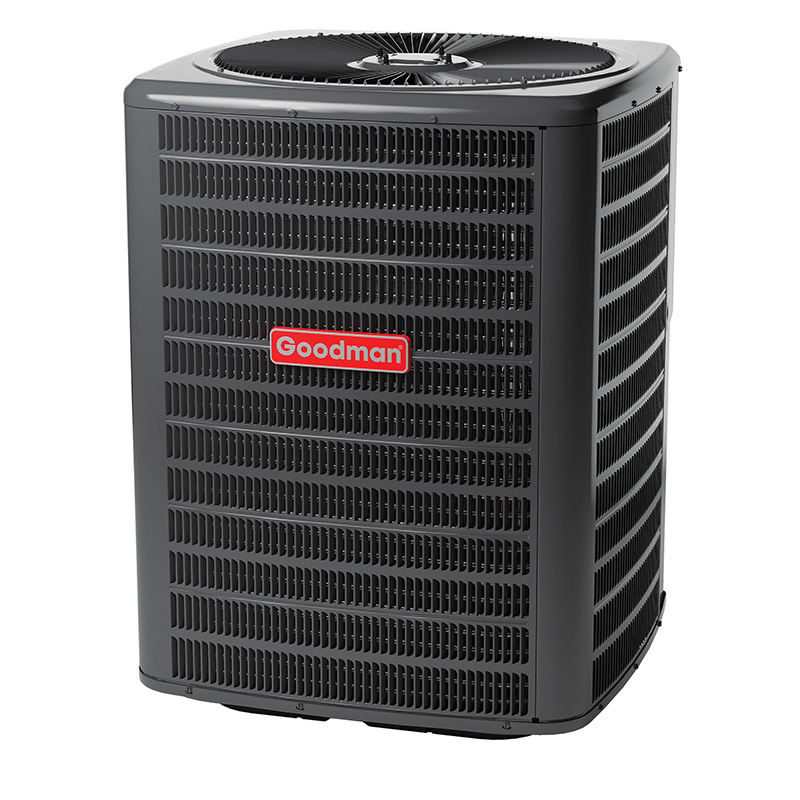
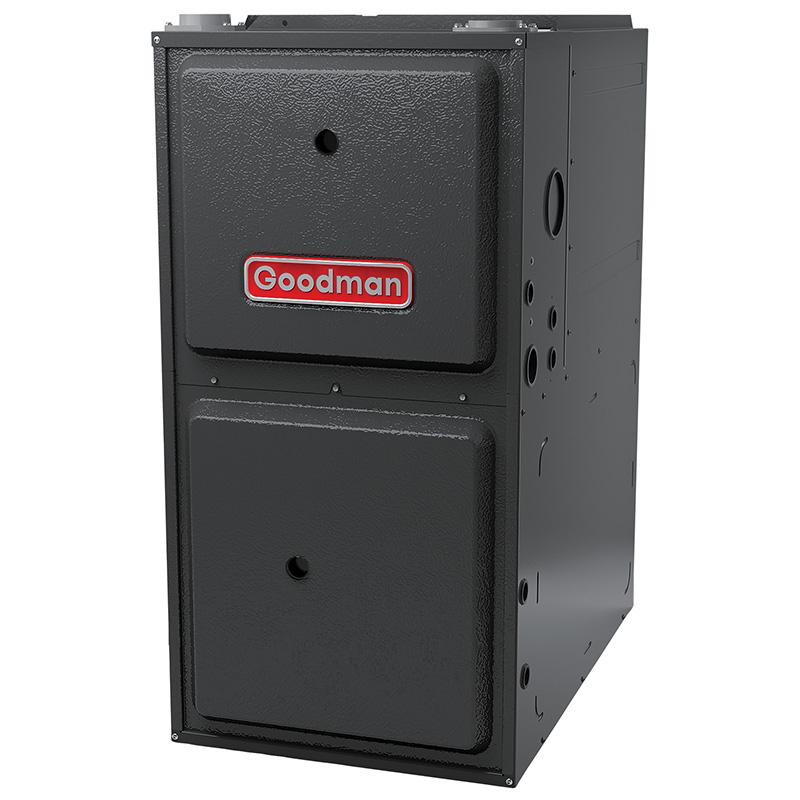
This Goodman bundle pairs a 3-ton, 15.2 SEER2 air conditioner with a 100,000 BTU, 96% AFUE two-stage gas furnace in a horizontal configuration, making it a practical choice for homes where the air handler must sit in a crawl space, attic, or side-closet rather than in an upright position. The R-32 refrigerant charge reflects an industry shift toward lower global-warming-potential refrigerants, and it delivers slightly better heat-transfer efficiency than the R-410A it replaces. At 15.2 SEER2, efficiency sits right at the current federal minimum for many regions, so expect modest but not exceptional energy bills compared with 17-plus SEER2 systems.
The two-stage compressor and multi-speed ECM blower motor are genuine upgrades over single-stage, entry-level equipment. Two-stage cooling runs at reduced capacity on mild days, which improves humidity control and keeps temperature swings smaller. The ECM motor draws significantly less electricity than a standard PSC blower and ramps speed smoothly rather than blasting on at full power. Combined with the 96% AFUE furnace, the heating side wastes only about four cents of every dollar in fuel, which is a real efficiency advantage over 80% AFUE systems, particularly in colder climates with long heating seasons.
This configuration is best suited for homeowners replacing aging equipment in an existing horizontal duct layout who want a capable mid-tier system without the price premium of Trane, Lennox, or Carrier. It is not the right fit for buyers who want top-shelf longevity or the lowest possible operating costs and are willing to pay for them up front.
This Goodman system delivers genuinely useful two-stage and ECM technology at a price point that sits 15 to 25 percent below comparable Carrier, Trane, and Lennox bundles. Efficiency is adequate but not exceptional, and long-term ownership costs depend heavily on installer quality and a willingness to budget for component repairs after the seven-year mark. Buyers who prioritize upfront savings over premium longevity will find it a reasonable trade.
Overall score is the average of the five ratings above.
What we like
- Two-stage compressor provides better humidity control than single-stage alternatives at this price
- 96% AFUE furnace is a high-efficiency rating that meaningfully lowers heating costs in cold climates
- ECM blower motor reduces continuous fan electricity draw compared with PSC motors
- R-32 refrigerant is a forward-looking choice with lower environmental impact
- Priced 15 to 25 percent below Trane, Lennox, and Carrier systems with similar specs
Trade-offs
- Dual-run capacitors are the most commonly reported failure, typically around years 5 to 8, costing $300 to $600 to repair
- Evaporator coil leaks appear in a notable share of owner reviews, and coil replacements are expensive
- Compressor lifespan averages 10 to 14 years versus 15 to 20 years for premium brand compressors
- A minority of owners report refrigerant leaks in the first year, most often traced to installation quality rather than the equipment itself
What homeowners and pros say about Goodman
Across Google dealer reviews, Goodman systems like this one average around 3.8 out of 5 stars, with affordability cited most often as the reason buyers chose the brand. Homeowners who had their systems installed by experienced contractors and keep up with filter and maintenance schedules generally report solid performance through the first several years. The picture shifts on ConsumerAffairs, where Goodman sits at roughly 2.5 out of 5, a channel that skews toward complaint-driven feedback; the recurring pattern there involves repair costs accumulating after roughly year seven, particularly for homeowners who had less thorough installation work done.
HVAC technicians consistently point to install quality as the single biggest variable in how long any Goodman unit holds up. The documented failure modes to know about with this product are dual-run capacitor failures (a common and relatively low-cost fix in the $300 to $600 range), evaporator coil leaks that appear in a meaningful share of owner reviews and carry higher repair costs, and compressor longevity that averages 10 to 14 years rather than the 15 to 20 years owners of premium brands often see. A smaller group of owners has reported refrigerant leaks within the first year, and technicians attribute most of those cases to charge or installation errors rather than factory defects. The two-stage and ECM features on this system are real comfort improvements at a price that makes sense for buyers who go in with realistic expectations about the brand.
Sources: ConsumerAffairs Goodman owner reviews, AHRI Directory of Certified Product Performance, U.S. DOE appliance and equipment efficiency standards, Goodman product specification sheets.
What it costs to run
At 15.2 SEER2, cooling this 3-ton system for a typical 1200-hour cooling season at the U.S. average electricity rate of $0.17/kWh works out to roughly $483 per year in cooling, about $65 less per year than a minimum-efficiency 13.4 SEER2 unit of the same size. Your real cost depends on your climate and local rate.
Method: (36,000 BTU/hr ÷ 15.2 SEER2) × 1200 hours ÷ 1000 × $0.17/kWh. Rate source: U.S. EIA average; cooling hours: moderate-climate estimate.
How it compares
| Brand | Comparable model | SEER2 | Stage | Price position |
|---|---|---|---|---|
| Goodman | 3-Ton 15.2 SEER2 Two-Stage AC + 96% AFUE Two-Stage ECM Furnace (Horizontal, R-32) | 15.2 | Two-stage | Value pick |
| Carrier | Comfort Series 24ACC636 + 59TP6 | 15.2 | Two-stage | Roughly 20 to 25 percent more than this Goodman bundle |
| Trane | XR15 + XV95 | 15.0–16.0 | Two-stage | Roughly 20 to 25 percent more than this Goodman bundle |
| Lennox | Merit ML15 + ML196 | 15.2 | Two-stage | Roughly 15 to 20 percent more than this Goodman bundle |
Competitor rows are comparable single-stage units at similar efficiency; price is relative position, not a quote.
Questions about this system
Why does this system use R-32 refrigerant instead of R-410A, and does that affect servicing costs?
R-32 has a lower global-warming potential than R-410A and transfers heat slightly more efficiently. It is a mildly flammable refrigerant (A2L classification), so technicians need specific handling certification and compatible tools. Most established HVAC companies are already equipped for it, but it is worth confirming your service tech is certified before booking repairs.
Is the horizontal configuration limiting, and can this system be converted to upflow or downflow?
This bundle is configured specifically for horizontal installation, which is common in attics, crawl spaces, and certain closet set-ups. Converting to upflow or downflow typically requires a different air handler or furnace cabinet orientation; you should not assume field conversion is possible without confirming with your installer before purchase.
What does two-stage cooling actually change in day-to-day comfort?
On mild days the compressor runs at its lower stage for longer cycles, which removes more moisture from indoor air and holds temperature closer to the thermostat set point. You will notice fewer dramatic on-off temperature swings and, in humid climates, a noticeably drier feel indoors compared with a single-stage system.
How does the 100,000 BTU furnace pair with a 3-ton AC unit, and is that combination oversized for most homes?
Furnace and cooling sizing are calculated separately based on your climate, insulation, windows, and square footage. A proper Manual J heat load calculation is the only reliable way to confirm whether 100,000 BTU heating and 3-ton cooling are correct for your home. Oversized equipment short-cycles and reduces both comfort and component life, so confirm sizing with your installer before ordering.
What are the most common repair costs Goodman owners encounter after the warranty period ends?
Dual-run capacitor failures are the most frequently reported issue and are usually inexpensive to fix, typically in the $300 to $600 range including labor. Evaporator coil leaks and compressor failures are less frequent but more costly. Goodman compressors average roughly 10 to 14 years in practice, so budgeting for a potential compressor replacement around that window is prudent.
Specifications
| Cooling capacity | 3 Ton |
| Efficiency | 15.2 SEER2 |
| Furnace output | 100000 BTU |
| Furnace efficiency | 96% AFUE |
| Configuration | Horizontal |
| Refrigerant | R-32 |