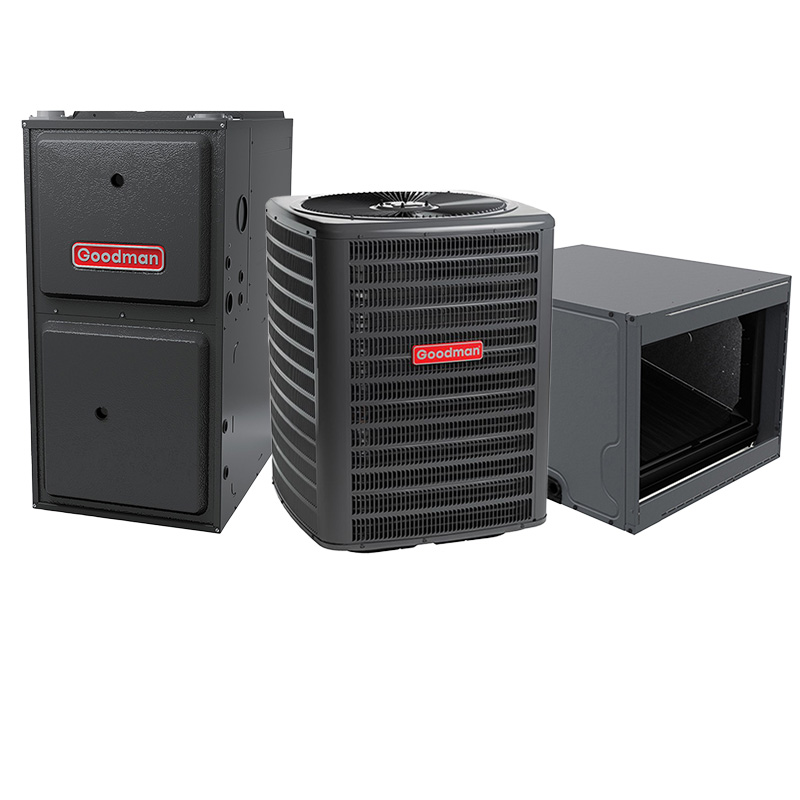
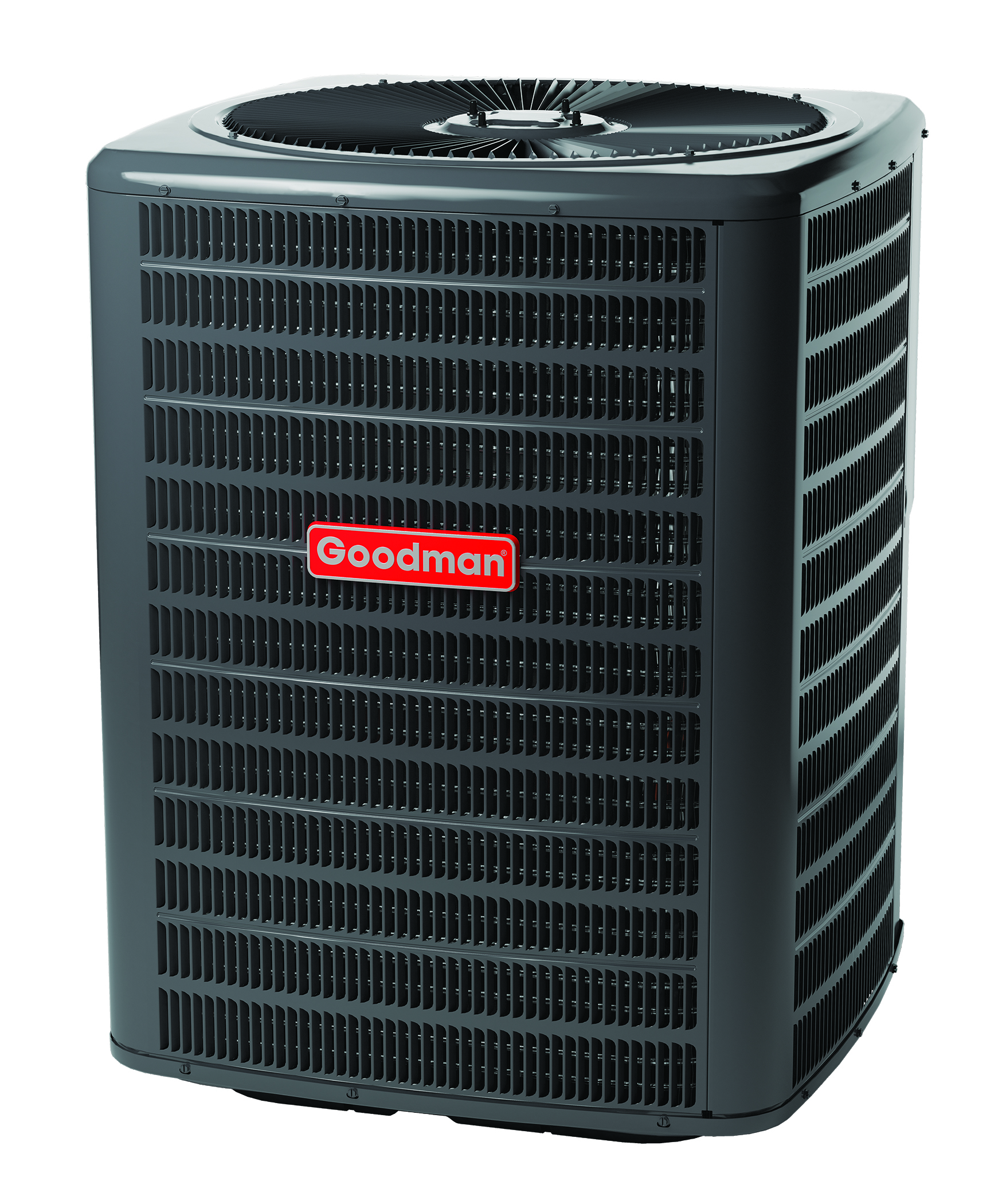
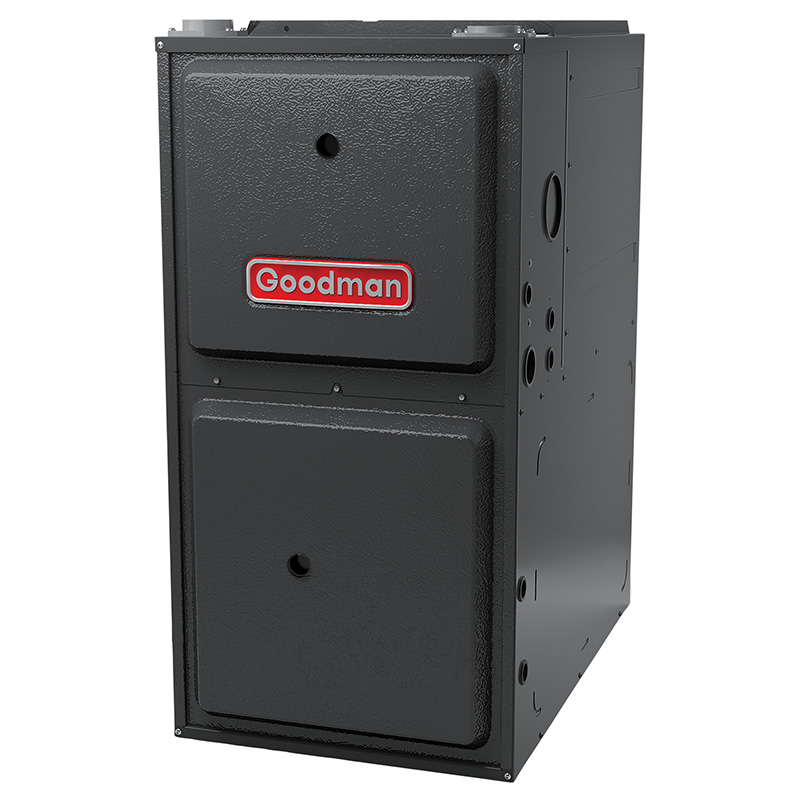
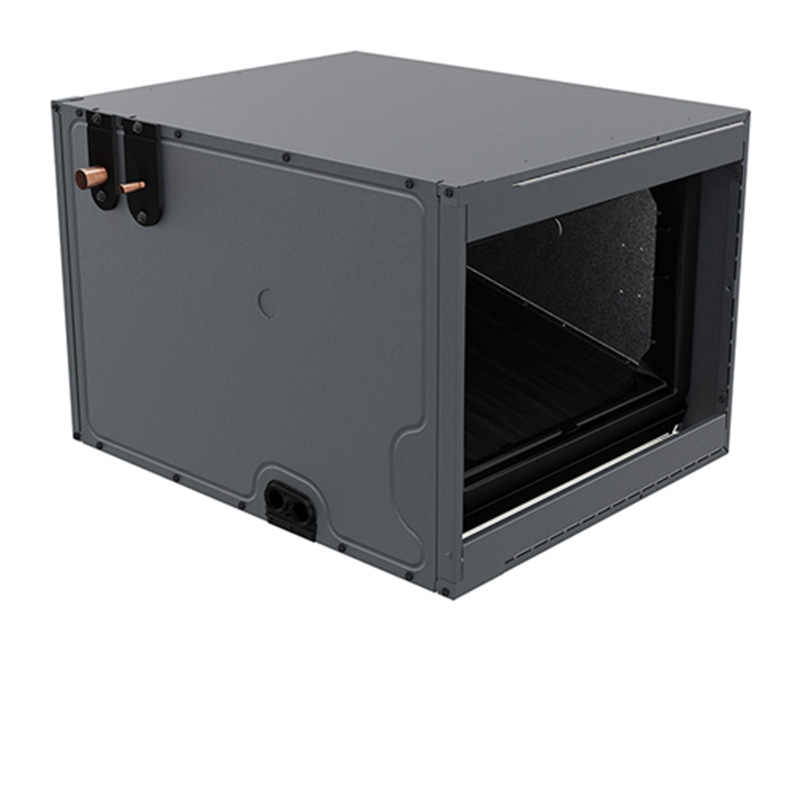
Goodman AC And Furnace – 3 Ton 17.2 SEER2 2 Stage AC With 80000 BTU 97% AFUE Modulating Variable-Speed ECM Gas Furnace System – Horizontal | R32
View on AC Direct see your lowest price →Check current price on AC Direct →
Key features
- 17.2 SEER2 two-stage cooling on R-32 refrigerant
- 97% AFUE modulating gas furnace with variable-speed ECM blower
- Horizontal orientation for attic, crawlspace, or closet installs
- 80,000 BTU heating capacity suited to mid-size homes in cold climates
- R-32 refrigerant with lower global warming potential than R-410A
- Modulating burner reduces short cycling, temperature swings, and noise
About this system
This Goodman bundle pairs a 3-ton, 17.2 SEER2 two-stage air conditioner with an 80,000 BTU, 97% AFUE modulating gas furnace in a horizontal configuration, making it a strong candidate for homes with attic or crawlspace installations where vertical equipment simply will not fit. The R-32 refrigerant charge reflects the industry’s shift away from R-410A, offering a lower global warming potential and slightly better thermodynamic efficiency. At 17.2 SEER2, this system sits in the upper-mid efficiency band, meaningfully above the federal minimum but below the top-tier variable-compressor systems that push past 20 SEER2.
The furnace side deserves particular attention here. A 97% AFUE rating means only 3% of combustion energy escapes as exhaust, which is as efficient as a gas furnace gets in production. The modulating burner adjusts output in small increments rather than simply turning on and off, and the variable-speed ECM blower motor fine-tunes airflow to match demand. Together these features reduce temperature swings, lower blower noise, and cut gas and electric operating costs compared to single-stage or two-stage furnaces. For a homeowner who heats heavily through winter, the furnace efficiency premium alone can justify the system cost over time.
This is a system built for budget-conscious buyers who want legitimate mid-tier performance without paying Trane or Carrier prices. It suits a 1,500 to 2,200 square foot home in a mixed heating and cooling climate, particularly where the horizontal config is required and where a competent installer can be secured. Goodman’s performance reputation is tightly linked to installation quality, so budgeting for a skilled, licensed contractor matters as much as the equipment cost itself.
This Goodman combo delivers genuinely good specs for the price, with a best-in-class furnace efficiency rating and a competitive SEER2 number that will satisfy most efficiency-focused buyers. The trade-off is Goodman's well-documented reliability pattern: components hold up well in early years but repair frequency tends to climb after year 7, and the compressor lifespan trails premium brands. Buyers who secure a skilled installer and budget for a service contract will get solid value here; those who shop purely on sticker price and ignore ongoing costs may be disappointed later.
Overall score is the average of the five ratings above.
What we like
- 97% AFUE furnace rating is at the top of what gas combustion can achieve
- 17.2 SEER2 qualifies for most utility rebate programs and beats federal minimums substantially
- Priced 15 to 25 percent below comparable Trane, Lennox, and Carrier bundles
- Modulating furnace and variable-speed ECM blower improve comfort and reduce noise
- R-32 refrigerant is a forward-looking choice as R-410A is phased out
Trade-offs
- Dual-run capacitors are the most commonly reported failure point, typically requiring a 300 to 600 dollar repair
- Evaporator coil leaks appear in a notable share of owner reviews and can be a costly mid-life repair
- Compressor lifespan averages 10 to 14 years versus 15 to 20 years for premium brands
- A minority of owners have reported refrigerant leaks in the first year, generally traced to installation or charge issues
What homeowners and pros say about Goodman
Across Google dealer reviews, Goodman equipment averages around 3.8 out of 5 stars, where the most consistent praise is straightforward: buyers got a functional, code-compliant system for significantly less than competing brands charge. The ConsumerAffairs score tells a different story, sitting at roughly 2.5 out of 5, though that platform skews heavily toward owners who had problems rather than those who did not. The recurring theme in negative reviews is repair costs that start accumulating after year 7 or so, which lines up with the documented failure pattern for dual-run capacitors and evaporator coil leaks. HVAC technicians working on Goodman equipment generally report that the capacitor is the most common service call, a quick and relatively inexpensive fix in the 300 to 600 dollar range, but coil leaks are a bigger deal and can push a repair bill into the thousands depending on the refrigerant involved.
For this specific horizontal system, installer feedback is particularly pointed. Horizontal configurations add complexity to flue venting, condensate management, and coil positioning, and Goodman’s track record is especially sensitive to those installation details. Pros who praise Goodman tend to work with it regularly and know its quirks; pros who criticize it often point to poor installs done by contractors cutting corners on a budget job. The compressor lifespan figure that comes up most often in technician discussions is 10 to 14 years for Goodman versus 15 to 20 for Trane, Carrier, or Lennox, which is a real long-run cost consideration even if it does not show up in the purchase price. Homeowners who treat this as a 10-year system with a planned replacement horizon are generally satisfied; those expecting 20-year performance without any mid-life repairs tend to be disappointed.
Sources: ConsumerAffairs Goodman owner reviews, AHRI Directory of Certified Product Performance, U.S. DOE appliance and equipment efficiency standards, Goodman product specification sheets.
What it costs to run
At 17.2 SEER2, cooling this 3-ton system for a typical 1200-hour cooling season at the U.S. average electricity rate of $0.17/kWh works out to roughly $427 per year in cooling, about $121 less per year than a minimum-efficiency 13.4 SEER2 unit of the same size. Your real cost depends on your climate and local rate.
Method: (36,000 BTU/hr ÷ 17.2 SEER2) × 1200 hours ÷ 1000 × $0.17/kWh. Rate source: U.S. EIA average; cooling hours: moderate-climate estimate.
How it compares
| Brand | Comparable model | SEER2 | Stage | Price position |
|---|---|---|---|---|
| Goodman | 3-Ton 17.2 SEER2 Two-Stage AC + 80K BTU 97% AFUE Modulating Furnace (Horizontal, R-32) | 17.2 | Two-stage cooling / Modulating heat | Value pick |
| Carrier | Performance 17 Series (24ACC636 + 59TP6) | 17 | Two-stage cooling / Two-stage heat | Typically 20 to 25 percent more than this Goodman bundle |
| Trane | XR17 + S9X2 (two-stage AC + 97% AFUE furnace) | 17 | Two-stage cooling / Two-stage heat | Typically 20 to 30 percent more than this Goodman bundle |
| Lennox | Merit ML17XC2 + ML296V | 17 | Two-stage cooling / Variable-capacity heat | Typically 25 to 35 percent more than this Goodman bundle |
Competitor rows are comparable single-stage units at similar efficiency; price is relative position, not a quote.
Questions about this system
Why is the horizontal configuration more complicated to install than a standard upflow furnace?
Horizontal units must be mounted on their side in a confined space like an attic or crawlspace, which complicates flue routing, condensate drainage, and coil alignment. Any errors in slope or drain line setup can cause water damage or coil icing. This is one reason Goodman's reliability is so closely tied to installer skill on horizontal jobs specifically.
Does the R-32 refrigerant affect who can service this system?
R-32 requires technicians to use equipment rated for mildly flammable (A2L class) refrigerants, and not all older service trucks carry it yet. In most metro areas this is not a problem, but in rural markets you should confirm your local HVAC contractor is already tooled up for R-32 before buying.
What does modulating actually mean on this furnace, and is it worth the extra cost?
A modulating furnace adjusts its burner output across a range of firing rates rather than switching fully on or off. In practice this means more consistent room temperatures, quieter operation, and lower gas consumption during mild weather. For a high-use heating climate the efficiency gain is real; for a mild climate with short heating seasons the payback window stretches considerably.
What is the warranty on this Goodman system and what does it actually cover?
Goodman typically covers parts for 10 years on registered equipment, with the compressor often carrying its own 10-year limited warranty as well. Labor is generally not included in the manufacturer warranty, so a repair after year one means paying a technician out of pocket unless you add an extended service contract. Registration within 60 days of install is usually required to access the full term.
Is 80,000 BTU the right furnace size for a 3-ton AC system?
Furnace and air conditioner sizing are calculated independently, and 80,000 BTU is a common pairing with a 3-ton cooling system for homes in cold climates where heating load is the dominant sizing factor. A proper Manual J heat load calculation by your installer will confirm whether 80K BTU is appropriate for your specific home, insulation levels, and climate zone. Oversizing the furnace is a real risk if you skip that step.
Specifications
| Cooling capacity | 3 Ton |
| Efficiency | 17.2 SEER2 |
| Furnace output | 80000 BTU |
| Furnace efficiency | 97% AFUE |
| Configuration | Horizontal |
| Refrigerant | R-32 |