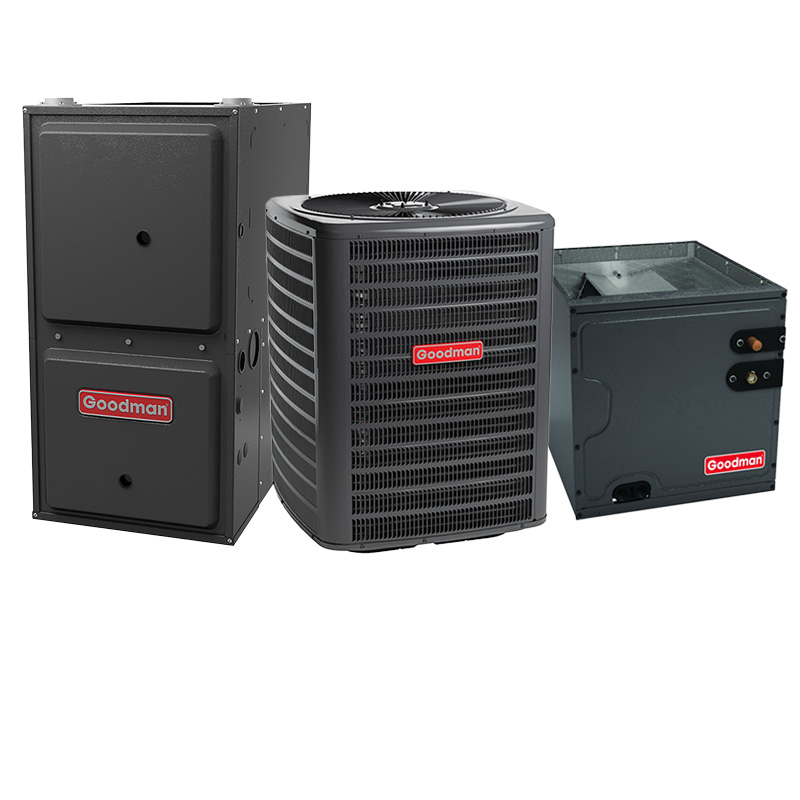
Goodman AC And Furnace – 3 Ton 17.2 SEER2 2 Stage AC With 100000 BTU 97% AFUE Modulating Variable-Speed ECM Gas Furnace System – Downflow | R32
View on AC Direct see your lowest price →Check current price on AC Direct →
Key features
- 3-ton two-stage compressor reduces short-cycling and improves humidity control on mild days
- 17.2 SEER2 efficiency rating qualifies for many utility rebate programs
- 100,000 BTU modulating furnace adjusts output incrementally for even heat distribution
- 97% AFUE furnace recovers 97 cents of every dollar of gas burned
- Variable-speed ECM blower motor cuts electricity use during long heating and cooling cycles
- R-32 refrigerant charge with lower global warming potential than R-410A
About this system
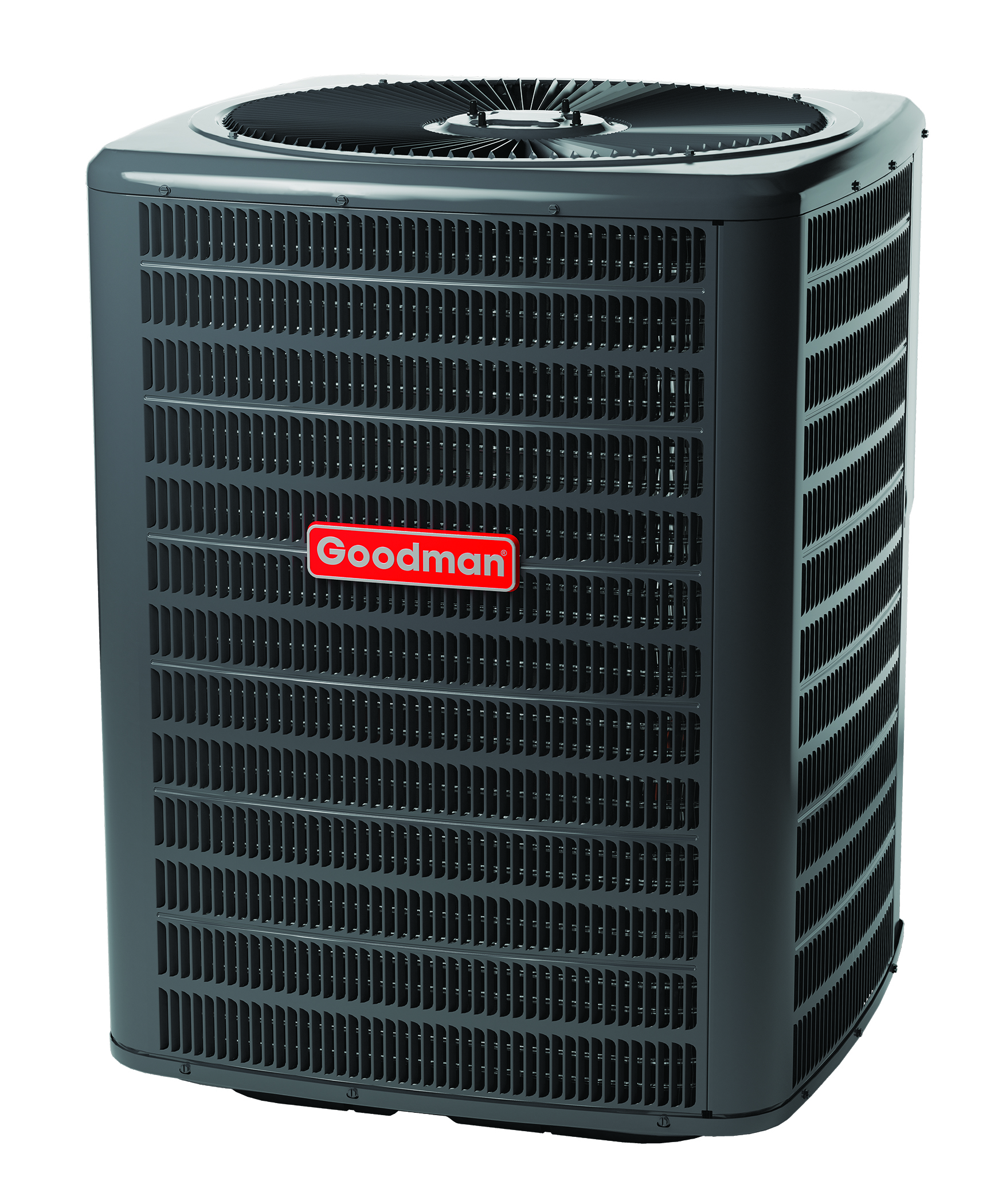
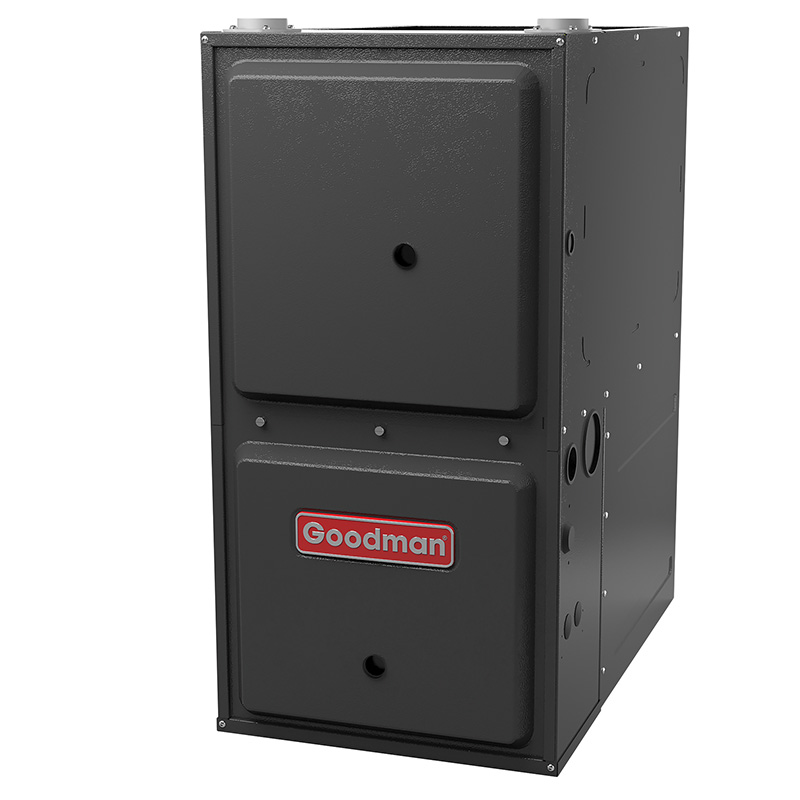
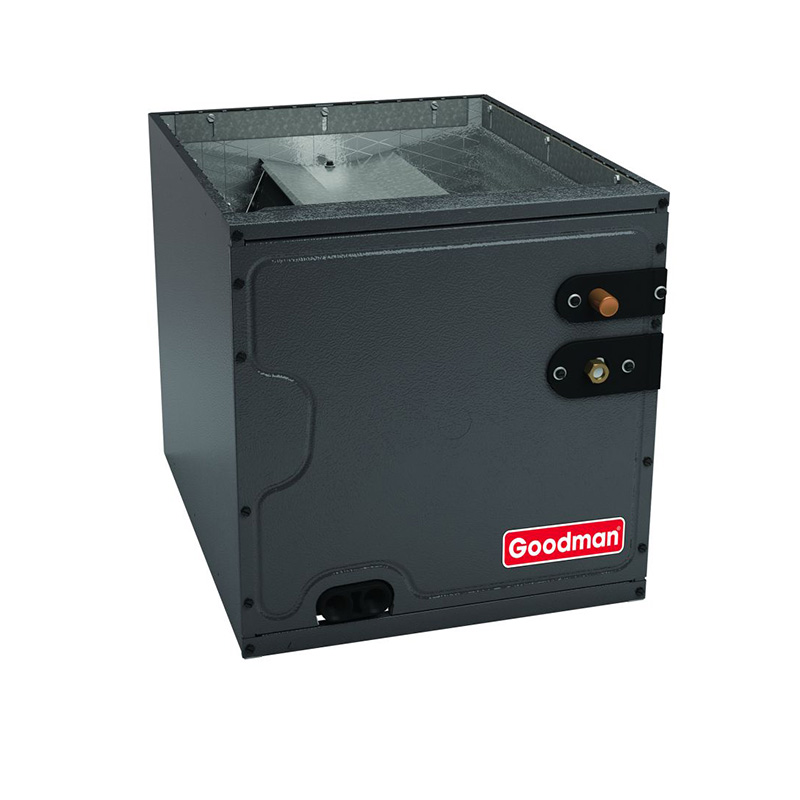
This Goodman bundle pairs a 3-ton, 17.2 SEER2 two-stage air conditioner with a 100,000 BTU, 97% AFUE modulating gas furnace in a downflow configuration, making it a strong candidate for homes where the air handler sits in a closet or utility space above a crawl space or first-floor register grid. The two-stage compressor runs at low capacity during mild weather, reducing short-cycling and humidity swings, while the modulating furnace adjusts heat output in small increments for unusually even temperatures. The variable-speed ECM blower motor is the efficiency backbone of the furnace side, cutting electricity use during the long blower run times that modulating equipment demands.
The R-32 refrigerant charge is worth noting if you are comparing this to older R-410A systems. R-32 carries a lower global warming potential and slightly better thermodynamic efficiency, and it is where the industry is heading, so parts and service availability will only improve over time. At 17.2 SEER2, this system sits comfortably in the high-efficiency tier without crossing into the premium price band of 19-plus SEER2 equipment. Combined with 97% AFUE on the furnace, operating costs in cold climates can be meaningfully lower than a standard 80% AFUE setup. This bundle suits homeowners in mixed or cold climates who want a meaningful efficiency upgrade over builder-grade equipment but are not ready to pay Trane or Carrier prices to get there.
This Goodman system delivers genuinely high-efficiency specs at a price well below comparable Trane, Lennox, or Carrier bundles, and the two-stage AC plus modulating furnace combination is a real comfort upgrade over single-stage equipment. The trade-off is a brand track record showing compressors that average 10 to 14 years versus 15 to 20 for premium competitors, along with documented failure modes that a quality installation and a good service plan can partly offset. Buyers who prioritize upfront value and commit to a skilled installer will get the most out of this system.
Overall score is the average of the five ratings above.
What we like
- High-efficiency combination: 17.2 SEER2 cooling and 97% AFUE heating in one bundle
- Modulating furnace plus variable-speed ECM blower delivers noticeably more even temperatures than single-stage systems
- R-32 refrigerant is future-oriented and already well-supported by the service industry
- Priced 15 to 25 percent below comparable Carrier, Trane, and Lennox equipment
- Two-stage compressor runs quietly and at lower capacity most of the time, extending run cycles that improve humidity removal
Trade-offs
- Compressor lifespan averages 10 to 14 years versus 15 to 20 years for premium brands, meaning replacement may arrive sooner
- Evaporator coil leaks appear in a meaningful share of owner reports and can be a costly mid-life repair
- A minority of owners have reported refrigerant leaks within the first year, typically traceable to installation or initial charge errors
- Dual-run capacitors are the most commonly reported failure point, and while the repair is usually low-cost (roughly 300 to 600 dollars), it is a recurring theme in long-term ownership
What homeowners and pros say about Goodman
Homeowners who post about their Goodman systems online tend to split along a familiar line. Those who had a careful installation by an experienced technician report years of reliable service and praise the lower upfront cost. Those who ran into trouble more often trace problems back to install quality or first-year refrigerant charge issues rather than a defective unit, though that distinction offers little comfort when the repair bill arrives. Goodman scores roughly 2.5 out of 5 on ConsumerAffairs, a channel that skews heavily toward complaints, where the most consistent pattern is owners describing rising repair costs after roughly year seven. Google dealer reviews across multiple locations average closer to 3.8 out of 5, where affordability is the most frequently cited reason buyers chose the brand in the first place.
HVAC technicians who work on Goodman equipment regularly point to dual-run capacitors as the part they replace most often on these systems, a repair that typically runs 300 to 600 dollars and is not a difficult job. More consequential are the evaporator coil leak reports that appear in a meaningful share of owner reviews, and the compressor longevity data showing average lifespans of 10 to 14 years compared to 15 to 20 years for premium brands. For a high-efficiency bundle like this one, with a modulating furnace and two-stage compressor, the value proposition holds up when installation is done right and owners budget for mid-life maintenance. It is a system that rewards attentive ownership rather than one you can simply set and forget for two decades.
Sources: ConsumerAffairs Goodman owner reviews, AHRI Directory of Certified Product Performance, U.S. DOE appliance and equipment efficiency standards, Goodman product specification sheets.
What it costs to run
At 17.2 SEER2, cooling this 3-ton system for a typical 1200-hour cooling season at the U.S. average electricity rate of $0.17/kWh works out to roughly $427 per year in cooling, about $121 less per year than a minimum-efficiency 13.4 SEER2 unit of the same size. Your real cost depends on your climate and local rate.
Method: (36,000 BTU/hr ÷ 17.2 SEER2) × 1200 hours ÷ 1000 × $0.17/kWh. Rate source: U.S. EIA average; cooling hours: moderate-climate estimate.
How it compares
| Brand | Comparable model | SEER2 | Stage | Price position |
|---|---|---|---|---|
| Goodman | GSXC703610 + GCVM971005CN (this system) | 17.2 | Two-stage AC / Modulating furnace | Value pick |
| Carrier | Infinity 17 (24ACC636A003 + 59MN7) | 17 | Two-stage AC / Modulating furnace | 15 to 25 percent higher than this Goodman bundle |
| Trane | XR17 + XV80 / S9V2 | 17 | Two-stage AC / Variable-speed furnace | 20 to 30 percent higher than this Goodman bundle |
| Lennox | XC17 + SL280V | 17 | Two-stage AC / Variable-speed furnace | 20 to 30 percent higher than this Goodman bundle |
Competitor rows are comparable single-stage units at similar efficiency; price is relative position, not a quote.
Questions about this system
Is downflow the right configuration for my home, and can this furnace be converted to upflow or horizontal?
Downflow means heated or cooled air discharges from the bottom of the unit, which suits installations where the equipment sits above the ductwork, such as in a main-floor closet over a crawl space. Many Goodman furnaces can be converted to other orientations, but you should confirm the specific model number allows it before purchase, and conversion typically requires a specific accessory kit and qualified labor.
What does the modulating furnace actually do differently from a two-stage furnace?
A two-stage furnace runs at roughly two fixed output levels, while a modulating furnace adjusts output across a continuous range, often from around 40 percent up to 100 percent of rated capacity. In practice this means smaller, more frequent adjustments that keep room temperatures within a very tight band and reduce the cold blast you feel at startup on a single-stage system.
How does R-32 refrigerant affect service costs compared to R-410A?
R-32 is increasingly common and is becoming the industry standard as R-410A is phased down, so most HVAC technicians already carry it and pricing is comparable. One practical note is that R-32 is mildly flammable (A2L classification), so your installer must follow updated handling and clearance guidelines, which any current-certified technician should already know.
What are the most likely repairs I should budget for over the life of this system?
Based on documented Goodman failure patterns, dual-run capacitors are the most common repair, typically costing 300 to 600 dollars and usually straightforward to fix. Evaporator coil leaks are also a documented concern and carry a higher repair cost. Having a service contract or setting aside a maintenance fund is a reasonable step for any Goodman owner past the seven-year mark.
Will this system qualify for the federal energy efficiency tax credit?
As of current IRS guidance, central air conditioners meeting or exceeding 16 SEER2 and gas furnaces at 97% AFUE can qualify for the Section 25C energy efficiency home improvement credit, which may cover up to 30 percent of equipment and installation costs up to the applicable annual cap. You should verify current income limits, caps, and qualifying product requirements with a tax professional or the ENERGY STAR database before filing.
Specifications
| Cooling capacity | 3 Ton |
| Efficiency | 17.2 SEER2 |
| Furnace output | 100000 BTU |
| Furnace efficiency | 97% AFUE |
| Configuration | Downflow |
| Refrigerant | R-32 |