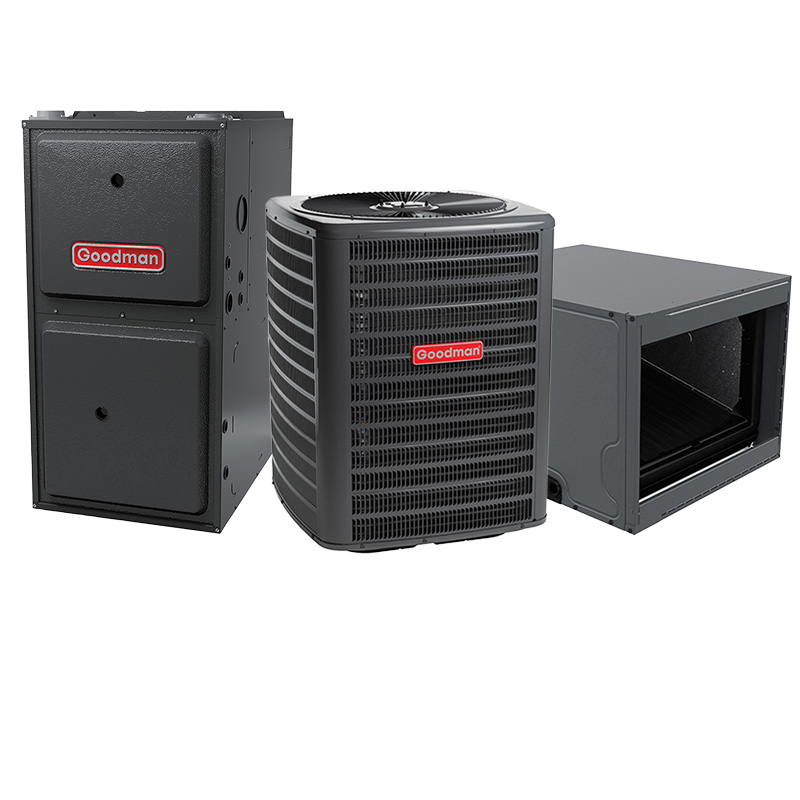
Goodman Furnace AC Combo – 2.5 Ton 14 SEER2 AC With 60000 BTU 97% AFUE Modulating Variable-Speed ECM Gas Furnace System – Horizontal | R32
View on AC Direct see your lowest price →Check current price on AC Direct →
Key features
- 2.5-ton, 14 SEER2 central AC rated at current federal minimum efficiency for broad regional compliance
- 60,000 BTU modulating gas furnace at 97% AFUE for near-maximum fuel efficiency
- Variable-speed ECM blower motor for quieter operation and more even temperature distribution
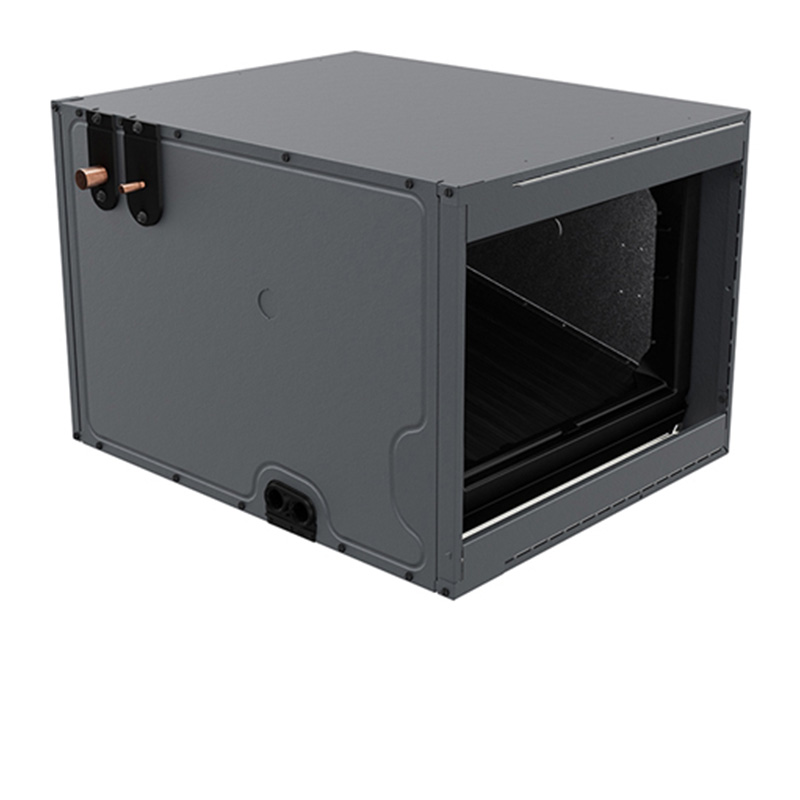
- Horizontal configuration designed for attic, crawl space, or side-discharge installations
- R-32 refrigerant with approximately 68% lower global-warming potential than R-410A
- Factory-matched system components for streamlined installation and consistent rated performance
About this system
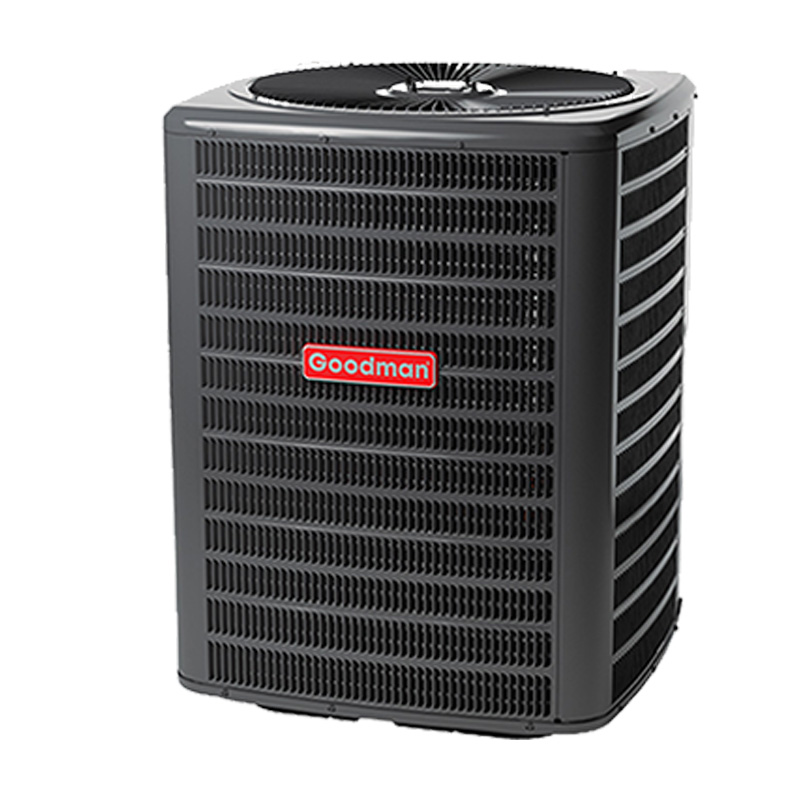
This Goodman combo pairs a 2.5-ton, 14 SEER2 central air conditioner with a 60,000 BTU, 97% AFUE modulating gas furnace in a horizontal configuration, making it a strong candidate for homes where the air handler sits in a crawl space, attic, or tight closet that only allows side-discharge airflow. The R-32 refrigerant charge is a meaningful step forward environmentally, carrying a global-warming potential roughly 68 percent lower than the R-410A it replaces and aligning the system with where the HVAC industry is heading over the next decade.
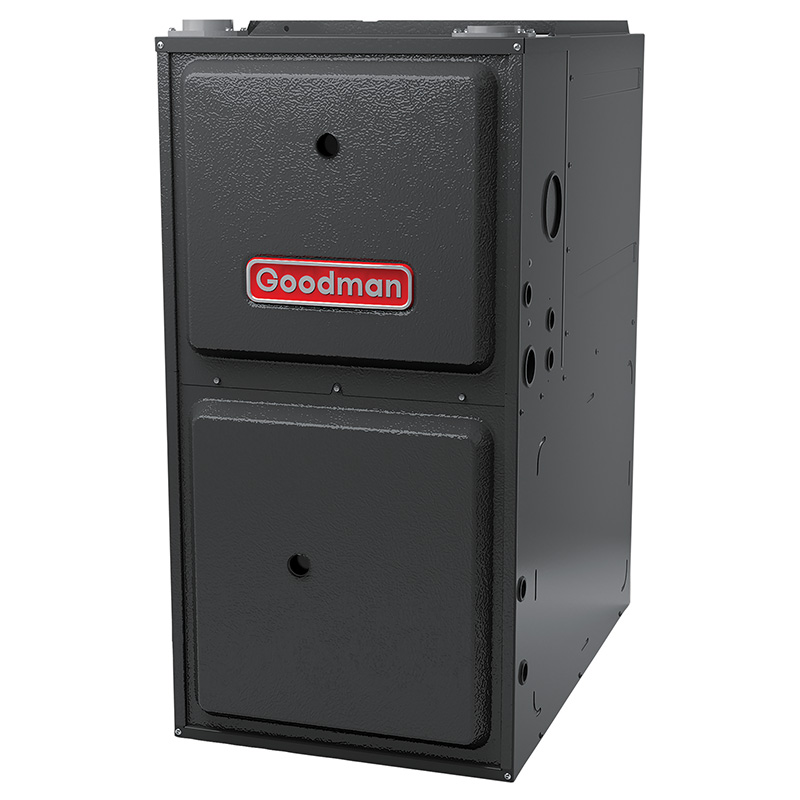
The furnace is the real headliner here. A 97% AFUE modulating burner with a variable-speed ECM blower motor is premium-tier equipment: it adjusts heat output in small increments rather than blasting on and off at full capacity, which translates to steadier indoor temperatures, quieter operation, and noticeably lower gas bills compared to single-stage or two-stage alternatives. The 14 SEER2 cooling side sits at the current federal minimum for many regions, so it clears the efficiency bar without exceeding it. Buyers who want to stretch efficiency dollars further on cooling may find higher-SEER2 options worth pricing out, but for households where heating dominates the annual energy bill, the furnace upgrade is where this bundle earns its keep.
This system suits a mid-size home of roughly 1,200 to 1,800 square feet with average insulation in a climate where winter heating loads are significant. It is not the right fit for mild-climate regions where a heat pump would outperform a gas furnace economically, or for homes with existing vertical-only equipment closets. Professional load calculation and a qualified installer are non-negotiable with any Goodman system, since installation quality is the single biggest predictor of long-term performance with this brand.
This bundle delivers a genuinely high-efficiency furnace at a price point well below comparable Carrier, Trane, or Lennox configurations, and the modulating variable-speed furnace is a legitimately premium feature for the money. The 14 SEER2 cooling side is functional but unambitious, and Goodman's documented history of capacitor failures, coil leaks, and shorter-than-premium compressor life means the furnace's long-term value depends heavily on who installs it and how well it is maintained afterward.
Overall score is the average of the five ratings above.
What we like
- 97% AFUE modulating furnace is top-tier heating efficiency and noticeably reduces gas bills versus single-stage units
- Variable-speed ECM blower produces quieter, more consistent airflow than single-speed alternatives
- R-32 refrigerant is lower-GWP and increasingly standard, keeping the system viable as regulations tighten
- Horizontal configuration fills a real installation gap that most standard vertical systems cannot address
- Priced 15 to 25 percent below equivalent Trane, Lennox, and Carrier packages, freeing budget for quality installation
Trade-offs
- 14 SEER2 is the regulatory floor for cooling efficiency; buyers in hot climates will see limited summer energy savings compared to 16 or 18 SEER2 options
- Dual-run capacitor failures are the most commonly reported issue, typically appearing mid-life and adding 300 to 600 dollars per service call
- Compressor longevity averages 10 to 14 years versus 15 to 20 for premium brands, raising replacement cost probability over a typical ownership horizon
- Evaporator coil leaks and first-year refrigerant charge issues appear in a meaningful share of owner reports, making installer selection and a post-install pressure check critical
What homeowners and pros say about Goodman
Homeowners who have lived with Goodman systems tend to land in two camps. Those whose installs went well often cite years of trouble-free operation and point to the brand’s affordability as the reason they stuck with it on replacement. Those who ran into problems frequently trace the root cause back to installation shortcuts rather than the equipment itself, a pattern that shows up consistently in Google dealer reviews where Goodman averages around 3.8 out of 5 across hundreds of locations and affordability is the most-cited reason for satisfaction. The ConsumerAffairs score of roughly 2.5 out of 5 tells a harsher story, but that platform disproportionately captures owners who are already frustrated, and the recurring themes there are repair costs climbing after approximately year 7 and component failures that a better-maintained unit might have avoided.
HVAC technicians who work on many brands regularly report that Goodman’s dual-run capacitors are the single most common service call they handle on these systems, usually a straightforward fix in the 300 to 600 dollar range but one that catches owners off guard if they have not budgeted for it. Evaporator coil leaks appear in enough owner accounts to be a legitimate concern rather than an outlier, and technicians note that compressor lifespan on Goodman equipment tends to average 10 to 14 years compared to 15 to 20 years for Carrier, Trane, or Lennox units. For this specific bundle, the 97% AFUE modulating furnace is widely regarded as the stronger half of the pairing, and pros who spec Goodman often do so precisely when a customer wants a high-efficiency furnace without the price tag of a premium brand nameplate on the outdoor unit.
Sources: ConsumerAffairs Goodman owner reviews, AHRI Directory of Certified Product Performance, U.S. DOE appliance and equipment efficiency standards, Goodman product specification sheets.
What it costs to run
At 14 SEER2, cooling this 2.5-ton system for a typical 1200-hour cooling season at the U.S. average electricity rate of $0.17/kWh works out to roughly $437 per year in cooling, about $20 less per year than a minimum-efficiency 13.4 SEER2 unit of the same size. Your real cost depends on your climate and local rate.
Method: (30,000 BTU/hr ÷ 14 SEER2) × 1200 hours ÷ 1000 × $0.17/kWh. Rate source: U.S. EIA average; cooling hours: moderate-climate estimate.
How it compares
| Brand | Comparable model | SEER2 | Stage | Price position |
|---|---|---|---|---|
| Goodman | 2.5T 14 SEER2 AC / 60K BTU 97% AFUE Modulating ECM Horizontal | 14 | Modulating / Variable-speed | Value pick |
| Carrier | Comfort 14 / 59MN7 (96% AFUE two-stage) | 14 | Two-stage / Variable-speed | 15 to 25 percent above this Goodman bundle |
| Trane | XR14c / S9V2 (96% AFUE two-stage) | 14 | Two-stage / Variable-speed | 20 to 30 percent above this Goodman bundle |
| Lennox | Merit 14ACX / ML296V (96% AFUE two-stage) | 14 | Two-stage / Variable-speed | 20 to 30 percent above this Goodman bundle |
Competitor rows are comparable single-stage units at similar efficiency; price is relative position, not a quote.
Questions about this system
Is 14 SEER2 going to be legal to install everywhere, and is it worth upgrading to a higher SEER2 on the AC side?
14 SEER2 meets or exceeds the current federal minimum for most U.S. regions as of 2023, so it is legal to install in the majority of markets, though some southern states require 15 SEER2 for new installs. If your cooling season is long and electricity costs are high, pricing out a 16 SEER2 version of this bundle is worth the exercise since the payback period can be under five years in those conditions.
What does 'modulating' actually mean on the furnace, and is it worth the added complexity?
A modulating furnace can vary its heat output across a range of firing rates rather than snapping between full-on and full-off, which keeps room temperatures more consistent and reduces the blasts of hot air a single-stage unit produces. The added complexity does mean more components that can eventually require service, but for most homeowners in cold climates the comfort and efficiency gains outweigh that consideration over a 10-plus-year ownership window.
Goodman's ConsumerAffairs rating is only about 2.5 out of 5. Should that stop me from buying this?
ConsumerAffairs skews heavily toward dissatisfied owners who are motivated to post complaints, so the 2.5 score overstates typical failure rates but does reflect real documented patterns: capacitor failures, coil leaks, and repair costs that escalate after roughly year 7. The more balanced Google dealer review average of around 3.8 out of 5 is a better proxy for the typical owner experience, and Goodman's pricing advantage means some repair budget can be set aside proactively.
My installation space requires horizontal orientation. Are there any extra considerations for horizontal furnace installs?
Horizontal furnaces require proper support, correct flue venting orientation, and careful attention to condensate drainage since the drain trap and lines work differently than in vertical setups. A technician who has not done many horizontal installs can make errors that cause water damage or carbon monoxide issues, so verifying your installer's experience with horizontal configurations specifically is worth doing before signing a contract.
What should I budget for repairs over the life of this system beyond the purchase price?
The most predictable near-term cost is a dual-run capacitor replacement, which Goodman owners report frequently and which typically runs 300 to 600 dollars including labor. Evaporator coil leaks are the next most common complaint and cost considerably more depending on whether a coil replacement is needed. With compressor lifespan averaging 10 to 14 years on Goodman equipment, budgeting for a potential compressor or system replacement in that window is a realistic planning assumption.
Specifications
| Cooling capacity | 2.5 Ton |
| Efficiency | 14 SEER2 |
| Furnace output | 60000 BTU |
| Furnace efficiency | 97% AFUE |
| Configuration | Horizontal |
| Refrigerant | R-32 |