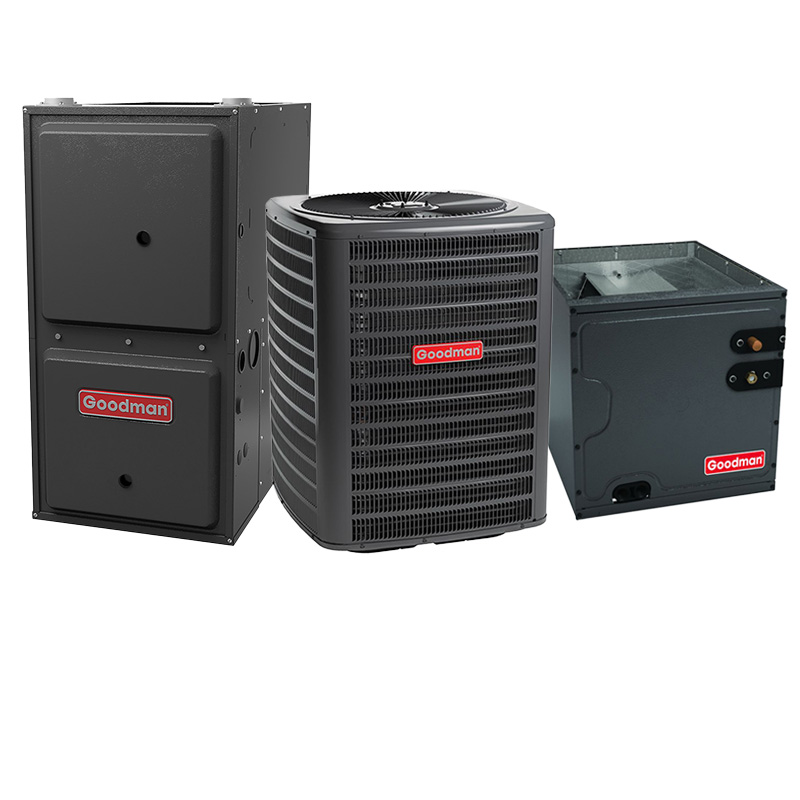
Goodman Furnace AC Combo – 2 Ton 14 SEER2 AC With 60000 BTU 97% AFUE Modulating Variable-Speed ECM Gas Furnace System – Downflow | R32
View on AC Direct see your lowest price →Check current price on AC Direct →
Key features
- 97% AFUE modulating gas furnace minimizes fuel waste across varying heating loads
- Variable-speed ECM blower motor reduces electricity use and lowers operating noise
- 14 SEER2 cooling efficiency meets current federal minimums for most U.S. climate zones
- Downflow cabinet configuration designed for overhead or closet installations with underfloor ductwork
- R-32 refrigerant with lower global warming potential than R-410A
- 2-ton cooling capacity suited to smaller conditioned spaces, roughly 800 to 1,200 sq ft
About this system
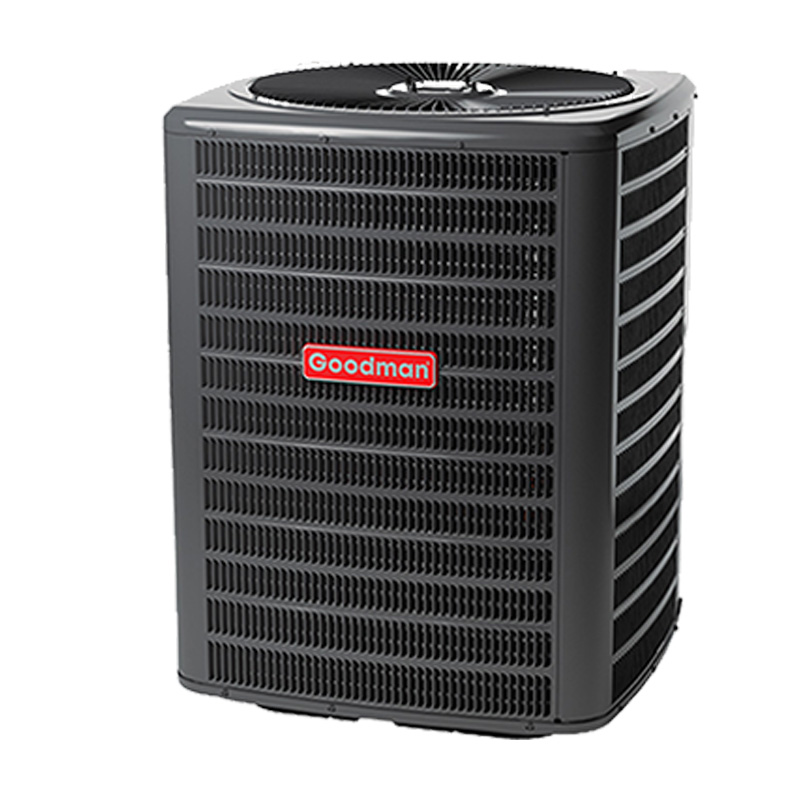
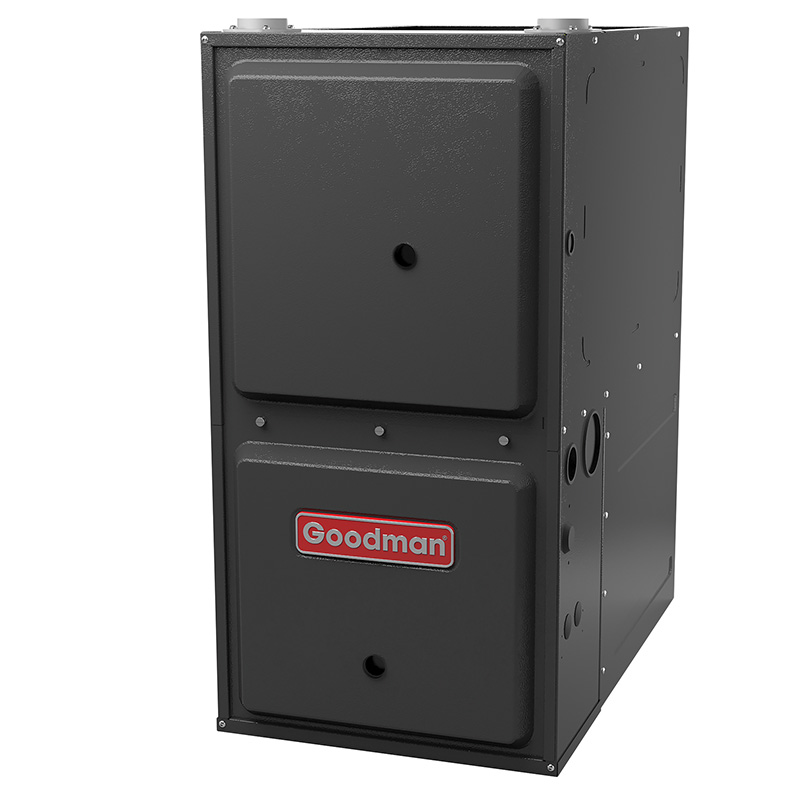
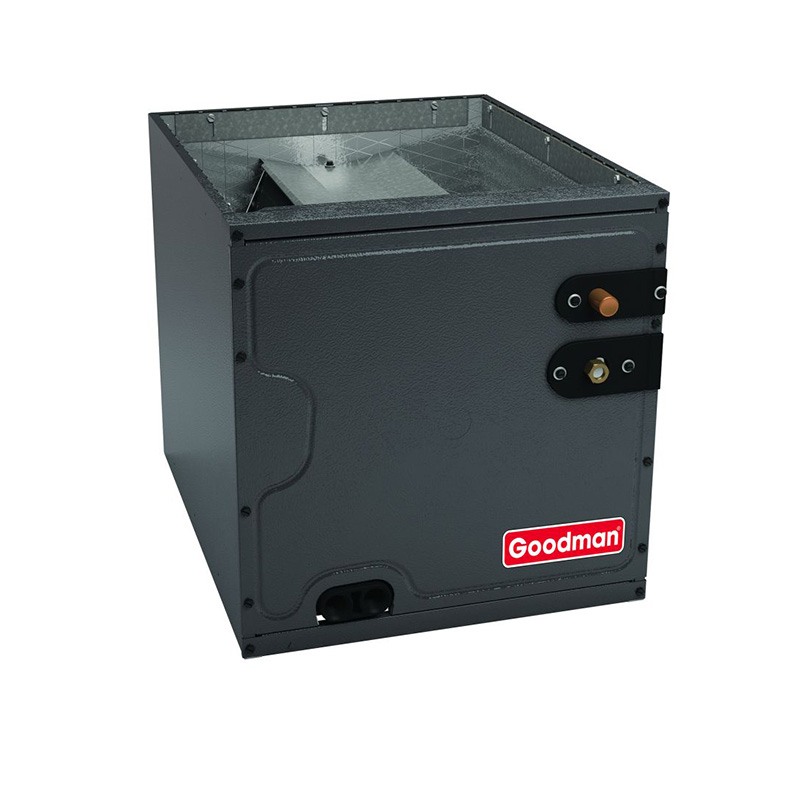
This Goodman combo pairs a 2-ton, 14 SEER2 central air conditioner with a 60,000 BTU, 97% AFUE modulating gas furnace in a downflow configuration, using R-32 refrigerant. The setup is aimed at smaller homes, roughly 800 to 1,200 square feet depending on climate and insulation, where heating loads are moderate and cooling demand is not extreme. The downflow orientation means supply air exits through the bottom of the furnace cabinet, which suits installations in upper floors, closets, or platforms where ductwork runs beneath the unit.
The furnace side is where this system earns its keep. A 97% AFUE modulating burner is near the top of what residential gas furnaces can achieve, converting nearly all fuel to usable heat and adjusting output in small increments rather than just switching fully on or off. The variable-speed ECM blower motor supports that modulation by running at lower, quieter speeds during mild conditions and ramping up only when needed, which also lowers electricity consumption during the long shoulder seasons. On the cooling side, 14 SEER2 is the current federal minimum for most northern U.S. regions and sits just above the floor for southern ones, so it is efficient enough to meet code but is not a standout performer if electricity rates are high in your area. R-32 refrigerant has a lower global warming potential than the R-410A it replaces, and it is becoming the industry standard going forward.
This combo delivers a genuinely high-performing furnace at a price point well below premium brands, and the 97% AFUE modulating setup is a real, tangible upgrade over standard <a href="https://hvac.best/glossary/two-stage/">two-stage</a> units. The cooling side is functional but baseline, and long-term ownership costs depend heavily on install quality and whether you hit Goodman's documented weak points around capacitors and evaporator coils after the first several years.
Overall score is the average of the five ratings above.
What we like
- 97% AFUE modulating furnace is top-tier heating efficiency for the price
- Variable-speed ECM blower supports quieter, more consistent airflow and lower blower energy costs
- Priced 15 to 25 percent below comparable Trane, Lennox, and Carrier systems
- R-32 refrigerant is future-ready and easier to source as R-410A phases out
- Downflow design gives installers flexibility in tight or overhead mechanical spaces
Trade-offs
- 14 SEER2 is minimum-code cooling efficiency; not ideal where summer electricity costs are high
- Dual-run capacitors are the most frequently reported failure point, typically needing replacement between years 5 and 10
- Compressor lifespan averages 10 to 14 years versus 15 to 20 years for premium brands, raising long-term replacement risk
- Evaporator coil leaks appear in a meaningful share of owner reports, and a minority of buyers report refrigerant issues within the first year, often tied to install quality
What homeowners and pros say about Goodman
Homeowners who post about Goodman equipment tend to split along a familiar line: those who paid a qualified installer, followed the maintenance schedule, and replaced a capacitor or two along the way generally report satisfactory 10-plus-year runs. Those who went with the lowest-bid contractor or skipped annual tune-ups are disproportionately represented in the complaint channels. Goodman’s ConsumerAffairs score sits at roughly 2.5 out of 5, and while that platform skews toward unhappy owners, the recurring thread is repair costs that climb after year seven, particularly around compressors and coils. Google dealer reviews tell a somewhat different story, averaging around 3.8 out of 5 across hundreds of location-level reviews, where affordability is the most frequently praised attribute.
Among HVAC technicians, the dual-run capacitor is the most commonly cited failure point on Goodman condensing units. It is a well-known, inexpensive fix in the 300 to 600 dollar range, but it does show up more often than on premium brands. Evaporator coil leaks are a secondary concern that appears in a meaningful share of long-term owner reports, and compressor longevity averaging 10 to 14 years falls short of the 15 to 20 years technicians associate with Trane, Carrier, and Lennox. For this specific system, the 97% AFUE modulating furnace is where Goodman closes the quality gap most convincingly. The furnace technology is genuinely competitive, and the lower purchase price relative to premium brands can offset one or two capacitor replacements over a decade. The trade-off is accepting a shorter expected compressor life and a brand whose reputation depends on who puts it in.
Sources: ConsumerAffairs Goodman owner reviews, AHRI Directory of Certified Product Performance, U.S. DOE appliance and equipment efficiency standards, Goodman product specification sheets.
What it costs to run
At 14 SEER2, cooling this 2-ton system for a typical 1200-hour cooling season at the U.S. average electricity rate of $0.17/kWh works out to roughly $350 per year in cooling, about $15 less per year than a minimum-efficiency 13.4 SEER2 unit of the same size. Your real cost depends on your climate and local rate.
Method: (24,000 BTU/hr ÷ 14 SEER2) × 1200 hours ÷ 1000 × $0.17/kWh. Rate source: U.S. EIA average; cooling hours: moderate-climate estimate.
How it compares
| Brand | Comparable model | SEER2 | Stage | Price position |
|---|---|---|---|---|
| Goodman | GMVC960603BN + GSXH502410 | 14 | Modulating / Variable-speed | Value pick |
| Carrier | Performance 96 (59TP6) + 24ACC636A003 | 14-15 | Two-stage / Variable-speed | 15 to 25 percent above this system |
| Trane | S9V2 + XR14c | 14 | Modulating / Variable-speed | 20 to 30 percent above this system |
| Lennox | SLP98V + 14ACX | 14-15 | Modulating / Variable-speed | 25 to 35 percent above this system |
Competitor rows are comparable single-stage units at similar efficiency; price is relative position, not a quote.
Questions about this system
Is 14 SEER2 going to meet code in my state, and is it worth upgrading to a higher SEER2 unit?
14 SEER2 meets current federal minimums for most northern U.S. climate zones and just clears the bar for some southern ones. If you live in a high-cooling-demand climate like the Southeast or Southwest, or if your electricity rates are above average, stepping up to a 16 or 17 SEER2 unit will typically pay back the price difference over time through lower summer bills.
What does the modulating furnace actually do differently from a standard two-stage unit?
A modulating furnace adjusts its burner output in small steps, sometimes as fine as one percent increments, rather than running at just high and low. Combined with the variable-speed ECM blower, it maintains more consistent temperatures, reduces on-off cycling, and runs more quietly during mild weather. The practical result is fewer cold spots and lower gas bills compared to single-stage or basic two-stage furnaces.
How important is installer choice with a Goodman system specifically?
Very important. Technicians consistently identify install quality as the single largest factor in how long a Goodman system lasts and whether early refrigerant issues appear. A minority of owners report refrigerant leaks within the first year, which is almost always an installation or charging problem rather than a factory defect. Getting at least three bids and verifying that the installer pulls permits and performs a proper startup check is not optional with this brand.
What are the most likely repair costs I should budget for over the first 10 years?
The most commonly reported failure is the dual-run capacitor, which typically costs between 300 and 600 dollars to diagnose and replace, including labor. Evaporator coil leaks are a secondary concern and more expensive to address. Setting aside a small annual maintenance fund and getting a service contract that covers diagnostics and common parts is a reasonable approach with this brand.
Why does this system use R-32 instead of R-410A, and does that affect servicing?
R-32 is being adopted industry-wide as R-410A is phased out under updated EPA and international regulations because it has a significantly lower global warming potential. R-32 requires technicians to use equipment rated for it and to handle it carefully since it is mildly flammable, but most shops are already transitioning their tools. Availability and pricing for R-32 should improve as adoption widens, making it a reasonable long-term refrigerant choice.
Specifications
| Cooling capacity | 2 Ton |
| Efficiency | 14 SEER2 |
| Furnace output | 60000 BTU |
| Furnace efficiency | 97% AFUE |
| Configuration | Downflow |
| Refrigerant | R-32 |