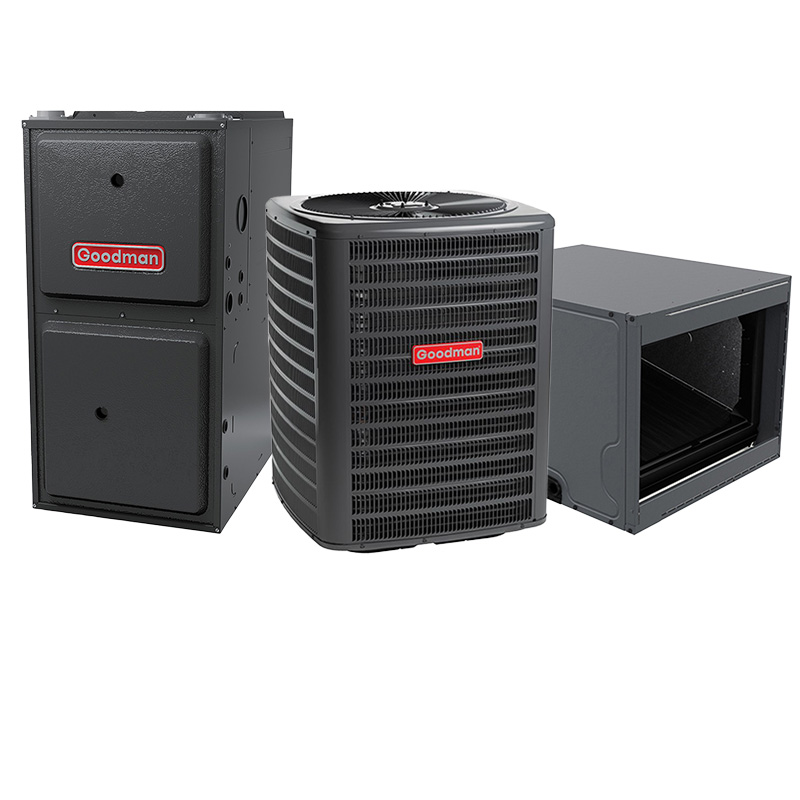
Goodman Furnace AC Combo – 3 Ton 15.2 SEER2 AC With 80000 BTU 97% AFUE Modulating Variable-Speed ECM Gas Furnace System – Horizontal | R32
View on AC Direct see your lowest price →Check current price on AC Direct →
Key features
- 3-ton, 15.2 SEER2 cooling with R-32 refrigerant
- 97% AFUE modulating gas furnace for near-maximum heating efficiency
- Variable-speed ECM blower motor reduces electricity use and improves comfort
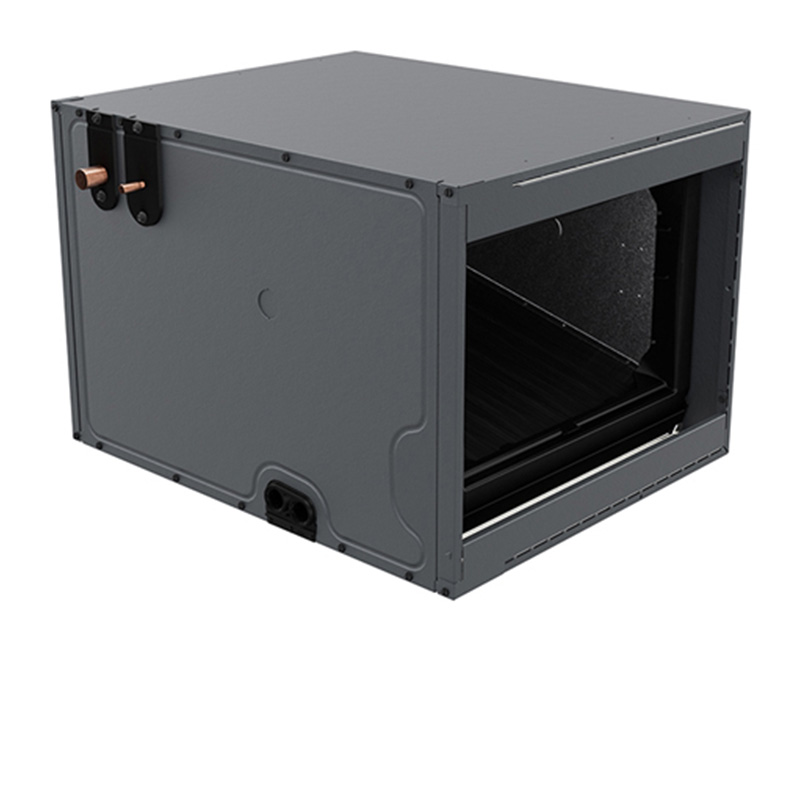
- Horizontal cabinet configuration for attic and crawlspace installs
- Modulating burner adjusts output in fine increments, minimizing temperature swings
- R-32 refrigerant for lower environmental impact and long-term serviceability
About this system
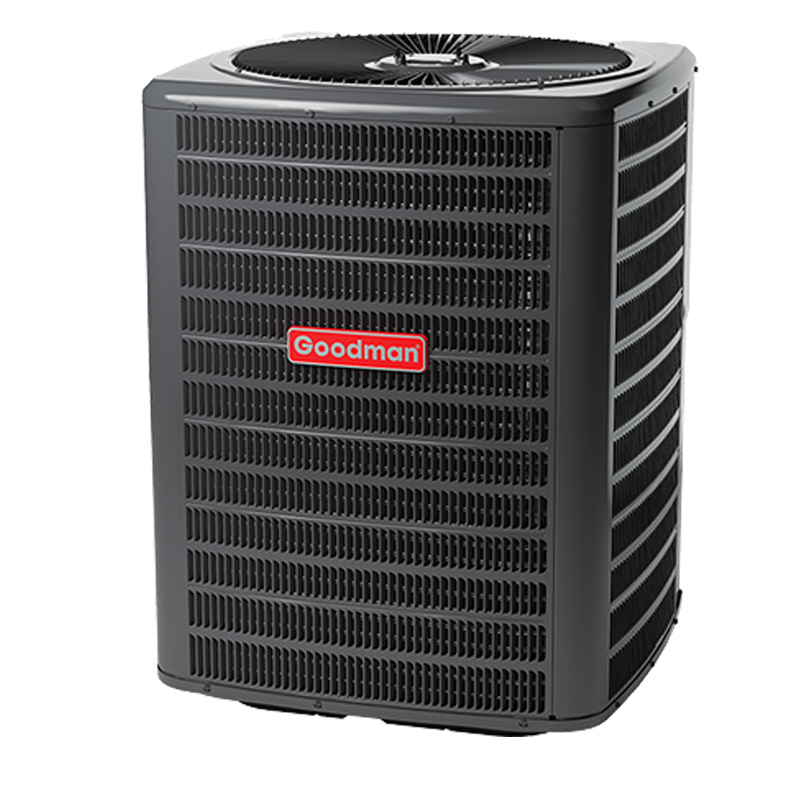
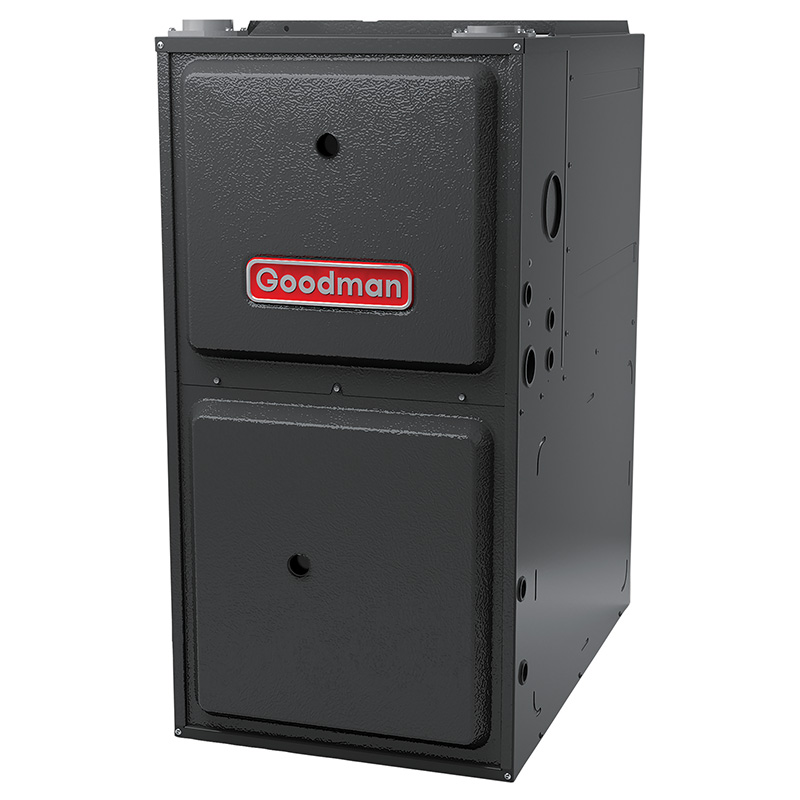
The Goodman GLXS4BA3610 pairs a 3-ton, 15.2 SEER2 air conditioner with an 80,000 BTU, 97% AFUE modulating gas furnace in a horizontal configuration, making it a practical choice for homes where attic or crawlspace installations are required and vertical cabinet space is unavailable. The R-32 refrigerant charge is a forward-looking detail: R-32 has a lower global warming potential than R-410A and is becoming the industry standard, so parts and service options should remain available well into the future.
The 97% AFUE modulating furnace is the standout spec here. A modulating burner adjusts heat output in small increments rather than cycling fully on or off, which smooths out temperature swings, reduces cold spots, and lowers gas consumption compared to single-stage or two-stage units. The variable-speed ECM blower motor complements that by running at lower speeds most of the time, cutting electricity use and improving air filtration contact time. Together, these two components place this system in the upper tier of residential heating efficiency. The 15.2 SEER2 cooling rating is solid for a value-brand system but sits closer to the entry point for this efficiency class rather than at the top of it.
Horizontal-only configurations add an important caveat: installation in attics or tight crawlspaces is more physically demanding and time-consuming than a standard upflow basement install, and any future service calls become more involved. That complexity makes installer competence even more critical than usual with Goodman equipment, where setup quality is widely acknowledged as the primary driver of long-term performance.
This system delivers genuinely high heating efficiency through its modulating furnace and ECM blower at a price point that undercuts comparable Carrier, Trane, and Lennox configurations by a meaningful margin. The trade-off is that Goodman's documented reliability picture — compressors averaging 10 to 14 years versus 15 to 20 for premium brands, and a real history of capacitor failures and coil leaks — means buyers should factor in higher odds of a repair bill in the second decade of ownership. For budget-conscious homeowners who are comfortable with that risk and can secure a skilled installer, it represents solid functional value.
Overall score is the average of the five ratings above.
What we like
- 97% AFUE modulating furnace is at the top of residential heating efficiency
- Variable-speed ECM blower reduces operating electricity costs and improves airflow consistency
- R-32 refrigerant is the emerging industry standard, supporting long-term parts availability
- Priced 15 to 25 percent below comparable Trane, Lennox, and Carrier systems
- Modulating operation significantly reduces temperature swings and cycling noise
Trade-offs
- Compressor lifespan averages 10 to 14 years, shorter than the 15 to 20 years typical of premium brands
- Dual-run capacitor failures are the most commonly reported issue, often appearing after year 7
- Horizontal-only configuration increases installation complexity and raises future service costs
- A minority of owners report refrigerant leaks within the first year, typically tied to install or initial charge quality
What homeowners and pros say about Goodman
Homeowners who post about Goodman equipment tend to land in two camps. Those who had a smooth installation and no early issues point to the lower purchase price and the brand’s wide service network as real advantages, and that sentiment shows up in Google dealer review averages that sit around 3.8 out of 5. The complaints surface most often on review platforms like ConsumerAffairs, where Goodman holds roughly 2.5 out of 5, and the recurring theme there is repair costs that climb after approximately year 7, often starting with a dual-run capacitor failure in the 300 to 600 dollar range. Capacitor replacement is one of the more straightforward HVAC repairs, but owners who expected the system to run trouble-free for fifteen or more years express frustration when secondary issues follow.
HVAC technicians who work on Goodman equipment regularly tend to describe it as serviceable hardware whose longevity is disproportionately shaped by how well it was installed and commissioned. Documented failure patterns for the brand include evaporator coil leaks reported by a meaningful share of owners, compressors that average 10 to 14 years rather than the 15 to 20 years more common with premium brands, and a minority of first-year refrigerant leaks that most pros attribute to installation or initial charge issues rather than a factory defect. For a system like this one, where the horizontal configuration already makes the install more demanding, those assessments reinforce the case for investing in an experienced contractor rather than defaulting to the lowest bid.
Sources: ConsumerAffairs Goodman owner reviews, AHRI Directory of Certified Product Performance, U.S. DOE appliance and equipment efficiency standards, Goodman product specification sheets.
What it costs to run
At 15.2 SEER2, cooling this 3-ton system for a typical 1200-hour cooling season at the U.S. average electricity rate of $0.17/kWh works out to roughly $483 per year in cooling, about $65 less per year than a minimum-efficiency 13.4 SEER2 unit of the same size. Your real cost depends on your climate and local rate.
Method: (36,000 BTU/hr ÷ 15.2 SEER2) × 1200 hours ÷ 1000 × $0.17/kWh. Rate source: U.S. EIA average; cooling hours: moderate-climate estimate.
How it compares
| Brand | Comparable model | SEER2 | Stage | Price position |
|---|---|---|---|---|
| Goodman | GLXS4BA3610 (this system) | 15.2 | Variable/Modulating | Value pick |
| Carrier | Performance 17 / 59MN7 modulating furnace bundle | 17.0 | Variable | Approximately 20 to 25 percent more than this system |
| Trane | XR15 / S9V2 variable-speed furnace bundle | 15.2 | Two-stage cooling, modulating heat | Approximately 20 percent more than this system |
| Lennox | Merit ML14XC1 / SLP98V modulating furnace bundle | 15.0 | Single-stage cooling, modulating heat | Approximately 15 to 20 percent more than this system |
Competitor rows are comparable single-stage units at similar efficiency; price is relative position, not a quote.
Questions about this system
Why is this system listed as horizontal only, and can it be converted to upflow?
The horizontal configuration means the cabinet and drain pan are designed specifically for units lying on their side in attics or crawlspaces. These cabinets are not field-convertible to upflow without replacing the coil cabinet entirely, so this system is the right choice only if your application genuinely requires horizontal mounting.
What does a modulating furnace actually do differently from a two-stage furnace?
A two-stage furnace switches between a low fire and a high fire setting, while a modulating furnace adjusts output across a wide range of small increments to closely match the home's actual heat load at any given moment. In practice this means fewer temperature swings, quieter operation at most conditions, and lower gas consumption during mild weather.
Is R-32 refrigerant harder to service than R-410A?
R-32 requires technicians to use slightly different handling procedures and compatible equipment because it is mildly flammable, though the risk in a properly installed residential system is low. Most HVAC contractors are already trained and equipped for R-32, and its growing adoption means parts and refrigerant availability should be better over time, not worse.
What is the real-world warranty situation for Goodman, and what should I register?
Goodman typically offers a 10-year parts warranty when the system is registered within 60 days of installation; without registration it often drops to a shorter base period, so registering promptly is important. Note that the warranty covers parts only, not labor, so a repair after year 7 can still result in a significant out-of-pocket labor bill even with a valid parts claim.
How worried should I be about evaporator coil leaks with this unit?
Evaporator coil leaks appear in a meaningful share of Goodman owner reviews and are one of the documented recurring failure modes for the brand. Some early leaks trace back to installation issues such as improper brazing or refrigerant charge rather than coil defects, which is another reason why hiring an experienced installer and verifying the initial charge carefully matters with this equipment.
Specifications
| Cooling capacity | 3 Ton |
| Efficiency | 15.2 SEER2 |
| Furnace output | 80000 BTU |
| Furnace efficiency | 97% AFUE |
| Configuration | Horizontal |
| Refrigerant | R-32 |
| Model | GLXS4BA3610 |