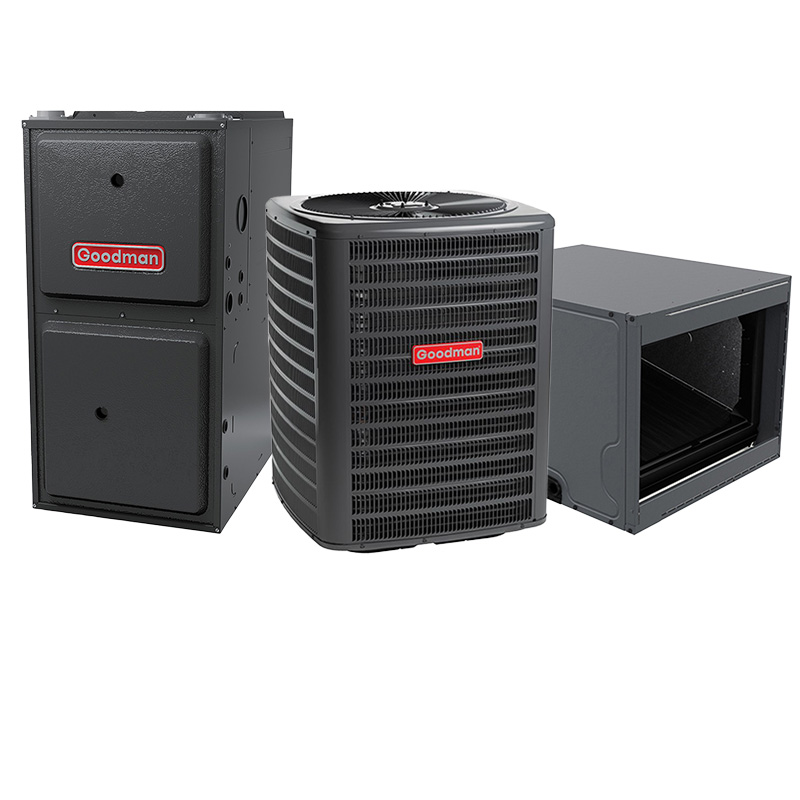
Goodman Furnace AC Combo – 3 Ton 15.2 SEER2 AC With 100000 BTU 97% AFUE Modulating Variable-Speed ECM Gas Furnace System – Horizontal | R32
View on AC Direct see your lowest price →Check current price on AC Direct →
Key features
- 3-ton, 15.2 SEER2 cooling with R-32 refrigerant
- 100,000 BTU modulating gas furnace, 97% AFUE
- Variable-speed ECM blower motor for quiet, efficient airflow
- Horizontal installation configuration only
- Compatible with Goodman's ComfortBridge communicating controls
- Designed for whole-home ducted split-system installation
About this system
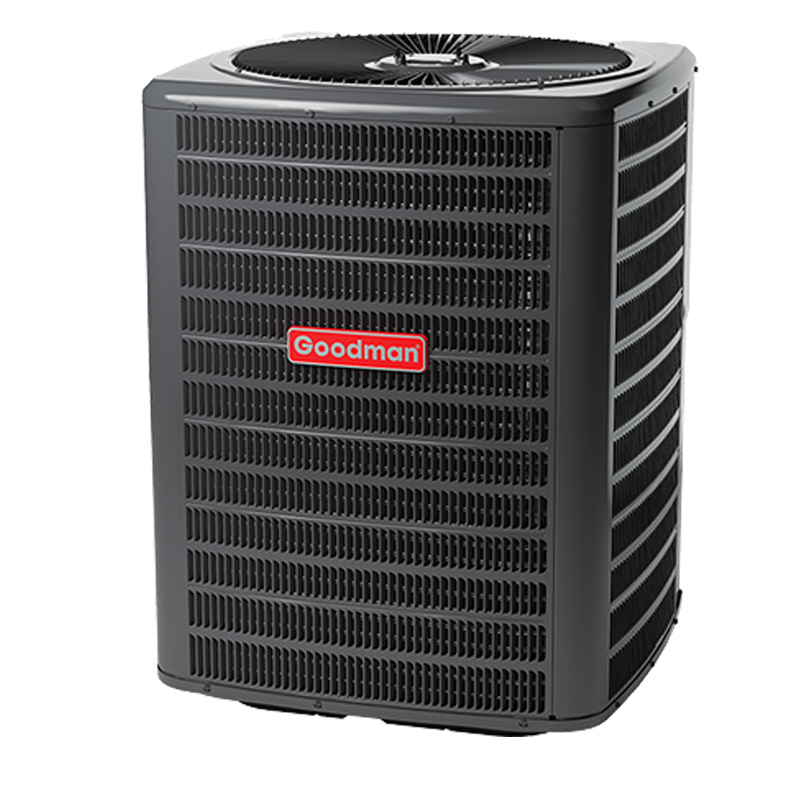
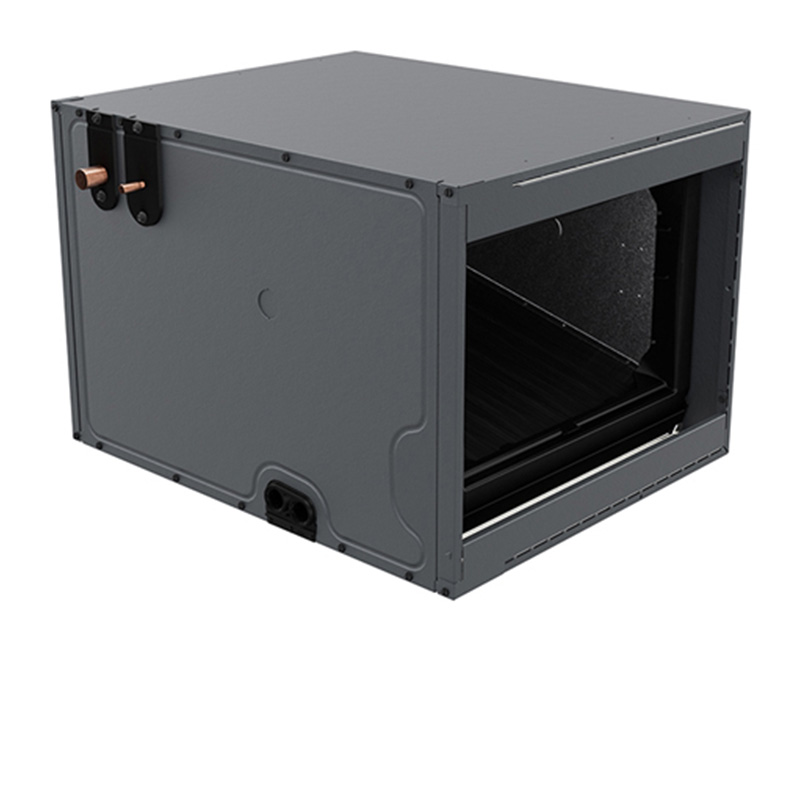
The Goodman GLXS4BA3610 pairs a 3-ton, 15.2 SEER2 air conditioner with a 100,000 BTU, 97% AFUE modulating gas furnace in a horizontal configuration, making it a strong candidate for homes where equipment sits in a crawlspace, attic, or utility closet with side-discharge ductwork. The R-32 refrigerant charge is a forward-looking choice: R-32 has a lower global warming potential than R-410A and is increasingly standard as the industry moves away from older refrigerants. At 15.2 SEER2, this system clears the federal minimum for most U.S. regions but sits at the entry point of mid-efficiency territory rather than the top of it.
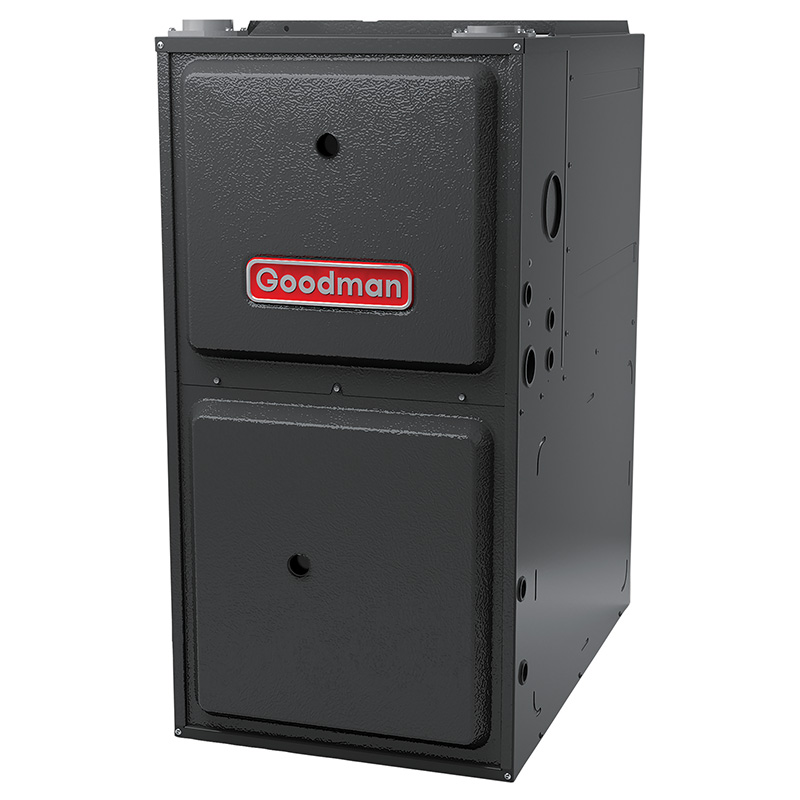
The furnace side is where this package earns serious consideration. A 97% AFUE modulating burner with a variable-speed ECM blower is genuinely premium-tier furnace technology, typically found in systems costing considerably more. Modulating means the burner adjusts output in small increments to match the actual heat load, which improves comfort, reduces temperature swings, and cuts fuel use compared to single- or two-stage units. The ECM motor also runs at lower speeds for longer cycles, which improves air filtration and humidity control. The horizontal-only configuration is a real restriction, however: if your installation requires an upflow or downflow orientation, this specific model is not compatible and a different unit must be selected.
This combo delivers genuinely high-end furnace technology at a value brand price, which is a real advantage for budget-conscious buyers who prioritize heating efficiency and comfort. The 15.2 SEER2 cooling rating is adequate but not outstanding, and long-term ownership costs will depend heavily on installer quality and whether Goodman's known weak points, particularly capacitors and evaporator coils, surface in your unit. It is a solid value pick for the right home and the right installer, not a worry-free premium system.
Overall score is the average of the five ratings above.
What we like
- 97% AFUE modulating furnace is top-tier efficiency for a value-brand price
- Variable-speed ECM blower improves comfort, humidity control, and quiet operation
- R-32 refrigerant is more environmentally responsible than R-410A
- Priced roughly 15 to 25 percent below comparable Trane, Lennox, and Carrier systems
- Modulating burner reduces temperature swings and long-run fuel costs
Trade-offs
- Horizontal-only configuration limits installation flexibility significantly
- 15.2 SEER2 cooling efficiency is mid-range, not a standout for cooling-heavy climates
- Compressor lifespan averages 10 to 14 years versus 15 to 20 for premium brands
- Documented owner reports of dual-run capacitor failures, evaporator coil leaks, and early refrigerant loss tied to install quality
What homeowners and pros say about Goodman
Owners who praise this type of Goodman system most often point to the upfront price and, when the furnace is the focus, to noticeably lower gas bills and quieter operation compared to their older equipment. The 97% AFUE modulating furnace draws consistent positive attention from homeowners who have lived with single-stage furnaces for years and immediately notice the temperature consistency a modulating unit delivers. On Google dealer reviews, Goodman consistently scores around 3.8 out of 5, with affordability cited as the standout reason buyers chose it over competing brands. That score reflects a real but moderate level of satisfaction rather than enthusiasm, and experienced HVAC installers tend to frame Goodman the same way: a capable system at a fair price, one that rewards a careful installation and punishes a careless one.
The rougher side of the picture shows up on ConsumerAffairs, where Goodman sits at roughly 2.5 out of 5, a platform that skews toward frustrated owners rather than satisfied ones, but where the recurring themes are worth taking seriously. Repair costs climbing after year seven, dual-run capacitor failures requiring service calls in the 300 to 600 dollar range, and evaporator coil leaks appear with enough regularity that buyers should treat them as real probabilities rather than edge cases. The compressor lifespan, averaging 10 to 14 years compared to 15 to 20 years for Trane, Carrier, or Lennox compressors, is the clearest long-term trade-off against the lower purchase price. For a homeowner on a tight budget with a skilled installer lined up, this system represents a reasonable bet. For someone who wants to minimize the chance of an expensive repair call in year eight or ten, the premium brands earn their higher price tag.
Sources: ConsumerAffairs Goodman owner reviews, AHRI Directory of Certified Product Performance, U.S. DOE appliance and equipment efficiency standards, Goodman product specification sheets.
What it costs to run
At 15.2 SEER2, cooling this 3-ton system for a typical 1200-hour cooling season at the U.S. average electricity rate of $0.17/kWh works out to roughly $483 per year in cooling, about $65 less per year than a minimum-efficiency 13.4 SEER2 unit of the same size. Your real cost depends on your climate and local rate.
Method: (36,000 BTU/hr ÷ 15.2 SEER2) × 1200 hours ÷ 1000 × $0.17/kWh. Rate source: U.S. EIA average; cooling hours: moderate-climate estimate.
How it compares
| Brand | Comparable model | SEER2 | Stage | Price position |
|---|---|---|---|---|
| Goodman | GLXS4BA3610 (this system) | 15.2 | Variable (modulating furnace, single-stage AC) | Value pick |
| Carrier | Performance 16 (24ACC636) with 59MN7 Infinity modulating furnace | 16 | Variable (modulating furnace, single-stage AC) | Roughly 20 to 25 percent more than this Goodman system |
| Trane | XR15 (4TTR5036) with S9V2 modulating furnace | 15.2 | Variable (modulating furnace, single-stage AC) | Roughly 20 to 30 percent more than this Goodman system |
| Lennox | Merit ML15 (ML15XC1-036) with SLP98V variable-capacity furnace | 15.5 | Variable (modulating furnace, single-stage AC) | Roughly 25 to 35 percent more than this Goodman system |
Competitor rows are comparable single-stage units at similar efficiency; price is relative position, not a quote.
Questions about this system
Can this system be installed in an upflow or downflow position, or is horizontal truly the only option?
Horizontal is the only approved orientation for the GLXS4BA3610. Installing it in any other position voids the warranty and creates safety and performance risks. If your utility closet, basement, or mechanical room requires upflow or downflow, you need a different Goodman model.
Is R-32 refrigerant harder to find or more expensive to service than R-410A?
R-32 is becoming more widely available as manufacturers shift away from R-410A, but it is still less common than R-410A in most U.S. markets right now. It is mildly flammable (A2L classification), so technicians need specific training and equipment to service it safely. Ask your HVAC contractor before purchase whether they are already R-32 certified.
What does 'modulating' actually mean for day-to-day comfort compared to a two-stage furnace?
A modulating furnace adjusts its heat output in fine increments, often between roughly 40 and 100 percent capacity, so it runs longer at lower output to maintain a steady temperature rather than blasting on and off. Most owners notice fewer hot and cold swings, more even room-to-room temperatures, and quieter operation. It is a meaningful upgrade over two-stage in comfort terms, especially in well-insulated homes.
What are the most likely repair costs I should budget for after the warranty period?
Dual-run capacitor failure is the most commonly reported issue with Goodman equipment and typically costs between 300 and 600 dollars to fix, parts and labor. Evaporator coil leaks are the next most frequently cited problem and are more expensive to address. Setting aside a small annual maintenance budget and scheduling yearly tune-ups is the most reliable way to catch both issues early.
How important is installer choice for a Goodman system specifically?
Very important. HVAC technicians consistently cite install quality as the single largest factor in how long a Goodman unit lasts. The documented first-year refrigerant leak reports in owner reviews are almost always traced to improper charging or a poor line-set connection at install, not factory defects. A properly sized, correctly charged, and well-commissioned unit performs substantially better over its lifetime than one that was rushed or installed by a less experienced technician.
Specifications
| Cooling capacity | 3 Ton |
| Efficiency | 15.2 SEER2 |
| Furnace output | 100000 BTU |
| Furnace efficiency | 97% AFUE |
| Configuration | Horizontal |
| Refrigerant | R-32 |
| Model | GLXS4BA3610 |