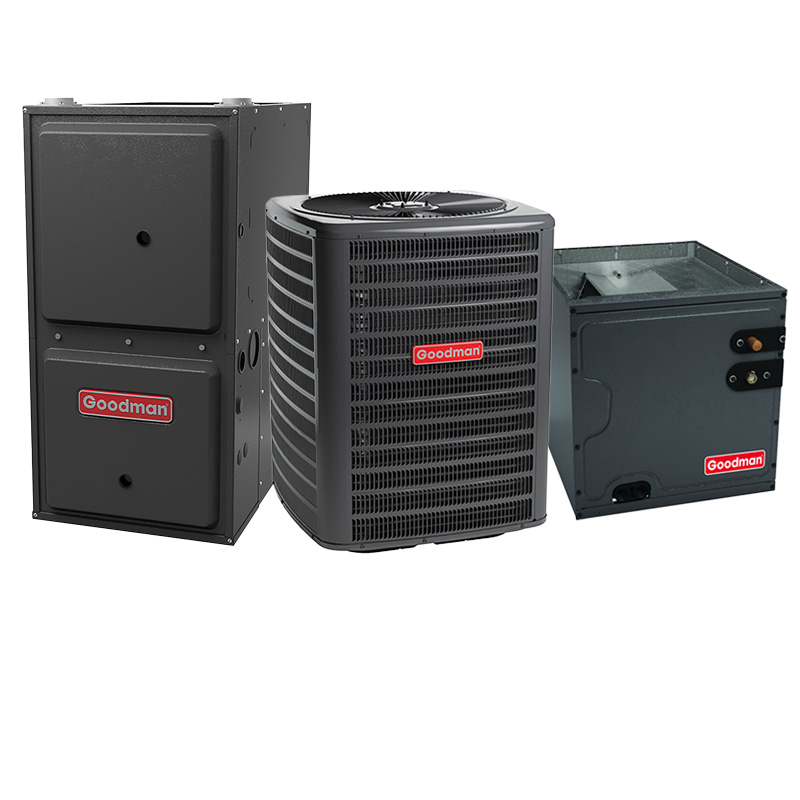
Goodman Furnace AC Combo – 5 Ton 14 SEER2 AC With 100000 BTU 97% AFUE Modulating Variable-Speed ECM Gas Furnace System – Downflow | R32
View on AC Direct see your lowest price →Check current price on AC Direct →
Key features
- 97% AFUE modulating gas furnace for near-maximum heating efficiency
- Variable-speed ECM blower motor for quieter operation and better humidity control
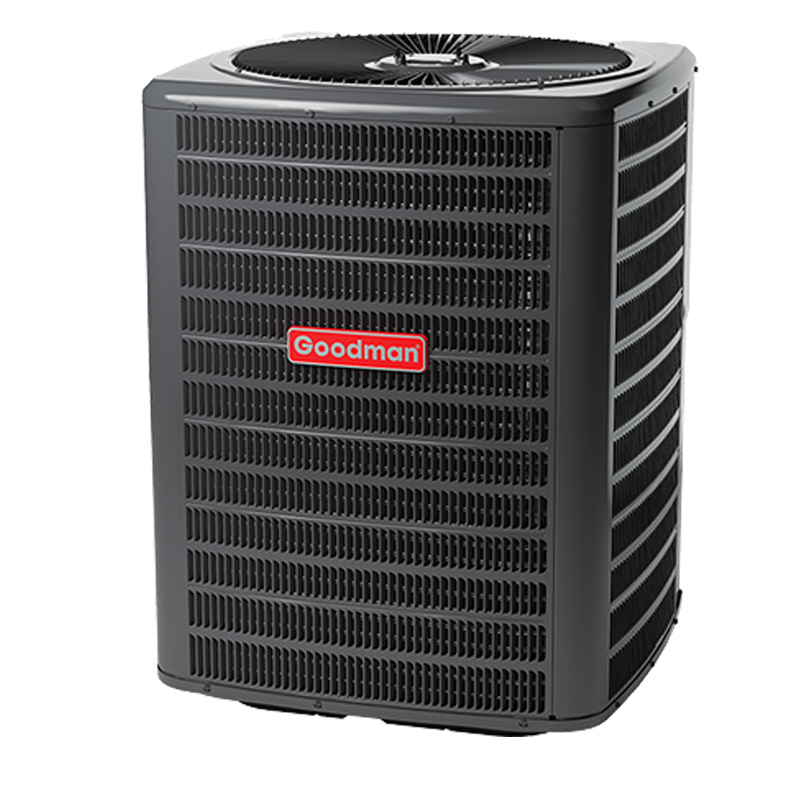
- 5-ton, 14 SEER2 cooling capacity suited to larger homes
- R-32 refrigerant with lower global warming potential than R-410A
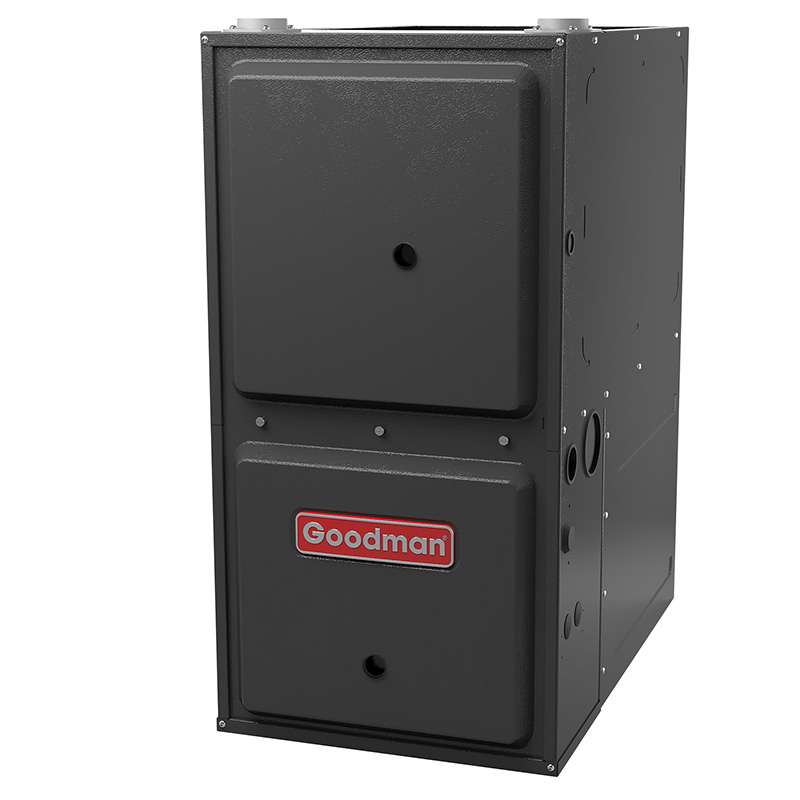
- Downflow configuration designed for basement or crawl-space duct systems
- Modulating burner adjusts heat output to match load, reducing temperature swings
About this system
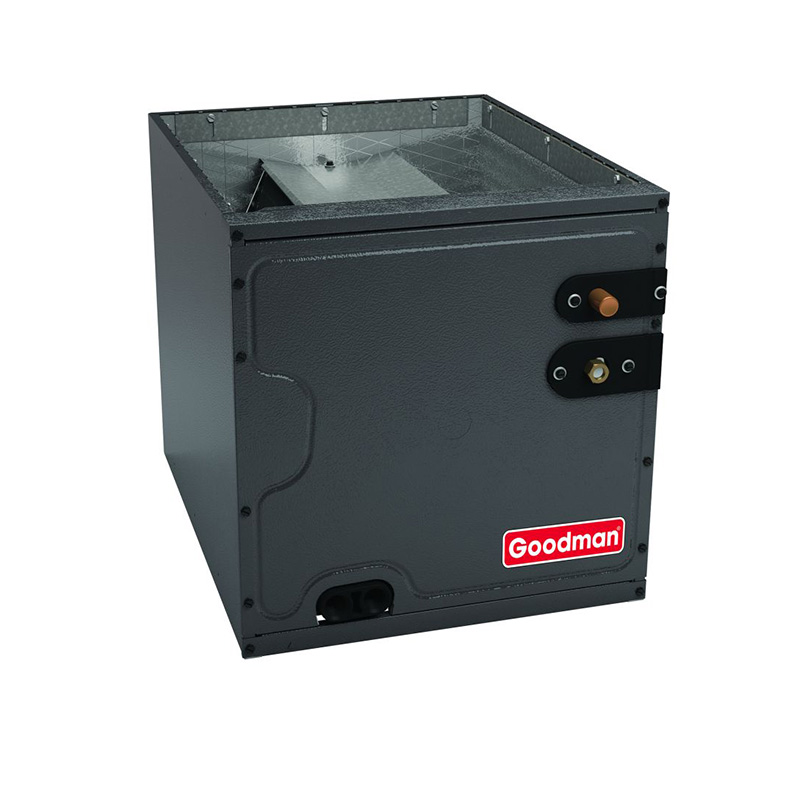
The Goodman GLXS4BA6010 pairs a 5-ton, 14 SEER2 central air conditioner with a 100,000 BTU, 97% AFUE modulating gas furnace in a downflow configuration, making it a strong candidate for homes in the 2,500 to 3,500 square foot range that have ductwork running beneath the living space, such as in crawl-space or basement installations. The R-32 refrigerant charge is a forward-looking choice: R-32 has a lower global warming potential than the R-410A it replaces and is becoming the industry standard, so future service and recharge costs should remain reasonable as adoption widens.
The furnace side of this system is where the specs genuinely impress at this price tier. A 97% AFUE rating means nearly all combustion energy reaches conditioned air, and the modulating burner paired with a variable-speed ECM blower motor allows the system to run at partial capacity for long stretches rather than cycling on and off abruptly. That steady, lower-output operation improves humidity control, reduces temperature swings room to room, and keeps operating noise lower than single- or two-stage alternatives. The air conditioner side, at 14 SEER2, clears the federal minimum efficiency threshold for most northern climate zones and sits one tier above the baseline for the South and Southwest, so it is competent but not a high-efficiency standout on the cooling side. Buyers who prioritize heating efficiency in a colder climate will find the furnace specs the more compelling half of this package.
This combo delivers an unusually capable furnace at a value-brand price, with the 97% AFUE modulating unit punching well above its cost relative to premium brands. The 14 SEER2 cooling side is adequate rather than exceptional, and the long-term ownership experience will depend heavily on installation quality and a willingness to budget for periodic component repairs after the seven-year mark.
Overall score is the average of the five ratings above.
What we like
- 97% AFUE modulating furnace is a genuine high-efficiency specification at a below-market price
- Variable-speed ECM motor improves comfort and keeps monthly fan energy costs low
- R-32 refrigerant is more environmentally responsible and increasingly available from service technicians
- Priced roughly 15 to 25 percent below comparable Trane, Lennox, and Carrier combos
- Downflow design integrates cleanly into existing basement or crawl-space duct layouts without major rerouting
Trade-offs
- 14 SEER2 cooling efficiency is entry-level; homeowners in hot climates will see higher summer utility bills than with a 16 SEER2-plus unit
- Dual-run capacitors are the most commonly reported failure point and, while low-cost to fix, are a known recurring expense after year seven
- Compressor lifespan averages 10 to 14 years versus 15 to 20 years for premium brands, meaning replacement may arrive sooner
- A minority of early owners report refrigerant leaks in year one, typically tracing back to installation or initial charge quality rather than the equipment itself
What homeowners and pros say about Goodman
Owners and dealers who follow Goodman equipment closely tend to split into two camps, and both have legitimate points. On Google dealer review aggregates, Goodman sits at roughly 3.8 out of 5 stars, with affordability consistently named as the reason buyers chose it and the reason contractors recommend it to cost-conscious customers. The praise is real: for a homeowner replacing aging equipment on a fixed budget, the savings versus a Carrier or Lennox equivalent can cover several years of routine maintenance. The furnace in this particular combo, with its 97% AFUE modulating burner and variable-speed ECM motor, represents specifications that are genuinely uncommon at this price point and that reviewers of high-efficiency Goodman furnaces frequently call out as the system’s strongest selling point.
The harder feedback comes from ConsumerAffairs, where Goodman scores around 2.5 out of 5, driven by owners who encountered repair costs climbing after roughly year seven of ownership. The specific failure modes that appear most often are not random: dual-run capacitors fail with enough frequency that many HVAC technicians who work on Goodman equipment keep spares on their trucks, and evaporator coil leaks show up in a notable share of longer-term owner accounts. Compressor lifespan running 10 to 14 years rather than the 15 to 20 years associated with premium brands is a real consideration for anyone planning to stay in a home for a long time. A small but consistent group of first-year owners also report refrigerant leaks, a pattern that experienced installers attribute more to installation and initial charge quality than to factory defects. The practical takeaway from both bodies of feedback is consistent: Goodman equipment rewards careful installation by a skilled technician and a maintenance routine that catches capacitor and coil issues before they escalate.
Sources: ConsumerAffairs Goodman owner reviews, AHRI Directory of Certified Product Performance, U.S. DOE appliance and equipment efficiency standards, Goodman product specification sheets.
What it costs to run
At 14 SEER2, cooling this 5-ton system for a typical 1200-hour cooling season at the U.S. average electricity rate of $0.17/kWh works out to roughly $874 per year in cooling, about $39 less per year than a minimum-efficiency 13.4 SEER2 unit of the same size. Your real cost depends on your climate and local rate.
Method: (60,000 BTU/hr ÷ 14 SEER2) × 1200 hours ÷ 1000 × $0.17/kWh. Rate source: U.S. EIA average; cooling hours: moderate-climate estimate.
How it compares
| Brand | Comparable model | SEER2 | Stage | Price position |
|---|---|---|---|---|
| Goodman | GLXS4BA6010 (this system) | 14 | Modulating / Variable-speed | Value pick |
| Carrier | Performance 14 / 58MVC modulating furnace bundle | 14 | Variable / Modulating | Approximately 20 to 25 percent more than this system |
| Trane | XR14c / S9V2 variable-speed furnace bundle | 14 | Single-stage AC / Modulating furnace | Approximately 20 to 30 percent more than this system |
| Lennox | Merit 14ACX / ML296V modulating furnace bundle | 14 | Single-stage AC / Modulating furnace | Approximately 25 to 35 percent more than this system |
Competitor rows are comparable single-stage units at similar efficiency; price is relative position, not a quote.
Questions about this system
Is 14 SEER2 efficient enough, or should I pay more for a higher-rated AC unit?
14 SEER2 meets federal minimums and will operate reliably, but homeowners in climates with long, hot summers will notice meaningfully lower electricity bills with a 16 SEER2 or higher system. If your cooling season is short or mild, the efficiency gap shrinks and the savings from this lower price point make more sense.
Why does this system use R-32 refrigerant instead of R-410A?
R-32 has a global warming potential roughly 68 percent lower than R-410A and is being adopted across the industry as regulations on high-GWP refrigerants tighten. It also requires a smaller refrigerant charge by weight to do the same job. Most HVAC technicians are already certified to handle it, so finding service should not be difficult.
What does 'downflow' mean and how do I know if my house needs it?
Downflow means the furnace pulls air in from the top and discharges heated or cooled air downward into ducts running below the unit, typically under a floor or into a crawl space. If your existing ductwork runs beneath the equipment location, downflow is the correct configuration. Installing a downflow unit where an upflow system is needed will require significant duct modifications.
What are the most likely repairs I should budget for over the life of this system?
Dual-run capacitors are the most frequently reported failure on Goodman equipment and typically cost between 300 and 600 dollars to replace, including labor. Evaporator coil leaks appear in a meaningful share of long-term owner reports and are more expensive to address. Compressors on Goodman units tend to average 10 to 14 years, so factoring in a potential compressor replacement before the 15-year mark is realistic financial planning.
What does the modulating furnace actually do differently from a single-stage or two-stage model?
A modulating furnace adjusts its burner output in small increments rather than switching between just one or two fixed firing rates. Combined with the variable-speed ECM blower, it can run at lower capacity for extended periods, which keeps temperatures more even throughout the home, reduces cold-start blasts of air, and maintains better humidity control in winter. The trade-off is more electronic components, which adds some complexity if repairs are ever needed.
Specifications
| Cooling capacity | 5 Ton |
| Efficiency | 14 SEER2 |
| Furnace output | 100000 BTU |
| Furnace efficiency | 97% AFUE |
| Configuration | Downflow |
| Refrigerant | R-32 |
| Model | GLXS4BA6010 |