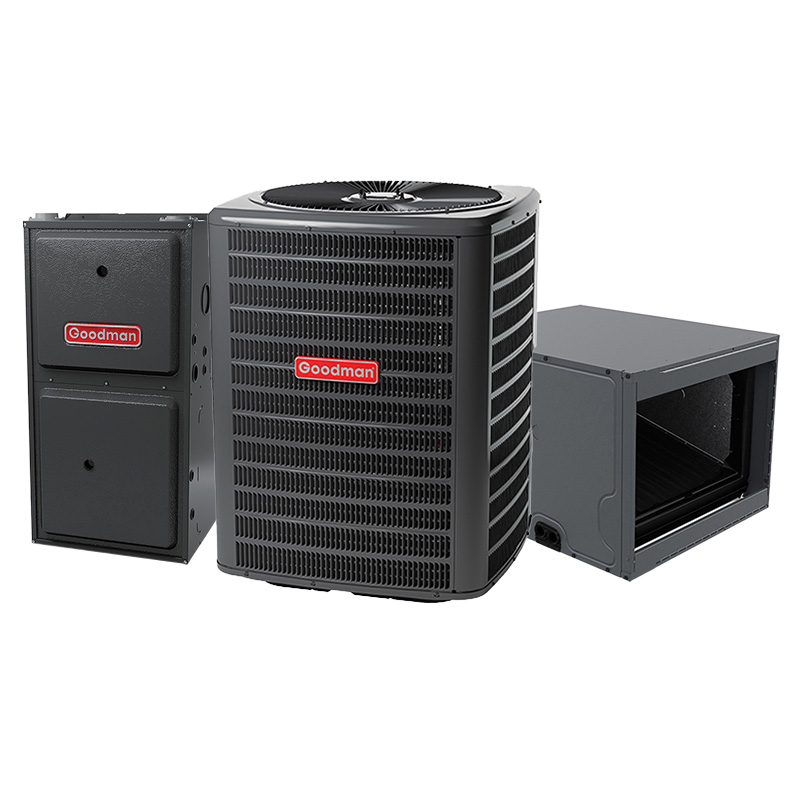
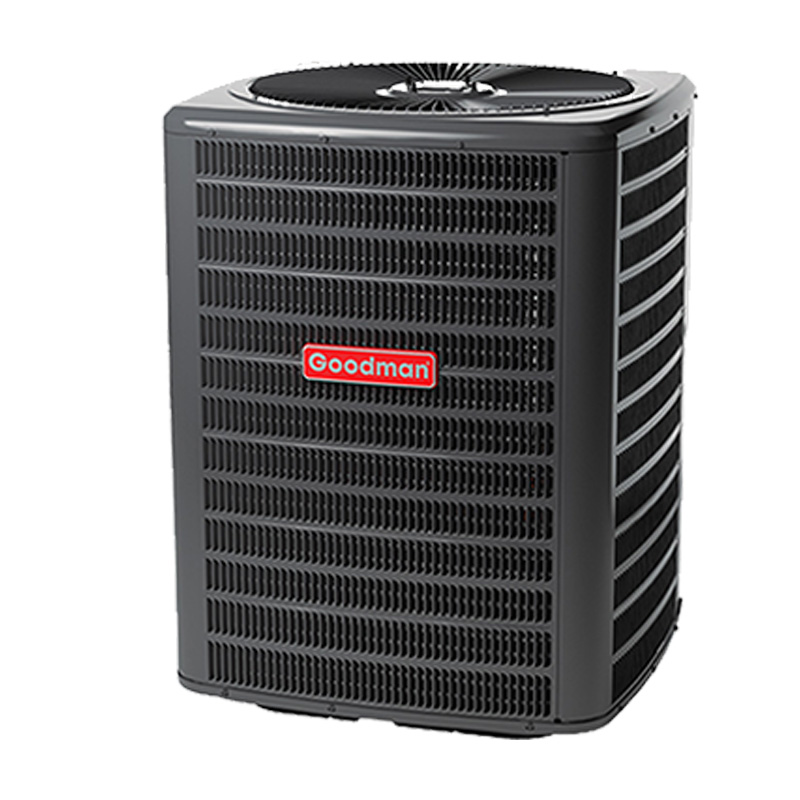
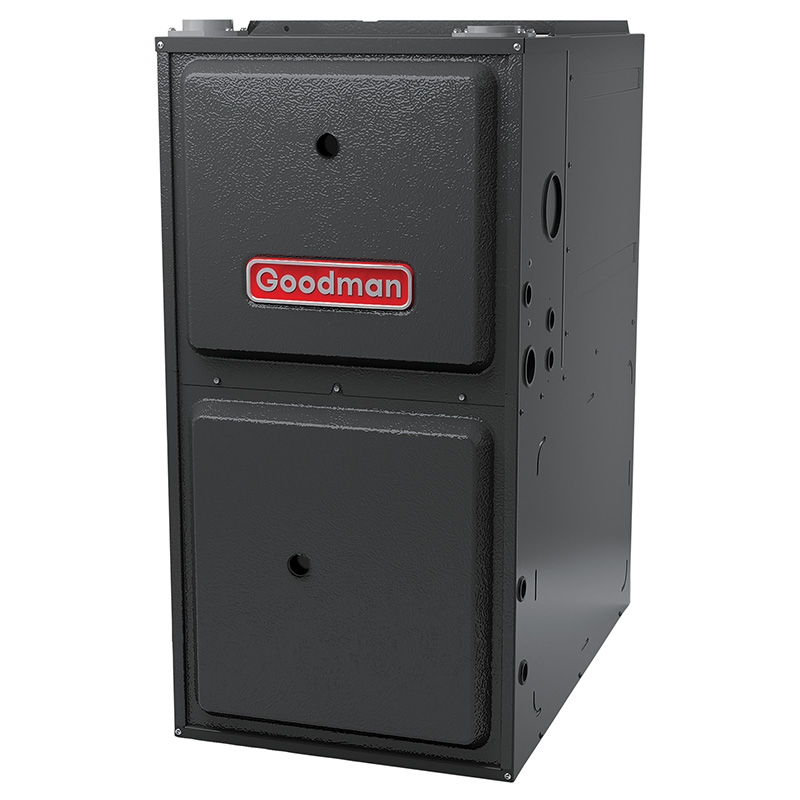
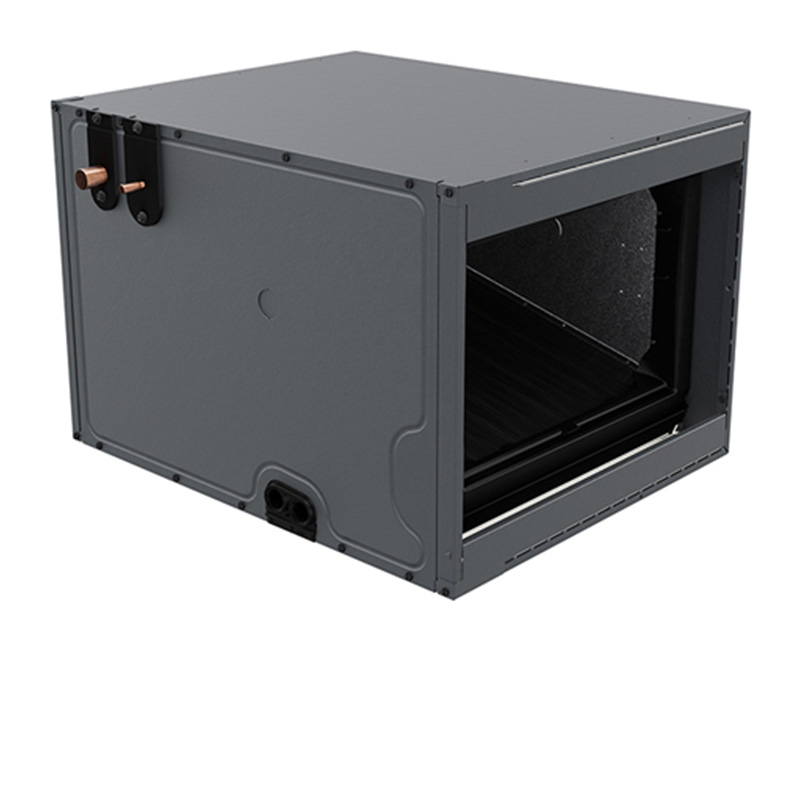
Goodman 1.5 Ton 14 SEER2 AC With 40000 BTU 96% AFUE 2-Stage Variable-Speed ECM Gas Furnace System – Horizontal | R32
View on AC Direct see your lowest price →Check current price on AC Direct →
Key features
- 1.5-ton cooling capacity with 14 SEER2 efficiency rating
- 40,000 BTU two-stage gas furnace at 96% AFUE (condensing, PVC vented)
- Variable-speed ECM blower motor for quieter operation and lower fan energy use
- Horizontal configuration for attic or crawlspace installations
- R-32 refrigerant with lower global warming potential than R-410A
- Two-stage heating reduces short-cycling and improves temperature consistency
About this system
This Goodman 1.5-ton, 14 SEER2 split system pairs a cooling-only condensing unit with a 40,000 BTU, 96% AFUE two-stage, variable-speed ECM gas furnace in a horizontal configuration. The setup is aimed at smaller homes, conditioned additions, or single-zone replacements in the 600 to 900 square foot range, depending on local climate, insulation quality, and ceiling height. The horizontal orientation makes it a strong candidate for attic installs or tight crawlspace applications where a vertical unit simply will not fit.
The 96% AFUE rating puts this furnace in the condensing category, meaning it extracts enough heat from combustion gases that a PVC flue replaces the traditional metal vent stack. Two-stage heating and a variable-speed ECM blower are genuine comfort upgrades over entry-level single-stage equipment: the furnace runs on low fire most of the time, cycling less often, holding more even temperatures, and moving air quietly. R-32 refrigerant carries a lower global warming potential than the R-410A it is replacing across the industry, and its slightly higher efficiency potential is a practical advantage over the long run. At 14 SEER2, cooling efficiency sits at the current federal minimum for many regions, which keeps upfront cost lower but means this unit is not optimized for areas with long, hot cooling seasons where higher-SEER2 equipment pays back faster.
This Goodman system delivers a solid spec sheet at a price point that is hard to argue with for smaller spaces, and the two-stage furnace with ECM blower is a genuinely worthwhile comfort upgrade over base equipment. The trade-off is a brand track record that shows a shorter average compressor lifespan and a few documented failure modes that buyers should plan for. If the budget is tight and a skilled installer is in the picture, this system does the job.
Overall score is the average of the five ratings above.
What we like
- Priced 15 to 25 percent below comparable Trane, Lennox, and Carrier systems
- 96% AFUE condensing furnace keeps heating bills lower than 80% AFUE alternatives
- Two-stage operation and variable-speed ECM blower improve comfort and reduce noise
- R-32 refrigerant is more environmentally friendly and increasingly well-supported by technicians
- Horizontal config fills a real installation gap for attic and crawlspace setups
Trade-offs
- Compressor lifespan averages 10 to 14 years, notably shorter than premium brands at 15 to 20 years
- Dual-run capacitor failures are the most common service call, typically around year 5 to 8
- Evaporator coil leaks appear in a meaningful share of owner reviews, a cost risk outside the warranty window
- 14 SEER2 is at the federal minimum threshold, so long-term energy savings lag higher-efficiency alternatives
What homeowners and pros say about Goodman
Homeowners who have owned Goodman equipment generally land in two camps. The first group praises the upfront affordability and reports years of unremarkable, functional service, which aligns with the Google dealer review average of around 3.8 out of 5 across hundreds of location reviews. The second group, more visible on complaint-oriented platforms like ConsumerAffairs where the brand scores closer to 2.5 out of 5, ran into repair costs after the seven-year mark that felt disproportionate given what they paid initially. The most consistent hardware complaints name dual-run capacitor failures and evaporator coil leaks, two failure modes that show up across Goodman forums and review threads with enough frequency to take seriously when budgeting for long-term ownership.
HVAC technicians tend to give Goodman a measured assessment. Many will install it without hesitation, particularly for customers who are price-constrained, but they are consistent on one point: a well-executed installation makes more difference to the system’s lifespan than the brand name on the cabinet. They also flag the compressor longevity gap, noting that Goodman compressors average 10 to 14 years in real-world service while premium brands routinely push 15 to 20 years. For a 1.5-ton two-stage system with an ECM blower and 96% AFUE furnace at this price point, pros generally call it a fair deal, provided the installer is experienced and the owner is prepared for the possibility of a capacitor swap or coil inspection somewhere in the middle years of ownership.
Sources: ConsumerAffairs Goodman owner reviews, AHRI Directory of Certified Product Performance, U.S. DOE appliance and equipment efficiency standards, Goodman product specification sheets.
What it costs to run
At 14 SEER2, cooling this 1.5-ton system for a typical 1200-hour cooling season at the U.S. average electricity rate of $0.17/kWh works out to roughly $262 per year in cooling, about $12 less per year than a minimum-efficiency 13.4 SEER2 unit of the same size. Your real cost depends on your climate and local rate.
Method: (18,000 BTU/hr ÷ 14 SEER2) × 1200 hours ÷ 1000 × $0.17/kWh. Rate source: U.S. EIA average; cooling hours: moderate-climate estimate.
How it compares
| Brand | Comparable model | SEER2 | Stage | Price position |
|---|---|---|---|---|
| Goodman | 1.5T 14 SEER2 AC + 40k BTU 96% AFUE 2-Stage ECM Furnace (Horizontal, R-32) | 14 | Two-stage furnace / single-stage cooling | Value pick |
| Carrier | Performance 14 (24ACC) with 58MXB 96% AFUE Two-Stage Furnace | 14 | Two-stage furnace / single-stage cooling | 15 to 25 percent higher than Goodman |
| Trane | XR14c with S9X2 96% AFUE Two-Stage Furnace | 14 | Two-stage furnace / single-stage cooling | 15 to 25 percent higher than Goodman |
| Lennox | ML14XC1 with SL280V 96% AFUE Variable-Capacity Furnace | 14 | Variable-capacity furnace / single-stage cooling | 20 to 30 percent higher than Goodman |
Competitor rows are comparable single-stage units at similar efficiency; price is relative position, not a quote.
Questions about this system
Why does this system use a PVC flue instead of a metal vent pipe for the furnace?
A 96% AFUE furnace extracts so much heat from combustion gases that the exhaust exits at low temperature, which would condense inside a metal flue and cause corrosion. PVC handles the cool, moist exhaust safely and is also less expensive to run than metal ductwork.
Can this horizontal system be installed vertically if my space changes or I move it later?
No. Horizontal-configuration furnaces have a drain and internal orientation designed specifically for horizontal operation. Installing one vertically risks improper condensate drainage and can void the warranty. If there is any chance you will need vertical orientation, select the correct configuration at purchase.
What does the dual-run capacitor failure I keep reading about actually cost to fix, and how often does it happen?
Capacitor replacements are among the most common HVAC service calls across all brands, and Goodman units are frequently cited for this issue, often appearing after year 5 or 6. The repair typically runs between 300 and 600 dollars including labor, which is on the lower end of HVAC repairs. Keeping a service agreement in place can reduce the out-of-pocket surprise.
Is R-32 refrigerant harder to find or more expensive to service than R-410A?
R-32 availability is growing quickly as the industry moves away from R-410A, and most established HVAC contractors are already equipped to handle it. It does require slightly different handling protocols because it is mildly flammable, so confirming your technician has R-32 certification before booking service is a practical step.
My house is around 750 square feet. Is 1.5 tons the right size, or should I go bigger to be safe?
Oversizing is a common and genuinely harmful mistake with AC equipment. A system that is too large short-cycles, meaning it cools quickly but does not run long enough to remove humidity, leaving rooms feeling clammy. For 750 square feet, 1.5 tons is likely appropriate in most climates, but the correct answer depends on your insulation, window area, ceiling height, and local summer temperatures. Ask your installer for a Manual J load calculation before committing to any size.
Specifications
| Cooling capacity | 1.5 Ton |
| Efficiency | 14 SEER2 |
| Furnace output | 40000 BTU |
| Furnace efficiency | 96% AFUE |
| Configuration | Horizontal |
| Refrigerant | R-32 |