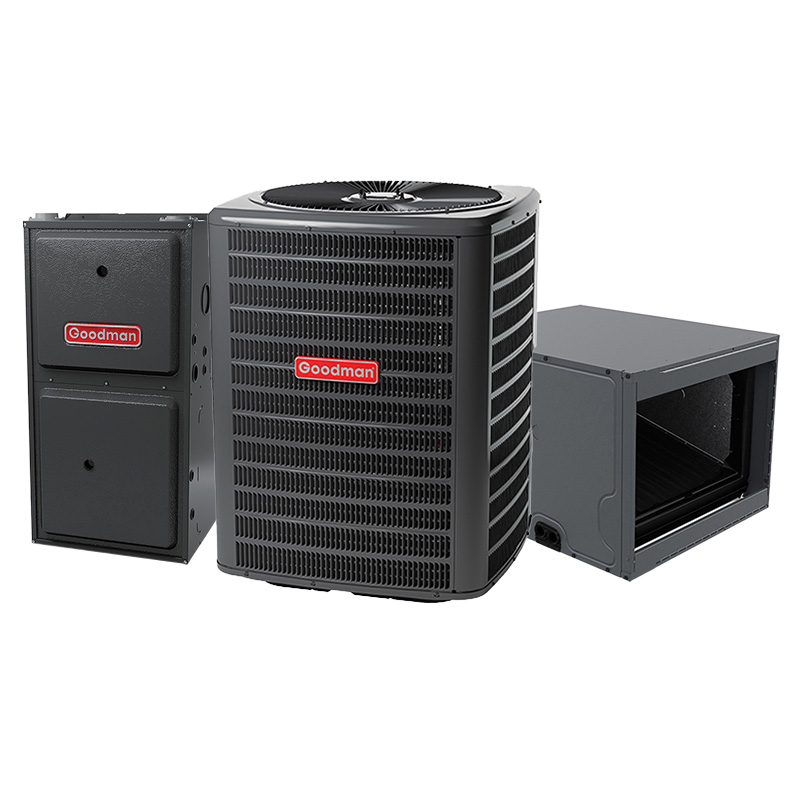
Goodman 3.5 Ton 13.4 SEER2 AC With 80000 BTU 96% AFUE 2-Stage Variable-Speed ECM Gas Furnace System – Horizontal | R32
View on AC Direct see your lowest price →Check current price on AC Direct →
Key features
- 3.5-ton cooling capacity with 13.4 SEER2 efficiency rating
- 80,000 BTU two-stage gas furnace rated at 96% AFUE for high-efficiency heating
- Variable-speed ECM blower motor for quieter, more even airflow
- Horizontal configuration designed for attic, crawl space, or side-closet installs
- R-32 refrigerant charge with lower global warming potential than R-410A
- Two-stage gas valve reduces short-cycling and improves humidity control on mild days
About this system
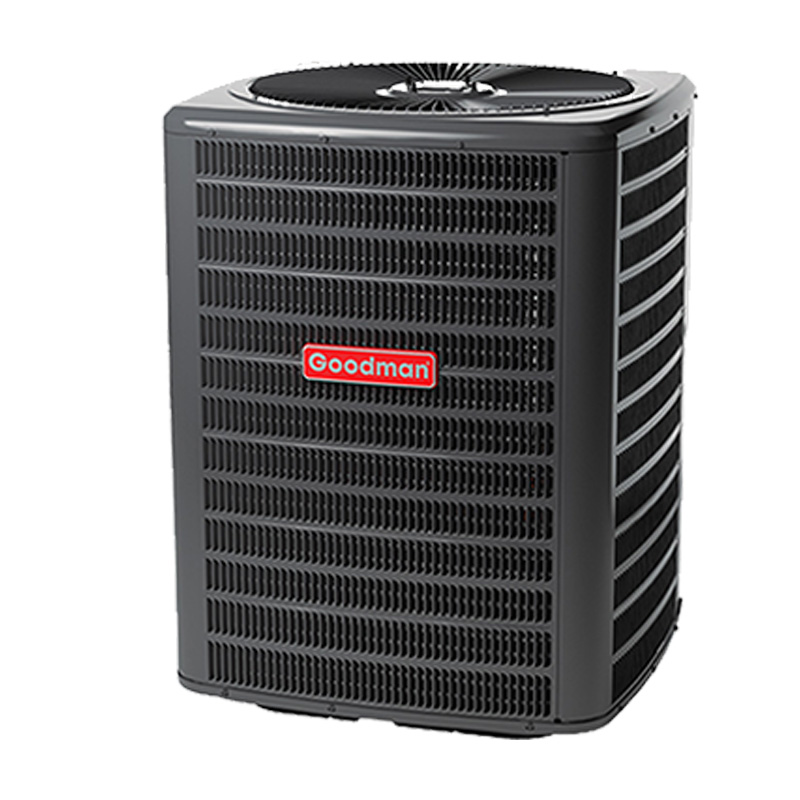
This Goodman bundle pairs a 3.5-ton, 13.4 SEER2 air conditioner with an 80,000 BTU, 96% AFUE two-stage, variable-speed ECM gas furnace in a horizontal configuration, making it a focused solution for homes where the air handler sits in a crawl space, attic, or side-closet installation rather than an upright basement setup. The R-32 refrigerant charge is a forward-looking choice: R-32 has a lower global warming potential than the R-410A it replaces and is increasingly common as the industry moves away from older blends. At 13.4 SEER2, cooling efficiency clears the federal minimum for most U.S. regions but sits at the lower end of the mid-efficiency tier, so your cooling bills will be moderate rather than exceptional.
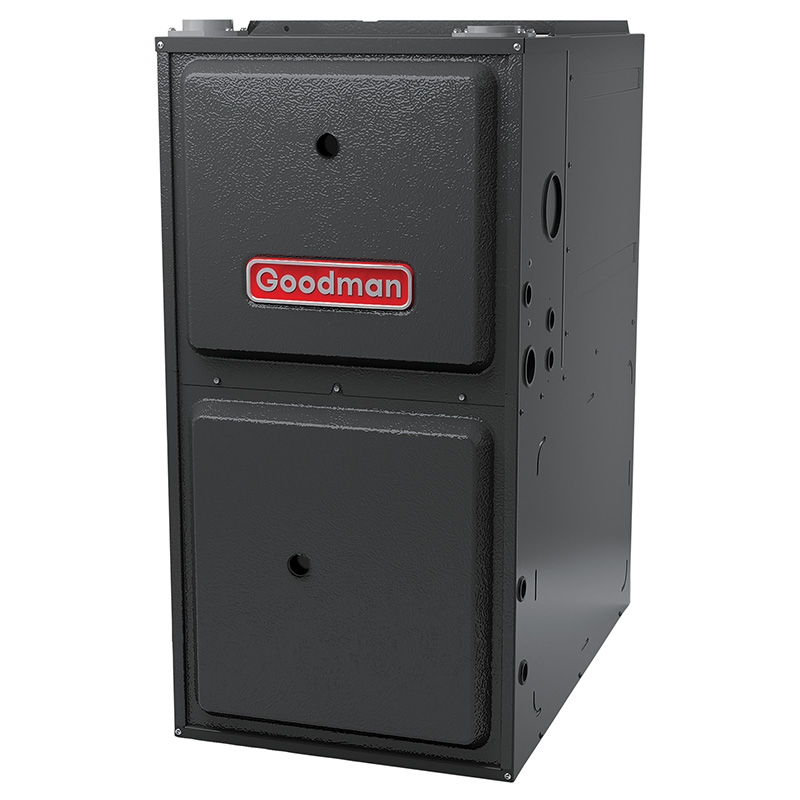
The furnace side of this system is where the specs shine. A 96% AFUE rating means roughly 96 cents of every heating dollar goes into your living space, which is solidly in condensing-furnace territory. The two-stage gas valve lets the furnace run at a lower fire on mild days, reducing temperature swings and short-cycling, while the variable-speed ECM blower motor ramps airflow gradually for quieter operation and better dehumidification during cooling season. Together those features punch above what the SEER2 number alone suggests for day-to-day comfort. The horizontal orientation does narrow the installer pool slightly, so confirming your contractor has horizontal experience with this specific platform before purchasing matters more than usual.
This system offers a competitive furnace specification at a price point noticeably below Carrier, Trane, and Lennox equivalents, making it a reasonable choice for budget-conscious buyers who can secure a skilled installer. The 96% AFUE two-stage furnace and variable-speed blower are genuine comfort upgrades, but the 13.4 SEER2 cooling side is entry-level, and Goodman's real-world longevity record trails premium brands by a meaningful margin.
Overall score is the average of the five ratings above.
What we like
- 96% AFUE furnace efficiency is genuinely high and cuts heating costs in cold climates
- Two-stage furnace operation reduces temperature swings and improves comfort on mild days
- Variable-speed ECM blower enhances dehumidification during cooling season and runs quietly
- R-32 refrigerant is a cleaner choice and positions the system for near-term regulatory compliance
- Priced 15 to 25 percent below comparable Carrier, Trane, and Lennox systems, leaving room in the budget for a quality install
Trade-offs
- 13.4 SEER2 is near the federal minimum for cooling efficiency, meaning modest cooling-season savings compared to 16+ SEER2 alternatives
- Dual-run capacitors and evaporator coil leaks are the most documented failure points, with repair costs typically rising after year seven
- Compressor lifespan averages 10 to 14 years versus 15 to 20 years for premium brands, raising long-term replacement risk
- Horizontal configuration limits the installer pool and makes install quality even more critical than on a standard upright system
What homeowners and pros say about Goodman
Homeowners who bought Goodman systems frequently point to the upfront savings as the deciding factor, and that sentiment lines up with the brand’s Google dealer review average of around 3.8 out of 5 across hundreds of location-level reviews. The positive experiences tend to cluster around installs where the contractor was experienced with Goodman specifically and took time to commission the system properly. On the other side, the ConsumerAffairs score sits near 2.5 out of 5, and the complaints there follow a recognizable pattern: the system performs adequately for several years, then repair calls begin stacking up, often starting with dual-run capacitor failures. Those capacitor replacements are typically a quick fix in the 300 to 600 dollar range, but they signal that other components may be approaching end-of-life as well.
HVAC technicians tend to have a split view of Goodman. Many appreciate that the equipment is straightforward to work on and that parts are widely stocked, which keeps service calls shorter. The concern they raise more often is longevity: compressors in Goodman systems are commonly reported to average 10 to 14 years, compared to 15 to 20 years in premium-brand equipment, and evaporator coil leaks appear in a meaningful share of owner reports. A smaller but documented group of owners reports refrigerant leaks within the first year, and technicians consistently attribute those early failures to installation or initial charge errors rather than a manufacturing defect. That means the installer you hire is not a secondary consideration with this brand. It is arguably the most important purchasing decision you will make alongside the equipment itself.
Sources: ConsumerAffairs Goodman owner reviews, AHRI Directory of Certified Product Performance, U.S. DOE appliance and equipment efficiency standards, Goodman product specification sheets.
What it costs to run
At 13.4 SEER2, cooling this 3.5-ton system for a typical 1200-hour cooling season at the U.S. average electricity rate of $0.17/kWh works out to roughly $639 per year in cooling, about $0 less per year than a minimum-efficiency 13.4 SEER2 unit of the same size. Your real cost depends on your climate and local rate.
Method: (42,000 BTU/hr ÷ 13.4 SEER2) × 1200 hours ÷ 1000 × $0.17/kWh. Rate source: U.S. EIA average; cooling hours: moderate-climate estimate.
How it compares
| Brand | Comparable model | SEER2 | Stage | Price position |
|---|---|---|---|---|
| Goodman | 3.5 Ton 13.4 SEER2 AC + 80K BTU 96% AFUE 2-Stage Variable-Speed Horizontal | 13.4 | Two-stage furnace / single-stage AC | Value pick |
| Carrier | Performance 14 Series (24ACC4) with 58TP0 96% AFUE Furnace | 13.4-14 | Two-stage furnace / single-stage AC | Approximately 15 to 25 percent higher than this Goodman system |
| Trane | XR14 (4TTR4) with S9V2 96% AFUE Variable-Speed Furnace | 14 | Two-stage furnace / single-stage AC | Approximately 20 to 30 percent higher than this Goodman system |
| Lennox | Merit ML14XC1 with SLP98V Variable-Speed Furnace | 14-15 | Two-stage to variable furnace / single-stage AC | Approximately 25 to 35 percent higher than this Goodman system |
Competitor rows are comparable single-stage units at similar efficiency; price is relative position, not a quote.
Questions about this system
Why is this system listed as horizontal only, and can it be converted to upright?
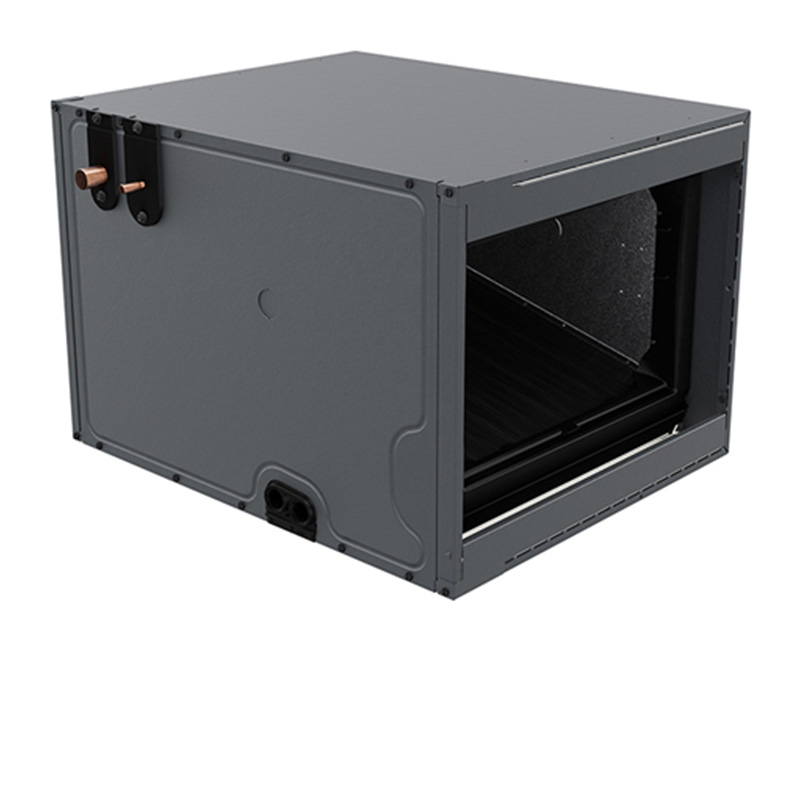
The horizontal designation refers to how the air handler and coil are oriented during installation, which suits attics, crawl spaces, and some closet applications where an upright cabinet will not fit. Converting a horizontal-only model to a vertical position risks improper condensate drainage and can void the warranty, so you should treat the configuration as fixed and confirm your install location matches before ordering.
Is R-32 refrigerant harder or more expensive to service than R-410A?
R-32 requires technicians to use compatible recovery equipment and follow A2L flammability handling protocols, so not every tech is currently set up for it. That said, R-32 is widely used in commercial and international equipment, and the service infrastructure in the U.S. is expanding. Confirm that your service contractor is R-32 certified before the install.
What does two-stage mean for this furnace, and does it make a noticeable difference?
Two-stage means the gas valve operates at approximately 65 percent capacity on mild days and ramps to full fire only when needed. In practice, the furnace runs longer, quieter cycles that distribute heat more evenly and reduce the temperature spikes associated with single-stage units. Most homeowners in climates with long moderate shoulder seasons notice the comfort difference quickly.
Goodman has some low consumer ratings online. Should I be concerned?
Goodman holds about a 2.5 out of 5 on ConsumerAffairs, which is a complaint-skewed platform, and around 3.8 out of 5 on Google dealer reviews where affordability is the most common praise. The recurring issue in negative reviews is repair costs climbing after roughly year seven, particularly around dual-run capacitors and evaporator coil leaks. Budgeting for a service contract and choosing a highly rated local installer significantly reduces that risk.
What size home does 3.5 tons and 80,000 BTU typically cover?
As a rough rule, 3.5 tons of cooling handles approximately 1,750 to 2,100 square feet in a moderately insulated home in a mixed climate, though Manual J load calculations can shift that range considerably based on your ceiling height, insulation, window area, and local climate. The 80,000 BTU furnace output is well matched to that footprint in most heating zones, but your installer should run proper load calculations rather than relying on square footage alone.
Specifications
| Cooling capacity | 3.5 Ton |
| Efficiency | 13.4 SEER2 |
| Furnace output | 80000 BTU |
| Furnace efficiency | 96% AFUE |
| Configuration | Horizontal |
| Refrigerant | R-32 |