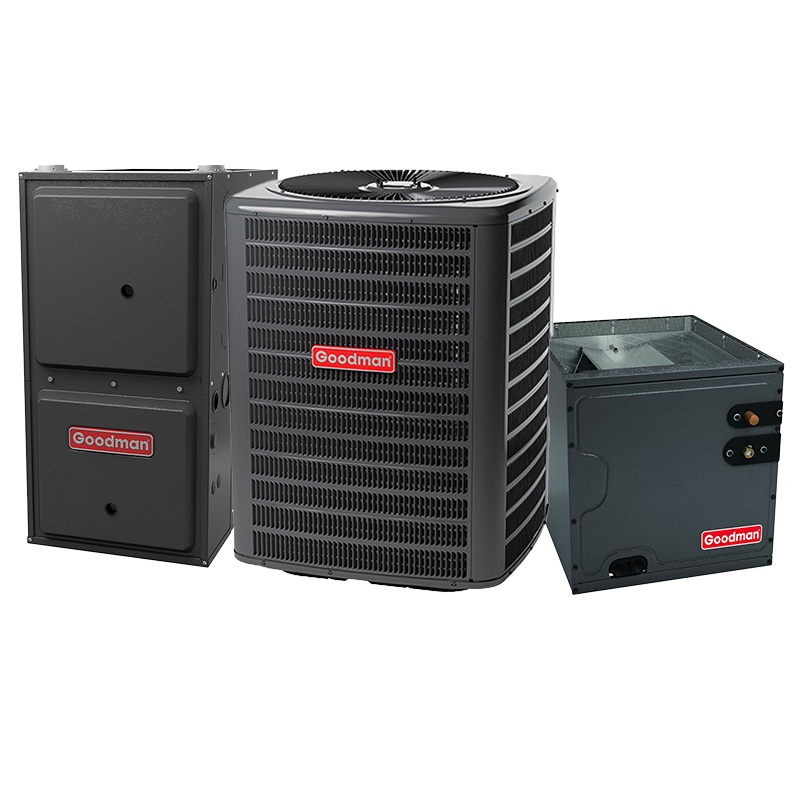
Goodman 1.5 Ton 14.5 SEER2 AC With 60000 BTU 96% AFUE 2-Stage Variable-Speed ECM Gas Furnace System – Downflow | R32
View on AC Direct see your lowest price →Check current price on AC Direct →
Key features
- 1.5-ton cooling capacity with 14.5 SEER2 rating
- 60,000 BTU two-stage gas furnace at 96% AFUE
- Variable-speed ECM blower motor for quieter, more efficient airflow
- Downflow configuration for installations requiring top-entry, bottom-discharge air handling
- R-32 refrigerant with lower global warming potential than R-410A
- Two-stage furnace firing reduces temperature swings and cycling noise
About this system
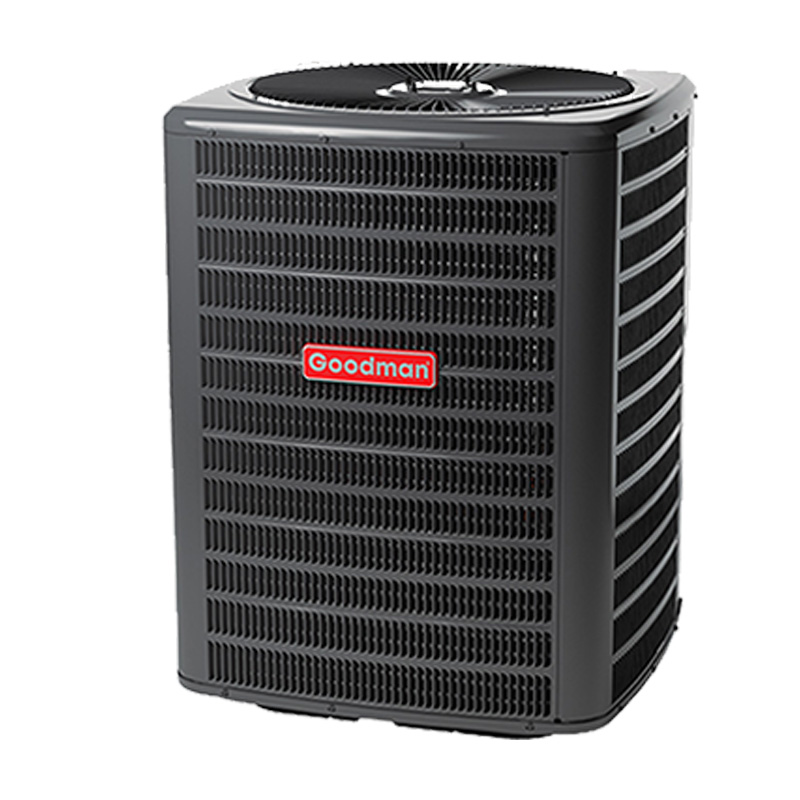
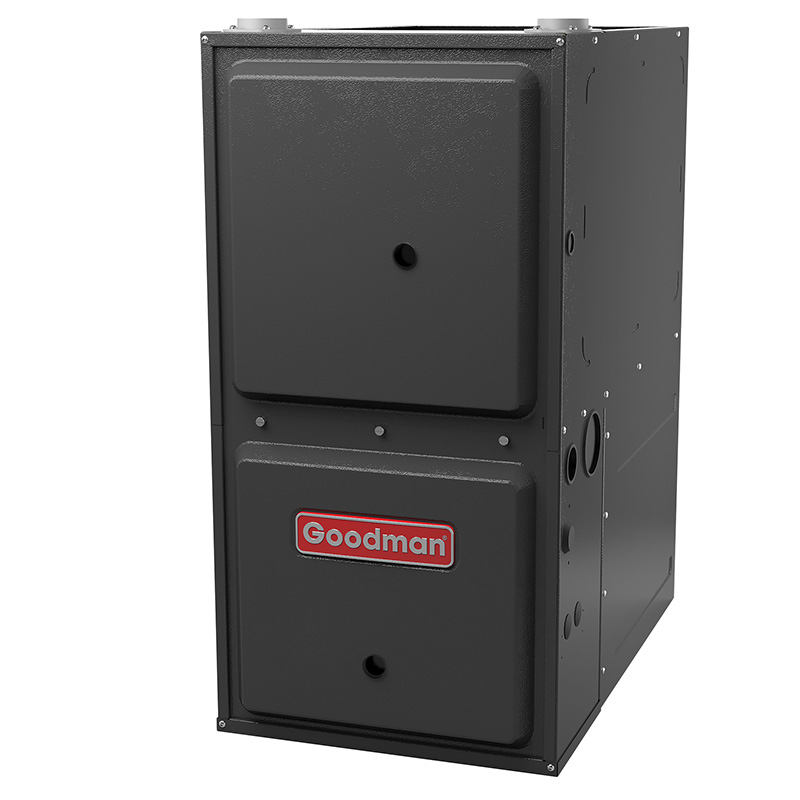
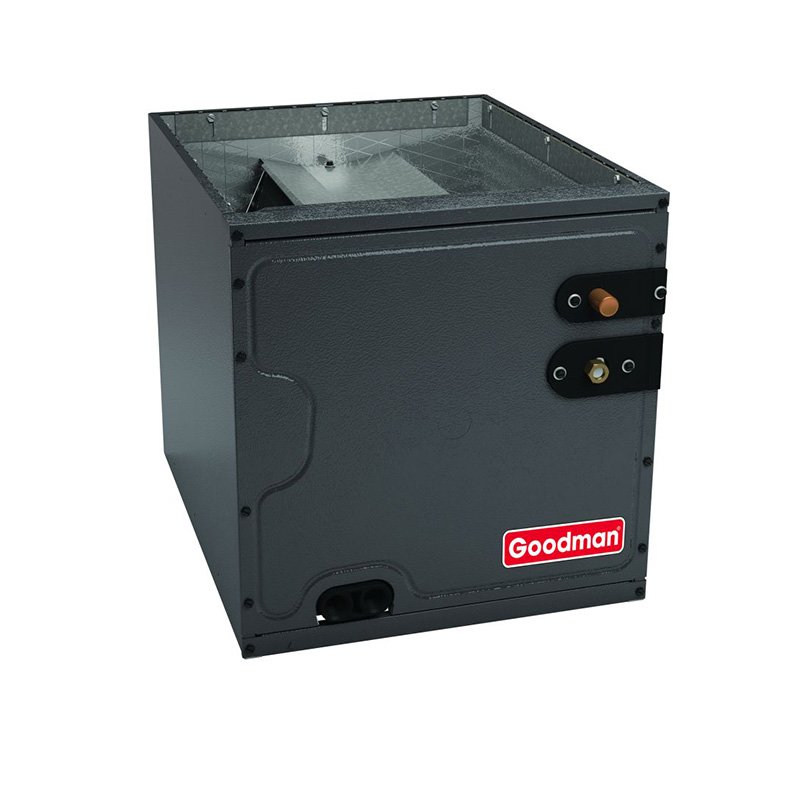
This Goodman system pairs a 1.5-ton, 14.5 SEER2 air conditioner with a 60,000 BTU, 96% AFUE two-stage, variable-speed ECM gas furnace in a downflow configuration, making it a solid fit for smaller homes, conditioned basements, or additions where the air handler sits above the living space and supplies air downward. The R-32 refrigerant charge is a forward-looking choice: R-32 has a lower global warming potential than the R-410A it replaces, and the industry is moving toward it broadly, so sourcing refrigerant for future service calls should remain straightforward.
The 96% AFUE furnace is legitimately high-efficiency territory, meaning only about four cents of every heating dollar escapes up the flue. Two-stage operation on the furnace means it runs at a lower firing rate on moderate days and steps up only when temperatures drop sharply, which reduces temperature swings and lowers fuel bills versus a single-stage unit. The variable-speed ECM blower motor compounds that benefit by running longer at lower speeds, improving humidity control and air distribution. At 14.5 SEER2, the cooling side meets current federal minimums for the northern United States and sits just above the threshold for the southern region, so it is efficient enough for most climates without reaching the premium tier. Buyers who run the AC heavily in a hot climate may want to consider stepping up to a higher SEER2 unit.
This Goodman system delivers a genuinely capable heating and cooling package at a price point noticeably below Carrier, Trane, and Lennox equivalents. The high-efficiency furnace and variable-speed blower are real, meaningful upgrades over entry-level equipment, but Goodman's documented reliability history and complaint patterns mean long-term performance depends heavily on who installs it and how well it is maintained. It is a reasonable buy for budget-conscious homeowners who vet their installer carefully.
Overall score is the average of the five ratings above.
What we like
- 96% AFUE furnace keeps heating costs low and qualifies for efficiency rebates in many utility territories
- Variable-speed ECM blower improves humidity control and reduces hot and cold spots
- R-32 refrigerant is a future-ready choice as the industry phases out R-410A
- Two-stage furnace operation lowers noise and fuel consumption on milder days
- Priced 15 to 25 percent below comparable Trane, Carrier, and Lennox systems
Trade-offs
- Dual-run capacitors are the most commonly reported failure point, typically adding a 300 to 600 dollar repair bill somewhere in the first decade
- Evaporator coil leaks appear in a meaningful share of owner reports and can be expensive to address
- Compressor lifespan averages 10 to 14 years versus 15 to 20 years for premium-brand compressors
- A minority of owners report refrigerant leaks in the first year, most often linked to installation or initial charge issues rather than equipment defects
What homeowners and pros say about Goodman
Owners and dealers who leave feedback about Goodman equipment tend to cluster at the extremes. Google dealer reviews average around 3.8 out of 5 across hundreds of reviews per location, and the most consistent praise is straightforward: the equipment costs less than the name-brand alternatives and, when installed correctly, does the job. ConsumerAffairs scores land closer to 2.5 out of 5, though that platform skews toward frustrated owners who sought out a place to vent. The recurring pattern in those negative reviews is not early catastrophic failure but rather repair costs that start climbing after roughly year seven, which aligns with the documented failure modes tied to Goodman systems.
The failure modes worth knowing about with this specific system are concrete. Dual-run capacitors are the most commonly reported issue across Goodman equipment, and while a capacitor swap typically runs 300 to 600 dollars and takes a technician under an hour, it is still an unplanned expense. Evaporator coil leaks show up in a meaningful share of owner accounts and tend to be more disruptive and costly. Compressor longevity averages 10 to 14 years on Goodman units compared to 15 to 20 years often cited for Trane and Carrier compressors. A smaller number of owners report refrigerant leaks within the first year, which technicians generally attribute to installation or initial charging problems rather than a factory defect, reinforcing the point that installer quality matters more with Goodman than it does with more forgiving premium equipment.
Sources: ConsumerAffairs Goodman owner reviews, AHRI Directory of Certified Product Performance, U.S. DOE appliance and equipment efficiency standards, Goodman product specification sheets.
What it costs to run
At 14.5 SEER2, cooling this 1.5-ton system for a typical 1200-hour cooling season at the U.S. average electricity rate of $0.17/kWh works out to roughly $253 per year in cooling, about $21 less per year than a minimum-efficiency 13.4 SEER2 unit of the same size. Your real cost depends on your climate and local rate.
Method: (18,000 BTU/hr ÷ 14.5 SEER2) × 1200 hours ÷ 1000 × $0.17/kWh. Rate source: U.S. EIA average; cooling hours: moderate-climate estimate.
How it compares
| Brand | Comparable model | SEER2 | Stage | Price position |
|---|---|---|---|---|
| Goodman | 1.5T 14.5 SEER2 AC / 60K BTU 96% AFUE 2-Stage Variable-Speed Downflow | 14.5 | Two-stage / Variable-speed | Value pick |
| Carrier | Performance 14 Series (CA14NA / 58TP) | 14-15 | Single-stage to two-stage depending on configuration | Moderately higher than Goodman |
| Trane | S-Series (XR14 AC / S9V2 Furnace) | 14-15 | Two-stage / Variable-speed | Noticeably higher than Goodman |
| Lennox | Merit Series (13ACX / ML196V Furnace) | 14-15 | Single-stage to two-stage depending on configuration | Moderately to noticeably higher than Goodman |
Competitor rows are comparable single-stage units at similar efficiency; price is relative position, not a quote.
Questions about this system
Is a downflow furnace harder to find installation help for than an upflow unit?
Most licensed HVAC technicians are comfortable with downflow configurations, but they are less common than upflow, so confirm your installer has done them before. Downflow units are typically installed over a crawl space or in a closet on the main floor where supply air needs to go down into an under-floor duct system, so proper clearances and a combustible-floor subbase are required by code.
Will this system work with my existing R-410A lineset?
Possibly, but it is not automatic. R-32 systems require lines that are clean, properly sized, and free of residual R-410A oil. Your installer should evaluate whether flushing or replacing the existing lineset is necessary, and some manufacturers require fresh lines to maintain warranty coverage.
What does the Goodman warranty actually cover on this system?
Goodman typically offers a 10-year parts limited warranty when registered within a set window after installation, covering components including the compressor, heat exchanger, and other functional parts. Labor is not covered, and the warranty generally requires registration to move beyond a shorter base period, so registering promptly after installation is important.
How often should the dual-run capacitor be inspected given what I have read about Goodman failures?
Capacitor health is worth checking at every annual maintenance visit regardless of brand, but given that it is the most commonly reported failure point on Goodman equipment, ask your technician to test it with a capacitance meter each year. Replacing a capacitor showing degraded readings proactively costs far less than a no-cooling service call in the middle of summer.
Is 1.5 tons the right size for my home, or should I size up to be safe?
Oversizing an AC system is a common and harmful mistake: a unit that is too large will short-cycle, control humidity poorly, and wear faster. The correct size depends on a Manual J load calculation that accounts for your square footage, insulation levels, window area, local climate, and other factors. Ask your installer to perform one before agreeing on equipment size rather than relying on rules of thumb.
Specifications
| Cooling capacity | 1.5 Ton |
| Efficiency | 14.5 SEER2 |
| Furnace output | 60000 BTU |
| Furnace efficiency | 96% AFUE |
| Configuration | Downflow |
| Refrigerant | R-32 |