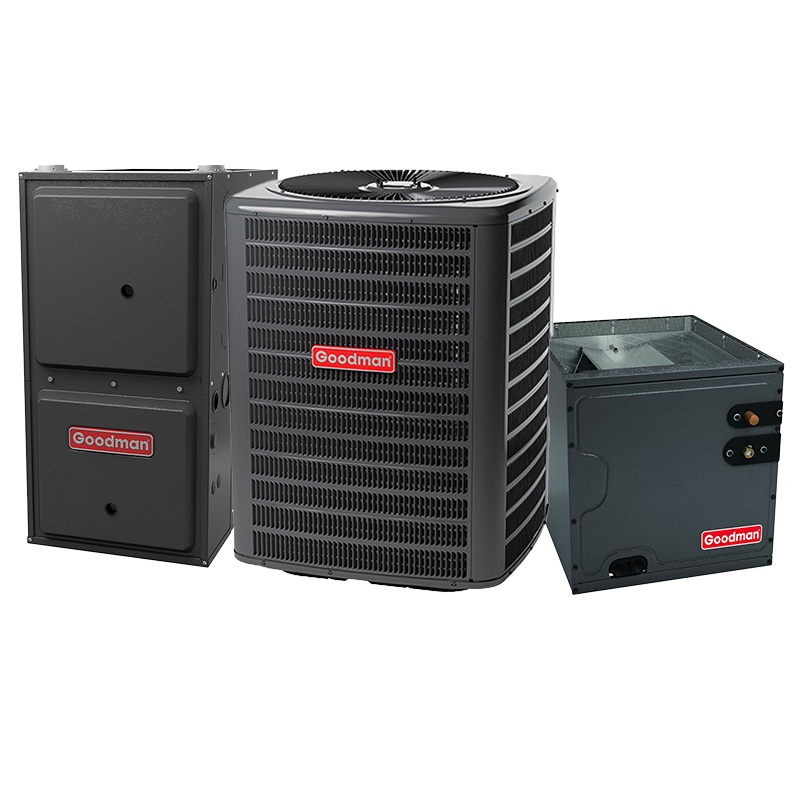
Goodman 2 Ton 14 SEER2 AC With 60000 BTU 96% AFUE 2-Stage Variable-Speed ECM Gas Furnace System – Downflow | R32
View on AC Direct see your lowest price →Check current price on AC Direct →
Key features
- 2-ton cooling capacity with 14 SEER2 efficiency rating
- 60,000 BTU two-stage gas furnace rated at 96% AFUE
- Variable-speed ECM blower motor for quieter, lower-wattage airflow
- Downflow configuration for closet or platform installations
- R-32 refrigerant, lower global warming potential than R-410A
- Condensing furnace design with secondary heat exchanger for high efficiency
About this system
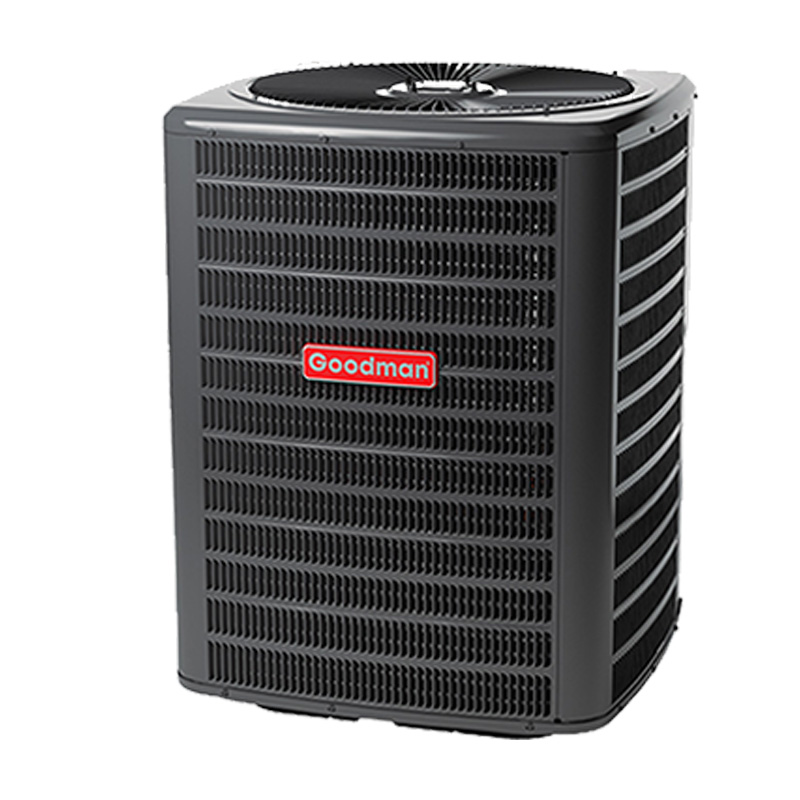
This Goodman bundle pairs a 2-ton, 14 SEER2 central air conditioner with a 60,000 BTU, 96% AFUE two-stage gas furnace in a downflow configuration, making it a practical choice for homes where the air handler sits above a crawlspace or in a closet that blows conditioned air downward. The R-32 refrigerant charge is worth noting: R-32 has a lower global warming potential than the older R-410A it is gradually replacing, and it operates at similar pressures, so most certified HVAC technicians are already equipped to handle it. At 2 tons, this system is sized for roughly 800 to 1,200 square feet depending on insulation, ceiling height, climate zone, and duct layout, though a proper Manual J load calculation is the only reliable way to confirm fit.
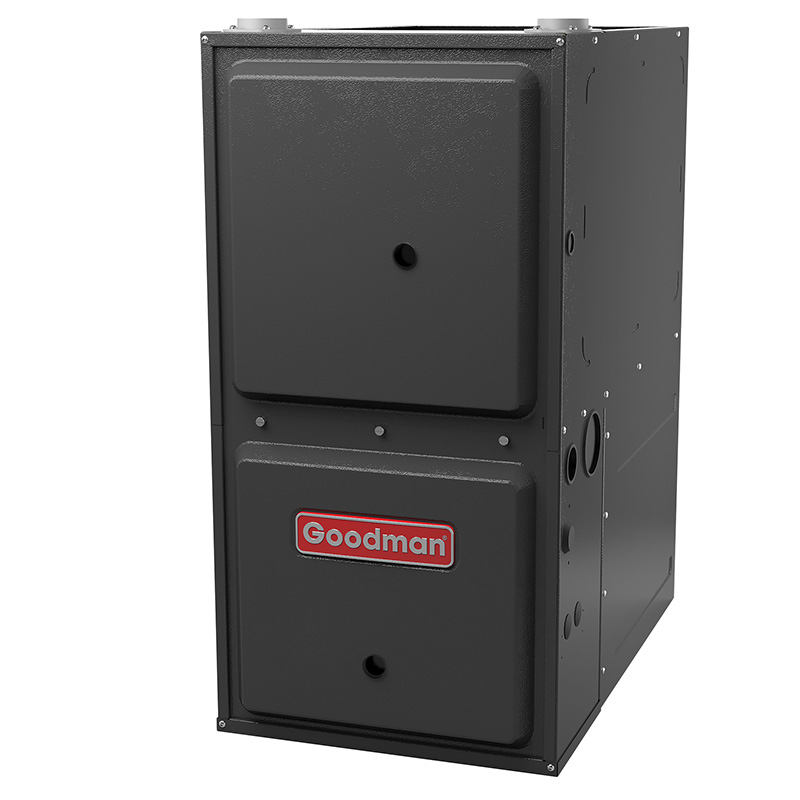
The furnace is the technical highlight here. A 96% AFUE rating means 96 cents of every dollar spent on gas converts to usable heat, which puts it in the condensing furnace tier. The two-stage burner runs on a lower flame most of the time, cycling less frequently and maintaining more even temperatures than a single-stage unit. The variable-speed ECM blower motor amplifies that comfort benefit by ramping airflow up and down gradually rather than blasting on and off, and it draws significantly less electricity than a standard PSC motor, typically 60 to 80 percent less at lower speeds. Together these features serve climates with long, cold heating seasons particularly well. The AC side is entry-level at 14 SEER2, which meets federal minimums for most northern regions but will not win efficiency awards in a hot southern climate where a higher SEER2 rating pays back faster.
This Goodman bundle delivers a genuinely capable furnace with real comfort upgrades at a price point that is hard to match from premium brands. The AC side is baseline-efficient, so buyers in hot climates should weigh whether a higher SEER2 system amortizes better over time. Long-term ownership costs hinge heavily on installation quality and a willingness to budget for component repairs after year seven.
Overall score is the average of the five ratings above.
What we like
- 96% AFUE furnace is among the more efficient available and reduces monthly gas bills meaningfully
- Two-stage burner plus variable-speed ECM blower improves comfort and reduces temperature swings
- R-32 refrigerant is a forward-looking choice with lower environmental impact
- Priced 15 to 25 percent below comparable Trane, Lennox, and Carrier configurations
- Downflow cabinet design suits a specific and common installation scenario that not all bundles address
Trade-offs
- 14 SEER2 is the federal minimum tier in many regions and will not deliver top-shelf cooling efficiency in hot climates
- Dual-run capacitors are the most frequently reported failure, typically adding a 300 to 600 dollar repair bill within the first decade
- Compressor lifespan averages 10 to 14 years versus 15 to 20 years seen in premium brands, which affects long-term cost of ownership
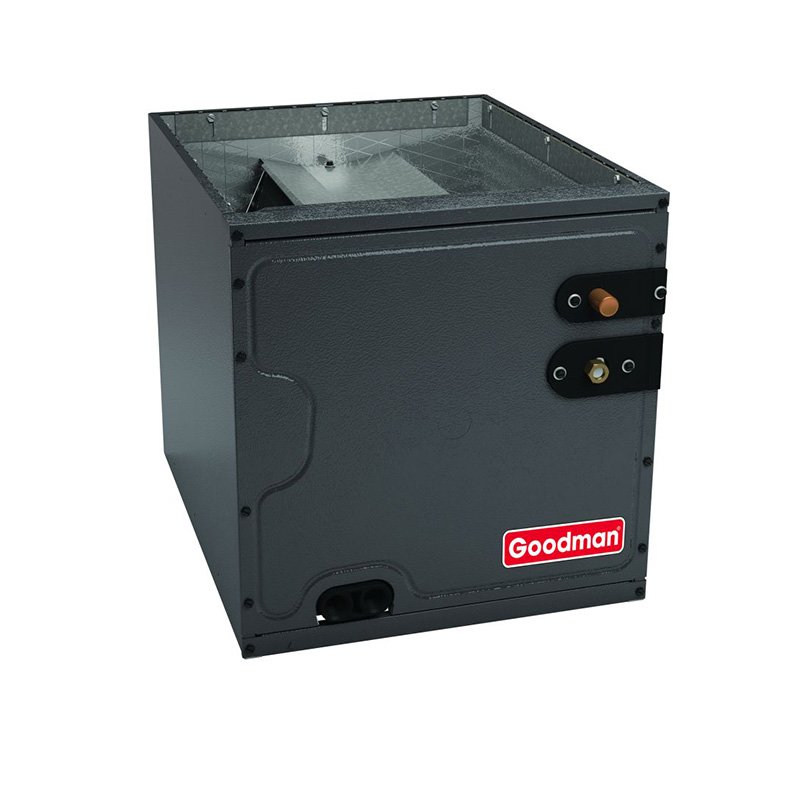
- Evaporator coil leaks appear in a meaningful share of owner reports, and a small number of owners have reported refrigerant issues within the first year
What homeowners and pros say about Goodman
Homeowners who purchase Goodman equipment tend to split into two camps depending on how the installation went. On Google dealer review pages, where aggregated scores sit around 3.8 out of 5, the most consistent praise is straightforward: the systems are affordable and, when properly installed, work reliably for years. On ConsumerAffairs, which skews toward owners who had a problem worth writing about, Goodman scores closer to 2.5 out of 5, and the recurring complaint is repair costs that start accumulating around year seven or eight. That pattern lines up with what technicians document in the field: dual-run capacitors are the most commonly reported failure point and typically run 300 to 600 dollars to fix, which is manageable but predictable enough that proactive replacement at tune-up time is a reasonable strategy.
HVAC professionals generally describe Goodman as a workable product that rewards careful installation and penalizes shortcuts. Evaporator coil leaks show up in a notable share of owner reports, and a minority of owners have encountered refrigerant issues within the first year, which technicians most often attribute to charge problems at startup rather than manufacturing defects. On the compressor side, industry experience puts Goodman compressors at roughly 10 to 14 years of average service life, a noticeable gap compared to the 15 to 20 years seen from premium brands like Trane, Lennox, and Carrier. For this specific bundle, the furnace is the strong suit: a 96% AFUE, two-stage, variable-speed unit is a legitimate comfort upgrade, and getting that capability at Goodman pricing is the clearest reason to consider this system over a bare-bones alternative.
Sources: ConsumerAffairs Goodman owner reviews, AHRI Directory of Certified Product Performance, U.S. DOE appliance and equipment efficiency standards, Goodman product specification sheets.
What it costs to run
At 14 SEER2, cooling this 2-ton system for a typical 1200-hour cooling season at the U.S. average electricity rate of $0.17/kWh works out to roughly $350 per year in cooling, about $15 less per year than a minimum-efficiency 13.4 SEER2 unit of the same size. Your real cost depends on your climate and local rate.
Method: (24,000 BTU/hr ÷ 14 SEER2) × 1200 hours ÷ 1000 × $0.17/kWh. Rate source: U.S. EIA average; cooling hours: moderate-climate estimate.
How it compares
| Brand | Comparable model | SEER2 | Stage | Price position |
|---|---|---|---|---|
| Goodman | 2-Ton 14 SEER2 AC + 60K BTU 96% AFUE 2-Stage ECM Furnace (Downflow, R-32) | 14 | Two-stage furnace / single-stage AC | Value pick |
| Carrier | Performance 14 Series (24ACC4) with 96% AFUE Performance Gas Furnace | 14 | Two-stage furnace / single-stage AC | Approximately 15 to 25 percent more than Goodman |
| Trane | XR14c with S9V2 96% AFUE Variable-Speed Gas Furnace | 14 | Two-stage furnace / single-stage AC | Approximately 20 to 30 percent more than Goodman |
| Lennox | Merit ML14XC1 with SL280V 96% AFUE Variable-Speed Gas Furnace | 14 | Two-stage furnace / single-stage AC | Approximately 20 to 30 percent more than Goodman |
Competitor rows are comparable single-stage units at similar efficiency; price is relative position, not a quote.
Questions about this system
Is 14 SEER2 enough for my climate, or should I step up?
14 SEER2 meets federal minimum standards for most northern and central regions and is adequate where summers are mild or short. In consistently hot climates like the Southeast or Southwest, a 16 SEER2 or higher unit typically pays back the price difference in energy savings within several years, so it is worth running the numbers for your location before committing.
What is a downflow furnace and how do I know if that is what I need?
A downflow furnace draws return air in at the top of the cabinet and blows conditioned air out the bottom, which is designed for systems where ductwork runs beneath the unit, such as under-floor duct systems or closet installations above a crawlspace. If your current furnace sits in a main-floor closet blowing down into floor registers, downflow is likely correct. Your installer can confirm by inspecting your existing duct configuration.
Does R-32 refrigerant cost more to service than R-410A?
R-32 refrigerant is generally comparable in cost to R-410A and is widely available. Any EPA Section 608 certified technician can handle it, and most modern recovery equipment is already compatible. The main practical difference for owners is that R-32 is mildly flammable, which requires certified technicians to follow specific handling procedures, but this does not affect normal ownership or routine maintenance.
What kind of maintenance helps avoid the capacitor and coil problems Goodman is known for?
Annual professional tune-ups that include inspecting and proactively replacing a capacitor showing low microfarad readings can prevent a no-cool breakdown on the hottest day of the year. Keeping the evaporator coil clean, maintaining proper refrigerant charge at installation, and changing air filters regularly all reduce stress on the coil and help catch early signs of leaks before refrigerant loss becomes costly.
What does the Goodman warranty cover on this system, and are there registration requirements?
Goodman typically offers a 10-year parts limited warranty on registered systems, which must be registered within a specific window after installation, usually 60 days, to qualify for the full term. Unregistered units often fall back to a shorter base warranty. The warranty covers parts but not labor, so factor in labor costs when budgeting for potential repairs. Confirm current warranty terms at the time of purchase, as Goodman has updated its warranty structure in recent years.
Specifications
| Cooling capacity | 2 Ton |
| Efficiency | 14 SEER2 |
| Furnace output | 60000 BTU |
| Furnace efficiency | 96% AFUE |
| Configuration | Downflow |
| Refrigerant | R-32 |