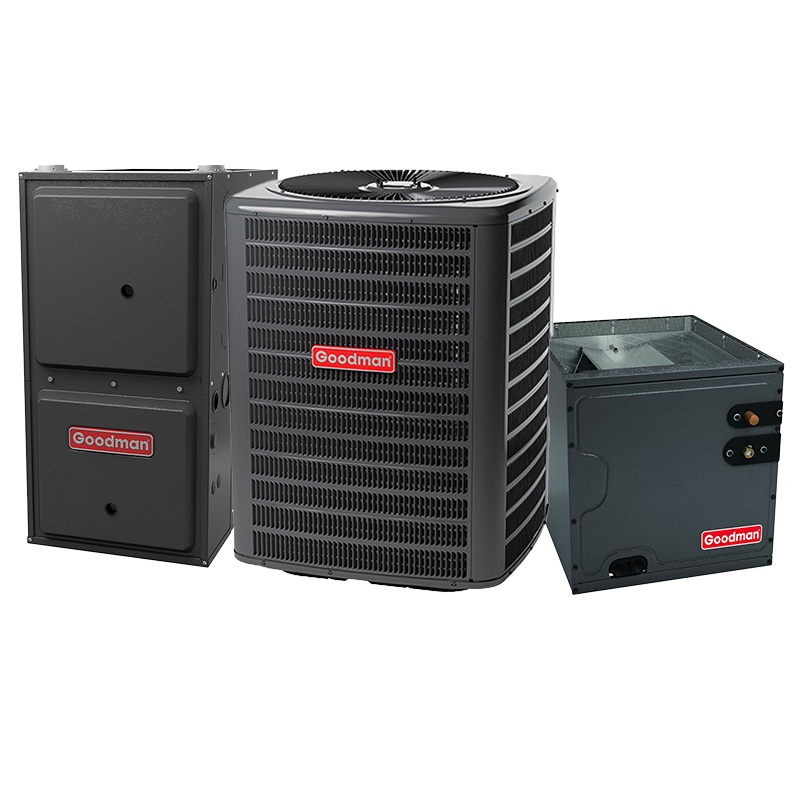
Goodman 5 Ton 13.6 SEER2 AC With 120000 BTU 96% AFUE 2-Stage Variable-Speed ECM Gas Furnace System – Downflow | R32
View on AC Direct see your lowest price →Check current price on AC Direct →
Key features
- 5-ton cooling capacity with 13.6 SEER2 efficiency rating
- 120,000 BTU two-stage gas furnace at 96% AFUE
- Variable-speed ECM blower motor for quiet, efficient airflow
- Downflow configuration for closet or platform installations above conditioned space
- R-32 refrigerant with lower global warming potential than R-410A
- Two-stage cooling reduces short-cycling in large or oversized installations
About this system
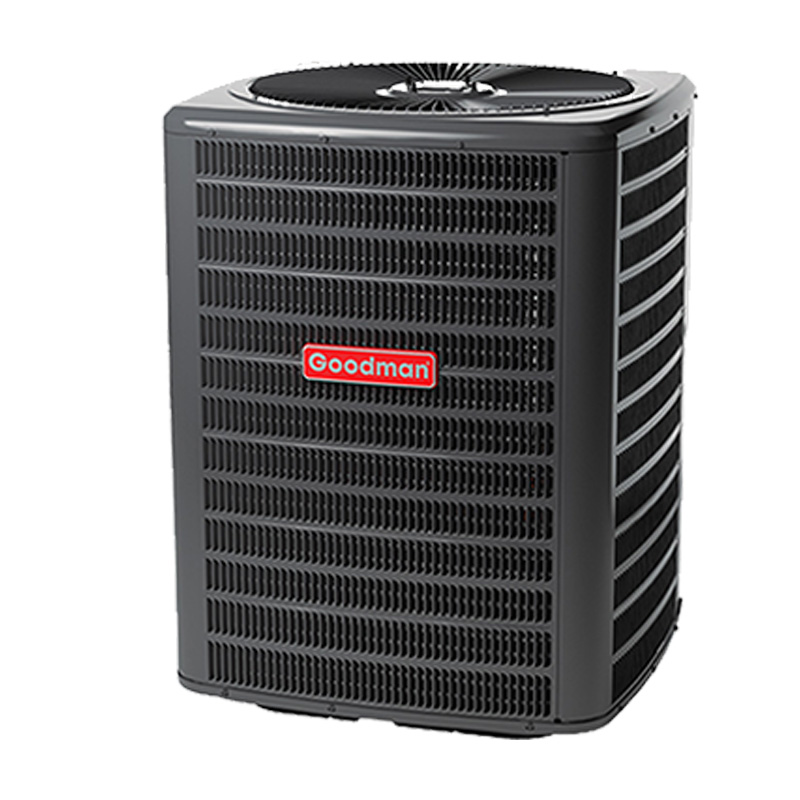
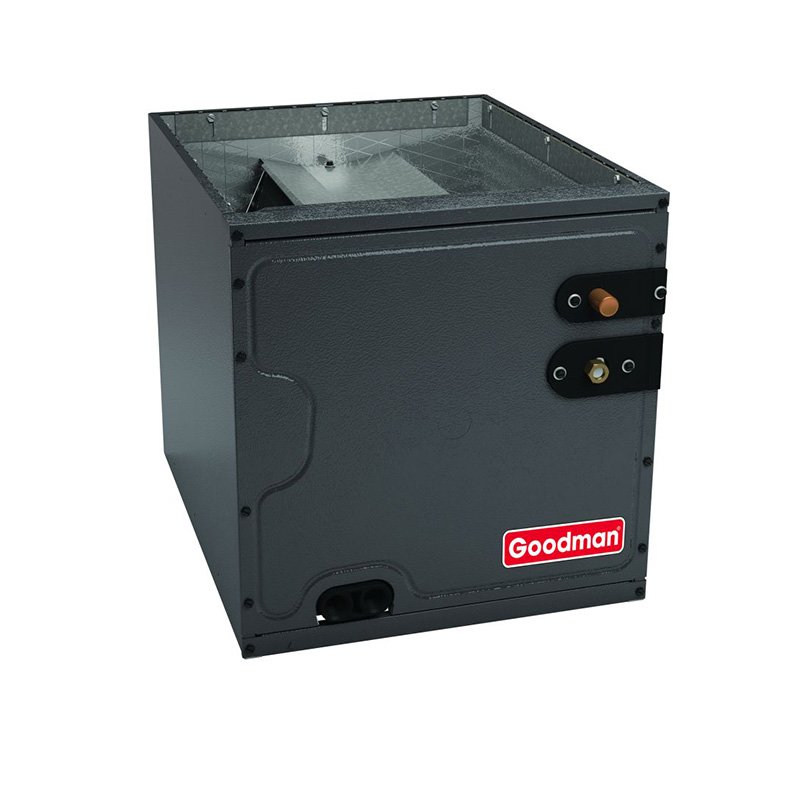
This Goodman system pairs a 5-ton, 13.6 SEER2 air conditioner with a 120,000 BTU, 96% AFUE two-stage gas furnace in a downflow configuration, making it a strong candidate for homes where the air handler sits above a crawl space or in a closet that distributes air downward. The R-32 refrigerant charge is a forward-looking choice: R-32 has a lower global warming potential than the R-410A it replaces and is gradually becoming the industry standard, so servicing options should remain accessible for the foreseeable future.
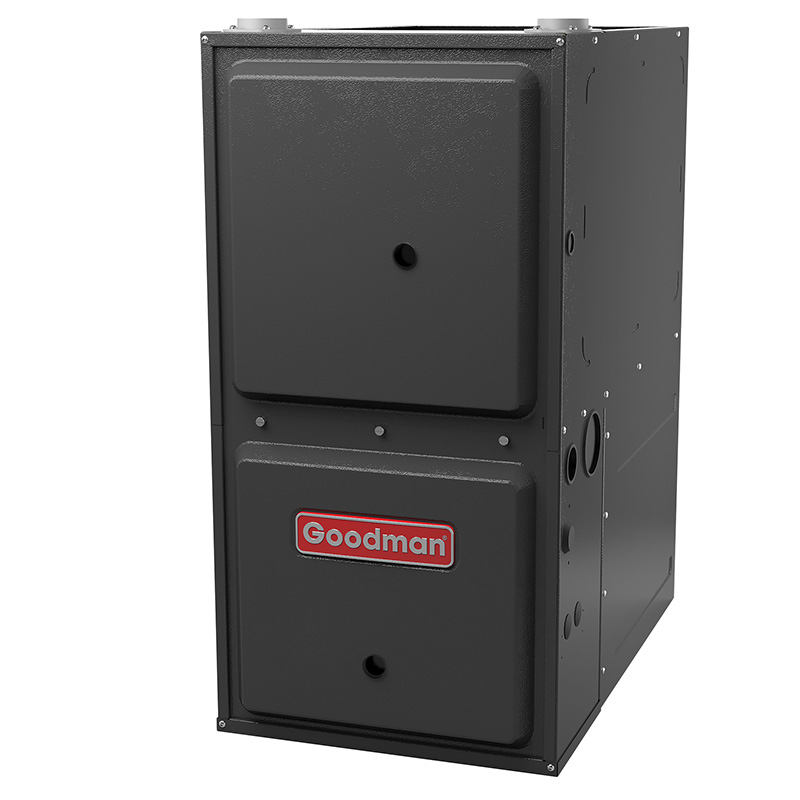
The furnace side of this system is where the specs genuinely shine. A 96% AFUE rating means only 4 cents of every heating dollar escapes as exhaust, which is competitive with anything on the market regardless of brand. The two-stage burner runs at reduced capacity most of the time, cycling on less aggressively and holding more consistent indoor temperatures than a single-stage unit. The variable-speed ECM blower motor moves air at whatever speed comfort and humidity control require, using significantly less electricity than a PSC motor and running quieter at low speeds. For a 5-ton load, these features matter: large systems in oversized installations often short-cycle badly without staged or variable operation.
At 5 tons and 13.6 SEER2, the cooling efficiency lands at the lower end of current mid-tier ratings. It satisfies federal minimum efficiency standards for most climate regions and will cost meaningfully less to purchase than a 16 or 18 SEER2 system, but monthly operating costs will be higher over time. This system suits buyers in moderate cooling climates, or those prioritizing upfront budget over long-run energy savings, who also have significant heating loads where the high-efficiency furnace will deliver real annual fuel savings.
This system delivers genuinely strong heating efficiency and smart airflow control at a price that undercuts Carrier, Trane, and Lennox by 15 to 25 percent for comparable specs. The 13.6 SEER2 cooling rating is adequate but not impressive, and long-term reliability will depend heavily on installer quality and whether a few known component weaknesses surface in your unit. For a large home with serious heating demands and a tighter equipment budget, it earns a fair look.
Overall score is the average of the five ratings above.
What we like
- 96% AFUE furnace is among the most efficient gas heating tiers available
- Variable-speed ECM motor improves humidity control and runs noticeably quieter than fixed-speed alternatives
- Two-stage operation reduces aggressive short-cycling common in oversized 5-ton installations
- R-32 refrigerant is the emerging industry standard, supporting long-term serviceability
- Purchase price typically 15 to 25 percent below comparable Trane, Lennox, and Carrier systems
Trade-offs
- 13.6 SEER2 is entry-level mid-tier cooling efficiency; higher SEER2 options exist at added cost from Goodman and competitors
- Compressor lifespan averages 10 to 14 years versus 15 to 20 years for premium brands, which matters on an expensive 5-ton unit
- Dual-run capacitor failures and evaporator coil leaks are documented recurring issues that add out-of-pocket repair costs after the warranty period
- Downflow configuration limits installation flexibility and requires careful duct design; a wrong installation setup will undercut all the efficiency gains
What homeowners and pros say about Goodman
Homeowners who praise Goodman systems consistently point to one thing: the price. Google dealer reviews average around 3.8 out of 5 across hundreds of location-level reviews, and the most common compliment is that buyers got a reliable first few years of operation without paying Trane or Carrier prices. For a 5-ton system with a two-stage furnace and variable-speed blower, that price gap is real and can run into the thousands of dollars at the point of purchase. The R-32 charge and ECM motor on this configuration represent genuinely current technology, not cost-cut components.
The harder picture comes from ConsumerAffairs, where Goodman sits at roughly 2.5 out of 5, a channel that skews toward complaints but where the pattern is consistent enough to take seriously: owners report that repair costs tend to climb after about year 7. The specific failure modes that show up most often are dual-run capacitor failures, which are relatively inexpensive at 300 to 600 dollars but annoying on a newer system, and evaporator coil leaks, which are more disruptive and costly. Compressor longevity is the other honest concern: Goodman compressors tend to average 10 to 14 years, compared to 15 to 20 for premium brands, and replacing a compressor on a 5-ton unit is not a small bill. HVAC technicians who work on Goodman equipment regularly note that installation quality is the single largest variable in how long any unit lasts, which means choosing an experienced installer matters at least as much as the brand decision itself.
Sources: ConsumerAffairs Goodman owner reviews, AHRI Directory of Certified Product Performance, U.S. DOE appliance and equipment efficiency standards, Goodman product specification sheets.
What it costs to run
At 13.6 SEER2, cooling this 5-ton system for a typical 1200-hour cooling season at the U.S. average electricity rate of $0.17/kWh works out to roughly $900 per year in cooling, about $13 less per year than a minimum-efficiency 13.4 SEER2 unit of the same size. Your real cost depends on your climate and local rate.
Method: (60,000 BTU/hr ÷ 13.6 SEER2) × 1200 hours ÷ 1000 × $0.17/kWh. Rate source: U.S. EIA average; cooling hours: moderate-climate estimate.
How it compares
| Brand | Comparable model | SEER2 | Stage | Price position |
|---|---|---|---|---|
| Goodman | GMVC96 / GSXH5 Series (this system) | 13.6 | Two-stage cooling / Two-stage heating | Value pick |
| Carrier | Performance 96 / Comfort 14 Series | 14.0 | Two-stage heating / Single-stage cooling | Moderately higher than this system |
| Trane | S9V2 Furnace / XR14 AC | 14.0 | Two-stage heating / Single-stage cooling | Moderately to significantly higher than this system |
| Lennox | ML196 Furnace / XC14 AC | 14.3 | Two-stage heating / Single-stage cooling | Significantly higher than this system |
Competitor rows are comparable single-stage units at similar efficiency; price is relative position, not a quote.
Questions about this system
Is 5 tons the right size, or will this system short-cycle in my home?
Sizing should always be based on a Manual J load calculation, not square footage rules of thumb. A 5-ton system installed in a home that actually needs 3.5 or 4 tons will short-cycle even with two-stage operation, leading to humidity problems and accelerated wear. Have your installer run the calculation before purchasing.
What does the downflow configuration mean and how do I know if my installation qualifies?
Downflow means the furnace pulls return air in at the top and discharges heated or cooled air downward into the duct system below. This suits installations where the air handler sits in an upstairs closet or on a platform above a crawl space. If your duct system runs in an attic and the air handler is in a basement or ground-floor closet, you likely need an upflow or horizontal unit instead.
R-32 is newer to residential systems. Will technicians be able to service it?
R-32 requires technicians to use tools and procedures rated for its slightly higher pressure and flammability class, but it is already widely used in mini-splits and is the refrigerant most new equipment is moving toward. Most established HVAC companies are already equipped for it, though in very rural areas you may want to confirm before purchasing.
What repairs should I budget for after the warranty period on this system?
Dual-run capacitor replacement is the most common service call on Goodman equipment and typically costs 300 to 600 dollars. Evaporator coil leaks appear in a notable share of owner reports and are more expensive to address. Setting aside a small annual service budget and keeping the system on a maintenance plan will help catch issues before they become major failures.
How does the 96% AFUE rating translate to real heating bill savings?
A 96% AFUE furnace converts 96 cents of every dollar of gas into usable heat, compared to roughly 80 cents for a standard 80% AFUE unit. On a large home with high heating loads, that 16-percentage-point difference can amount to meaningful annual savings on natural gas bills, often enough to offset the higher purchase cost of a high-efficiency furnace within several heating seasons depending on local gas rates.
Specifications
| Cooling capacity | 5 Ton |
| Efficiency | 13.6 SEER2 |
| Furnace output | 120000 BTU |
| Furnace efficiency | 96% AFUE |
| Configuration | Downflow |
| Refrigerant | R-32 |