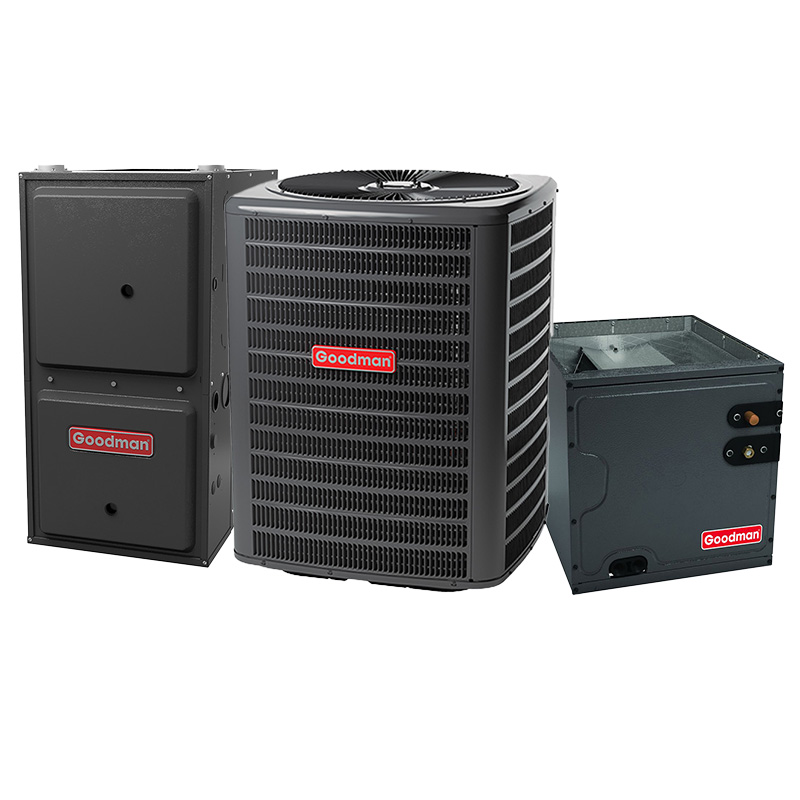
Goodman 3 Ton 17.2 SEER2 AC With 100000 BTU 96% AFUE 2-Stage Variable-Speed ECM Gas Furnace System – Downflow | 2-Stage High Efficiency AC | R32
View on AC Direct see your lowest price →Check current price on AC Direct →
Key features
- 3-ton, 17.2 SEER2 two-stage cooling with R-32 refrigerant
- 100,000 BTU two-stage gas furnace rated at 96% AFUE
- Variable-speed ECM blower motor for reduced fan energy use
- Downflow configuration designed for under-floor duct systems
- Two-stage operation on both heating and cooling sides for better humidity control
- R-32 refrigerant has a lower global warming potential than R-410A
About this system
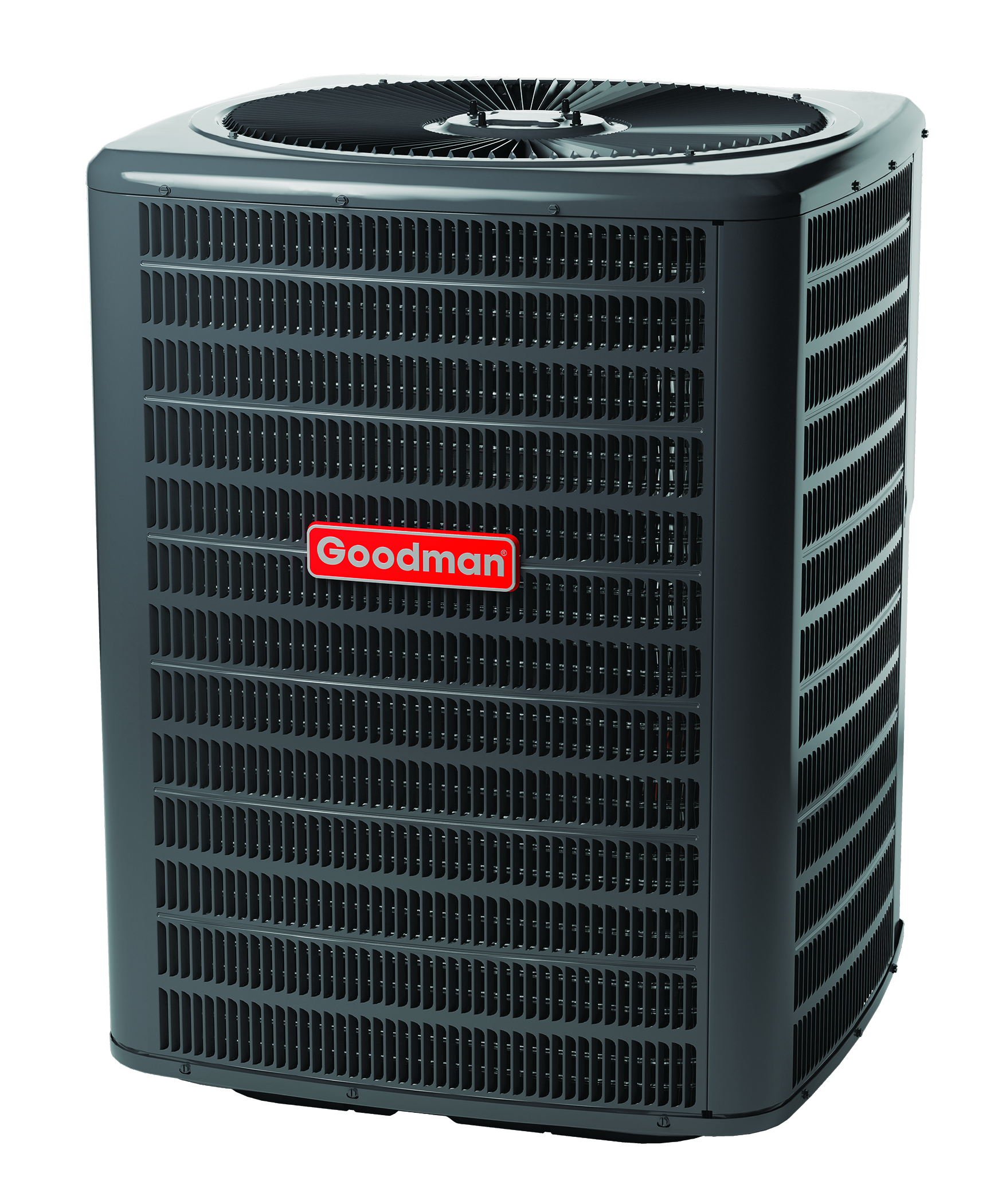
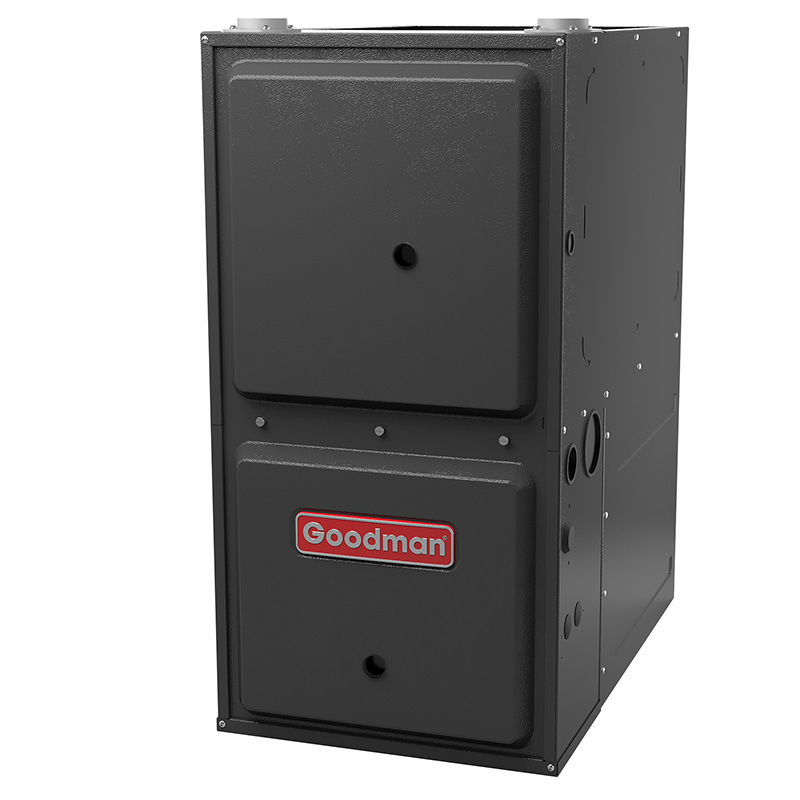
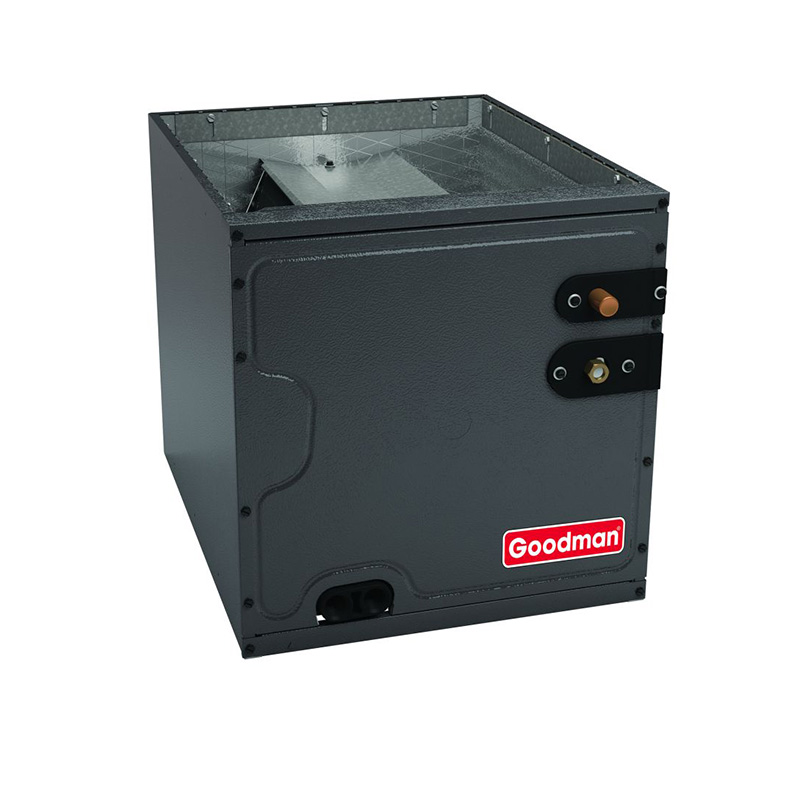
The Goodman GLXT7CA3610 pairs a 3-ton, 17.2 SEER2 two-stage air conditioner using R-32 refrigerant with a 100,000 BTU, 96% AFUE two-stage gas furnace in a downflow configuration. Downflow units discharge conditioned air through the bottom of the cabinet, making this combination a practical fit for homes with ductwork running under the floor, crawl spaces, or installations where the air handler sits in a closet above a first-floor return. The variable-speed ECM blower motor runs at lower speeds during mild conditions, which reduces electricity consumption on the air-moving side and can meaningfully cut monthly utility bills compared to single-speed alternatives.
The 17.2 SEER2 rating lands in the high-efficiency tier without reaching premium inverter-driven territory. Two-stage cooling means the compressor runs at a reduced capacity on moderate days and steps up only when the full 3 tons are needed, which improves humidity control and keeps temperature swings tighter than a single-stage unit. The furnace side mirrors that logic with two-stage heating and a 96% AFUE rating, so roughly 96 cents of every dollar spent on gas goes toward heat rather than flue losses. Together this system suits moderate-climate homes with existing ducted infrastructure and homeowners who want a meaningful efficiency upgrade from a builder-grade system without paying Carrier or Trane prices.
This Goodman combo system delivers genuinely strong efficiency specs and a feature set that competes with mid-tier Carrier and Trane offerings at a noticeably lower price point. The trade-off is a brand track record that shows higher long-term repair frequency than premium competitors, and performance that is more dependent on installation quality than most homeowners realize. Buyers who prioritize upfront savings and plan for occasional service calls after year 7 will find real value here.
Overall score is the average of the five ratings above.
What we like
- 17.2 SEER2 and 96% AFUE ratings reduce both cooling and heating energy costs meaningfully
- Two-stage operation on both units improves comfort and humidity control over single-stage systems
- ECM variable-speed blower lowers blower motor electricity consumption year-round
- R-32 refrigerant has a lower global warming potential than the R-410A it replaces
- Priced roughly 15 to 25 percent below comparable Carrier, Trane, and Lennox configurations
Trade-offs
- Compressor lifespan averages 10 to 14 years, shorter than the 15 to 20 years typically seen with premium brands
- Dual-run capacitor failures are the most commonly reported issue, usually appearing in years 5 through 10
- Evaporator coil leaks appear in a meaningful share of owner reviews and can be costly to diagnose and repair
- Downflow configuration limits installation flexibility and requires careful duct matching by the installing technician
What homeowners and pros say about Goodman
Homeowners tend to respond to Goodman with a split reaction that shows up clearly in the numbers. Google dealer reviews average around 3.8 out of 5 across hundreds of reviews per location, and the most consistent praise is straightforward: buyers got solid equipment without paying premium-brand prices. ConsumerAffairs tells a different story at roughly 2.5 out of 5, though that channel skews toward people motivated to post by a frustrating experience. The pattern that emerges from the ConsumerAffairs complaints is timing: repair costs start climbing noticeably after roughly year 7, which aligns with the documented compressor lifespan of 10 to 14 years, shorter than the 15 to 20 years commonly seen with Carrier, Trane, or Lennox equipment.
HVAC technicians who work on Goodman equipment regularly point to two recurring issues on service calls. Dual-run capacitor failures are the most common, typically a quick fix in the 300 to 600 dollar range, but frequent enough that experienced installers often recommend proactive replacement during tune-ups. Evaporator coil leaks are the more serious documented failure mode, appearing in a meaningful share of owner accounts and carrying a higher repair cost. A small minority of owners also report refrigerant issues within the first year, which technicians generally attribute to install or charge problems rather than a defect in the equipment itself. On this two-stage, ECM-equipped system, installation quality carries more weight than on simpler equipment, since both the two-stage compressor and the variable-speed blower require correct setup to deliver the efficiency and comfort the specs promise.
Sources: ConsumerAffairs Goodman owner reviews, AHRI Directory of Certified Product Performance, U.S. DOE appliance and equipment efficiency standards, Goodman product specification sheets.
What it costs to run
At 17.2 SEER2, cooling this 3-ton system for a typical 1200-hour cooling season at the U.S. average electricity rate of $0.17/kWh works out to roughly $427 per year in cooling, about $121 less per year than a minimum-efficiency 13.4 SEER2 unit of the same size. Your real cost depends on your climate and local rate.
Method: (36,000 BTU/hr ÷ 17.2 SEER2) × 1200 hours ÷ 1000 × $0.17/kWh. Rate source: U.S. EIA average; cooling hours: moderate-climate estimate.
How it compares
| Brand | Comparable model | SEER2 | Stage | Price position |
|---|---|---|---|---|
| Goodman | GLXT7CA3610 | 17.2 | Two-stage | Value pick |
| Carrier | Comfort 16 (24ACC636A003) | 16.0 | Single-stage | Moderately higher than Goodman for similar or lower efficiency |
| Trane | XR17 (4TTR7036J) | 17.2 | Two-stage | Notably higher than Goodman for comparable efficiency |
| Lennox | EL18XCV (EL18XCV-036) | 18.0 | Variable-speed | Significantly higher than Goodman with variable-speed compressor advantage |
Competitor rows are comparable single-stage units at similar efficiency; price is relative position, not a quote.
Questions about this system
Why does this system use a downflow configuration and will it work in my home?
Downflow means the furnace and air handler discharge air through the bottom of the cabinet into ductwork below the unit. This suits homes where the system sits on the main floor above a basement or crawl space with supply ducts running underfloor. If your ductwork connects above or to the side of the unit, you would need a different configuration.
What does R-32 refrigerant mean for service costs compared to older R-410A systems?
R-32 is gradually replacing R-410A in new equipment and has a lower global warming potential. Most HVAC technicians are already certified to handle it, so service should not be significantly harder to find or more expensive than R-410A work. As R-410A is phased out, R-32 equipment may actually see better parts and refrigerant availability over time.
What are the most likely repair costs I should budget for over the life of this system?
The most commonly reported failure on Goodman equipment is the dual-run capacitor, which typically runs between 300 and 600 dollars to replace and is usually a straightforward repair. Evaporator coil leaks are a more expensive documented issue and can run well beyond that range. A maintenance plan that includes annual capacitor inspection is worth considering.
How much does the two-stage operation actually improve comfort compared to a single-stage unit?
Two-stage cooling runs at reduced capacity during moderate weather, which extends runtime and allows the system to remove more humidity from the air before cycling off. Most homeowners in humid climates notice a real difference in indoor comfort compared to a single-stage unit that blasts full capacity and shuts off quickly.
Is the ECM variable-speed blower on the furnace the same as a variable-speed compressor?
No, these are separate components. The ECM motor controls the indoor blower fan speed and reduces electricity used to circulate air through the home. The compressor in this system is two-stage, not fully variable, meaning it operates at two fixed capacities rather than modulating continuously. Variable-speed compressors are found in higher-tier systems and typically carry a higher price.
Specifications
| Cooling capacity | 3 Ton |
| Efficiency | 17.2 SEER2 |
| Furnace output | 100000 BTU |
| Furnace efficiency | 96% AFUE |
| Configuration | Downflow |
| Refrigerant | R-32 |
| Model | GLXT7CA3610 |