Goodman 4 Ton 17.2 SEER2 AC With 100000 BTU 96% AFUE 2-Stage Variable-Speed ECM Gas Furnace System – Downflow | 2-Stage High Efficiency AC | R32
View on AC Direct see your lowest price →Check current price on AC Direct →
Key features
- 4-ton two-stage compressor rated at 17.2 SEER2 for high-efficiency cooling
- 100,000 BTU two-stage gas furnace at 96% AFUE for near-condensing efficiency
- Variable-speed ECM blower motor for quieter operation and better dehumidification
- Downflow configuration for closet or utility room installations with below-floor ductwork
- R-32 refrigerant with lower global warming potential than R-410A
- Factory-matched system tested and rated together for published efficiency numbers
About this system
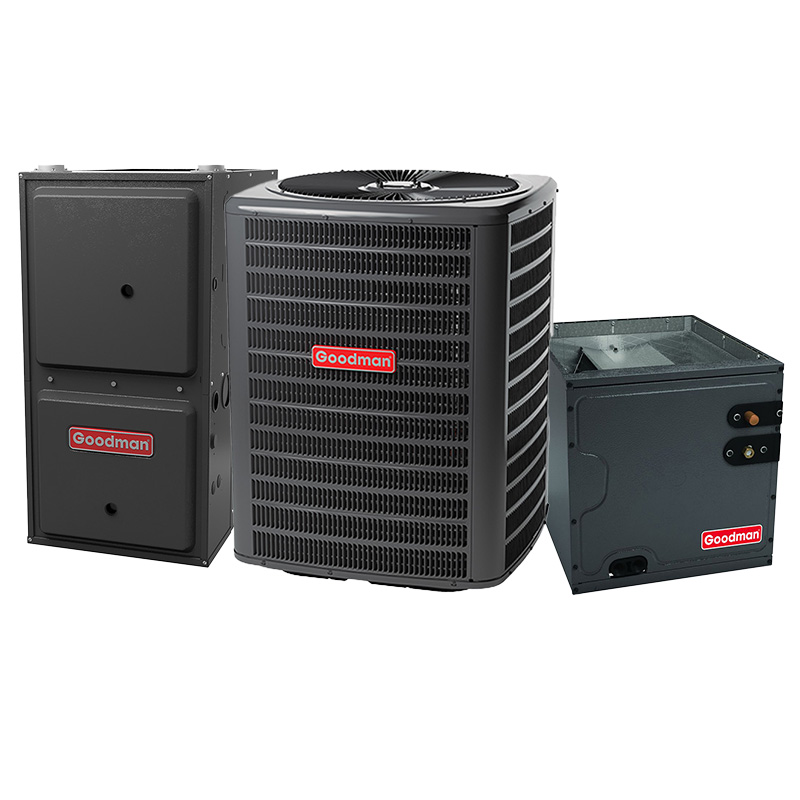
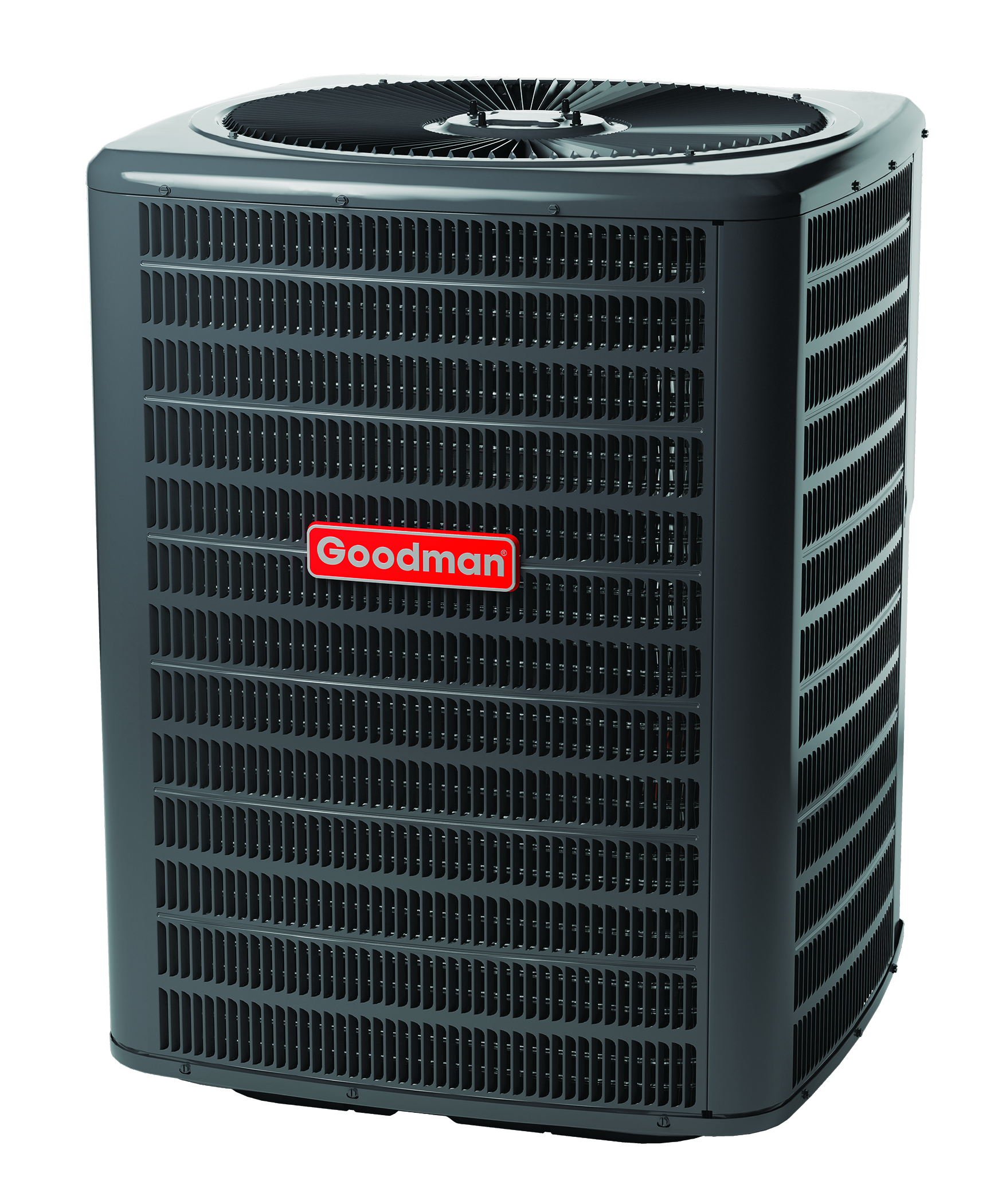
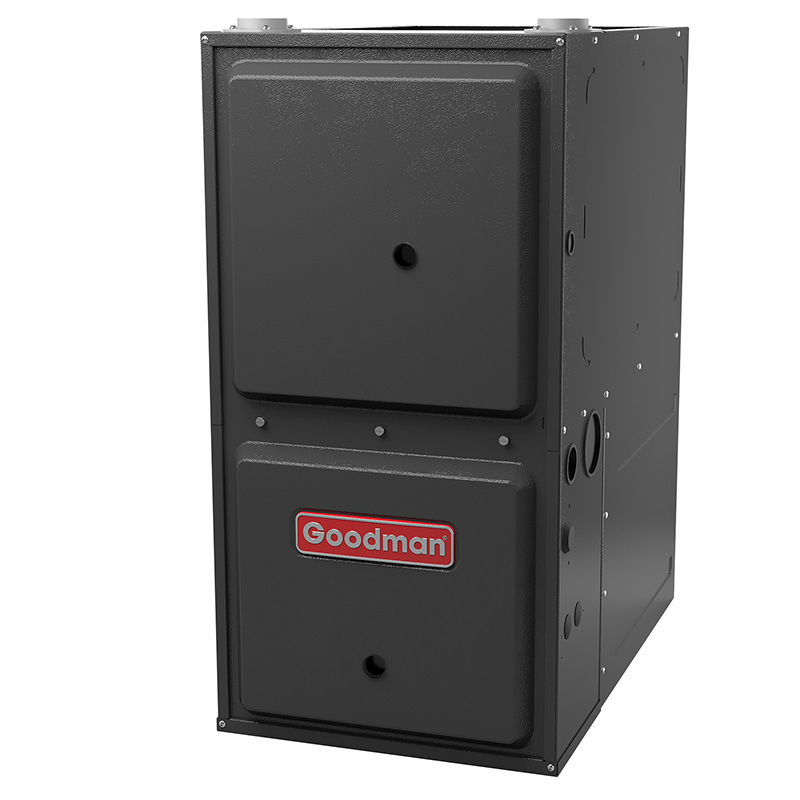
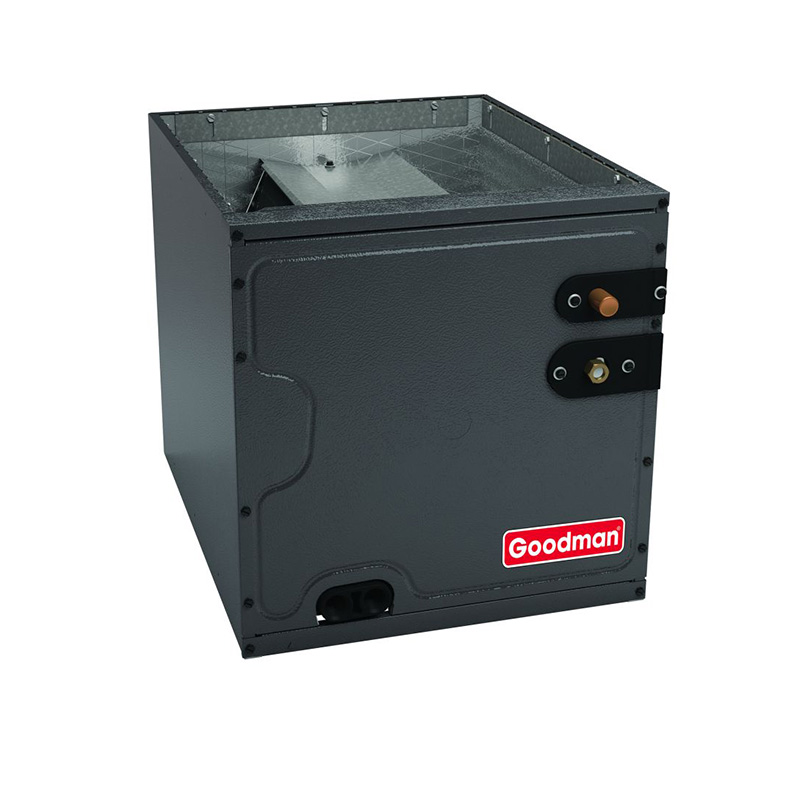
The Goodman GLXT7CA4810 pairs a 4-ton, 17.2 SEER2 two-stage central air conditioner with a 100,000 BTU, 96% AFUE two-stage variable-speed ECM gas furnace in a downflow configuration. That means the furnace discharges conditioned air downward through the floor, making it the right choice for homes where the air handler sits in a closet, utility room, or attic with ductwork running beneath it. The R-32 refrigerant charge is a meaningful step forward: R-32 has a lower global warming potential than the R-410A it replaces and is increasingly the industry standard going forward.
The 17.2 SEER2 rating places this system squarely in the high-efficiency tier without crossing into premium variable-capacity territory. Two-stage cooling means the compressor runs at roughly 65 percent capacity on mild days and steps up to full output only when needed, which reduces short-cycling, lowers humidity better than a single-stage unit, and trims monthly energy costs compared to standard 14-16 SEER2 equipment. The variable-speed ECM blower motor compounds those gains by running at lower, quieter speeds most of the time. Together, the combination suits homes in the 2,200 to 3,200 square foot range in mixed or hot climates where both heating and cooling loads are significant.
This system delivers a strong efficiency package at a price point that undercuts comparable Carrier, Trane, and Lennox systems by a meaningful margin, making it a reasonable choice for budget-conscious buyers who prioritize efficiency over brand prestige. The trade-off is a documented history of component-level failures, particularly capacitors and evaporator coil leaks, and compressor longevity that trails premium brands. If you secure a skilled installer and budget for potential mid-life repairs, the value proposition is real.
Overall score is the average of the five ratings above.
What we like
- 17.2 SEER2 and 96% AFUE place it firmly in high-efficiency territory for both cooling and heating
- Two-stage operation on both the AC and furnace reduces short-cycling and improves indoor humidity control
- Variable-speed ECM motor lowers blower energy consumption and quiets day-to-day operation
- R-32 refrigerant is a forward-looking choice with a cleaner environmental profile
- Priced 15 to 25 percent below comparable Trane, Lennox, and Carrier systems, freeing budget for installation quality
Trade-offs
- Dual-run capacitors are the most frequently reported failure point, typically requiring a 300 to 600 dollar service call
- Evaporator coil leaks appear in a meaningful share of long-term owner reports, which can be a costly mid-life repair
- Compressor lifespan averages 10 to 14 years versus 15 to 20 years for premium-brand compressors
- A minority of owners report refrigerant leaks within the first year, most tied to installation or initial charge issues rather than equipment defects
What homeowners and pros say about Goodman
On Google dealer review pages, Goodman consistently lands around 3.8 out of 5 stars, with affordability and accessible parts availability cited most often as reasons buyers are satisfied. The picture is more mixed on ConsumerAffairs, where Goodman sits near 2.5 out of 5, and the pattern in those reports is revealing: owners tend to be satisfied in the first few years, then encounter climbing repair costs beginning around year seven. The two failure modes that show up repeatedly are dual-run capacitor burnouts, which are a quick and relatively inexpensive fix in most cases, and evaporator coil leaks, which are more disruptive and costly to address.
HVAC technicians who work on Goodman equipment frequently make the point that installation quality is the single biggest variable in how long any Goodman system lasts. Proper refrigerant charging, correct airflow setup for a downflow configuration, and secure line set connections matter more with this brand than with higher-tolerance premium equipment. The documented compressor lifespan of roughly 10 to 14 years, compared to 15 to 20 years for Carrier, Trane, or Lennox compressors, is a real trade-off and worth factoring into the total cost of ownership. For buyers who understand those limitations, choose a skilled installer, and maintain the system consistently, the value gap over premium brands can make genuine financial sense over the system’s life.
Sources: ConsumerAffairs Goodman owner reviews, AHRI Directory of Certified Product Performance, U.S. DOE appliance and equipment efficiency standards, Goodman product specification sheets.
What it costs to run
At 17.2 SEER2, cooling this 4-ton system for a typical 1200-hour cooling season at the U.S. average electricity rate of $0.17/kWh works out to roughly $569 per year in cooling, about $162 less per year than a minimum-efficiency 13.4 SEER2 unit of the same size. Your real cost depends on your climate and local rate.
Method: (48,000 BTU/hr ÷ 17.2 SEER2) × 1200 hours ÷ 1000 × $0.17/kWh. Rate source: U.S. EIA average; cooling hours: moderate-climate estimate.
How it compares
| Brand | Comparable model | SEER2 | Stage | Price position |
|---|---|---|---|---|
| Goodman | GLXT7CA4810 | 17.2 | Two-stage | Value pick |
| Carrier | Performance 17 (24ACC736) | 17 | Two-stage | 15 to 25 percent more than this Goodman system |
| Trane | XR17 (4TTR7048) | 17 | Two-stage | Typically 20 to 30 percent more than this Goodman system |
| Lennox | Merit ML17XC1 (4-ton) | 17 | Single-stage | Comparable to or slightly above this Goodman system, single-stage cooling |
Competitor rows are comparable single-stage units at similar efficiency; price is relative position, not a quote.
Questions about this system
Why does this system use a downflow furnace and is my home compatible?
A downflow furnace discharges heated or cooled air through the bottom of the unit, so ductwork must be located beneath the air handler, typically in a crawlspace or basement floor. If your current furnace is already a downflow model or your utility closet feeds floor registers, this configuration fits. If your ducts run through the attic or ceiling, you likely need a horizontal or upflow unit instead.
What does R-32 refrigerant mean for me as a homeowner?
R-32 has a lower global warming potential than the R-410A used in most older systems and is becoming the new standard for residential equipment. From a practical standpoint, it works the same as far as comfort goes, but if the system ever needs a refrigerant charge or repair, your technician must be certified for R-32 handling. Most newer HVAC technicians are already familiar with it.
How much does the 17.2 SEER2 rating actually save on electricity compared to a standard system?
Compared to a minimum-efficiency 14 SEER2 unit, a 17.2 SEER2 system can reduce cooling energy consumption by roughly 18 to 20 percent, though actual savings depend on your local utility rate, climate, and how well the system is sized and installed. The two-stage compressor adds further savings by avoiding the high energy draw of constant full-capacity cycling on mild days.
What are the most common repairs I should budget for over the life of this system?
Based on documented Goodman owner experience, dual-run capacitor failure is the most frequent service call and typically costs 300 to 600 dollars including labor. Evaporator coil leaks are a longer-term concern that can be more expensive to address. Setting aside a modest annual maintenance budget and scheduling yearly tune-ups is the best way to catch these issues early.
Does Goodman's warranty cover both the AC and the furnace in this matched system?
Goodman offers a 10-year parts limited warranty on registered equipment, which covers the compressor, heat exchanger, and other major components when the system is registered within 60 days of installation. Labor is not included, which is typical for the industry at this price tier. Some dealers offer extended labor warranties separately, and it is worth asking about that before purchase.
Specifications
| Cooling capacity | 4 Ton |
| Efficiency | 17.2 SEER2 |
| Furnace output | 100000 BTU |
| Furnace efficiency | 96% AFUE |
| Configuration | Downflow |
| Refrigerant | R-32 |
| Model | GLXT7CA4810 |