Goodman 2 Ton Package Unit Gas / Electric AC – 81% Efficiency 40000 BTU | 13.4 SEER2 Multi-Positional | R32
View on AC Direct see your lowest price →Check current price on AC Direct →
Key features
- 2-ton cooling capacity with 40,000 BTU gas heating in a single packaged cabinet
- 13.4 SEER2 cooling efficiency meets current federal minimum standards
- 81% AFUE gas furnace section suited to mild-winter climates
- Multi-positional airflow allows horizontal or downflow installation
- R-32 refrigerant with lower global-warming potential than R-410A
- Factory-matched components eliminate sizing mismatches common with split systems
About this system
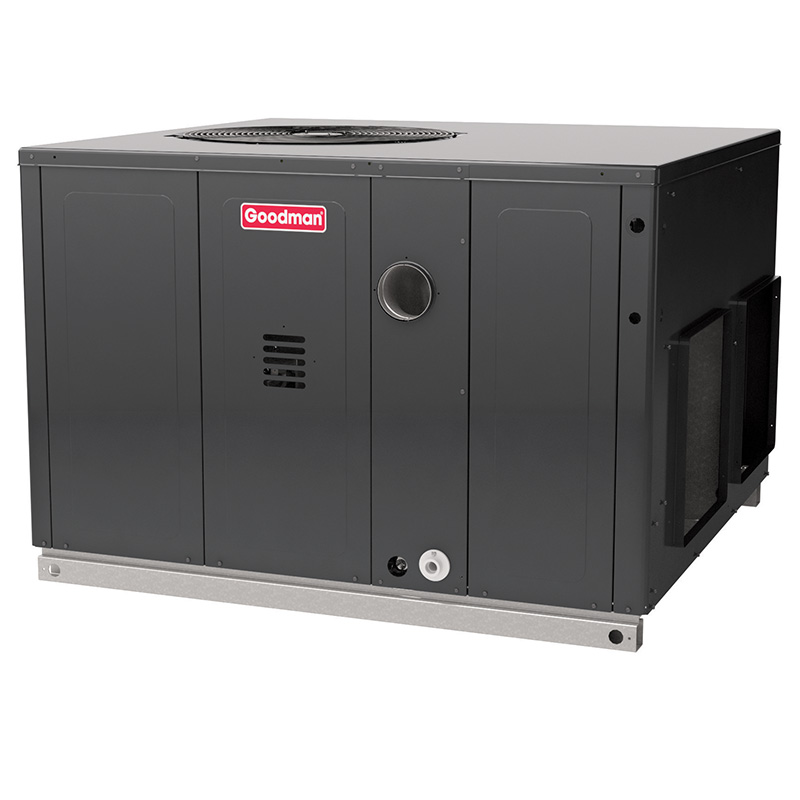
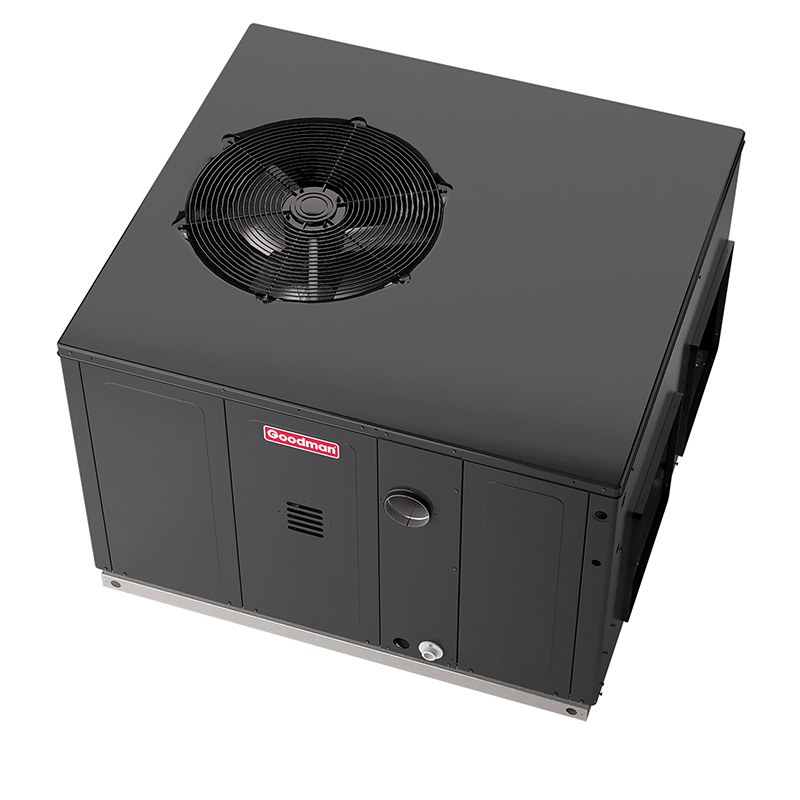
The Goodman GPGM32404031 is a 2-ton, multi-positional packaged gas/electric unit that combines a 40,000 BTU gas furnace section with a 13.4 SEER2 cooling system in a single cabinet. That all-in-one design is aimed at homes and light commercial spaces where a full air handler plus outdoor condenser simply won’t fit, or where the mechanical room is tight. The multi-positional configuration means installers can orient the unit for horizontal or downflow airflow, which broadens where it can be placed relative to ductwork. R-32 refrigerant gives it a lower global-warming potential than the R-410A it replaces, and it meets current EPA regulations for new equipment.
The 81 percent AFUE rating on the heating side sits at the lower end of what modern equipment offers. Code minimums in northern states now require 90 percent or higher, so this unit is primarily suited to warmer climates where heating demand is modest and buyers want cooling performance first. At 13.4 SEER2, it clears the federal efficiency floor but is not a high-efficiency system. Buyers chasing the lowest possible energy bills should look at higher-SEER2 alternatives. Where this unit earns its place is in budget-conscious projects, rental properties, or secondary structures where upfront cost matters more than long-run efficiency gains.
The GPGM32404031 is a workable entry-level packaged unit for warm-climate homes and rental properties where heating demand is low and upfront cost is the priority. Its efficiency figures clear current code but offer no meaningful advantage over the power bill, and long-term ownership costs depend heavily on who installs it and how well it is maintained. Buyers willing to spend a bit more can find higher-SEER2 or higher-AFUE alternatives that pay back over time.
Overall score is the average of the five ratings above.
What we like
- Priced 15 to 25 percent below comparable Carrier, Trane, and Lennox packaged units
- Single-cabinet design simplifies installation where space is limited
- Multi-positional airflow gives installers flexibility with duct configurations
- R-32 refrigerant is code-compliant and more environmentally favorable than R-410A
- Factory-matched gas and electric sections reduce the guesswork of component pairing
Trade-offs
- 81% AFUE is below code in many northern states and is inefficient for climates with real winter heating loads
- 13.4 SEER2 is the efficiency floor, not a selling point, and will cost more to run than higher-rated alternatives
- Compressor lifespan averages 10 to 14 years versus 15 to 20 for premium brands, raising long-term replacement risk
- Documented failure modes include dual-run capacitor failures, evaporator coil leaks, and a minority of early refrigerant leaks tied to install quality
What homeowners and pros say about Goodman
Homeowners who go with Goodman equipment tend to split into two camps based on their experience: those whose units were installed carefully and serviced regularly who report years of uneventful operation, and those who ran into problems early and faced climbing repair bills. On ConsumerAffairs, Goodman scores around 2.5 out of 5, a channel where frustrated owners are more likely to post than satisfied ones, and the recurring theme in those complaints is repair costs that accumulate noticeably after roughly year seven. Google reviews at dealer locations tell a softer story, averaging around 3.8 out of 5 across several hundred reviews per location, with affordability as the most consistent compliment.
HVAC professionals are frank about this particular product category: at this price point you are getting functional equipment, not premium components. The dual-run capacitor is the most commonly cited failure point on Goodman units, a low-cost fix when caught early but a sign that other components may follow. Evaporator coil leaks appear often enough in owner reviews to be a genuine concern, not an outlier. Compressors in Goodman systems tend to average 10 to 14 years of service, compared to 15 to 20 years in premium brands, which is a real consideration if you plan to stay in the home for a long time. The bottom line from pros is straightforward: hire a skilled, licensed installer, have the refrigerant charge verified at startup, and keep up with annual maintenance, and this unit can deliver its expected service life. Skip those steps and the savings on purchase price can evaporate quickly in repairs.
Sources: ConsumerAffairs Goodman owner reviews, AHRI Directory of Certified Product Performance, U.S. DOE appliance and equipment efficiency standards, Goodman product specification sheets.
What it costs to run
At 13.4 SEER2, cooling this 2-ton system for a typical 1200-hour cooling season at the U.S. average electricity rate of $0.17/kWh works out to roughly $365 per year in cooling, about $0 less per year than a minimum-efficiency 13.4 SEER2 unit of the same size. Your real cost depends on your climate and local rate.
Method: (24,000 BTU/hr ÷ 13.4 SEER2) × 1200 hours ÷ 1000 × $0.17/kWh. Rate source: U.S. EIA average; cooling hours: moderate-climate estimate.
How it compares
| Brand | Comparable model | SEER2 | Stage | Price position |
|---|---|---|---|---|
| Goodman | GPGM32404031 | 13.4 | Single-stage | Value pick |
| Carrier | WeatherMaster 50XC | 14.0 | Single-stage | Moderately higher than Goodman |
| Trane | XR13c Packaged | 13.4 | Single-stage | Higher than Goodman, roughly 15 to 25 percent premium |
| Lennox | LRP16GE Packaged | 16.0 | Single-stage | Significantly higher than Goodman, premium tier |
Competitor rows are comparable single-stage units at similar efficiency; price is relative position, not a quote.
Questions about this system
Is 81% AFUE going to be a problem for my area?
In states that follow the latest DOE residential furnace standards, 81% AFUE is not permitted for new installations in northern climate zones, so check your local code before purchasing. In warmer southern climates the unit is generally code-compliant, but if you run heat more than a few months a year you will notice higher gas bills compared to a 90-plus AFUE alternative.
What does multi-positional mean on this packaged unit, and does it matter for my install?
Multi-positional means the unit can be configured for horizontal airflow, which connects to ductwork running through a crawl space or attic, or downflow, which sends air downward into floor ducts. It gives your installer more options to match your existing duct layout without fabricating expensive custom transitions.
Why does this unit use R-32 instead of R-410A?
R-410A is being phased down under EPA regulations due to its high global-warming potential. R-32 has roughly one-third the climate impact of R-410A and is the refrigerant Goodman and other manufacturers are moving to in new equipment. Technicians servicing this unit will need R-32 certification and equipment, so confirm your service provider is equipped before purchasing.
What are the most likely repairs I should budget for over the life of this unit?
Dual-run capacitors are the most commonly reported failure on Goodman equipment and typically cost 300 to 600 dollars to repair, which is relatively minor. Evaporator coil leaks appear in a meaningful share of owner reviews and are more expensive. Compressors on Goodman units tend to average 10 to 14 years of service, so budgeting for a possible compressor replacement after roughly a decade is reasonable.
How much does install quality actually affect how long this unit lasts?
HVAC technicians consistently cite install quality as the single biggest variable in Goodman unit longevity. A minority of owners report refrigerant leaks in the first year, which is almost always an installation or charge issue rather than a factory defect. Getting a licensed, experienced installer and having the refrigerant charge verified after startup will do more for this unit's lifespan than almost any other single factor.
Specifications
| Cooling capacity | 2 Ton |
| Efficiency | 13.4 SEER2 |
| Furnace output | 40000 BTU |
| Configuration | Multi-Position |
| Refrigerant | R-32 |
| Model | GPGM32404031 |