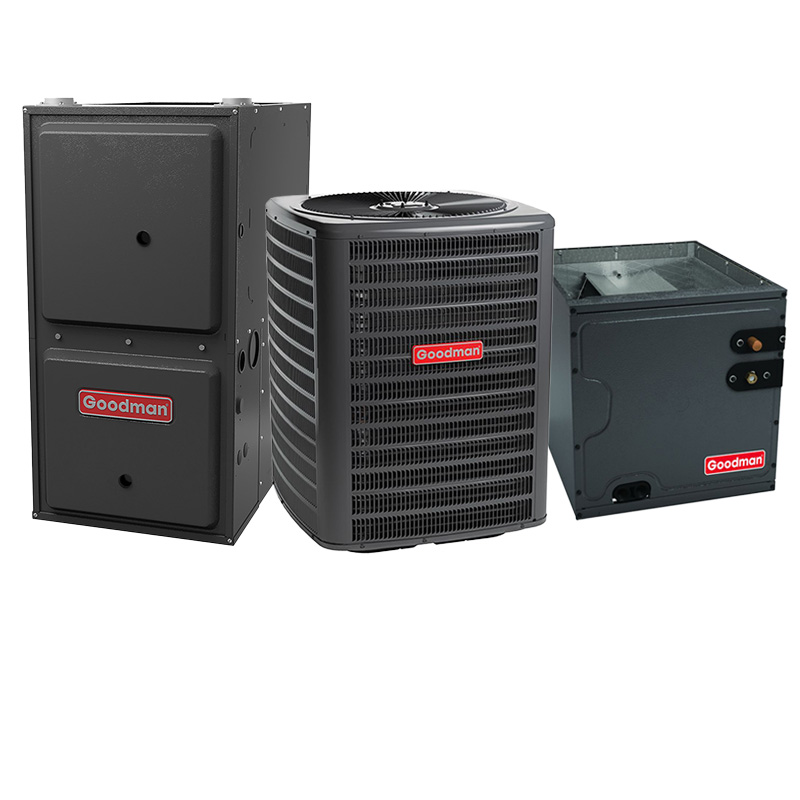
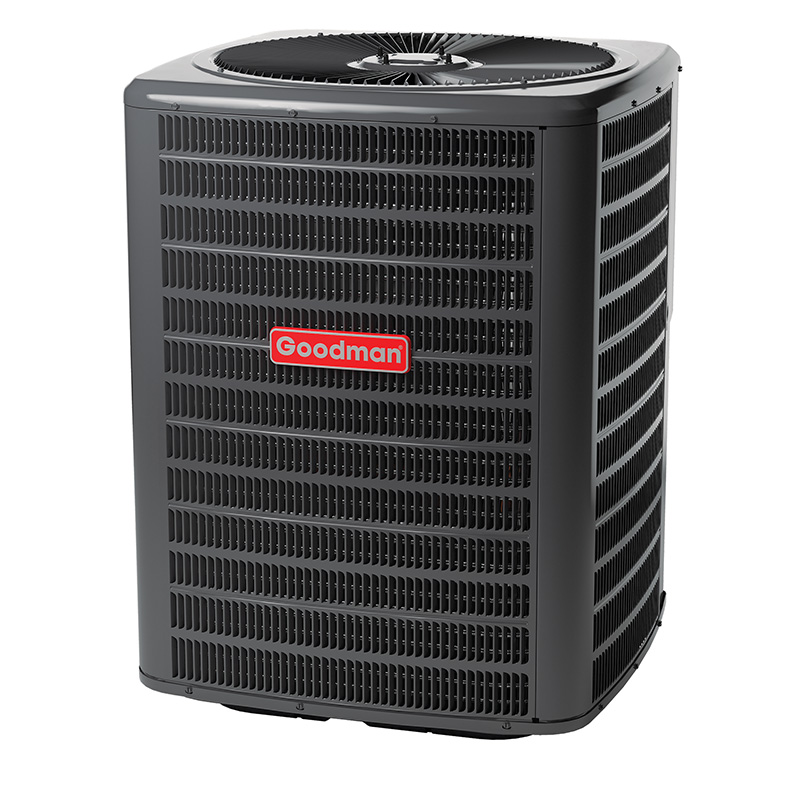
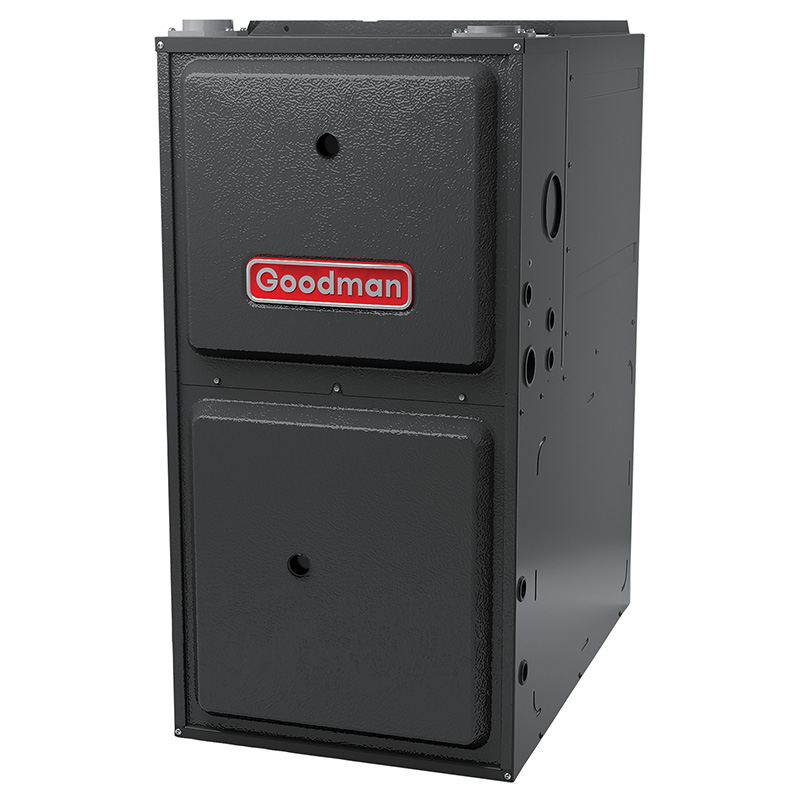
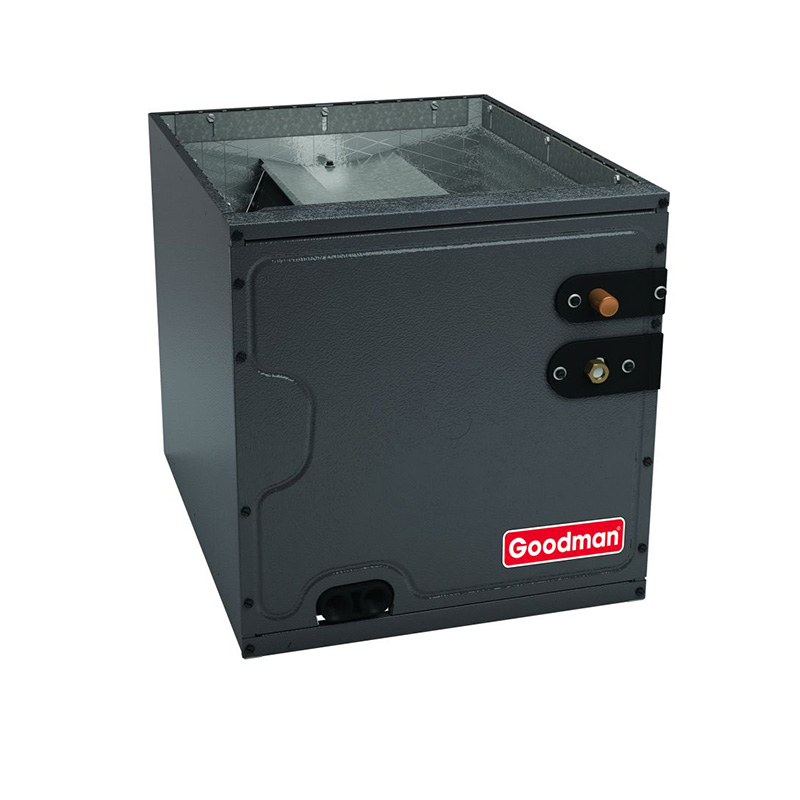
Goodman 1.5 Ton 15.2 SEER2 R32 AC System with 40,000 BTU 96% AFUE Gas Furnace – California & Colorado Ultra Low NOx, Upflow, Multi-Speed ECM
View on AC Direct see your lowest price →Check current price on AC Direct →
Key features
- 15.2 SEER2 cooling efficiency meets 2023 federal standards with moderate energy savings over baseline equipment
- 96% AFUE gas furnace converts nearly all fuel to heat, reducing gas bills in heating-dominant climates
- Ultra Low NOx certified for California and Colorado air quality compliance
- R-32 refrigerant with lower global warming potential than R-410A
- Multi-speed ECM blower motor improves humidity management and reduces fan energy use
- Upflow configuration suits basement, closet, or utility room installs where air rises into overhead ductwork
About this system
The Goodman 1.5-ton, 15.2 SEER2 air conditioner paired with a 40,000 BTU 96% AFUE gas furnace is a compact, high-efficiency split system aimed at smaller homes, condos, additions, or well-insulated spaces in the 500 to 900 square foot range, depending on climate and building envelope. The 15.2 SEER2 rating clears the federal minimum efficiency threshold for most regions and lands in the entry-level tier of high-efficiency equipment, meaning real-world energy savings over older 13 or 14 SEER systems without the premium price of variable-speed or two-stage alternatives. The 96% AFUE furnace is a genuine efficiency achievement, converting 96 cents of every dollar of gas into usable heat, which matters most in colder climates where the furnace runs hard through winter.
This configuration is specifically certified for California and Colorado Ultra Low NOx requirements, meaning it meets the strictest nitrogen oxide emissions standards in the country. R-32 refrigerant replaces the older R-410A in this system, offering a lower global warming potential. The upflow cabinet orientation suits standard installations where the furnace sits on a basement floor or slab and air moves upward into the duct system. The multi-speed ECM blower motor improves humidity control and airflow consistency compared to a single-speed PSC motor, and it draws significantly less electricity during fan-only or lower-demand operation. Buyers should understand this is a multi-speed, not variable-speed, system, so modulation is limited compared to premium two-stage or fully variable equipment.
This system delivers genuine efficiency credentials and regulatory compliance at a price point well below comparable Carrier, Trane, or Lennox equipment, making it a reasonable choice for budget-conscious buyers who have access to a quality installer. The trade-off is a brand track record that shows higher-than-average component failure rates after year 7 and compressor longevity that lags premium competitors. The value proposition is real, but it depends heavily on installation quality and a willingness to budget for potential repairs in the second half of the system's life.
Overall score is the average of the five ratings above.
What we like
- Priced 15 to 25 percent below comparable Trane, Lennox, and Carrier systems for the same efficiency tier
- 96% AFUE furnace is among the most efficient gas heat options available at any price point
- Ultra Low NOx certification satisfies California and Colorado regulatory requirements out of the box
- Multi-speed ECM motor improves comfort and dehumidification compared to basic single-speed blowers
- R-32 refrigerant is more environmentally responsible than R-410A and aligns with future regulatory direction
Trade-offs
- Compressor lifespan averages 10 to 14 years versus 15 to 20 for premium brands, meaning earlier replacement costs are a realistic planning item
- Dual-run capacitors are the most commonly reported failure point, typically appearing after several years of use
- Evaporator coil leaks appear in a meaningful share of owner reviews and can be costly to repair or replace
- A minority of owners report refrigerant leaks within the first year, usually tied to installation or initial charge quality rather than the unit itself
What homeowners and pros say about Goodman
Homeowners who comment on Goodman equipment tend to split along a clear line: those who had an attentive installer and have stayed current on maintenance often describe years of uneventful operation and point to the lower purchase price as genuinely freeing up budget for other priorities. On the other end, the brand’s ConsumerAffairs rating sits at roughly 2.5 out of 5, a score shaped by a channel that captures frustrated owners more than satisfied ones, where the recurring story is repair costs that begin to accumulate after about year 7. Google dealer reviews across Goodman-affiliated locations average closer to 3.8 out of 5, and affordability is the most consistent reason people give for choosing the brand. Neither number tells the whole story, but together they suggest a product that delivers on its value promise early in its life and asks more of the owner later.
HVAC technicians who work on Goodman equipment regularly cite dual-run capacitor failure as the most common service call they see on these systems, a repair that is quick and typically falls in the 300 to 600 dollar range. More concerning to pros is the rate of evaporator coil leaks that show up in owner feedback, which can be a more involved and expensive repair depending on how the system is installed and how quickly the problem is caught. Compressor longevity is the bigger picture concern: Goodman compressors tend to average 10 to 14 years of service life, compared to 15 to 20 years that technicians associate with Trane, Carrier, or Lennox at comparable efficiency tiers. For this specific 1.5-ton, 96% AFUE Ultra Low NOx system, the R-32 refrigerant and ECM blower represent genuine steps forward, but the brand’s underlying reliability profile has not changed, and any technician will tell you the install quality on day one remains the single biggest determinant of how this system performs over its full service life.
Sources: ConsumerAffairs Goodman owner reviews, AHRI Directory of Certified Product Performance, U.S. DOE appliance and equipment efficiency standards, Goodman product specification sheets.
What it costs to run
At 15.2 SEER2, cooling this 1.5-ton system for a typical 1200-hour cooling season at the U.S. average electricity rate of $0.17/kWh works out to roughly $242 per year in cooling, about $32 less per year than a minimum-efficiency 13.4 SEER2 unit of the same size. Your real cost depends on your climate and local rate.
Method: (18,000 BTU/hr ÷ 15.2 SEER2) × 1200 hours ÷ 1000 × $0.17/kWh. Rate source: U.S. EIA average; cooling hours: moderate-climate estimate.
How it compares
| Brand | Comparable model | SEER2 | Stage | Price position |
|---|---|---|---|---|
| Goodman | GSXH5-18 + GMVC96 / GMEC96 Series (this system) | 15.2 | Multi-speed | Value pick |
| Carrier | Comfort 15 (24ACC6) with 58MVC Gas Furnace | 15.2 | Single-stage | Moderately higher than this system |
| Trane | XR15 (4TTR5) with S9V2 Gas Furnace | 15.0 to 15.5 | Single-stage | Moderately to significantly higher than this system |
| Lennox | Merit 16ACX with ML96V Gas Furnace | 15.5 to 16.0 | Single-stage with variable-speed blower | Significantly higher than this system |
Competitor rows are comparable single-stage units at similar efficiency; price is relative position, not a quote.
Questions about this system
Is this system actually approved for sale and installation in California and Colorado, or do I need to verify that separately?
Yes, this configuration is specifically designated as Ultra Low NOx compliant, which is the emissions certification required by California's South Coast AQMD and certain Colorado air quality districts. You should still confirm with your local jurisdiction that this model number appears on their approved equipment list before purchasing, as enforcement and list updates vary by district.
Does R-32 refrigerant require any special handling or certifications from my installer?
R-32 is an A2L refrigerant, meaning it is mildly flammable, and some jurisdictions require installers to have specific A2L handling training or updated equipment. Most current-licensed HVAC technicians are familiar with it, but it is worth confirming your installer has worked with A2L refrigerants before scheduling the job.
What size home or space is a 1.5-ton system actually appropriate for?
A rough rule of thumb is 500 to 900 square feet of conditioned space, but the real answer depends on your climate zone, insulation levels, window area, and ceiling height. A proper Manual J load calculation by your installer is the only reliable way to confirm 1.5 tons is the right size for your specific situation, and undersizing or oversizing either unit hurts both comfort and equipment life.
The reviews mention capacitor failures and coil leaks. How worried should I be, and what does it cost to fix them?
Dual-run capacitor replacement is the most commonly reported repair on Goodman equipment and typically runs in the 300 to 600 dollar range including labor, which is a manageable cost. Evaporator coil leaks are more serious and appear in a meaningful share of owner reviews; coil replacement can run significantly higher. Keeping up with annual maintenance and catching small issues early reduces the risk of either becoming a larger problem.
What warranty does this Goodman system come with, and are there any conditions I need to meet to keep it valid?
Goodman typically offers a 10-year parts limited warranty when the equipment is registered within a set window after installation, often 60 days. Failure to register usually drops coverage to a shorter base warranty period. The warranty covers parts but not labor, which can be a significant out-of-pocket cost if a major component like a compressor or heat exchanger fails after the installer's workmanship warranty expires.
Specifications
| Cooling capacity | 1.5 Ton |
| Efficiency | 15.2 SEER2 |
| Furnace output | 40,000 BTU |
| Furnace efficiency | 96% AFUE |
| Configuration | Upflow |
| Refrigerant | R-32 |