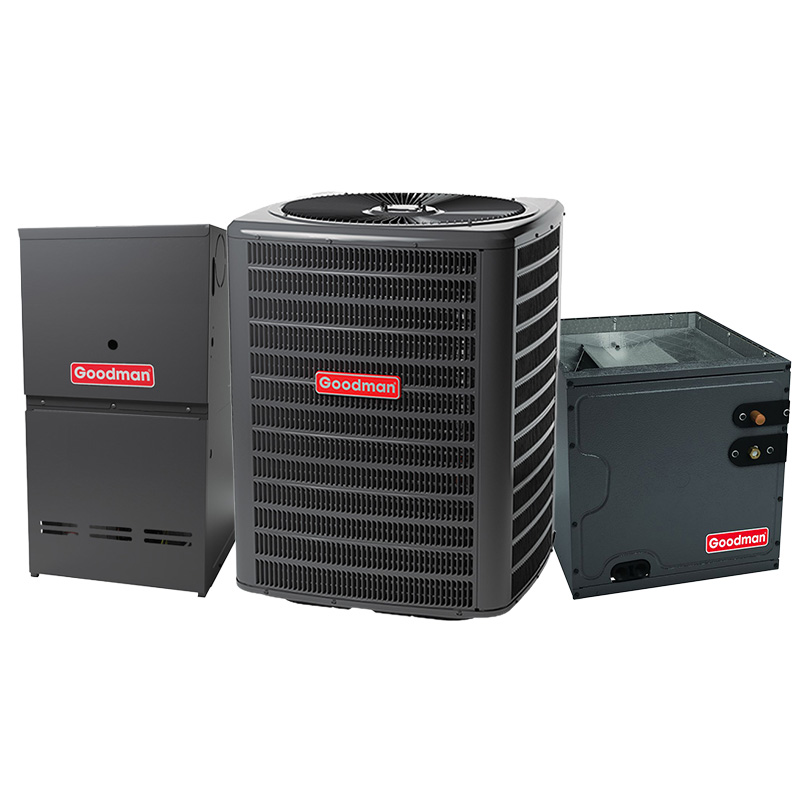
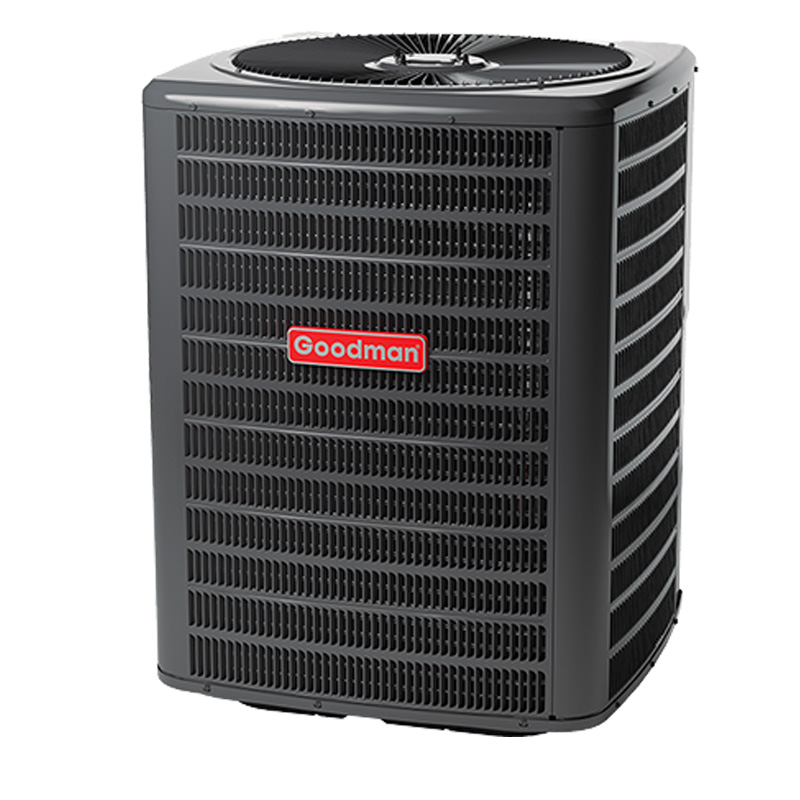
Goodman 3 Ton AC And 80000 BTU 80% AFUE Gas Furnace System | 15.2 SEER2 AC | Multi-Speed ECM Low NOx Furnace | Downflow | R32
View on AC Direct see your lowest price →Check current price on AC Direct →
Key features
- 3-ton cooling capacity with 15.2 SEER2 efficiency rating
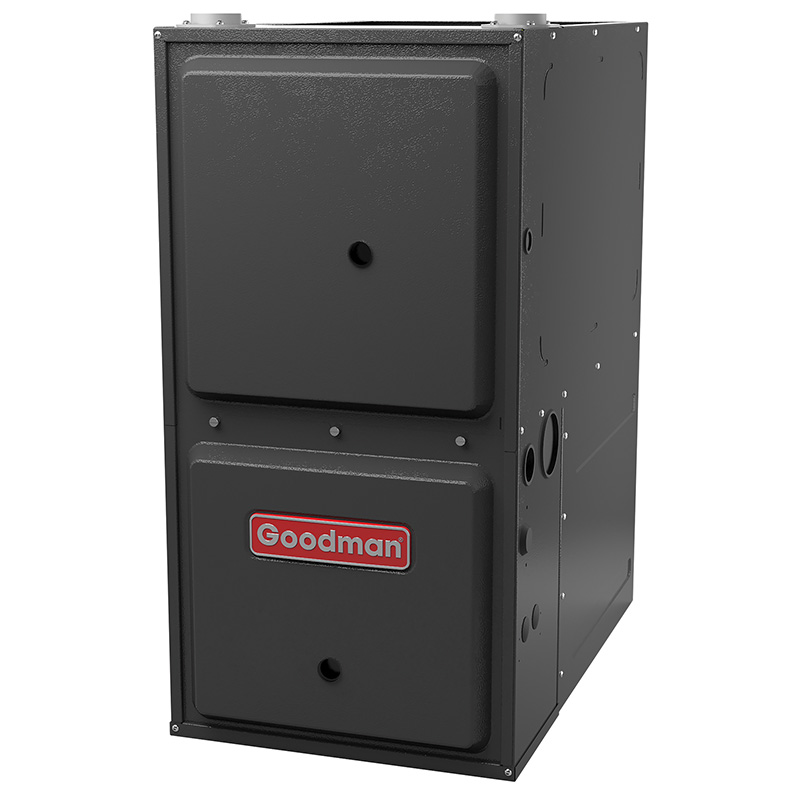
- 80,000 BTU gas furnace at 80% AFUE with multi-speed ECM blower motor
- Downflow configuration for closet, utility room, or above-living-area installs
- R-32 refrigerant charge, lower global warming potential than R-410A
- Low NOx burner design for reduced nitrogen oxide emissions
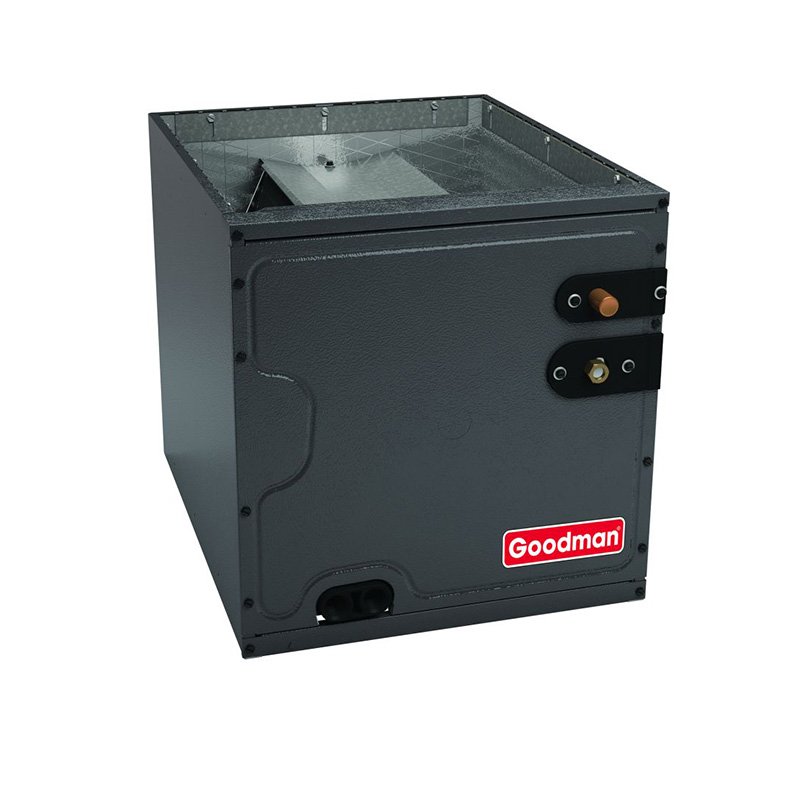
- Factory-matched coil and cabinet for simplified installation and warranty compliance
About this system
This Goodman 3-ton combination system pairs a 15.2 SEER2 central air conditioner with an 80,000 BTU, 80% AFUE gas furnace in a downflow configuration, making it a direct fit for homes where the air handler sits in a closet, utility room, or attic space above the living area with supply ducts running downward. The R-32 refrigerant charge is a forward-looking choice: R-32 has a lower global warming potential than the R-410A it replaces and is becoming the industry standard as manufacturers phase out older refrigerants. The multi-speed ECM blower motor in the furnace runs at the speed your system actually needs, which reduces electricity consumption during heating cycles and improves comfort consistency compared to a single-speed PSC motor.
The 15.2 SEER2 efficiency rating clears the federal minimum for most U.S. regions but sits at the lower end of mid-efficiency territory. Homeowners in mild climates or those replacing a very old, low-efficiency unit will see meaningful utility bill reductions, but buyers in hot Southern climates who run air conditioning five or six months a year may find the math on a higher-SEER2 system pencils out over time. The 80% AFUE furnace is similarly entry-level efficient: one-fifth of the fuel you burn exits the flue as waste heat. That is code-compliant across most of the country but falls short of the 90%-plus condensing furnaces available at a higher upfront cost. This system is best understood as a solid-performing, budget-conscious package rather than a premium efficiency investment.
This Goodman bundle delivers dependable baseline performance at a price point 15 to 25 percent below comparable Trane, Carrier, and Lennox systems, and the R-32 refrigerant and ECM motor are genuine upgrades over bare-minimum alternatives at this price tier. The trade-off is a compressor that historically averages 10 to 14 years versus 15 to 20 for premium brands, and an 80% AFUE furnace that will cost more to operate than a condensing unit over a full equipment lifespan. For budget-conscious buyers with a skilled installer, it is a reasonable choice; for those who want to install and forget, the extra spend on a premium brand deserves serious consideration.
Overall score is the average of the five ratings above.
What we like
- Price comes in 15 to 25 percent below comparable Carrier, Trane, and Lennox systems
- ECM multi-speed blower reduces electricity use during heating and improves airflow consistency
- R-32 refrigerant is lower GWP and positions the system well for refrigerant availability going forward
- Factory-matched system simplifies commissioning and satisfies warranty requirements without mixing brands
- Low NOx burner meets strict emissions standards including California air quality districts
Trade-offs
- 80% AFUE furnace wastes 20% of combustion heat up the flue, raising long-term operating costs vs. condensing alternatives
- Compressor lifespan averages 10 to 14 years based on documented brand history, shorter than premium-brand benchmarks of 15 to 20 years
- Dual-run capacitors are the most frequently reported failure point, typically requiring service around year 7 and beyond
- Evaporator coil leaks appear in a meaningful share of owner reports, and early refrigerant leaks in the first year are usually tied to install quality
What homeowners and pros say about Goodman
Homeowners who comment on Goodman equipment online tend to sort into two camps, and the split is somewhat explained by the review channels. On ConsumerAffairs, Goodman scores around 2.5 out of 5, a channel that draws complaints disproportionately, and the recurring pattern is repair costs that start climbing after roughly year 7. On Google dealer reviews, the picture is more balanced at around 3.8 out of 5, where the most frequent praise is straightforward: the price is hard to argue with and the system did what it was supposed to do. Neither number tells the full story on its own.
HVAC technicians who service this equipment consistently point to install quality as the variable that separates a Goodman that runs clean for 12 to 15 years from one that keeps the parts truck coming back. The documented weak points are worth knowing before you buy: dual-run capacitors are the most commonly reported failure and are usually a quick, relatively inexpensive fix; evaporator coil leaks show up in a meaningful share of owner accounts; and compressors on Goodman equipment have historically averaged 10 to 14 years, which is shorter than the 15 to 20 years documented for premium brands. A minority of owners also report refrigerant leaks within the first year, a pattern that points to installation or initial charge issues rather than the equipment itself. For this specific downflow R-32 system, asking your installer about their experience with R-32 handling and with downflow coil configurations is a reasonable step before signing a contract.
Sources: ConsumerAffairs Goodman owner reviews, AHRI Directory of Certified Product Performance, U.S. DOE appliance and equipment efficiency standards, Goodman product specification sheets.
What it costs to run
At 15.2 SEER2, cooling this 3-ton system for a typical 1200-hour cooling season at the U.S. average electricity rate of $0.17/kWh works out to roughly $483 per year in cooling, about $65 less per year than a minimum-efficiency 13.4 SEER2 unit of the same size. Your real cost depends on your climate and local rate.
Method: (36,000 BTU/hr ÷ 15.2 SEER2) × 1200 hours ÷ 1000 × $0.17/kWh. Rate source: U.S. EIA average; cooling hours: moderate-climate estimate.
How it compares
| Brand | Comparable model | SEER2 | Stage | Price position |
|---|---|---|---|---|
| Goodman | 3-Ton 15.2 SEER2 / 80K BTU 80% AFUE Downflow R-32 Bundle | 15.2 | Single-stage | Value pick |
| Carrier | Comfort 24ACC636 with 58TP 80% Furnace | 15.2 | Single-stage | Roughly 15 to 20 percent higher than this Goodman bundle |
| Trane | XR15 with S8X1 80% Furnace | 15.2 | Single-stage | Roughly 20 to 25 percent higher than this Goodman bundle |
| Lennox | Merit ML15 with ML180 80% Furnace | 15.2 | Single-stage | Roughly 15 to 20 percent higher than this Goodman bundle |
Competitor rows are comparable single-stage units at similar efficiency; price is relative position, not a quote.
Questions about this system
Why does this system use R-32 instead of R-410A, and does that affect service costs?
Goodman has shifted to R-32 as the industry moves away from R-410A, which has a significantly higher global warming potential. R-32 is widely available and used by major manufacturers worldwide, so it should not be difficult or unusually expensive to source for service. One practical note: R-32 is mildly flammable, so technicians handling it need proper A2L certification, which most licensed HVAC contractors already hold or are obtaining.
My house has a downflow furnace location. What does that mean for ductwork and installation?
A downflow furnace discharges conditioned air through the bottom of the cabinet, so supply ducts run downward into the floor or crawlspace. This configuration is common in utility closets and some basement setups. It requires the coil to be mounted below the furnace, which is how this factory-matched system is configured. Make sure your installer confirms the unit will fit the existing cabinet space and that the flue routing works for an 80% non-condensing furnace, which requires a standard metal flue rather than PVC.
How serious is the capacitor failure issue, and what does it cost to fix?
Dual-run capacitors are the single most commonly reported failure point for Goodman AC systems, and they tend to show up after roughly year 7. The good news is that a capacitor replacement is one of the simpler, lower-cost HVAC repairs, generally falling in the 300 to 600 dollar range including a service call. Keeping a service agreement or checking the capacitor during annual tune-ups can catch degradation before it causes a no-cooling failure on a hot day.
Should I upgrade to a 96% AFUE condensing furnace instead of this 80% unit?
If you heat with natural gas for more than four or five months per year or have high utility rates, the upgrade to a 96% AFUE condensing furnace often pays back within five to eight years in fuel savings. The 80% unit is a reasonable choice in mild-winter climates with low gas rates or in situations where the existing flue is sized and positioned for a non-condensing appliance and rerouting for PVC exhaust would add significant installation cost.
What warranty does this Goodman system carry, and are there conditions I need to meet?
Goodman typically offers a 10-year parts warranty on registered systems, which requires online registration within a set window after installation, usually 60 days. Failure to register generally drops coverage to a shorter base warranty. The compressor is usually covered separately under the parts warranty, but labor is not included, meaning repair bills beyond the first year are on the homeowner. Confirm current warranty terms with your dealer at the time of purchase, as they can change.
Specifications
| Cooling capacity | 3 Ton |
| Efficiency | 15.2 SEER2 |
| Furnace output | 80000 BTU |
| Furnace efficiency | 80% AFUE |
| Configuration | Downflow |
| Refrigerant | R-32 |