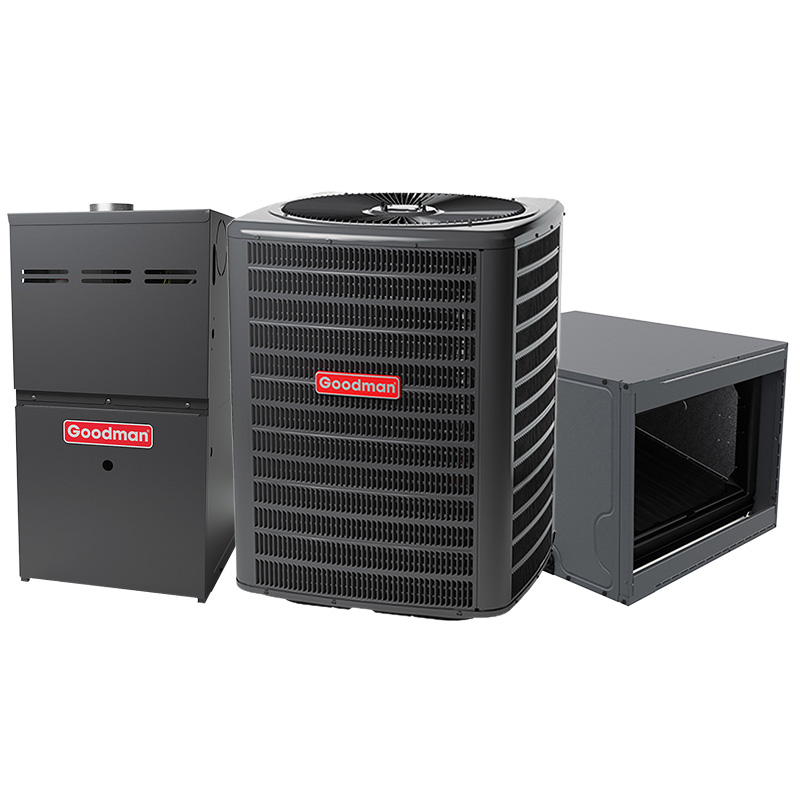
Goodman 3 Ton AC And 80000 BTU 80% AFUE Gas Furnace System | 16 SEER2 AC | Multi-Speed ECM Low NOx Furnace | Horizontal | R32
View on AC Direct see your lowest price →Check current price on AC Direct →
Key features
- 3-ton, 16 SEER2 central air conditioner with R-32 refrigerant
- 80,000 BTU gas furnace rated at 80% AFUE
- Multi-speed ECM blower motor for reduced electricity use and better humidity control
- Low NOx burner meets California and other strict-emission-zone requirements
- Horizontal cabinet orientation designed for attic, crawlspace, or side-discharge installs
- Goodman factory warranty covers the compressor and heat exchanger with registration
About this system
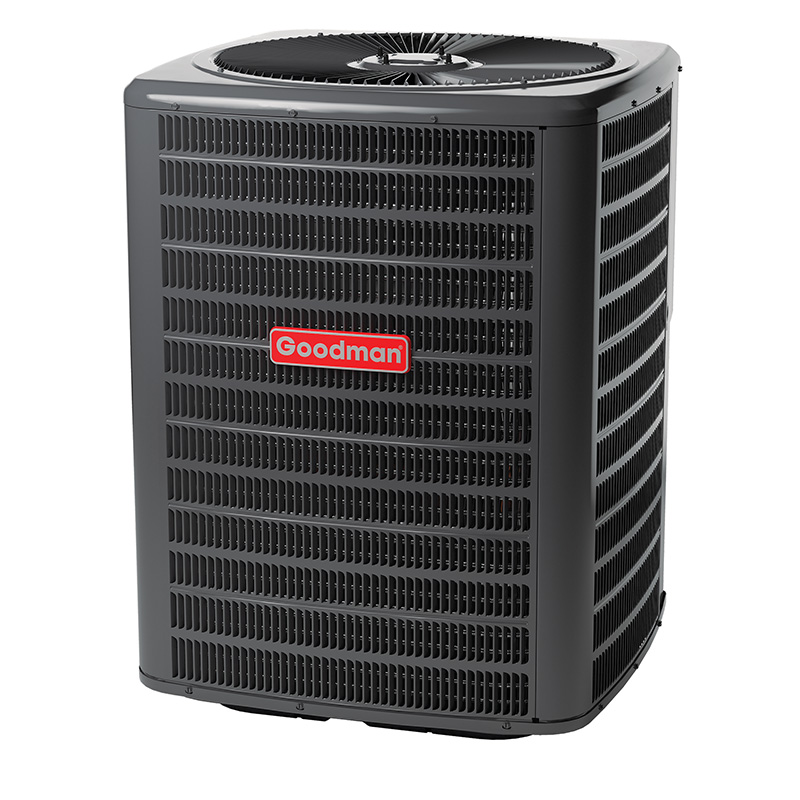
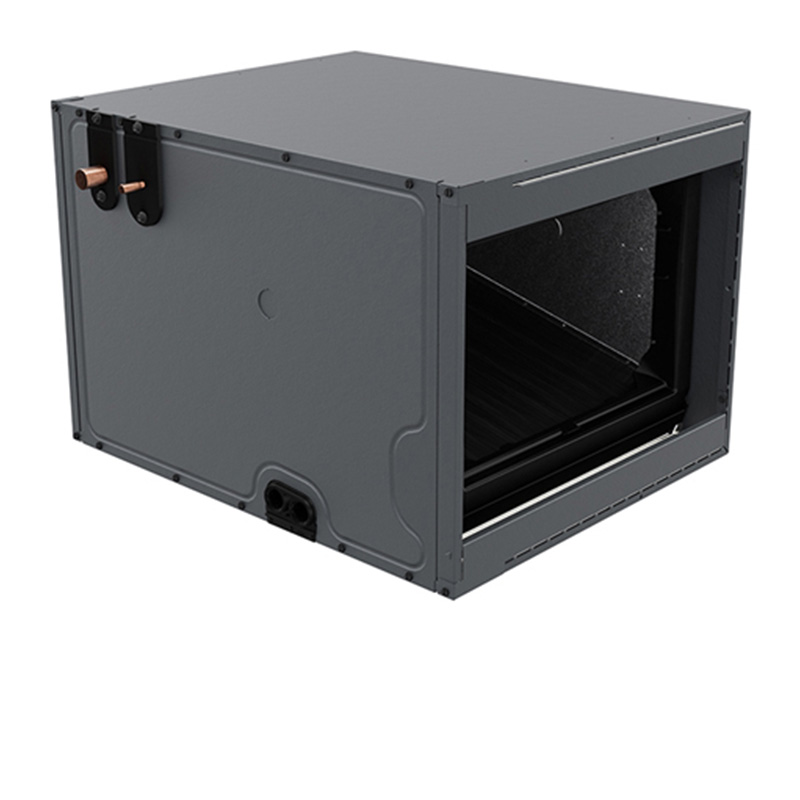
This Goodman bundle pairs a 3-ton, 16 SEER2 split-system air conditioner with an 80,000 BTU, 80% AFUE multi-speed ECM gas furnace in a horizontal configuration, making it a practical choice for homes where attic or crawlspace installations are the only option. The R-32 refrigerant charge is a step forward environmentally, carrying a lower global-warming potential than the R-410A it replaces, and it typically requires a slightly smaller refrigerant volume for the same cooling output. At 16 SEER2, the cooling efficiency clears the federal minimums for most U.S. climate zones but sits at the lower end of the mid-efficiency range, so utility bills will be measurably higher than a 17 or 18 SEER2 system over time.
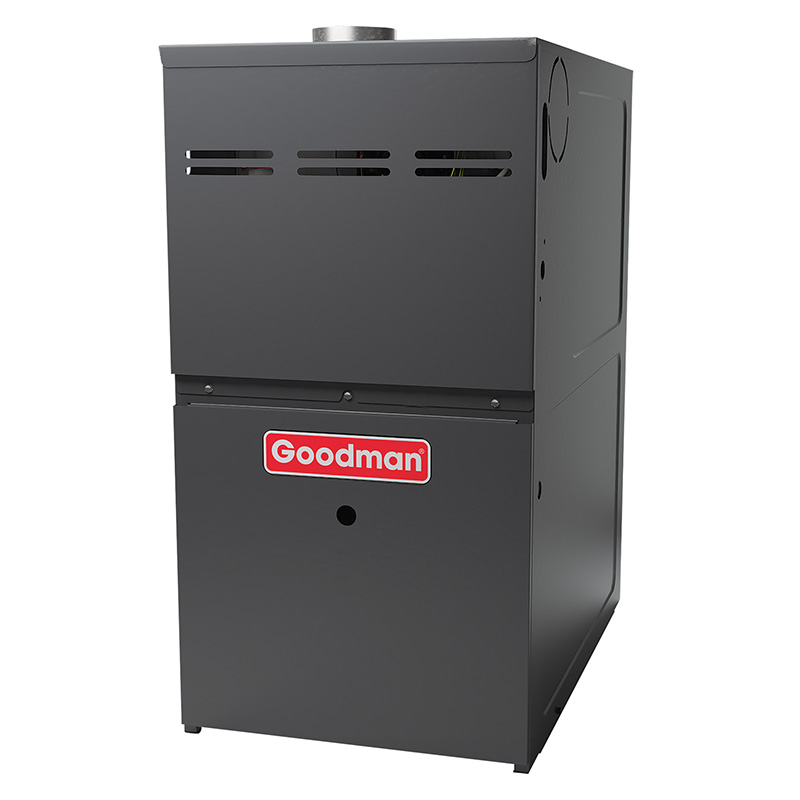
The ECM (electronically commutated motor) blower in the furnace is the standout feature here. Unlike a single-speed PSC motor, the ECM ramps airflow up and down to match demand, which cuts blower electricity use noticeably and improves humidity control and comfort distribution. The Low NOx burner design meets stricter air-quality rules in California and other regulated markets. At 80% AFUE, however, roughly one dollar in five of your gas spend exits through the flue, so homeowners in cold climates who run the furnace heavily may want to weigh the cost of stepping up to a 96% AFUE unit before committing. This bundle is best suited to mild-to-moderate heating climates where the furnace runs a few months a year rather than six.
This bundle delivers a solid entry-level-to-mid-efficiency split system at a price point that undercuts Carrier, Trane, and Lennox by a meaningful margin, and the ECM furnace motor adds genuine comfort value beyond the base specs. The trade-off is a brand track record that shows higher-than-average component failure rates past year seven and compressor longevity that trails premium competitors, so buyers should budget for possible repairs in the second decade and invest heavily in a skilled installer.
Overall score is the average of the five ratings above.
What we like
- Purchase price runs 15 to 25 percent below comparable Carrier, Trane, and Lennox systems
- R-32 refrigerant has a lower environmental impact than the R-410A used in older Goodman models
- ECM blower motor reduces blower electricity consumption and improves comfort consistency
- Low NOx furnace is approved for California SCAQMD and other regulated air-quality districts
- Horizontal configuration covers installation scenarios that upflow cabinets cannot serve
Trade-offs
- 80% AFUE means 20% of combustion heat is lost to the flue, a real cost penalty in cold climates
- 16 SEER2 sits at the lower end of mid-efficiency, leaving measurable long-term energy savings on the table versus 17-plus SEER2 options
- Goodman compressors average 10 to 14 years of service, shorter than the 15-to-20-year expectation for premium brands
- Dual-run capacitor failures and evaporator coil leaks are documented recurring issues, adding repair cost risk after year seven
What homeowners and pros say about Goodman
Homeowners who track their Goodman experience online tend to split into two groups. On Google dealer review pages, where ratings average around 3.8 out of 5 across hundreds of reviews per location, the most consistent praise is straightforward: the system cools and heats the house for less money upfront than the competition. On ConsumerAffairs, where the audience skews toward people actively working through a problem, Goodman scores closer to 2.5 out of 5, and the recurring complaint is repair bills that start climbing after roughly year seven. Neither data point tells the whole story, but together they paint a picture of a brand that delivers on price and works acceptably for the first several years before reliability becomes a more active concern.
HVAC technicians who service Goodman equipment regularly point to a predictable set of failure modes. Dual-run capacitors are the most common callout, and the repair is usually quick and affordable in the $300 to $600 range, so it is more of an inconvenience than a financial crisis. Evaporator coil leaks are a more serious pattern that shows up in owner reviews with enough frequency to be worth noting, particularly in humid climates. Compressor longevity is the bigger long-term question: Goodman compressors tend to run 10 to 14 years on average, which is a real gap compared to the 15 to 20 years that premium-brand compressors typically reach. For this horizontal-configuration system specifically, pros emphasize that the install is less forgiving than a standard upflow setup, and that proper refrigerant charge and drain-pan positioning are critical to avoiding the early leak reports that a minority of owners describe.
Sources: ConsumerAffairs Goodman owner reviews, AHRI Directory of Certified Product Performance, U.S. DOE appliance and equipment efficiency standards, Goodman product specification sheets.
What it costs to run
At 16 SEER2, cooling this 3-ton system for a typical 1200-hour cooling season at the U.S. average electricity rate of $0.17/kWh works out to roughly $459 per year in cooling, about $89 less per year than a minimum-efficiency 13.4 SEER2 unit of the same size. Your real cost depends on your climate and local rate.
Method: (36,000 BTU/hr ÷ 16 SEER2) × 1200 hours ÷ 1000 × $0.17/kWh. Rate source: U.S. EIA average; cooling hours: moderate-climate estimate.
How it compares
| Brand | Comparable model | SEER2 | Stage | Price position |
|---|---|---|---|---|
| Goodman | GSXH5 / GMVC8 Series (this system) | 16 | Single-stage AC / Multi-speed furnace | Value pick |
| Carrier | Comfort 24ACC6 / 58TP | 16 | Single-stage AC / Two-stage furnace | Typically 20 to 25 percent above this Goodman bundle |
| Trane | XR15 / S9X2 | 15.5-16 | Single-stage AC / Multi-speed furnace | Typically 20 to 30 percent above this Goodman bundle |
| Lennox | Merit ML15 / Merit ML180E | 16 | Single-stage AC / Multi-speed furnace | Typically 15 to 25 percent above this Goodman bundle |
Competitor rows are comparable single-stage units at similar efficiency; price is relative position, not a quote.
Questions about this system
Why does this system use R-32 instead of R-410A, and does that affect service costs?
Goodman has shifted newer production to R-32 because it has a significantly lower global-warming potential than R-410A and requires a smaller refrigerant charge for the same capacity. Service costs are comparable, but not every technician carries R-32 yet, so confirm your installer is equipped for it before signing a maintenance contract.
Is a horizontal cabinet the same as a standard upflow furnace tipped on its side?
No. A true horizontal furnace is engineered and tested specifically for side-discharge operation, with drain pans, burner orientation, and heat exchanger positioning designed for that layout. Using an upflow cabinet on its side is a code violation and a safety risk, so verify that the furnace in this bundle is rated horizontal from the factory.
What are the most common repairs I should expect with this Goodman system over time?
Dual-run capacitor failures are the most frequently reported issue and are generally inexpensive to fix, typically in the $300 to $600 range including labor. Evaporator coil leaks appear in a meaningful share of long-term owner reports, and compressors on Goodman units tend to average 10 to 14 years of service rather than the 15 to 20 years seen on premium-brand equipment.
Should I step up to a 96% AFUE furnace instead of this 80% AFUE model?
In climates where the furnace runs four to six months a year, a 96% AFUE unit can recover its price premium through gas savings within a few years. If you are in a southern or coastal market where heating is light and the system mostly runs as an air conditioner, the 80% AFUE furnace is harder to justify upgrading on payback alone.
How much does installation quality actually matter with a Goodman system?
More than with premium brands. HVAC technicians consistently note that Goodman's longevity depends heavily on a proper refrigerant charge, correctly sized ductwork, and secure line-set connections. A minority of owners report refrigerant leaks within the first year, and most of those trace back to install or charge errors rather than factory defects, so choosing an experienced, licensed contractor is especially important here.
Specifications
| Cooling capacity | 3 Ton |
| Efficiency | 16 SEER2 |
| Furnace output | 80000 BTU |
| Furnace efficiency | 80% AFUE |
| Configuration | Horizontal |
| Refrigerant | R-32 |